A church interior by night — History & Facts
In the quiet embrace of night, desire flickers beneath the surface, waiting to be noticed. Look to the left at the dim outlines of the church's architectural grandeur, illuminated only by the soft glow of candlelight that dances on the cool stone walls. The tall columns reach toward the darkness above, where shadows weave between the intricate carvings, creating a contrast between the divine and the mundane. Notice how the flickering light casts delicate patterns on the floor, inviting the viewer to traverse this sacred space, where reverence and longing intertwine. Delve deeper into the stillness; the empty pews echo with the whispers of unfulfilled prayers.
The subtle tension between the warm glow and the encroaching night evokes a sense of longing that permeates the air. Each flicker of light symbolizes a yearning heart, illuminating the contrasts of hope and despair, presence and absence. The choice to depict the church at night suggests a moment frozen in time, where desires remain unspoken, echoing within the hallowed walls. Created during a time when religious narratives dominated the art world, the artist crafted this piece amidst a rich tapestry of Baroque influences.
Though the exact date of this work remains uncertain, it captures the essence of a spiritual awakening during the 17th century, when artists sought to embody the emotional depths of faith and desire. This period was marked by a fascination with the interplay of light and shadow, as well as a desire to explore the human experience through the lens of the divine.
More Artworks by Pieter Neeffs the Elder
Browse all →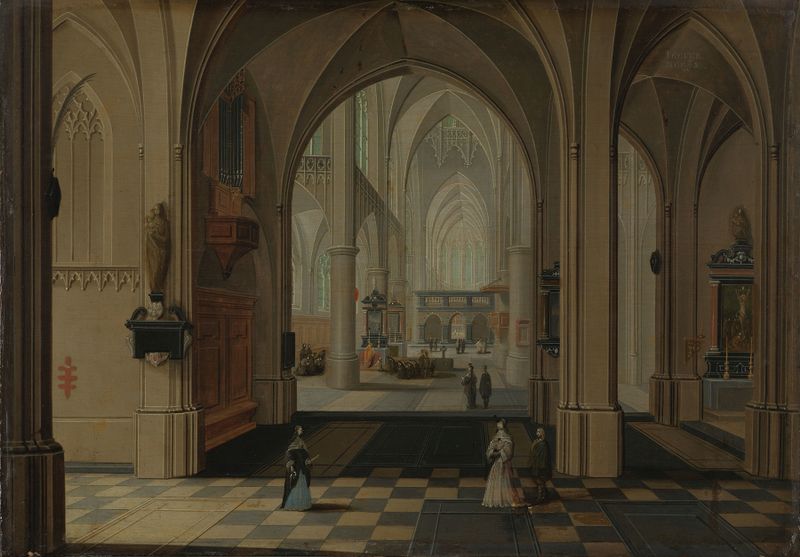
Interior of an Imaginary Gothic Church, Looking East
Pieter Neeffs the Elder

A church interior with elegant figures strolling and figures attending mass
Pieter Neeffs the Elder

Interior of a Gothic cathedral
Pieter Neeffs the Elder
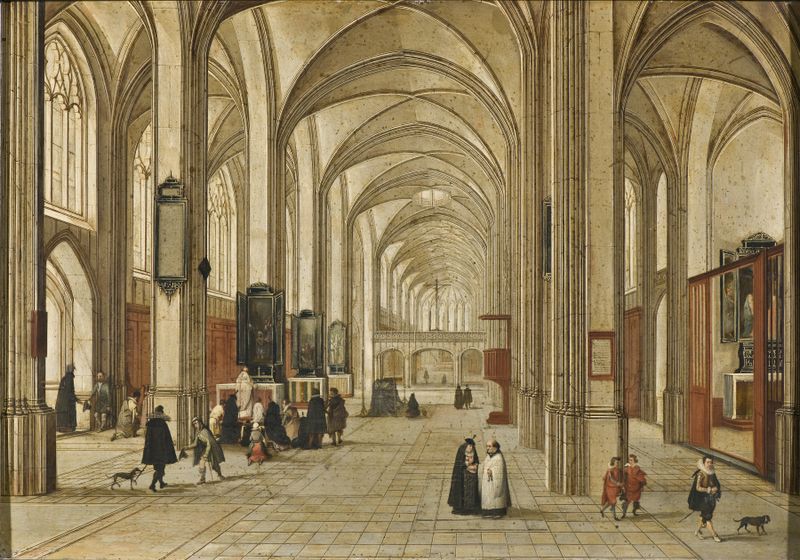
Interior of a Gothic Church
Pieter Neeffs the Elder
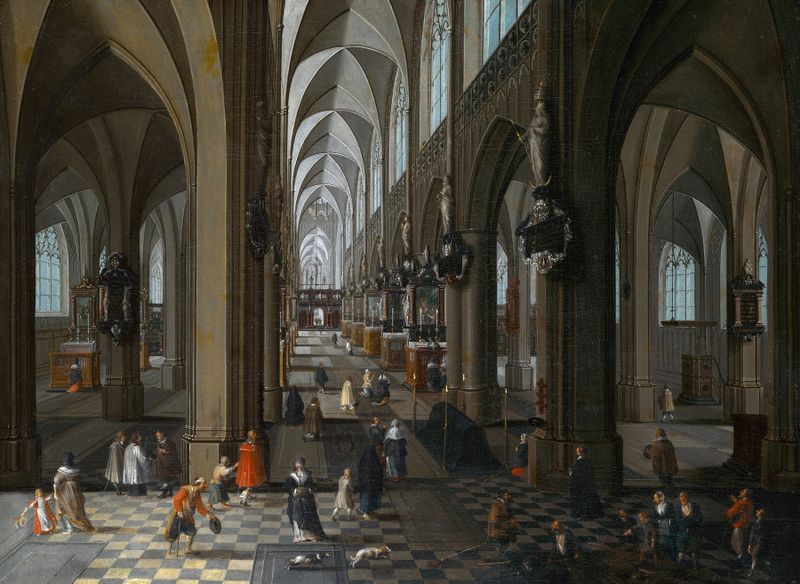
Interior of Antwerp Cathedral
Pieter Neeffs the Elder
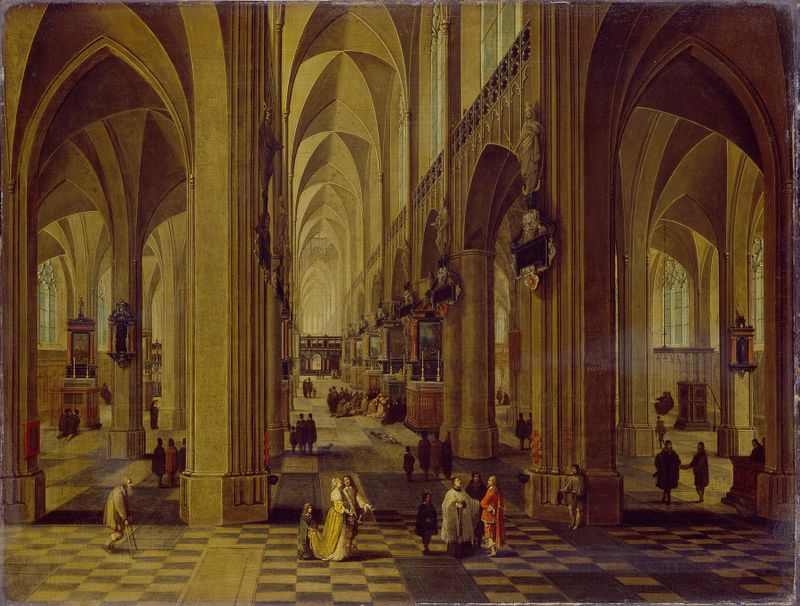
Interior of Antwerp Cathedral
Pieter Neeffs the Elder

Interior of a Church
Pieter Neeffs the Elder
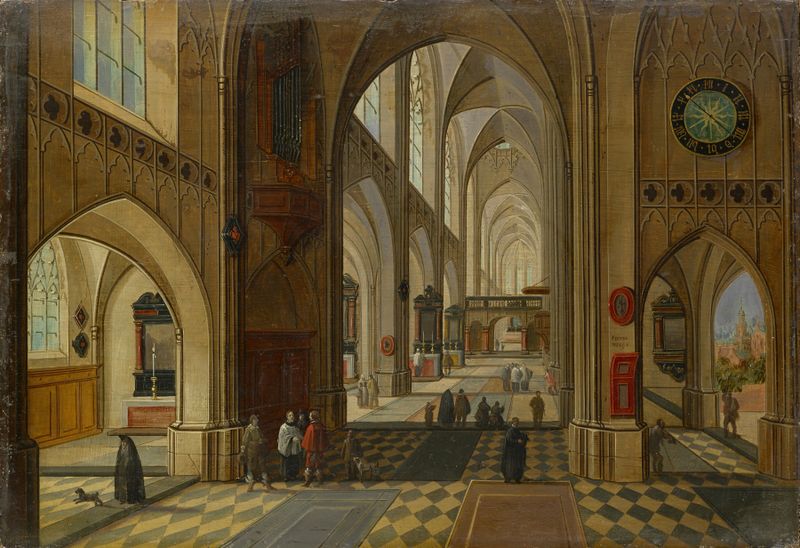
Interior of a Gothic Church
Pieter Neeffs the Elder

Church Interior
Pieter Neeffs the Elder
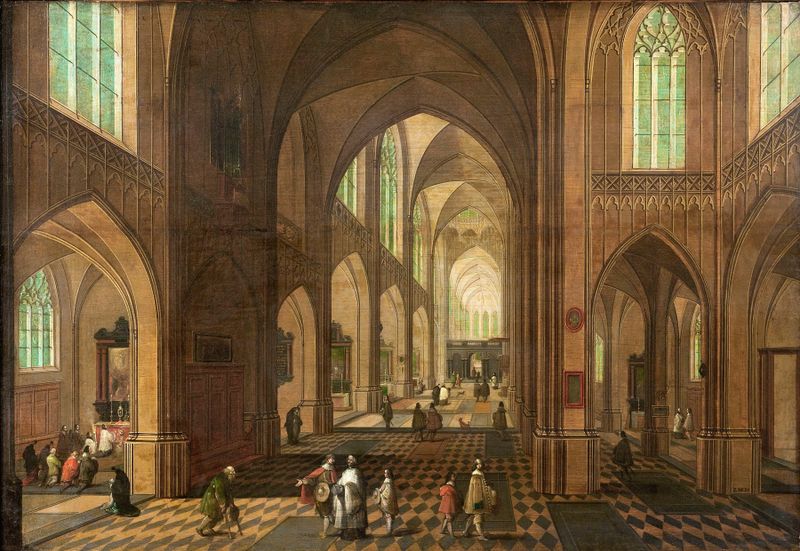
Church interior
Pieter Neeffs the Elder