
A Cliff in the Katskills — History & Facts
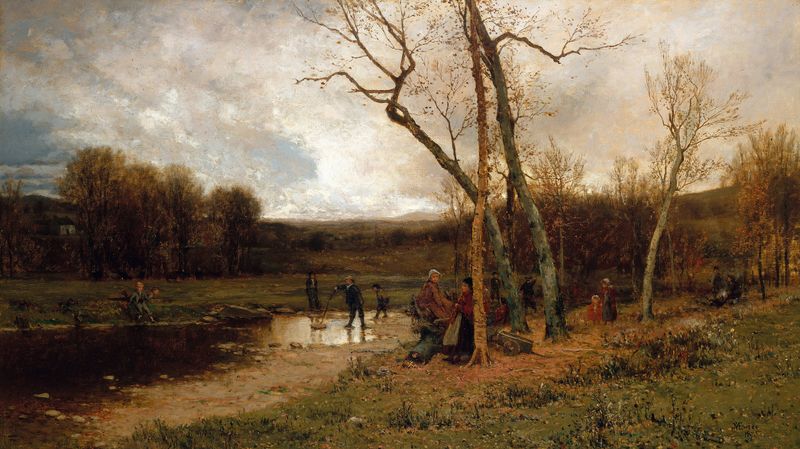
In the fleeting embrace of twilight, where the horizon blurs with the past, grief lingers like a whisper carried on the wind. Look to the foreground, where the rugged cliffs rise, their rough texture contrasting sharply against the soft hues of the sky. The warm oranges and purples of sunset envelop the scene, creating a rich tapestry that invites contemplation. Notice how the light dapples across the landscape, illuminating patches of deep green foliage that cling desperately to the rocky surface.
Each brushstroke seems to echo the stillness of the moment, capturing a world suspended in time. The starkness of the cliffs speaks to the heaviness of emotion, embodying resilience against the backdrop of fading daylight. The interplay of light and shadow here invites reflection on the duality of beauty and sorrow; the vibrant colors suggest hope, yet their twilight context hints at impending darkness. This juxtaposition serves as a metaphor for loss, revealing how nature itself can mirror the human experience of grief, evoking a profound sense of longing. Created in the late 19th century, during a period of personal turmoil for the artist, the work encapsulates Jervis McEntee’s struggle with his own losses.
The Catskills provided solace amidst his challenges, while the artistic community he was part of was grappling with the ever-changing landscape of American art. In this painting, McEntee channels not only his own heartache but also a collective sentiment, forging a connection between nature and the complexities of the human condition.
More Artworks by Jervis McEntee
Browse all →
Autumn in the Catskills
Jervis McEntee
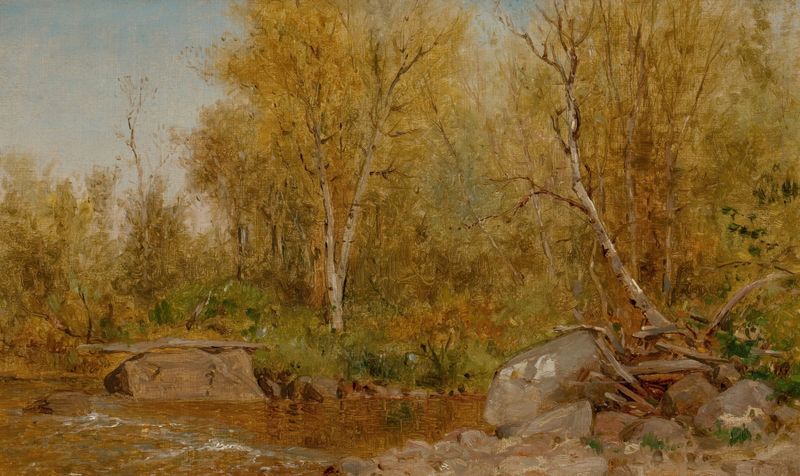
Sandy Stream, Maine Woods
Jervis McEntee

Autumn Scene
Jervis McEntee
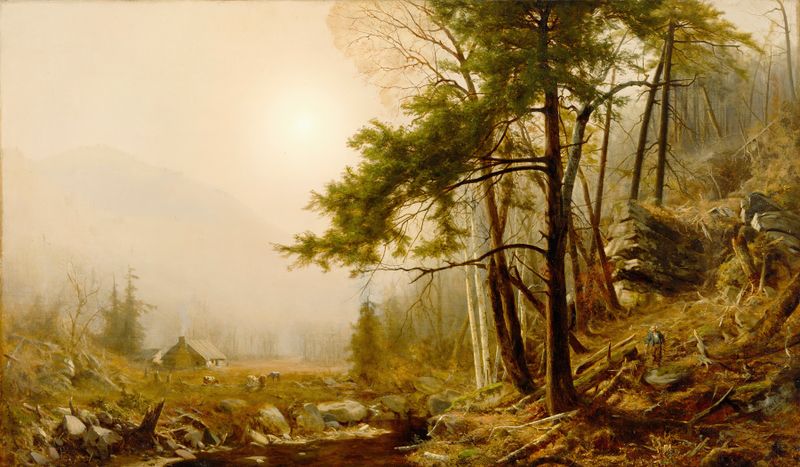
Indian Summer
Jervis McEntee

Mount Desert Island,Maine
Jervis McEntee
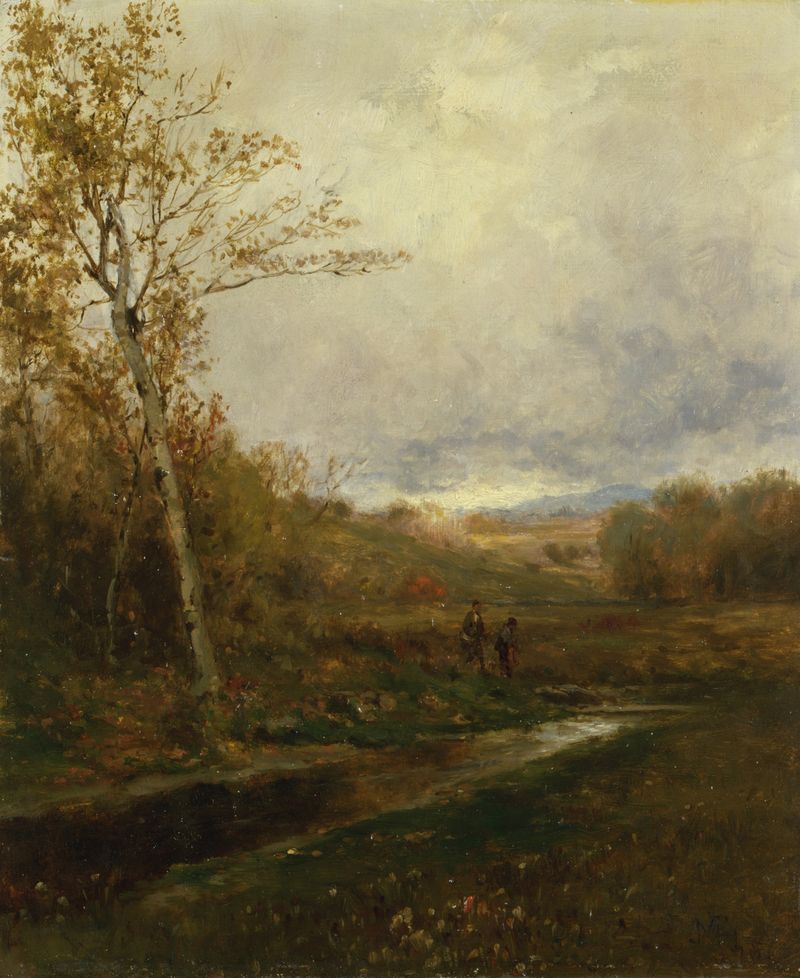
November
Jervis McEntee

Old House On Long Island
Jervis McEntee
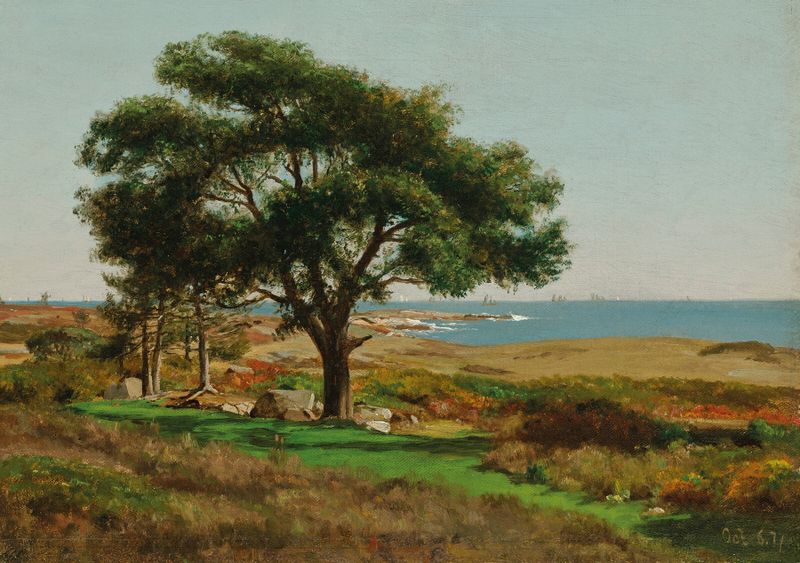
Near Kennebunkport, Maine
Jervis McEntee
Saturday Afternoon
Jervis McEntee

A Winter Camp
Jervis McEntee





