
Indian Summer — History & Facts
In the quiet corners of the heart, where grief lingers like a fading autumn light, one finds solace in the brushstrokes of memory. Look to the center, where the golden hues of an Indian summer sky stretch across the canvas, illuminating the scene with warmth yet hinting at an impending chill. The trees, adorned in rich amber and rust, frame the composition, their leaves whispering secrets of transition. Notice how the dappled light dances across the ground, creating a tapestry of shadow and brightness that reveals the delicate balance of joy and sorrow entwined in nature’s cycle. Here, emotion pulses beneath the surface; the stark contrast between the vibrant foliage and the encroaching stillness of the approaching winter evokes a poignant sense of loss.
Each brushstroke speaks of a moment held tightly, while the surrounding landscape hints at the inevitability of change. The scene embodies a bittersweet nostalgia, inviting viewers to reflect on their own encounters with grief and the fleeting beauty of time. In 1861, Jervis McEntee painted this piece during a period of personal turmoil and artistic exploration. Living in the Hudson River Valley, he was influenced by the changing seasons and the themes of nature prevalent in American art.
As he grappled with the loss of loved ones, Indian Summer emerged as a meditation on memory, capturing the ephemeral beauty of life even as it prepares to yield to the inevitable passage of time.
More Artworks by Jervis McEntee
Browse all →
Autumn in the Catskills
Jervis McEntee
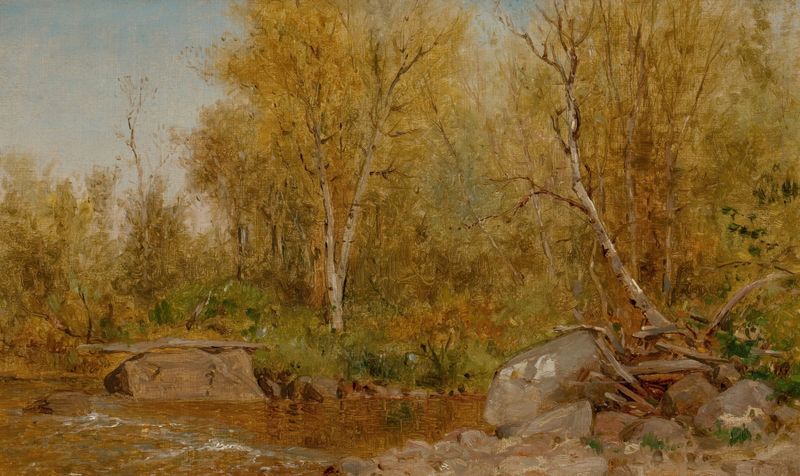
Sandy Stream, Maine Woods
Jervis McEntee

Autumn Scene
Jervis McEntee

Mount Desert Island,Maine
Jervis McEntee
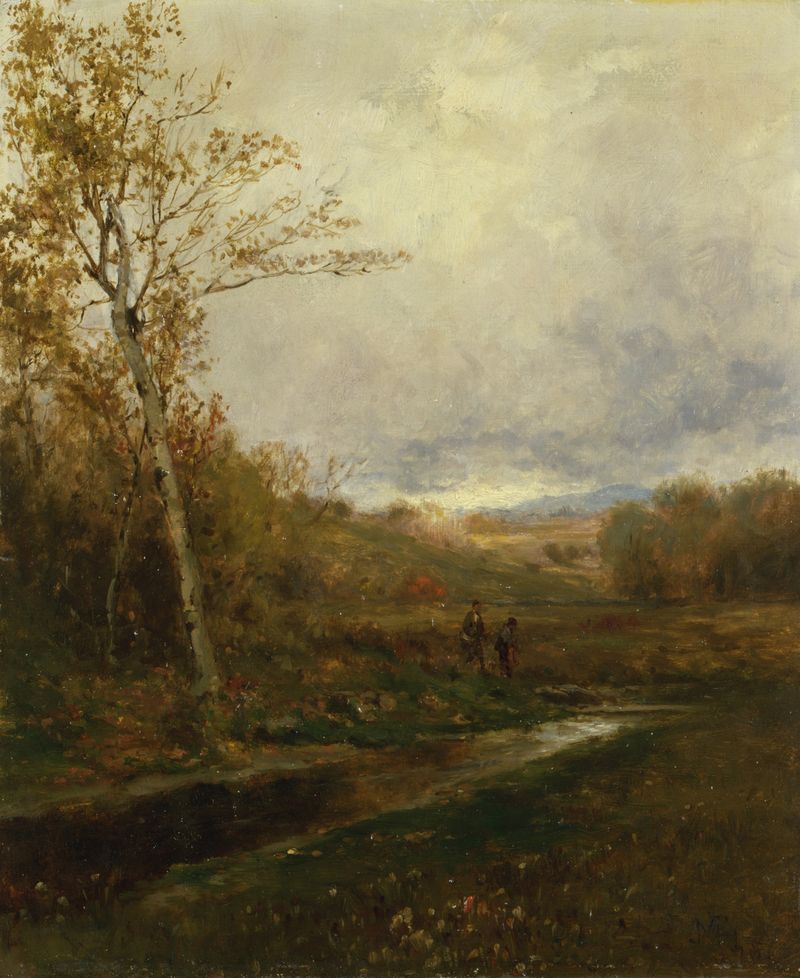
November
Jervis McEntee

Old House On Long Island
Jervis McEntee
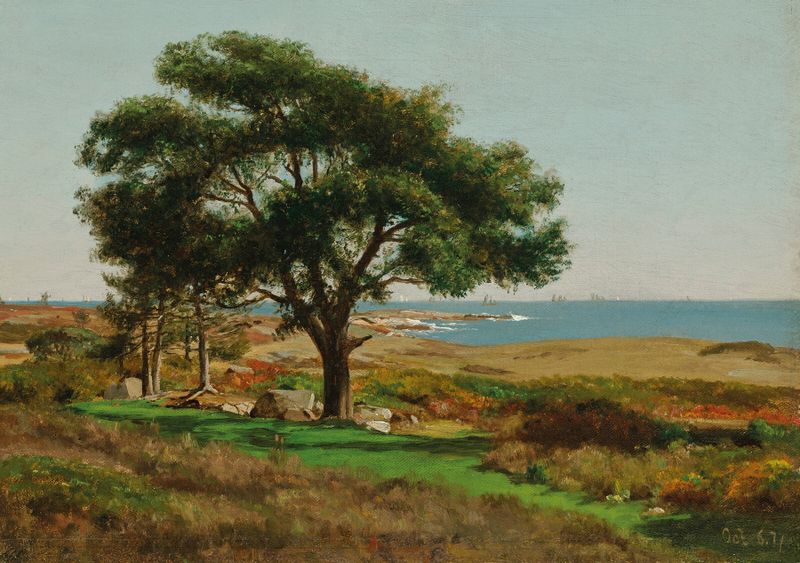
Near Kennebunkport, Maine
Jervis McEntee
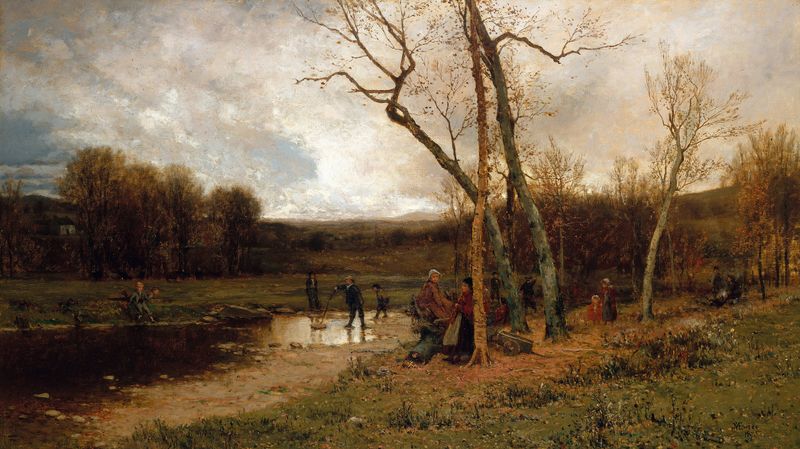
Saturday Afternoon
Jervis McEntee
A Cliff in the Katskills
Jervis McEntee

A Winter Camp
Jervis McEntee





