
Old House On Long Island — History & Facts
In the quietude of an aging world, beauty emerges from decay, whispering stories of lives lived and revolutions endured. Focus on the deep earthy tones that envelop the canvas, inviting you into the complex interplay of shadows and light. As your gaze travels across the scene, notice how the dilapidated structure stands resilient against the backdrop of a vibrant sky, a testament to both nature’s encroachment and the passage of time. The foliage surrounding the house is lush yet disordered, hinting at a forgotten past while exuding an almost defiant spirit.
The artist's brushwork captures the texture of the weathered wood and the rustle of leaves, making the scene pulse with an undercurrent of nostalgia. Beneath the surface, the painting speaks of contrasts—between the vibrant life of nature and the stillness of the abandoned dwelling. It reflects the duality of existence: time's relentless march juxtaposed with the memories rooted in the very walls of the house. Each detail, from the creeping vines to the fragile light illuminating the edges, evokes a sense of loss and resilience, linking personal history with a broader narrative of change and revolution in society. In the 19th century, Jervis McEntee painted this piece during a time of artistic transition in America, immersed in the Hudson River School’s ideals.
Living in New York, he was influenced by the Romantic movement, which celebrated nature’s power and beauty, while grappling with the realities of an evolving world. His work captures not just the physical landscapes, but also the emotional landscapes of a nation at the cusp of profound transformation.
More Artworks by Jervis McEntee
Browse all →
Autumn in the Catskills
Jervis McEntee
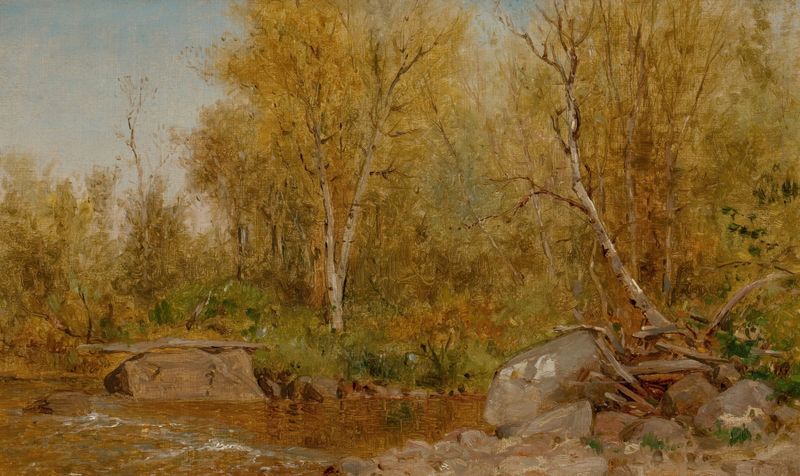
Sandy Stream, Maine Woods
Jervis McEntee

Autumn Scene
Jervis McEntee
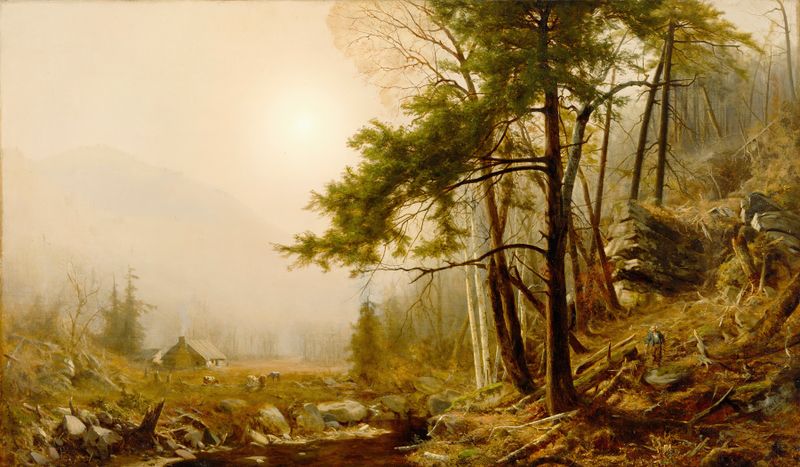
Indian Summer
Jervis McEntee

Mount Desert Island,Maine
Jervis McEntee
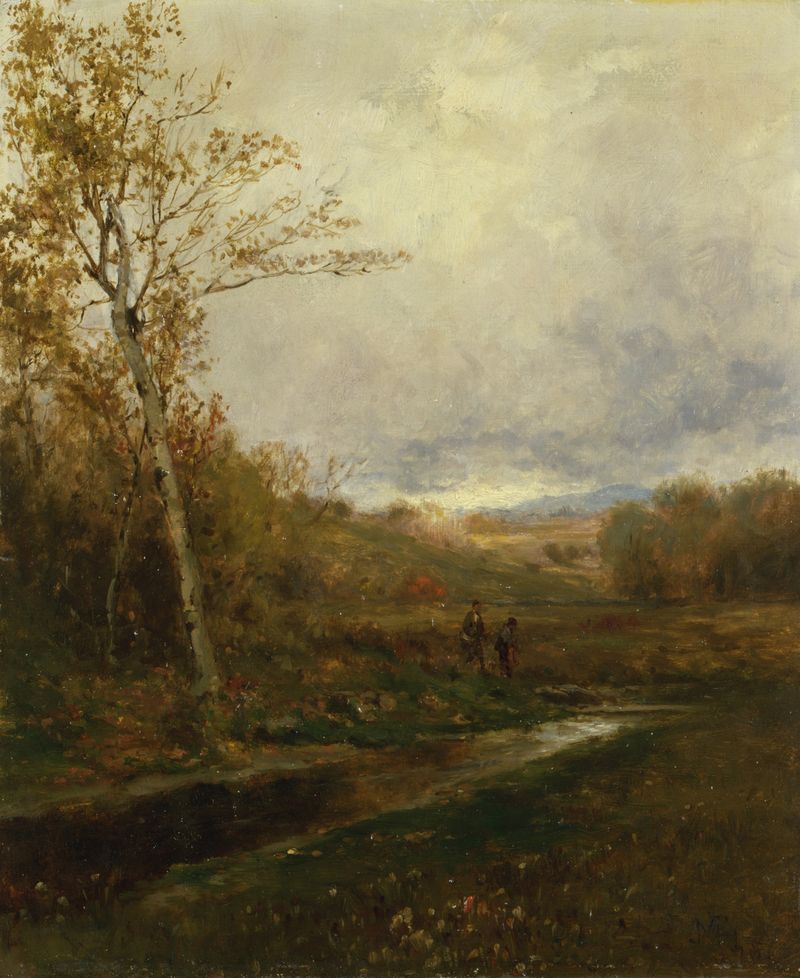
November
Jervis McEntee
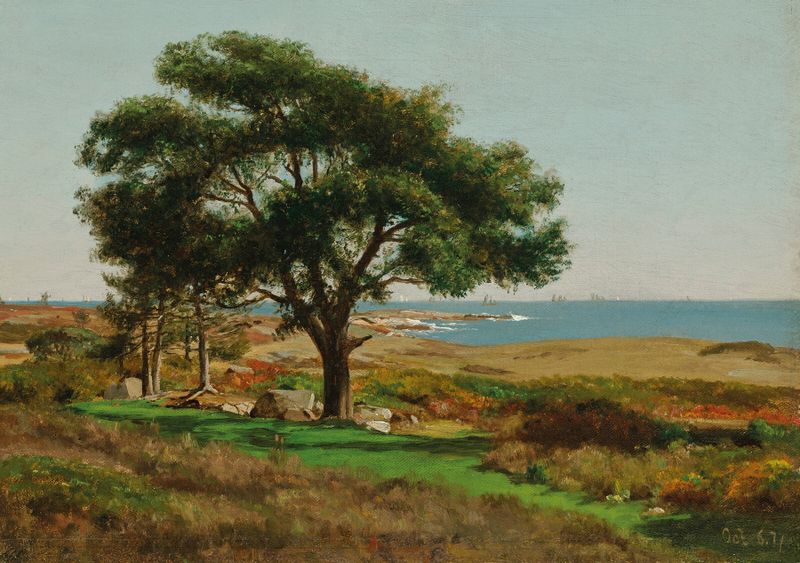
Near Kennebunkport, Maine
Jervis McEntee
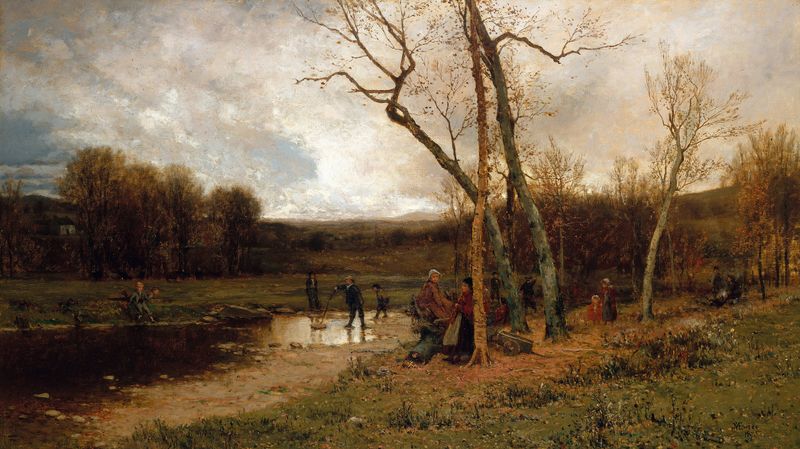
Saturday Afternoon
Jervis McEntee
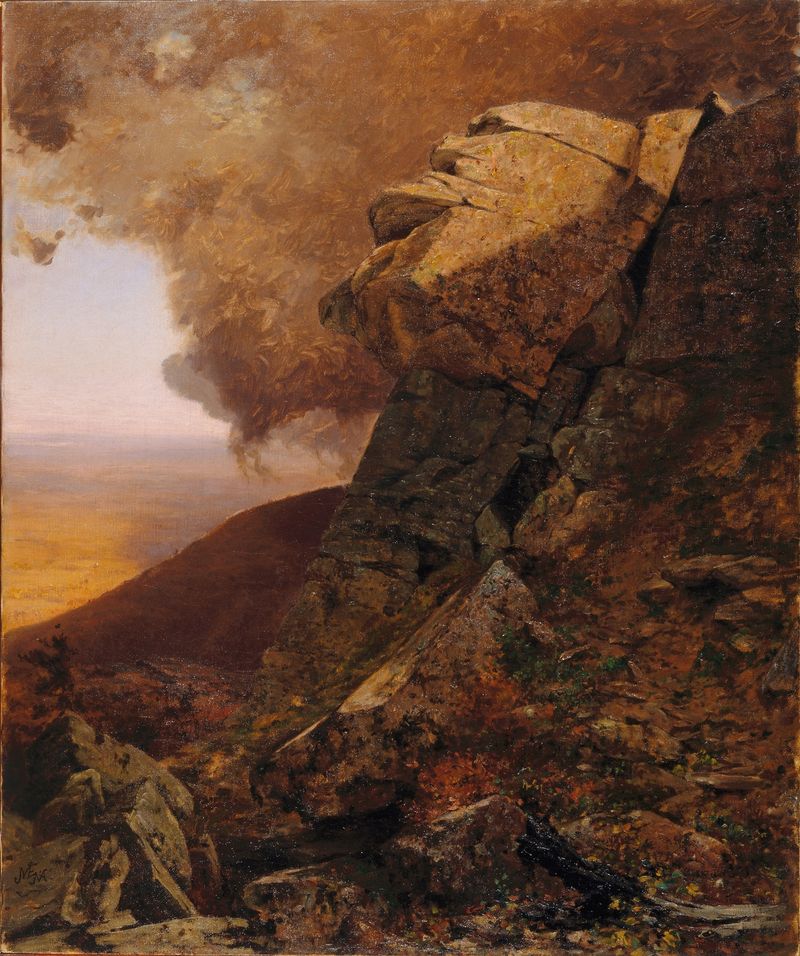
A Cliff in the Katskills
Jervis McEntee

A Winter Camp
Jervis McEntee





