
Autumn in the Catskills — History & Facts
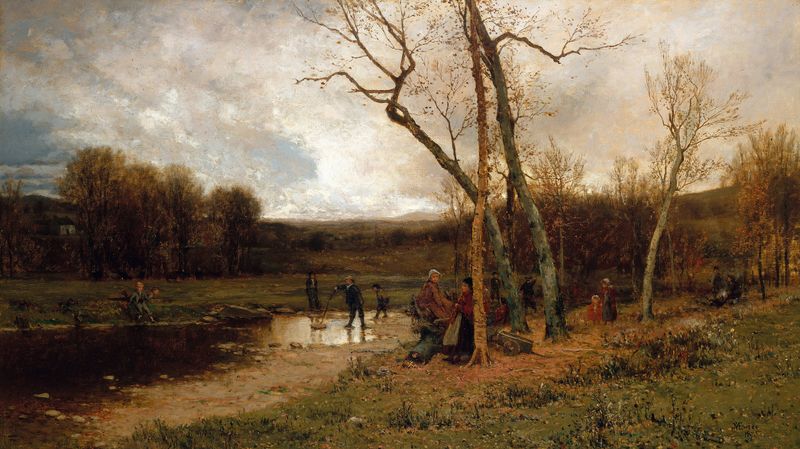
In the hush of a fading season, the silence speaks volumes, inviting the viewer to pause and reflect. Here lies a moment suspended in amber, where the vibrancy of autumn meets the inevitability of winter, a fleeting embrace echoing across the landscape. Look to the foreground, where the rich tapestry of fallen leaves carpets the ground, each hue a testament to nature's cycle. Notice how the sunlight filters through the trees, casting long shadows that weave a narrative of depth and distance.
The soft brushstrokes create a textured effect, while the color palette—golden yellows, deep oranges, and muted browns—hints at both warmth and impending chill. Each element draws the eye towards a serene stillness that envelops the scene. Underlying the beauty is an intricate dance of contrasts: life and decay, warmth and chill, light and shadow. The trees stand tall and sturdy, yet their bare branches hint at loss, while the vibrant foliage signals both celebration and farewell.
This duality evokes a poignant sense of nostalgia, inspiring contemplation about the passage of time and the cycles of existence, as nature prepares for its inevitable slumber. In 1873, Jervis McEntee painted this work during a time when the Hudson River School was at its zenith, as artists sought to capture the transcendent beauty of American landscapes. As he navigated personal loss and the changing artistic landscape, he found solace in portraying these tranquil scenes that mirrored his inner reflections, blending realism with a touch of romanticism.
More Artworks by Jervis McEntee
Browse all →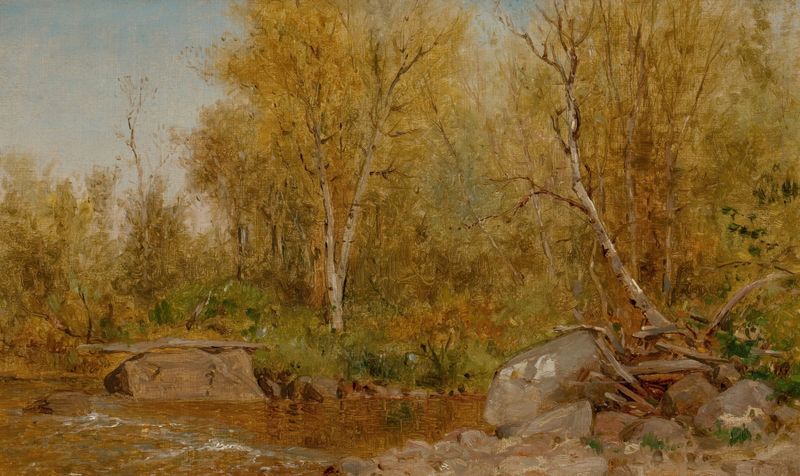
Sandy Stream, Maine Woods
Jervis McEntee

Autumn Scene
Jervis McEntee
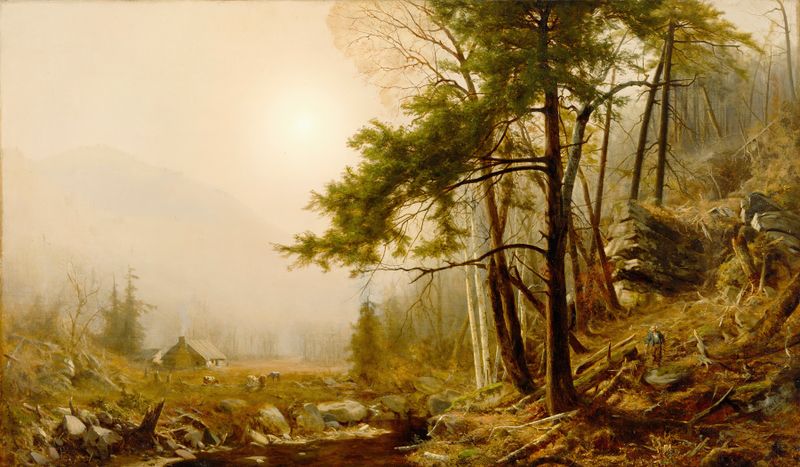
Indian Summer
Jervis McEntee

Mount Desert Island,Maine
Jervis McEntee
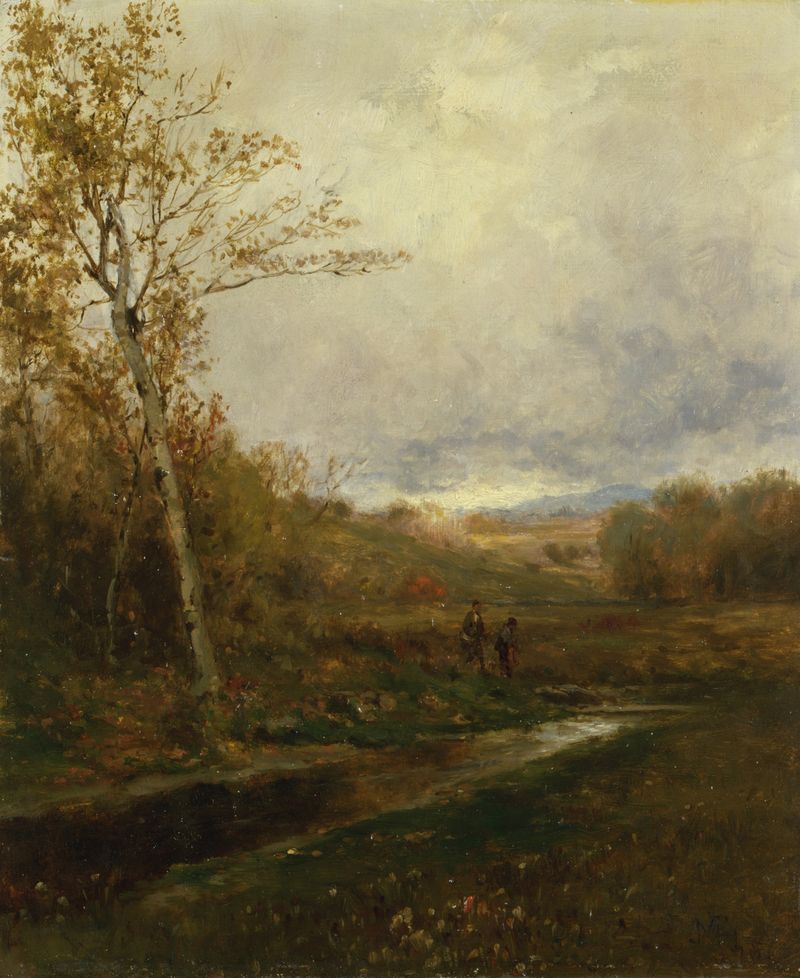
November
Jervis McEntee

Old House On Long Island
Jervis McEntee
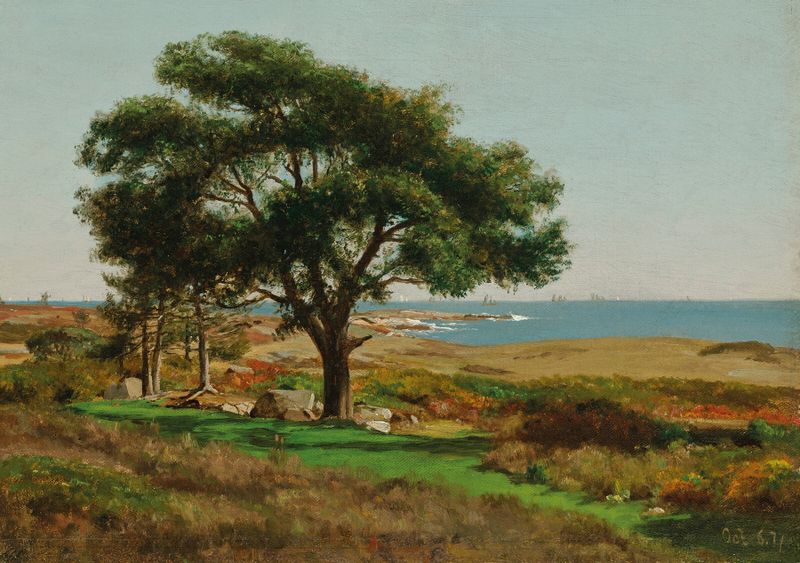
Near Kennebunkport, Maine
Jervis McEntee
Saturday Afternoon
Jervis McEntee
A Cliff in the Katskills
Jervis McEntee

A Winter Camp
Jervis McEntee





