
A Country House in a Valley with a Blossoming Plum Tree — History & Facts
Could a single brushstroke hold eternity? In A Country House in a Valley with a Blossoming Plum Tree, the essence of longing and tranquility is captured with each delicate stroke, inviting the viewer into a serene world where nature and architecture harmonize effortlessly. Focus on the left side of the canvas, where the blossoming plum tree bursts into life, its delicate petals painted in soft pinks that contrast brilliantly against the muted greens and browns of the valley. The gentle curves of the tree’s limbs draw your eye toward the quaint country house nestled in the background, its warm hues echoing the earth's embrace. Notice how the light filters through the blossoms, creating a dappled effect on the ground; this interplay of light and shadow gives depth, revealing the careful craftsmanship that defines the piece. Deeper meanings emerge in the subtle contrast between the vibrant blossoms and the stillness of the house.
The tree, a symbol of renewal and desire, stands in stark contrast to the enduring permanence of the structure, evoking a sense of fleeting beauty amidst stability. This juxtaposition reflects an inner tension between the ephemeral and the eternal, inviting contemplation on life’s transient moments. Tani Bunchō painted this work in 1815 during a time of significant artistic evolution in Japan, as the ukiyo-e style was being influenced by Western techniques. Living in Edo, Bunchō sought to blend traditional Japanese aesthetics with burgeoning perspectives, ultimately embracing the beauty of nature and its ability to evoke deep emotional connections.
This painting embodies that pursuit, capturing a moment of peace amid the complexities of a changing world.
More Artworks by Tani Bunchō
Browse all →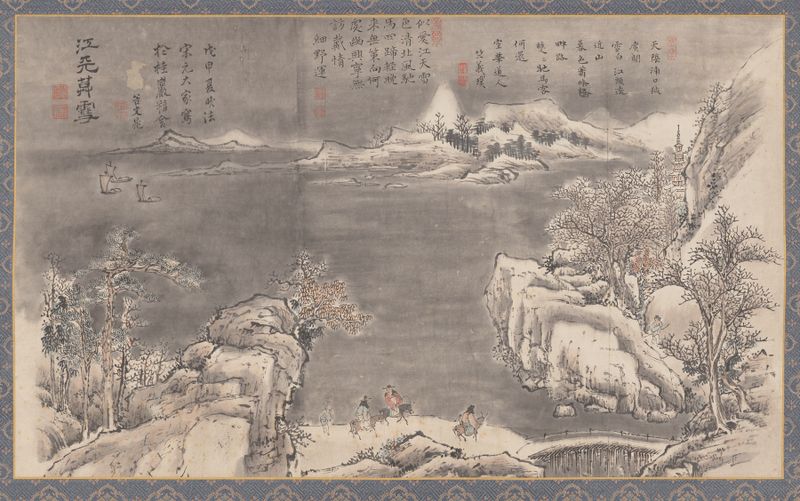
Evening Snow Blending River and Sky, from Eight Views of Xiao-Xiang
Tani Bunchō
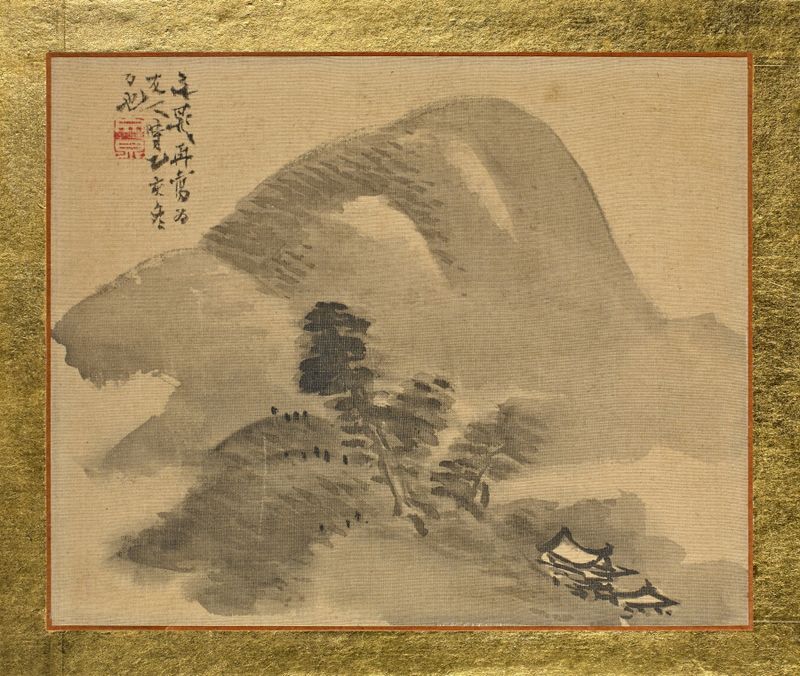
Mountain Landscape
Tani Bunchō
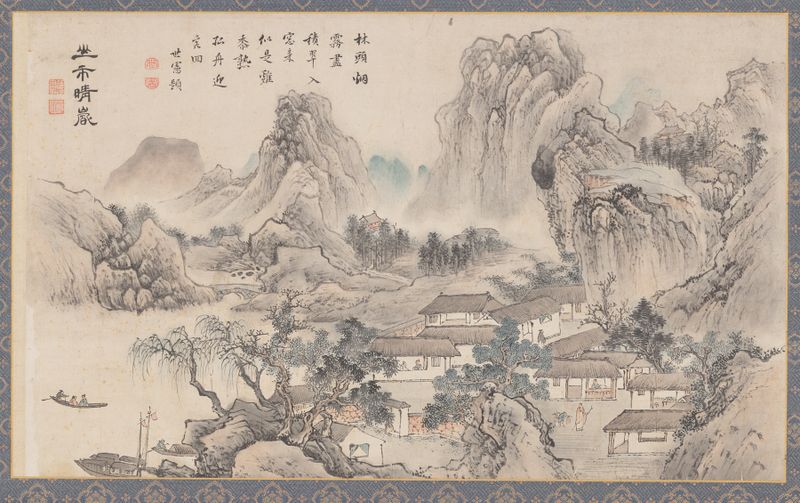
Mountain Market in Clearing Mist, from Eight Views of Xiao-Xiang
Tani Bunchō
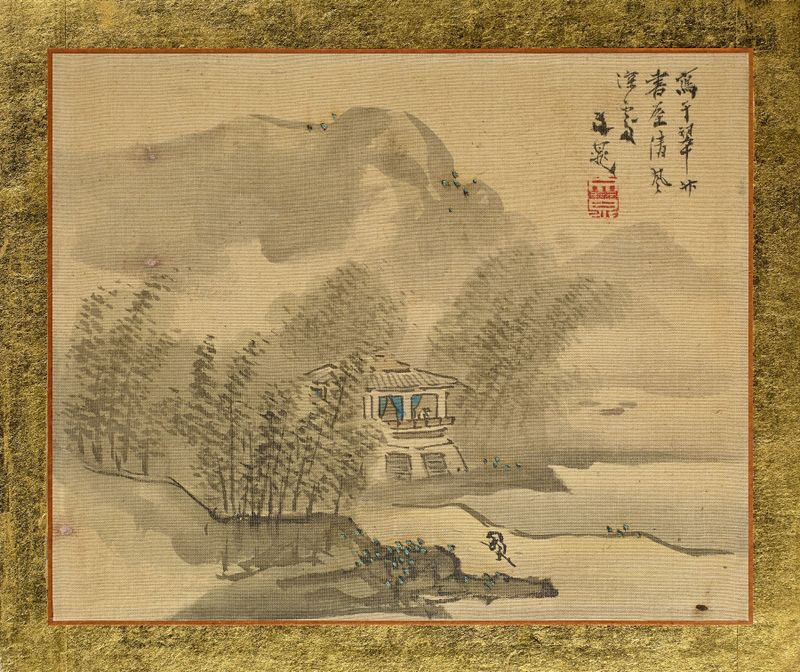
A House in a Bamboo Grove at the Shore
Tani Bunchō

Returning Sails off a Distant Shores, from Eight Views of Xiao-Xiang
Tani Bunchō

Quiet Residence in an Autumn Valley
Tani Bunchō
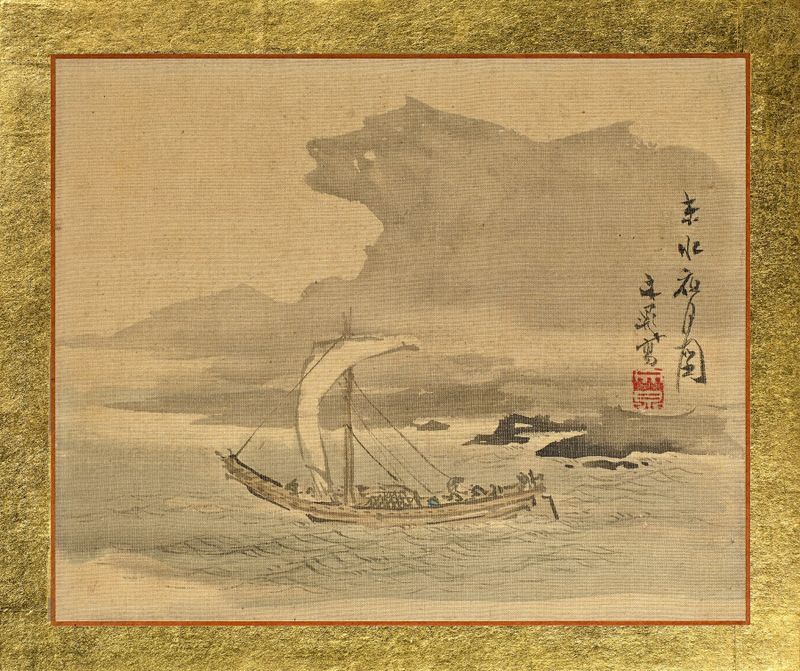
Picture of Kyoto Seascape under the Night Moon
Tani Bunchō
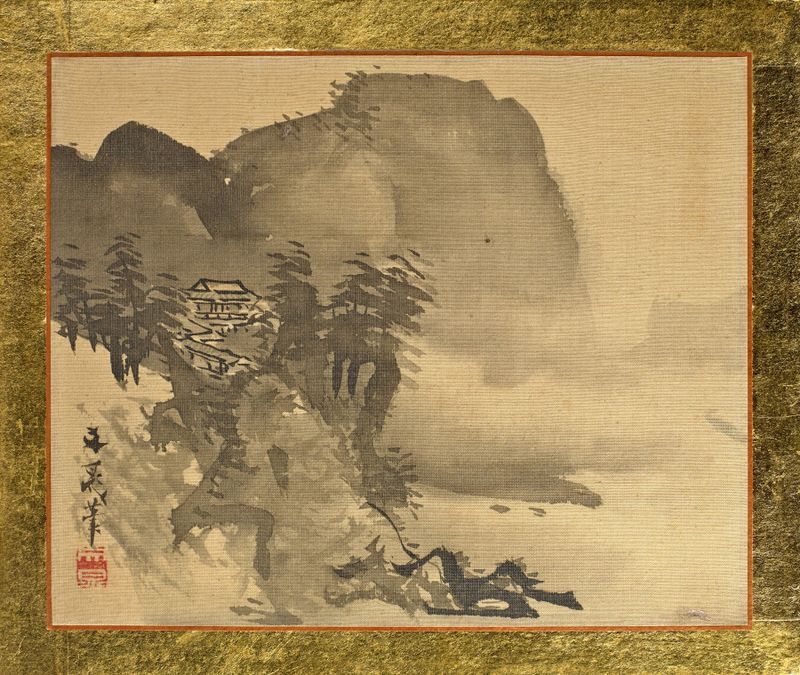
A House on a Cliff with Mountains in the Background
Tani Bunchō
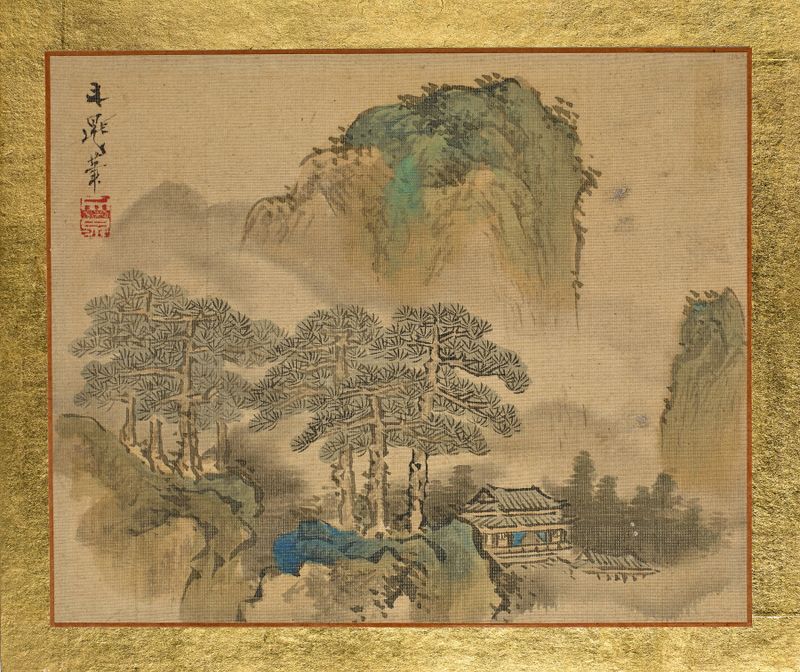
A House next to Pine Trees, in front of Mountains
Tani Bunchō
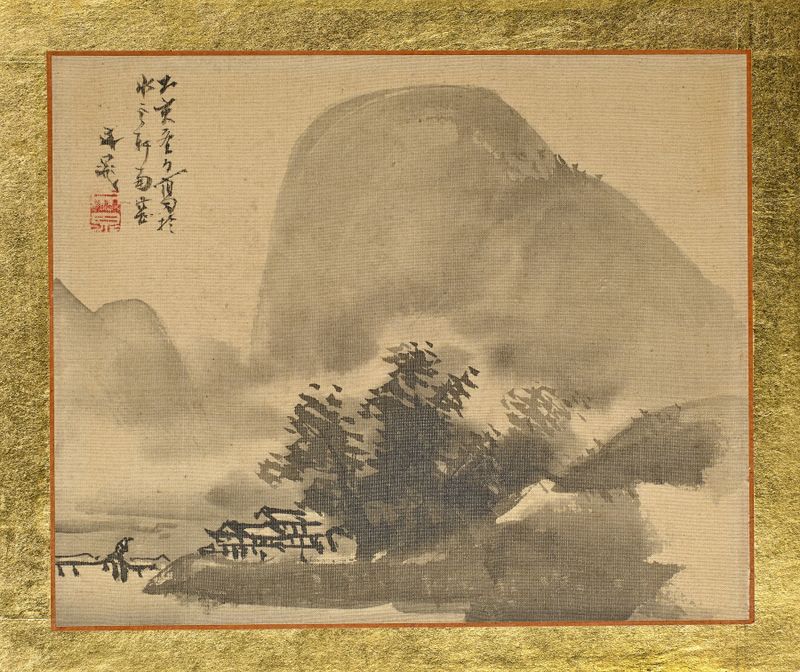
A House next to a Small Grove at the Shore in the Mist
Tani Bunchō





