
A Creek in the Woods — History & Facts
The first thing to catch the eye in A Creek in the Woods is the way one great tree bends, arching across the center like a living bridge, drawing the viewer’s gaze deeper into the forest’s green hush. Sunlight gathers on the mossy bank and glimmers along the surface of the still creek, but the true drama is in the contrast between the dense, shadowed woods and the open, luminous sky beyond. The fallen trunks and tangled roots at the water’s edge are not merely debris—they are signposts of time and renewal, reminders that this forest is always in motion, even in its quietest hour.
Every detail, from the delicate tracery of leaf against sky to the rough bark catching the light, invites the viewer to linger, to imagine the cool air and the hush of flowing water. Painted in 1865, this work by Asher Brown Durand belongs to a moment when American artists turned their eyes to the wilderness, seeking both solace and grandeur in untouched nature. The Hudson River School, with which Durand is closely associated, celebrated these landscapes as a kind of national inheritance, and collectors of the era often sought such scenes for their homes as emblems of both beauty and virtue. Today, A Creek in the Woods resides in the Museo Thyssen-Bornemisza in Madrid, far from the forests that inspired it—a quiet ambassador of a vanished American wildness.
The painting’s careful observation and reverence for detail invite us to step closer, to follow the creek’s path, and to lose ourselves in the world Durand so patiently recorded.
More Artworks by Asher Brown Durand

A Sycamore Tree, Plaaterkill Clove (The Sycamore, Kaaterskill Clove)
Asher Brown Durand
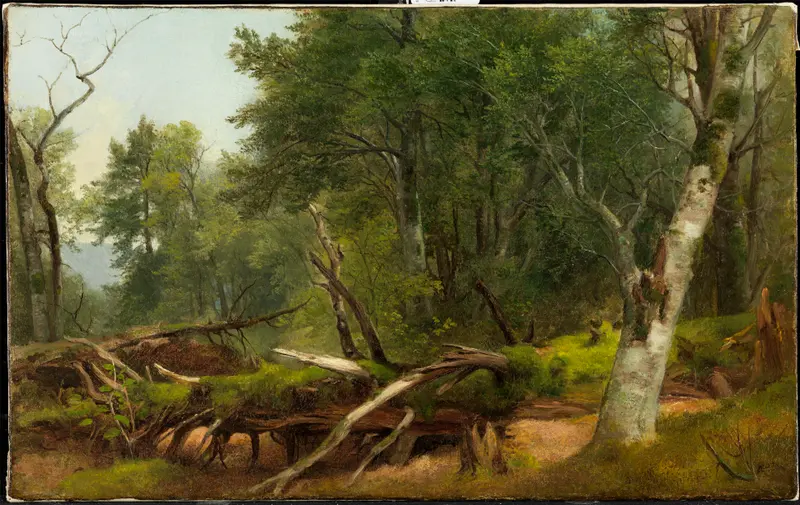
Forest Scene in the Catskills
Asher Brown Durand
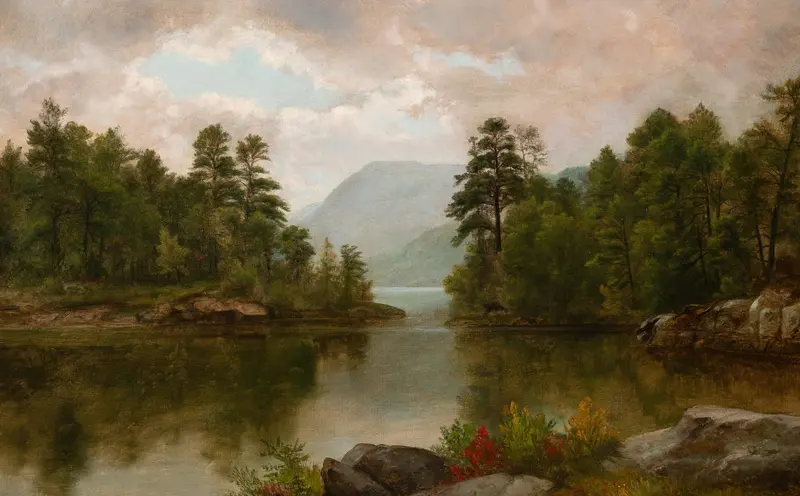
The Narrows, Lake George
Asher Brown Durand
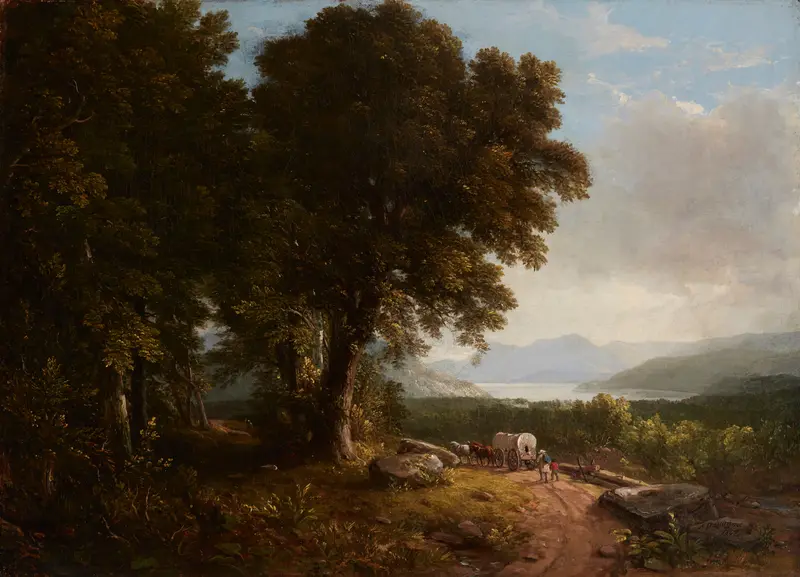
Landscape with Covered Wagon
Asher Brown Durand
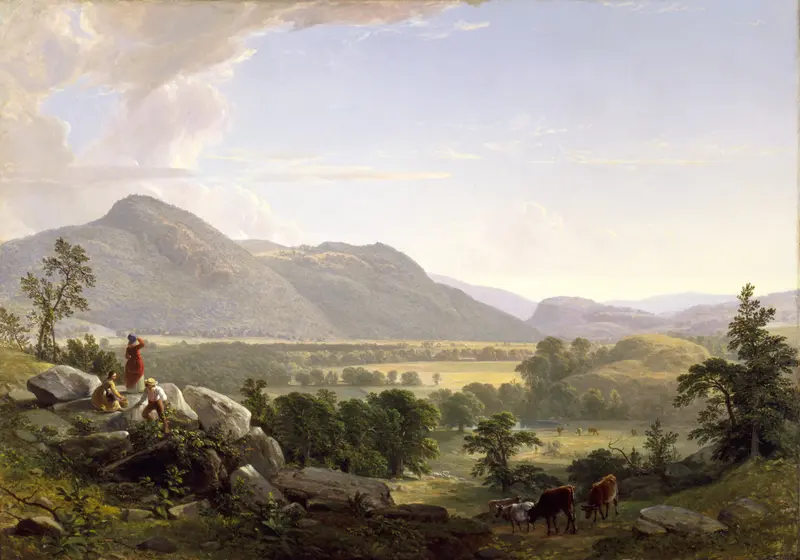
Dover Plains, Dutchess County, New York
Asher Brown Durand
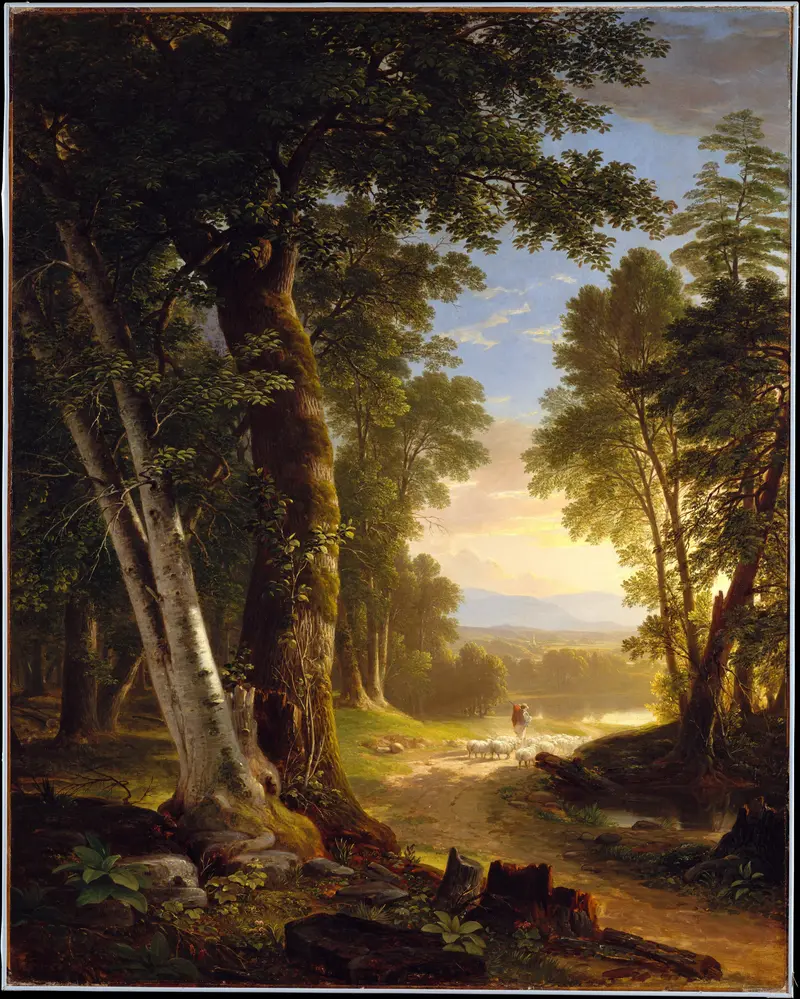
The Beeches
Asher Brown Durand

Kaaterskill Landscape
Asher Brown Durand
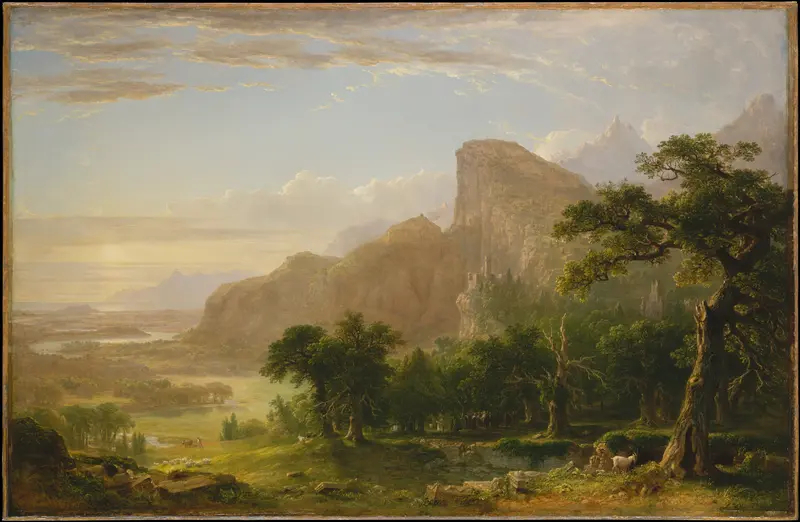
Landscape—Scene from ‘Thanatopsis’
Asher Brown Durand
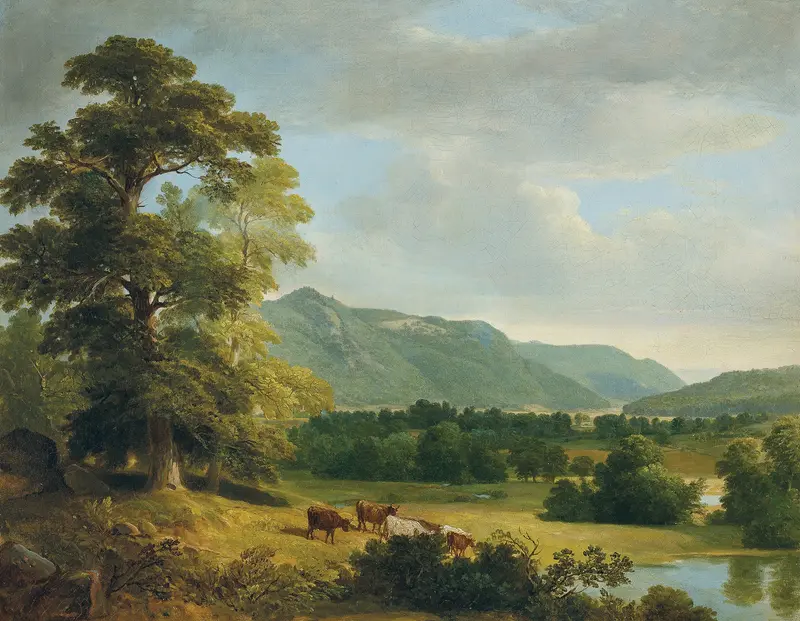
Landscape Study, Dover Plains, New York
Asher Brown Durand
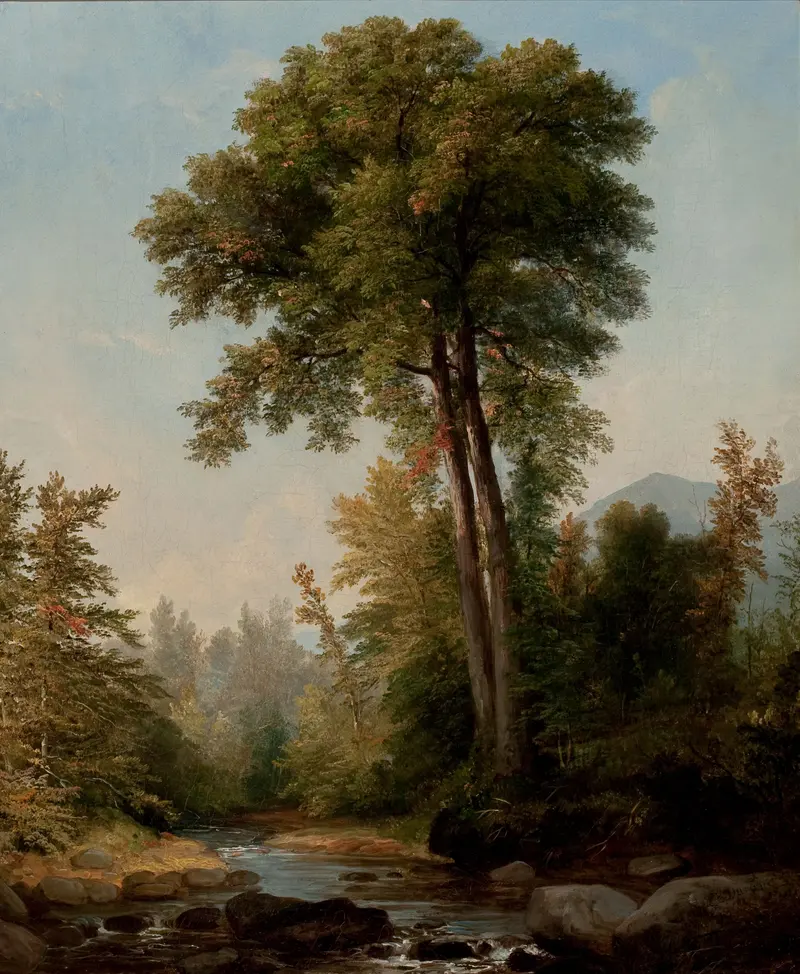
A Natural Monarch
Asher Brown Durand
More Landscape Art

The Starry Night
Vincent van Gogh

View of Delft
Johannes Vermeer

Water Lilies
Claude Monet

The Grand Canal, Venice, looking north-west from the Ca' Corner to the Ca' Contarini degli Scrigni, with the campanile of Santa Maria della Carità
Canaletto

Windsor Castle
Canaletto

The Grand Canal looking North-East from the Palazzo Dolfin-Manin to the Rialto Bridge
Canaletto