
A dun Horse — History & Facts
What first draws the eye in A dun Horse is the animal’s quiet alertness, its head turned just enough to suggest a moment of pause or curiosity. The soft, muted tones of its coat echo the gentle light that bathes the scene, while the shadow cast beneath its belly grounds it firmly in the grassy field. The horse’s sturdy build and cropped mane hint at a working life, but here it stands alone, unburdened and at ease, the distant blue hills and pale sky forming a calm backdrop.
Tidemand’s brushwork is loose yet attentive, capturing the animal’s physical presence without fuss or embellishment, and the subtle modeling along the horse’s flank gives a sense of warmth and weight to its body. Painted in 1848, this work belongs to a period when artists across Europe were turning to the countryside for inspiration, seeking out the ordinary lives of people and animals as worthy subjects in their own right. In Norway, where Adolph Tidemand made his name, such scenes often carried a sense of national pride, celebrating the rural landscape and its inhabitants. While history has kept few traces of this particular horse or the circumstances of its painting, its presence in the National Museum of Art, Architecture and Design today invites us to look again at the quiet dignity of everyday life.
The horse’s steady gaze seems to ask the viewer to linger, to notice the world as it is, just for a moment.
More Artworks by Adolph Tidemand

Bridal Procession on the Hardangerfjord
Adolph Tidemand
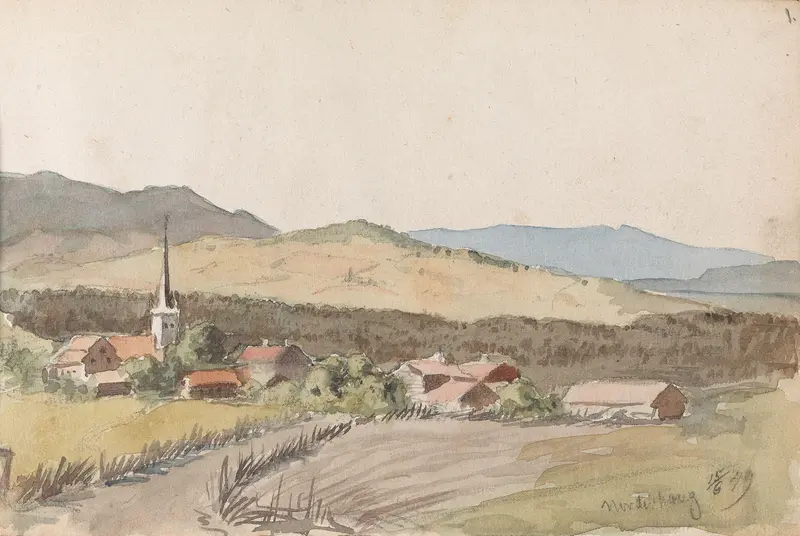
Fra Haugsbygd
Adolph Tidemand
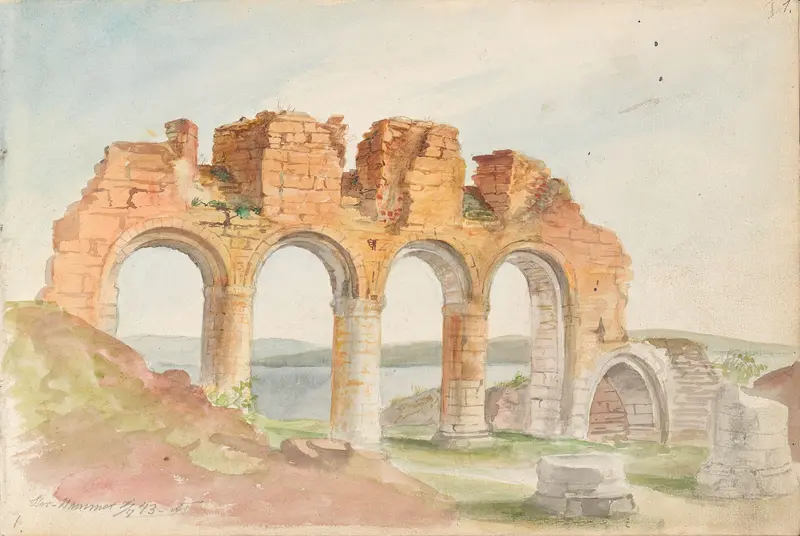
Domkirkeruinen, Hamar
Adolph Tidemand
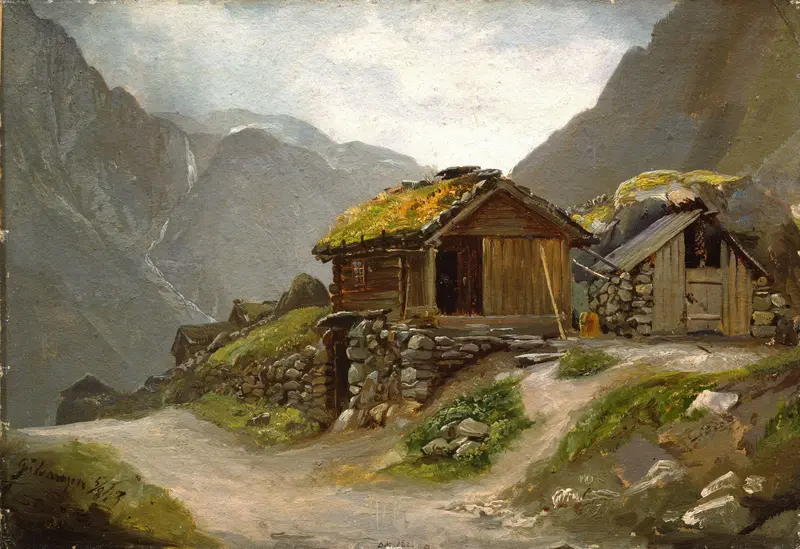
View from Gudvangen
Adolph Tidemand
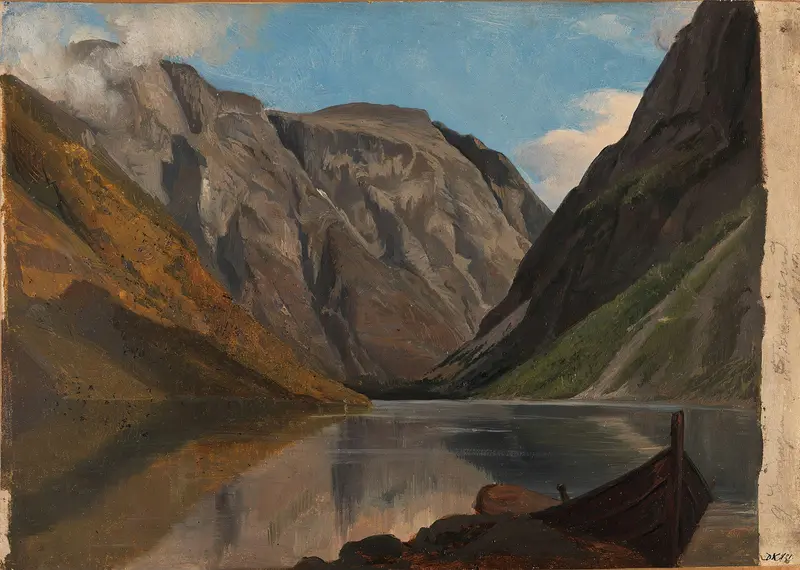
View of Gudvangen
Adolph Tidemand
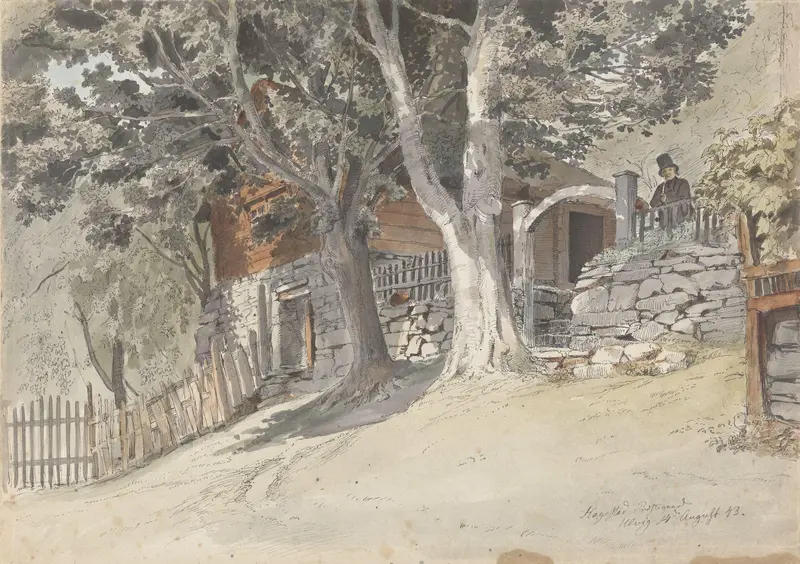
Hagestad prestegård, Ulvik i Hardanger
Adolph Tidemand
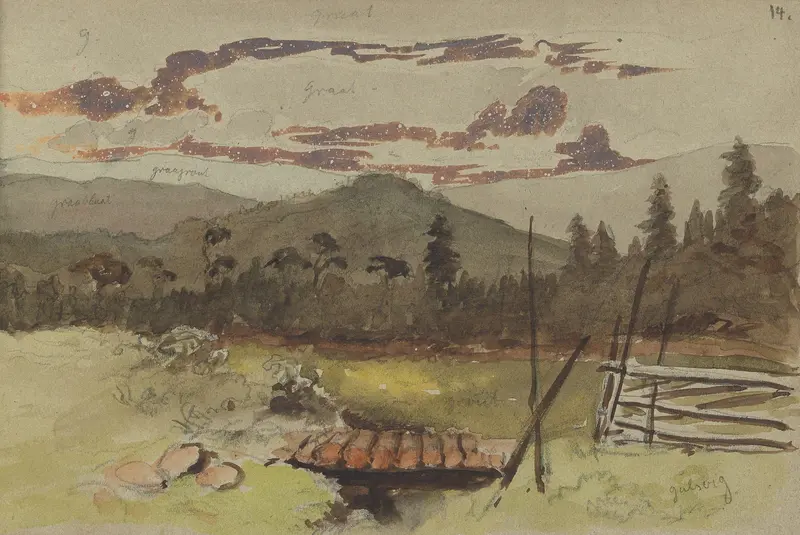
Fra Gulsvik
Adolph Tidemand
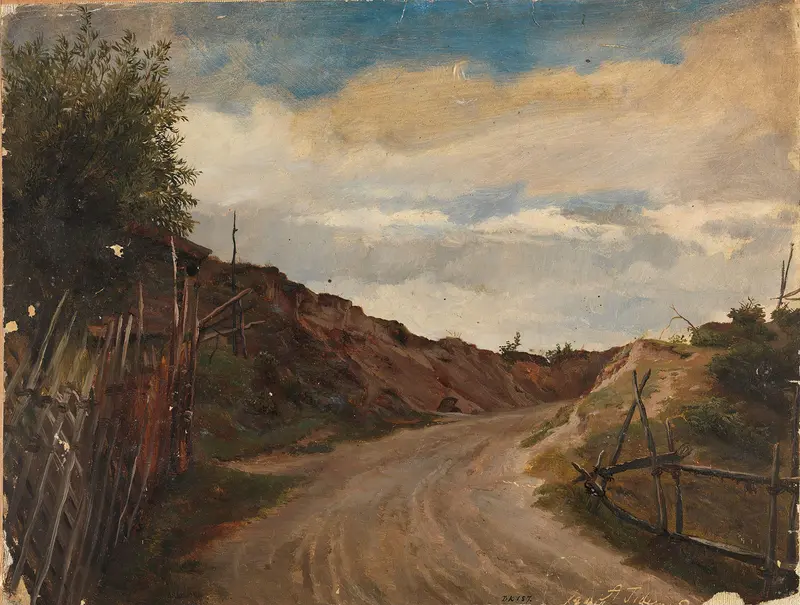
Country Road
Adolph Tidemand
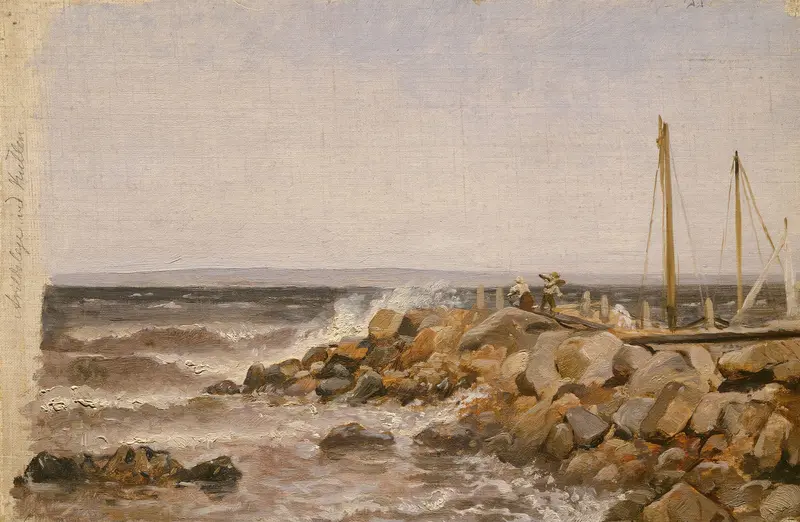
From Kullen in Sweden
Adolph Tidemand
Untitled
Adolph Tidemand





