
A Fallen Tree — History & Facts
Where does light end, and longing begin? In the stillness of nature, a fallen tree whispers tales of chaos and renewal, a poignant reminder of life's transience. Look to the center of the canvas where the gnarled trunk sprawls across the ground, its rough bark a stark contrast to the delicate foliage surrounding it. Notice the way the light filters through the branches overhead, creating dappled patterns on the forest floor that evoke a sense of serenity amid the disarray. The subtle palette of greens and browns captures both the vibrancy of life and the decay of the tree, reflecting the artist’s mastery in balancing realism with a dreamlike quality. Beneath the surface, the fallen tree symbolizes both loss and transformation.
It stands as a monument to chaos—the violent upheaval of nature—while simultaneously nurturing new growth, embodying the cycle of life and death. The interplay of light and shadow amplifies this emotional tension, inviting viewers to reflect not only on what is lost but also on what emerges from the remnants. Each brushstroke speaks to the quiet resilience found in nature’s ability to heal. In his later years, Corot painted A Fallen Tree amidst a growing focus on landscape in the art world.
Creating this piece in France, he was influenced by the Barbizon School, which emphasized a return to nature and the beauty of the countryside. The work reflects his evolving style during a period marked by experimental techniques that would later resonate with Impressionism, offering a glimpse into his profound connection to the natural world.
More Artworks by Jean-Baptiste-Camille Corot
Browse all →
View of Genoa
Jean-Baptiste-Camille Corot
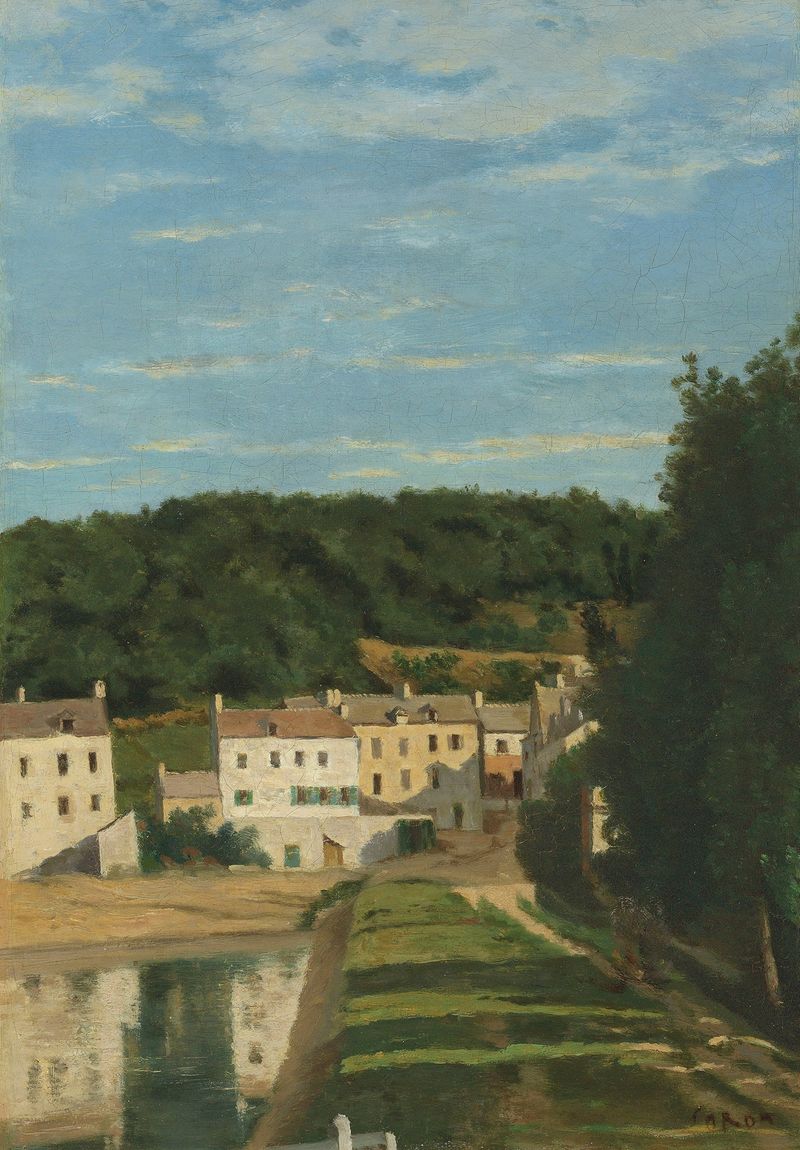
Les Maisons Cabassud À Ville D’avray
Jean-Baptiste-Camille Corot

La solitude. Souvenir de Vigen (Limousin)
Jean-Baptiste-Camille Corot
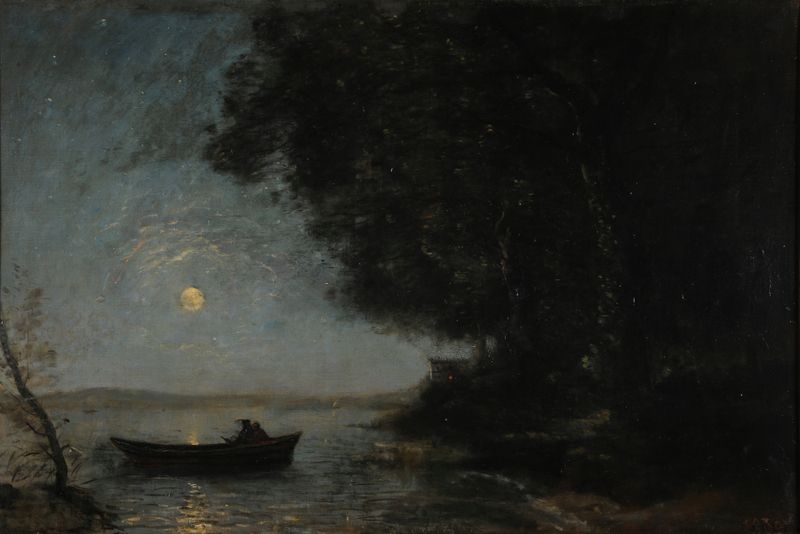
Le lac ; effet de nuit
Jean-Baptiste-Camille Corot
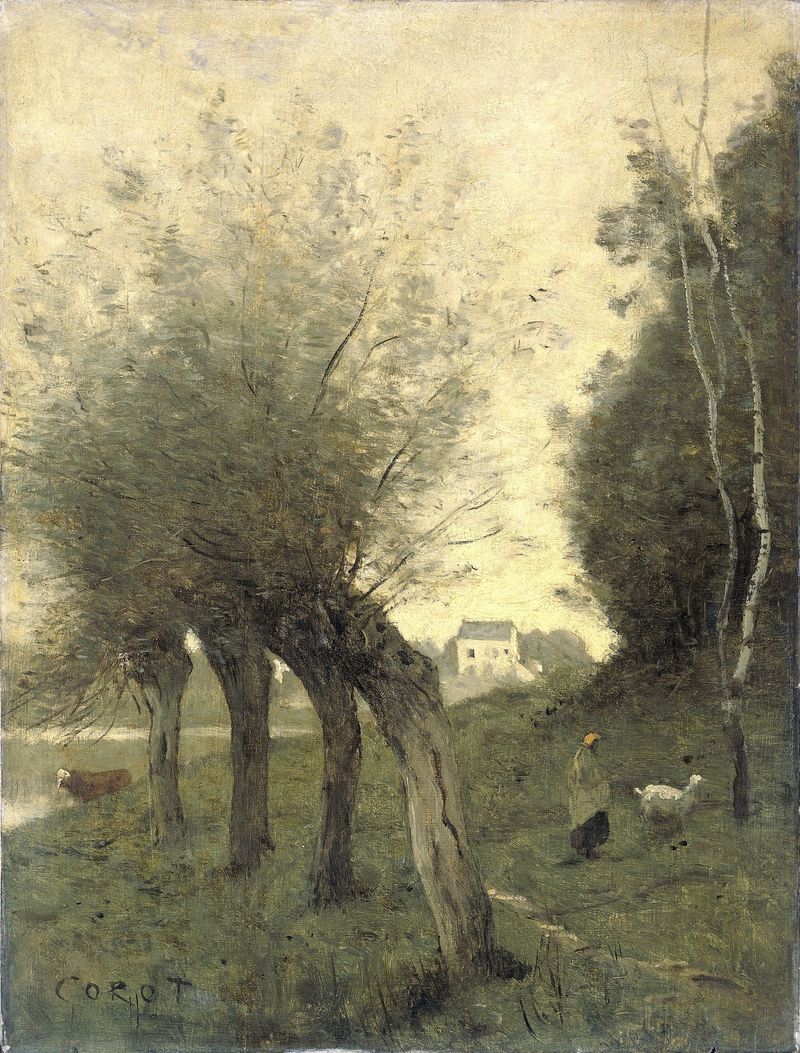
Landscape with Pollard Willows
Jean-Baptiste-Camille Corot
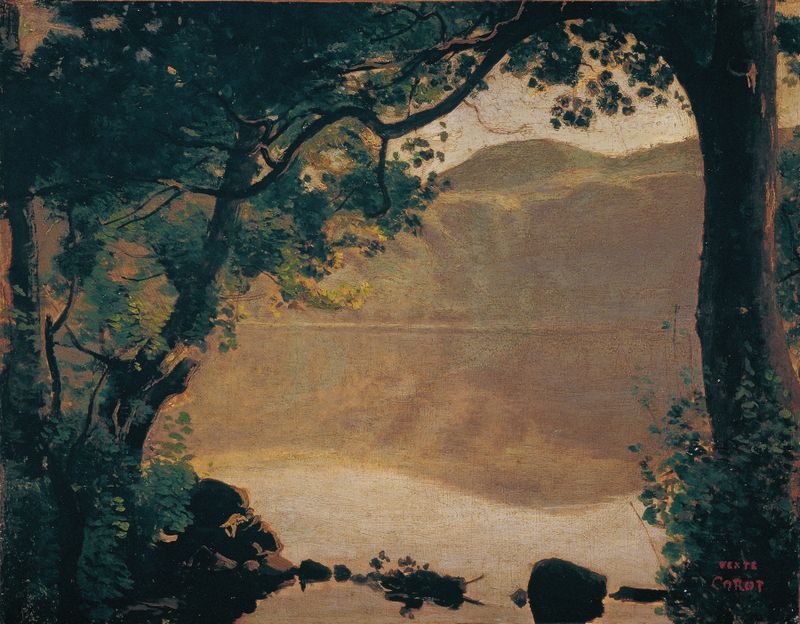
Der Nemisee
Jean-Baptiste-Camille Corot
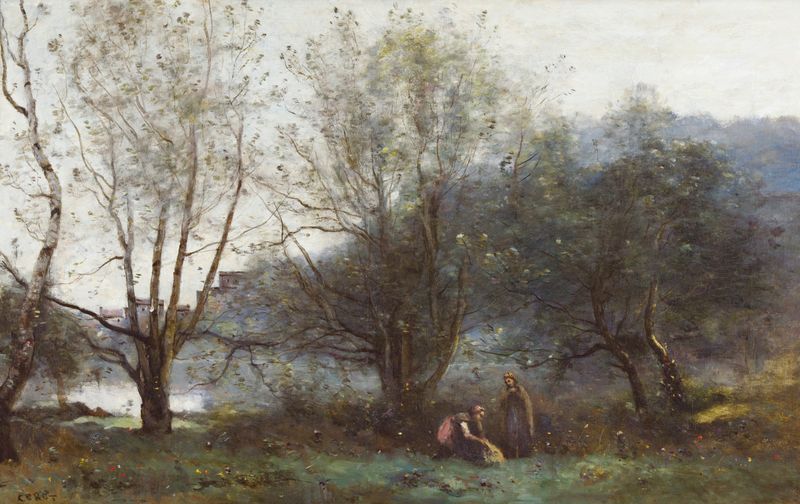
Les Étangs De Ville D’avray
Jean-Baptiste-Camille Corot
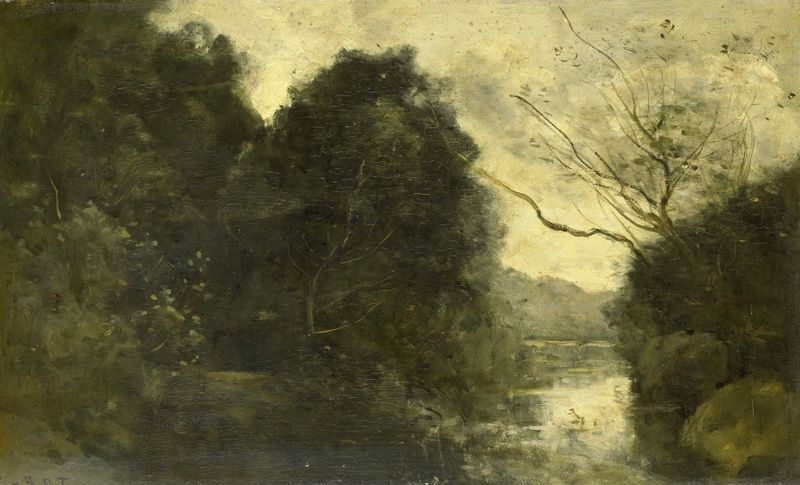
Pond in the Woods
Jean-Baptiste-Camille Corot
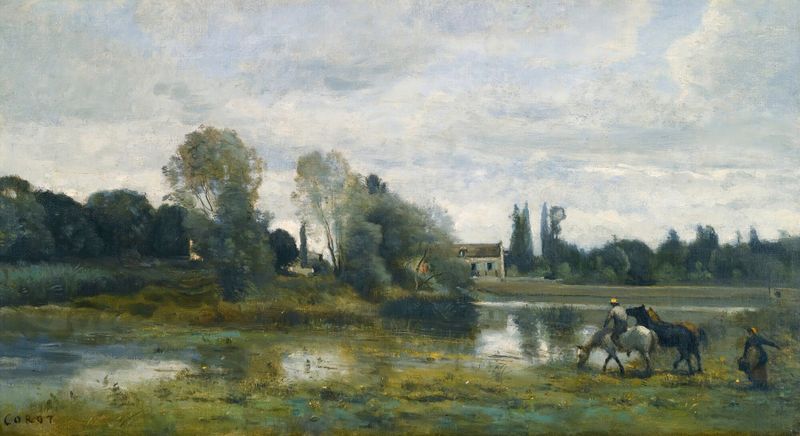
Ville D’avray; L’abreuvoir Des Chevaux
Jean-Baptiste-Camille Corot
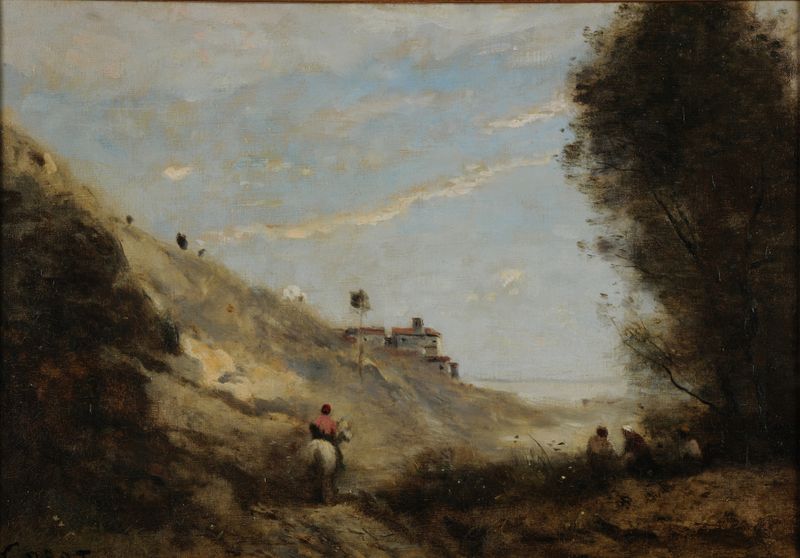
Le vallon au cavalier
Jean-Baptiste-Camille Corot





