
A Fine Day During the Rainy Season — History & Facts
Could a single brushstroke hold eternity? In A Fine Day During the Rainy Season, the delicate interplay of ink and paper evokes a serene world that invites contemplation and tranquility. Look to the left at the gentle curve of the willow branches, their feathery fronds cascading down, framing the scene with an almost protective embrace. The soft gray hues of the sky blend seamlessly into the muted greens and browns of the landscape, where a solitary figure appears, almost weightless, navigating a path through nature. Notice how the subtle gradients of color create a sense of depth, drawing the viewer's eye deeper into this lush, fleeting moment. The painting captures not just the beauty of a rainy season, but also the underlying themes of transience and solitude.
The figure, small against the expansive landscape, suggests introspection, as if contemplating the cycles of life. The gentle rain, rendered nearly invisible by the skillful brushwork, symbolizes renewal and the quiet moments that often go unnoticed yet hold profound significance. Takeuchi Seihō created this piece in 1934, during a time of transition in Japan’s artistic landscape. The artist was deeply influenced by both traditional Japanese aesthetics and modernist movements, striving to harmonize these two worlds.
This painting reflects his mastery in capturing the simplicity of everyday life while also commenting on the beauty and complexity of nature, a hallmark of his enduring legacy.
More Artworks by Takeuchi Seihō
Browse all →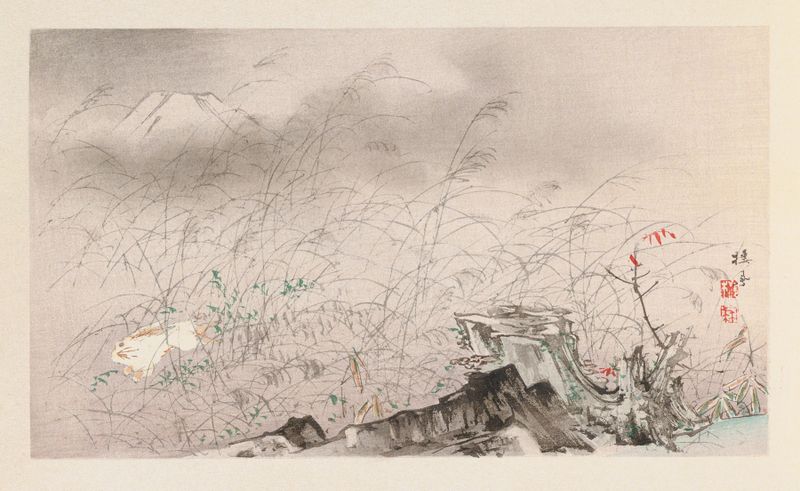
Seihō jūni Fuji, Pl.11
Takeuchi Seihō
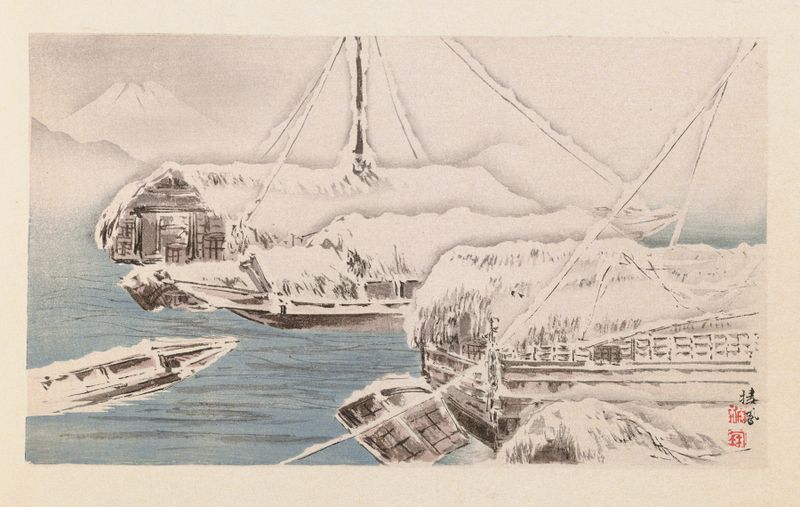
Seihō jūni Fuji, Pl.12
Takeuchi Seihō
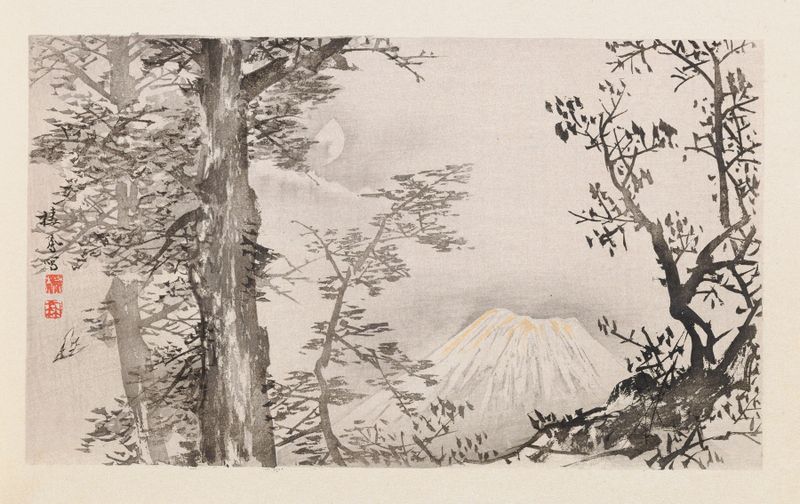
Seihō jūni Fuji, Pl.04
Takeuchi Seihō
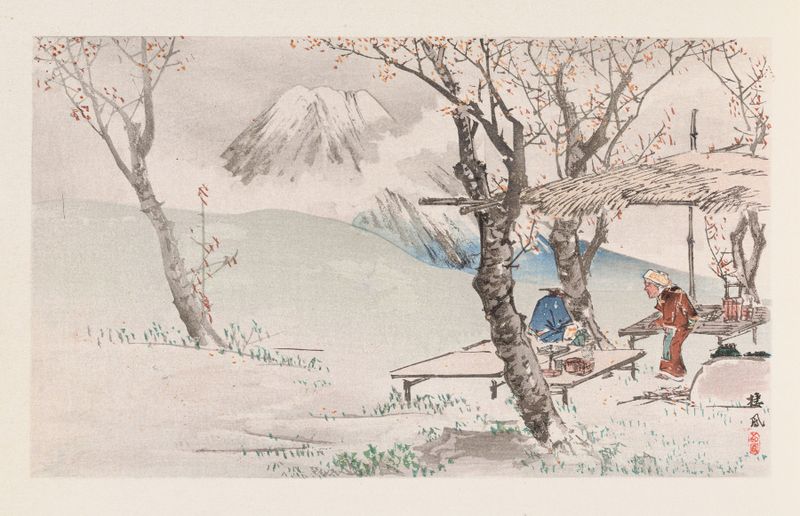
Seihō jūni Fuji, Pl.03
Takeuchi Seihō
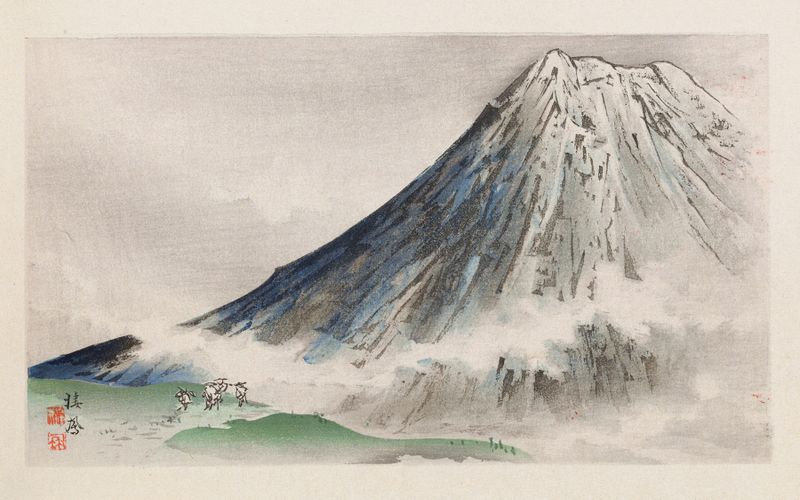
Seihō jūni Fuji, Pl.08
Takeuchi Seihō
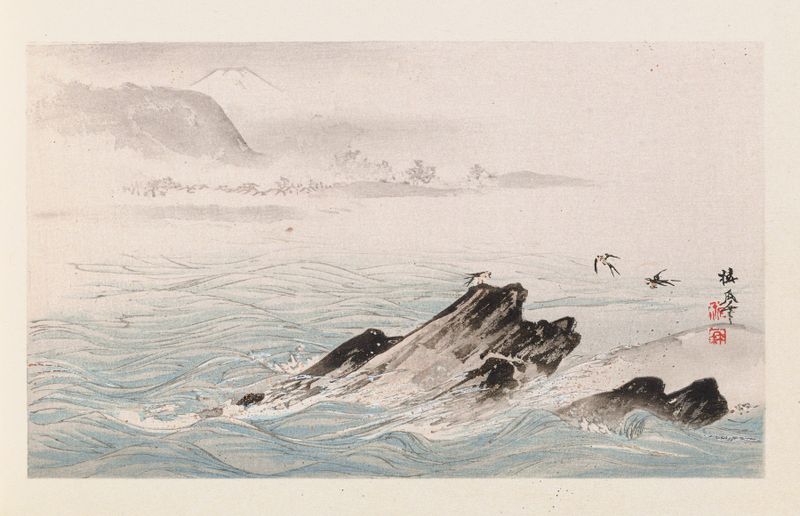
Seihō jūni Fuji, Pl.02
Takeuchi Seihō
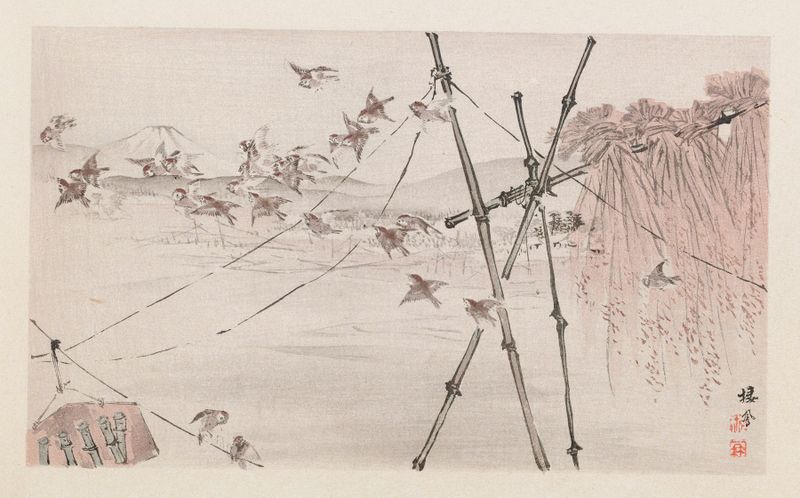
Seihō jūni Fuji, Pl.10
Takeuchi Seihō
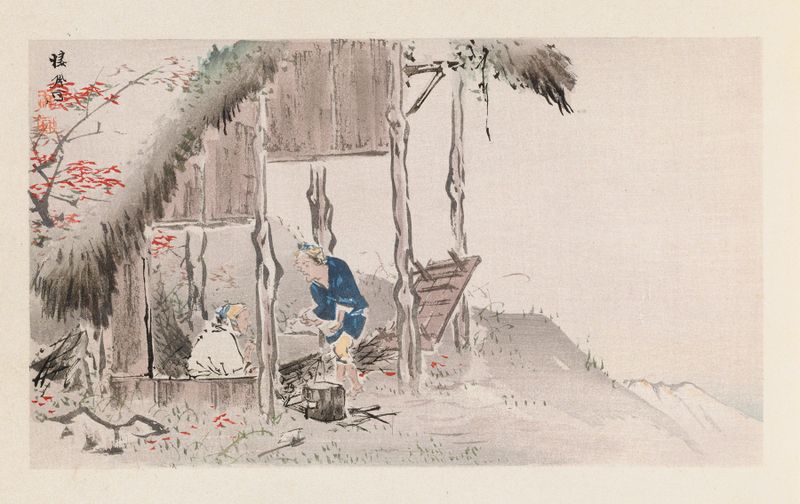
Seihō jūni Fuji, Pl.09
Takeuchi Seihō
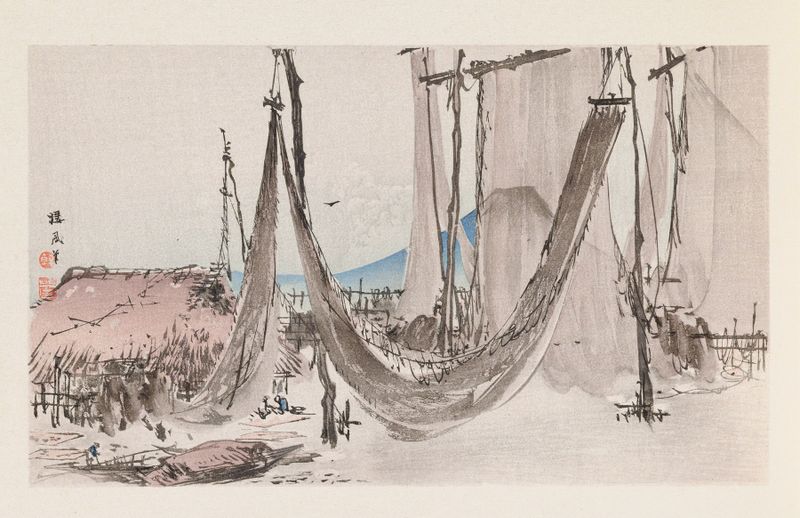
Seihō jūni Fuji, Pl.07
Takeuchi Seihō

Calm Spring in Jiangnan
Takeuchi Seihō





