
A Forest Road with an Altar — History & Facts
Art reveals the soul when the world turns away. In A Forest Road with an Altar, yearning becomes palpable, inviting the viewer to wander through a realm where nature and spirituality intertwine. Look to the left at the gentle curve of the forest path, where the altar stands almost as a silent sentinel. The light dapples through the trees, casting an ethereal glow upon the stones, accentuating their textured surface.
Notice how the verdant greens of the foliage contrast with the soft browns and grays of the road, drawing the eye towards the sacred space at the midpoint. This careful composition creates a sense of tranquility, inviting contemplation amidst the natural world. Beneath the surface, this painting unfolds layers of meaning. The altar, a symbol of faith and connection, sits alone, suggesting the solitude of spiritual seeking.
The forest, both a refuge and an obstacle, embodies the complexities of the human experience — a journey filled with longing, introspection, and sometimes, despair. Each tree appears to lean in, listening to secrets whispered through the leaves, as if guarding the profound mysteries of existence. Created in 1830, this work reflects Thomas Fearnley’s exploration of romantic landscapes during a time when Norway was undergoing cultural change. The artist, influenced by the burgeoning Romantic movement, sought to merge nature with deeper human emotions.
Amidst the backdrop of personal and national transformations, he captured a moment where the natural world offers solace and an invitation to reflect on the spiritual journey.
More Artworks by Thomas Fearnley
Browse all →
Norwegian Landscape, Marumfoss
Thomas Fearnley

View of the Oslofjord
Thomas Fearnley

Gudvangen
Thomas Fearnley

Stormy Landscape with a Rider
Thomas Fearnley
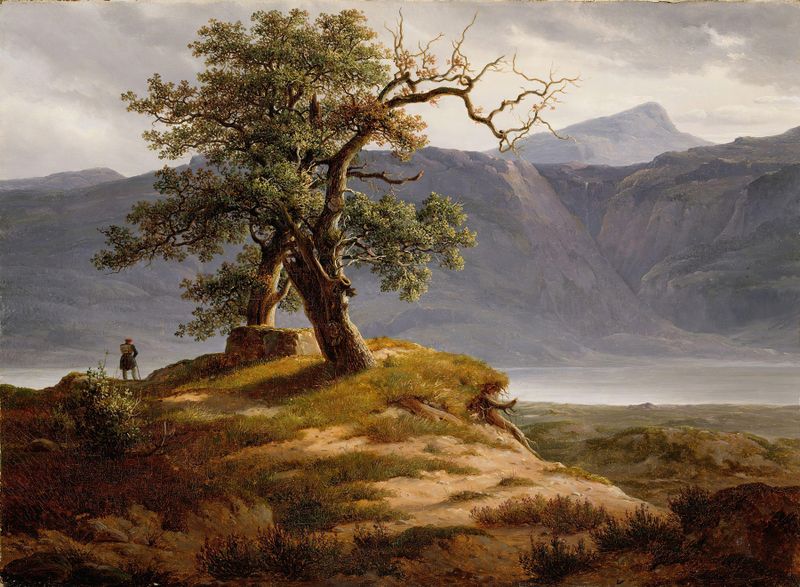
Landscape with a Wanderer
Thomas Fearnley
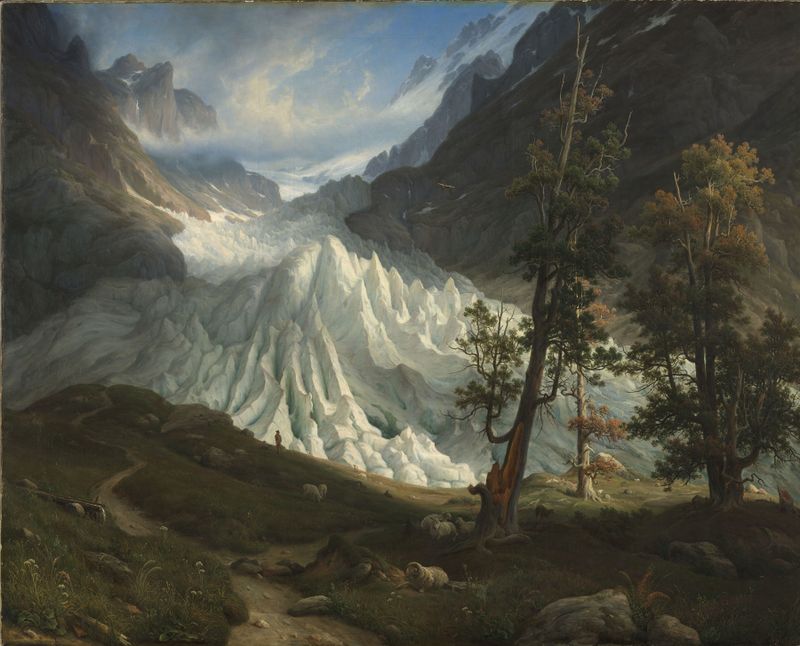
The Grindelwaldgletscher
Thomas Fearnley

Clouds over the Fjord
Thomas Fearnley
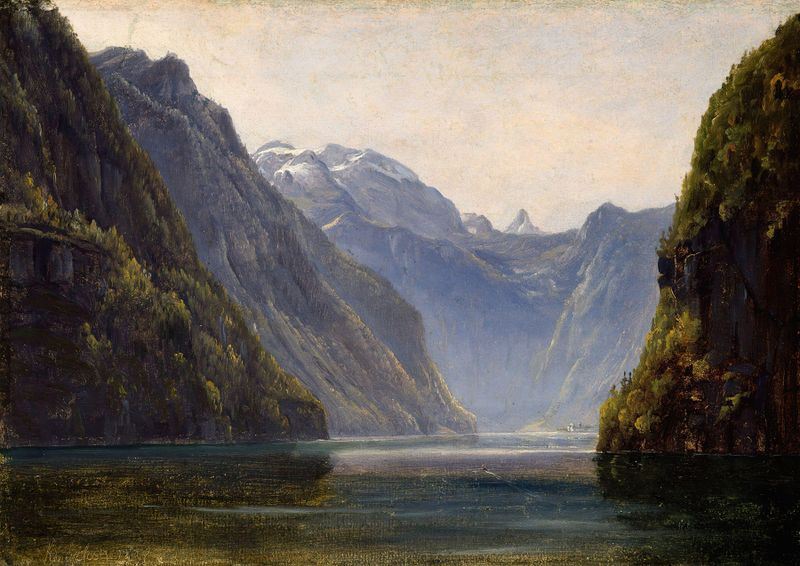
From Königssee
Thomas Fearnley

The Bridge of Hauge outside Arendal
Thomas Fearnley

King Vilhelm II’s ceremonial Processsion in Amsterdam in 1840
Thomas Fearnley





