
A French Country Lane — History & Facts
Where does light end, and longing begin? In the embrace of Julian Alden Weir’s A French Country Lane, the shimmering interplay of sunlight and shadow beckons the viewer into a realm where the mundane transforms into ecstasy. Look to the left at the vibrant green foliage that frames the lane, where dappled sunlight filters through the leaves, creating a mesmerizing dance of light on the ground. The path, rendered in soft, earthy tones, draws the eye inward, inviting exploration of the idyllic scene. Notice how the gentle brushstrokes convey a sense of movement and tranquility, while the subtle shifts in color evoke the warmth of a late afternoon, infusing the landscape with a soothing atmosphere. In the foreground, a solitary figure walks along the lane, embodying both solitude and serenity.
The contrast between the lush greenery and the muted tones of the path highlights a journey of introspection, where each step taken resonates with a deeper sense of yearning. This tension between the vibrant life surrounding the walker and their quiet presence invites contemplation about connection to nature and the fleeting nature of each moment. Painted in 1897, Weir created this work during a time of artistic exploration in America as part of the Impressionist movement. He was deeply inspired by the beauty of the French countryside, reflecting a broader romantic fascination with rural landscapes.
This piece captures not only the essence of his personal journey but also the emerging expression of a new aesthetic in art—one that celebrated the transient beauty of everyday life.
More Artworks by Julian Alden Weir
Browse all →
My Back Yard no. 1
Julian Alden Weir
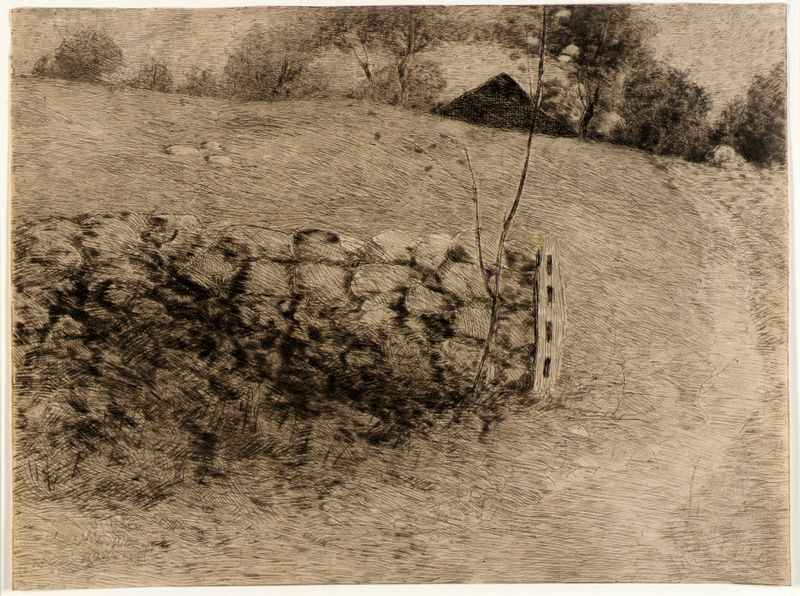
The Barn Lot
Julian Alden Weir

The Webb Farm
Julian Alden Weir
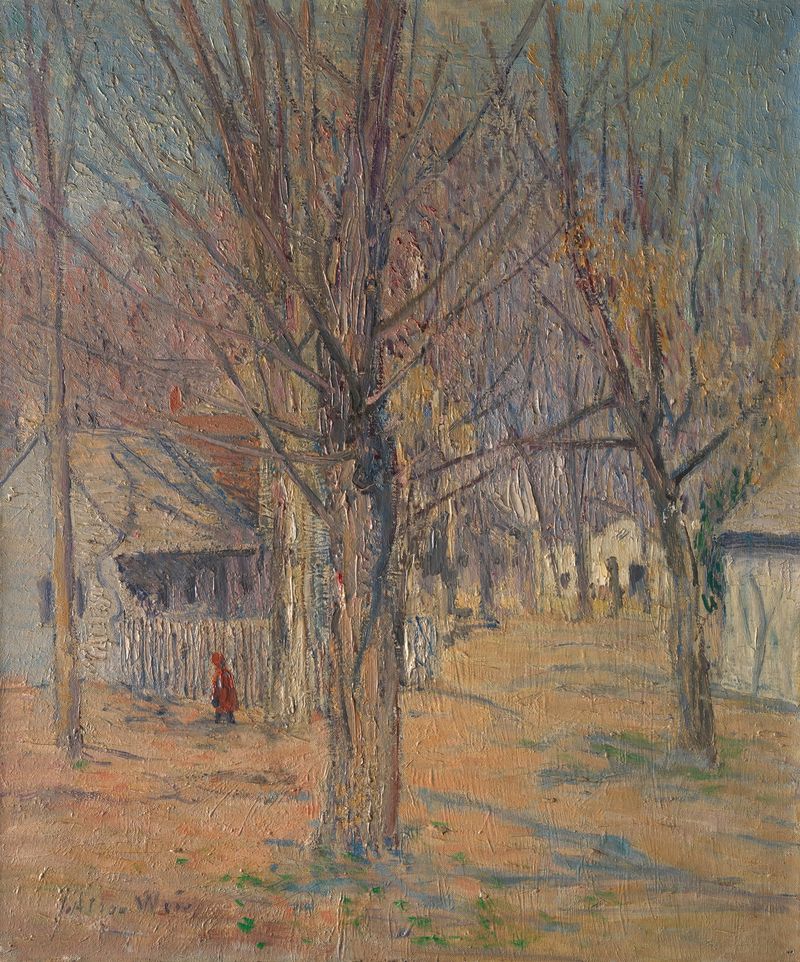
Connecticut Village (Going to School)
Julian Alden Weir

The Stone Bridge
Julian Alden Weir

The Webb Farm 2
Julian Alden Weir
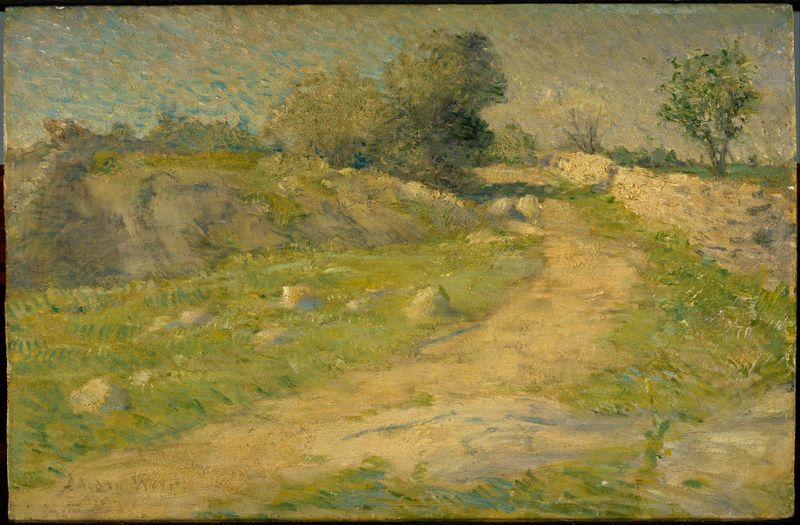
The Lane
Julian Alden Weir
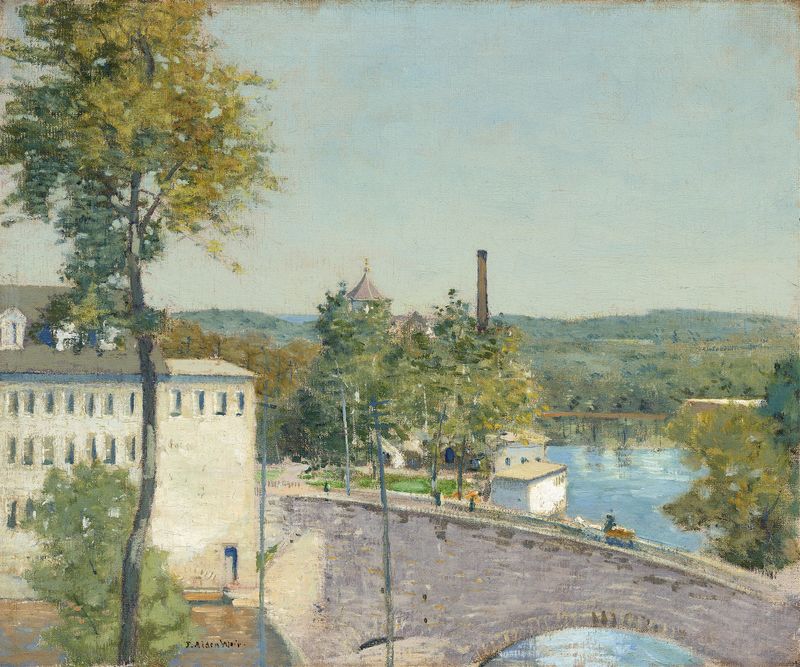
U.S. Thread Company Mills,Willimantic,Connecticut
Julian Alden Weir

Neighboring Farm
Julian Alden Weir

Coon Alley
Julian Alden Weir





