
A Full Wagon — History & Facts
The weight of loneliness often lingers beneath the surface of life’s vibrant moments. Look to the center, where a wagon, brimming with golden wheat, captures immediate attention. Its rich yellow tones contrast starkly against the muted greens and browns of the surrounding landscape, embodying an abundance that simultaneously hints at absence. Notice how the wagon’s wheels, half-buried in the earth, suggest a stillness—a moment frozen in time, echoing a sense of isolation amidst prosperity.
The brushwork is meticulous, each stroke breathing life into the grains, while the sky overhead, painted in soft, somber blues, looms like a heavy shroud, enhancing the emotional gravity of the scene. In this work, the juxtaposition of abundance and solitude emerges powerfully. The overflowing wagon symbolizes potential and harvest, yet its solitary position in a vast field evokes a haunting feeling of neglect and separation. Furthermore, the absence of figures underscores the theme of loneliness; the viewer is left to ponder who might have been here before, or who is yet to come, reinforcing the transient nature of human connection against the backdrop of the eternal landscape. In 1867, Bellows created this poignant piece during a period marked by rapid change in American society, grappling with the aftermath of the Civil War and the shifting dynamics of rural life.
As he painted in Massachusetts, the nation was undergoing profound transformation; the imagery of harvest and solitude reflected both personal and collective experiences of loss. This artwork captures a moment in time when the beauty of nature coexisted with the stark realities of human emotion.
More Artworks by Albert Fitch Bellows
Browse all →
Landscape with Pond, Barn and Figures
Albert Fitch Bellows
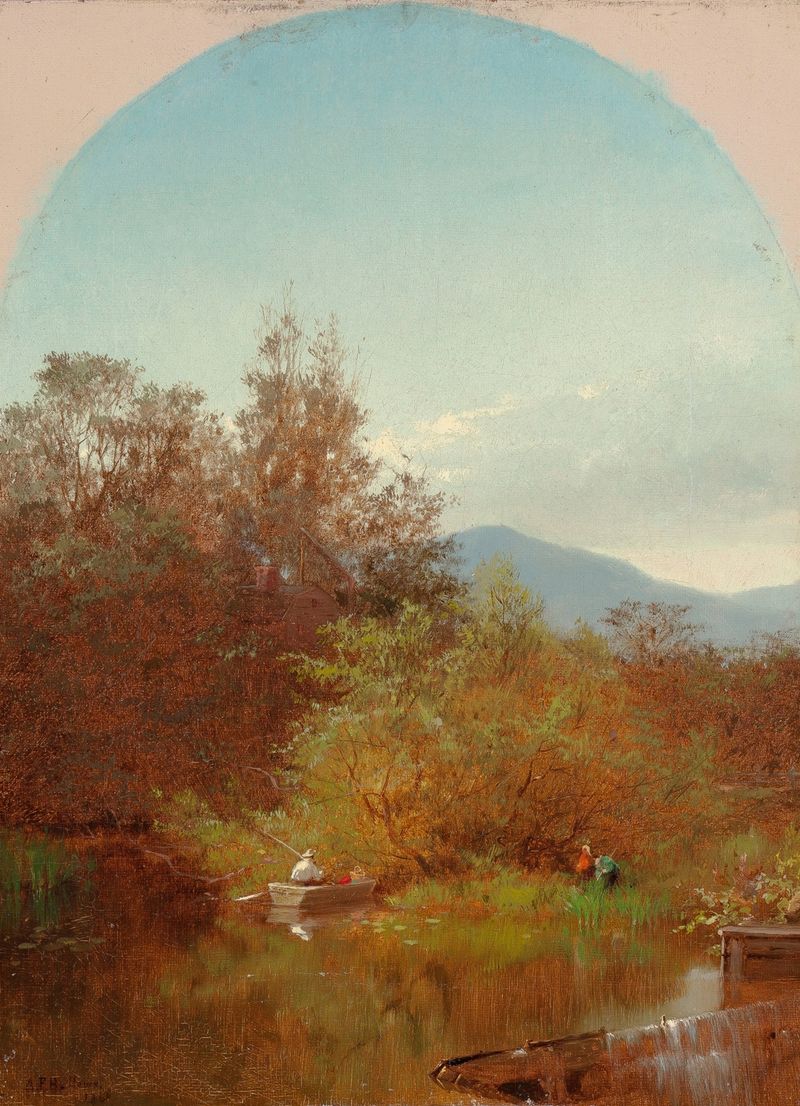
Lake Scene with Fisherman
Albert Fitch Bellows

Park in Stratford, Conn
Albert Fitch Bellows
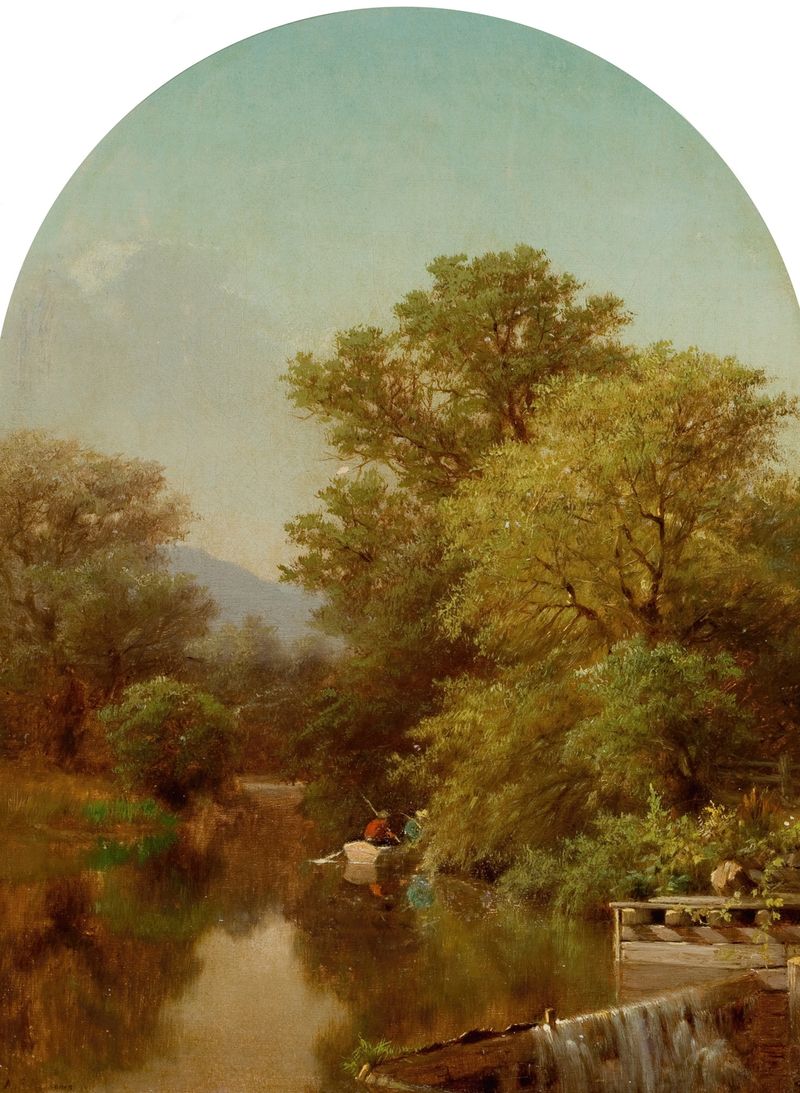
River Landscape
Albert Fitch Bellows
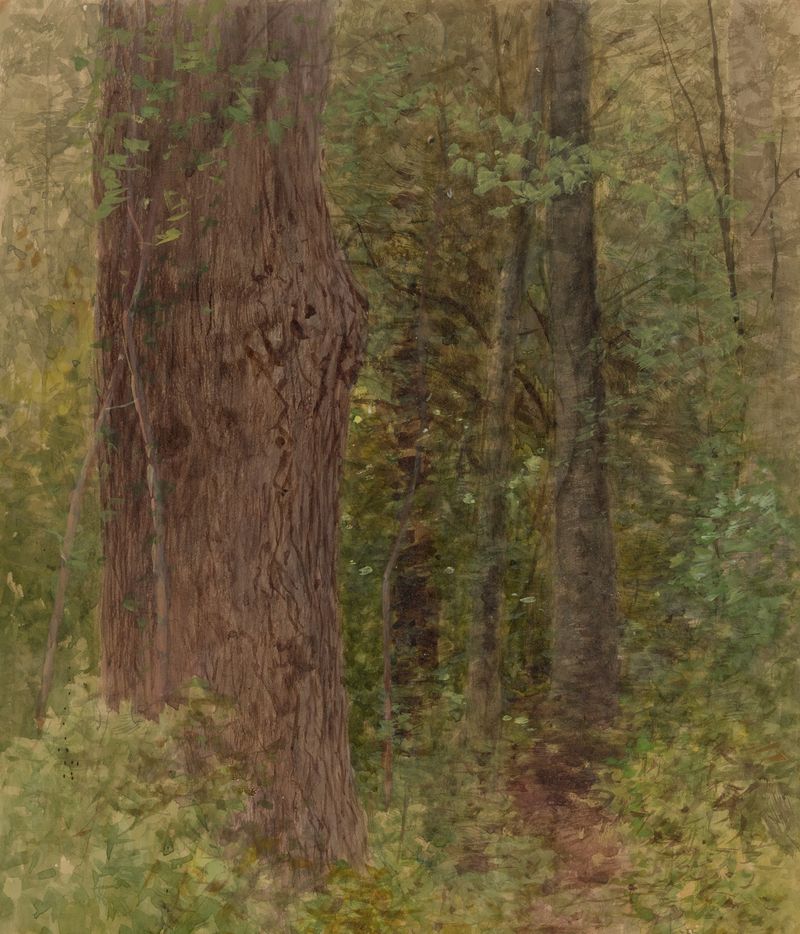
Close-up of trees in forest
Albert Fitch Bellows
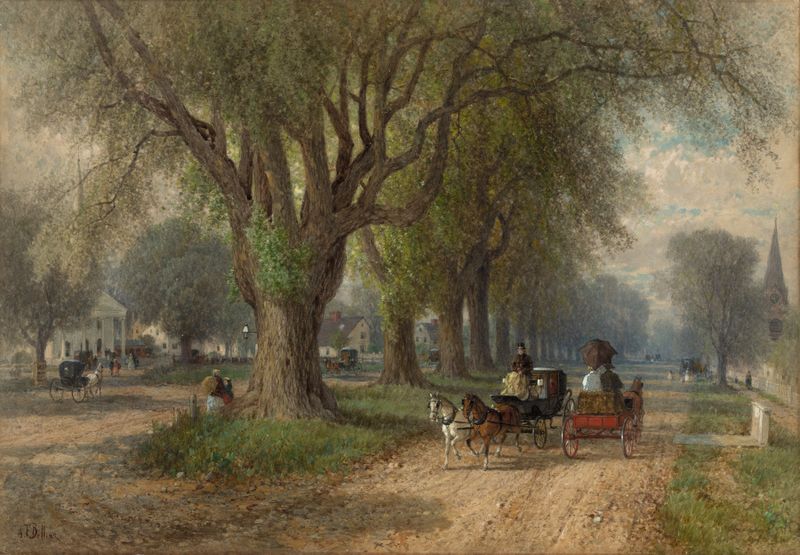
Sunday in New England
Albert Fitch Bellows

Flowers in field
Albert Fitch Bellows





