Park in Stratford, Conn — History & Facts
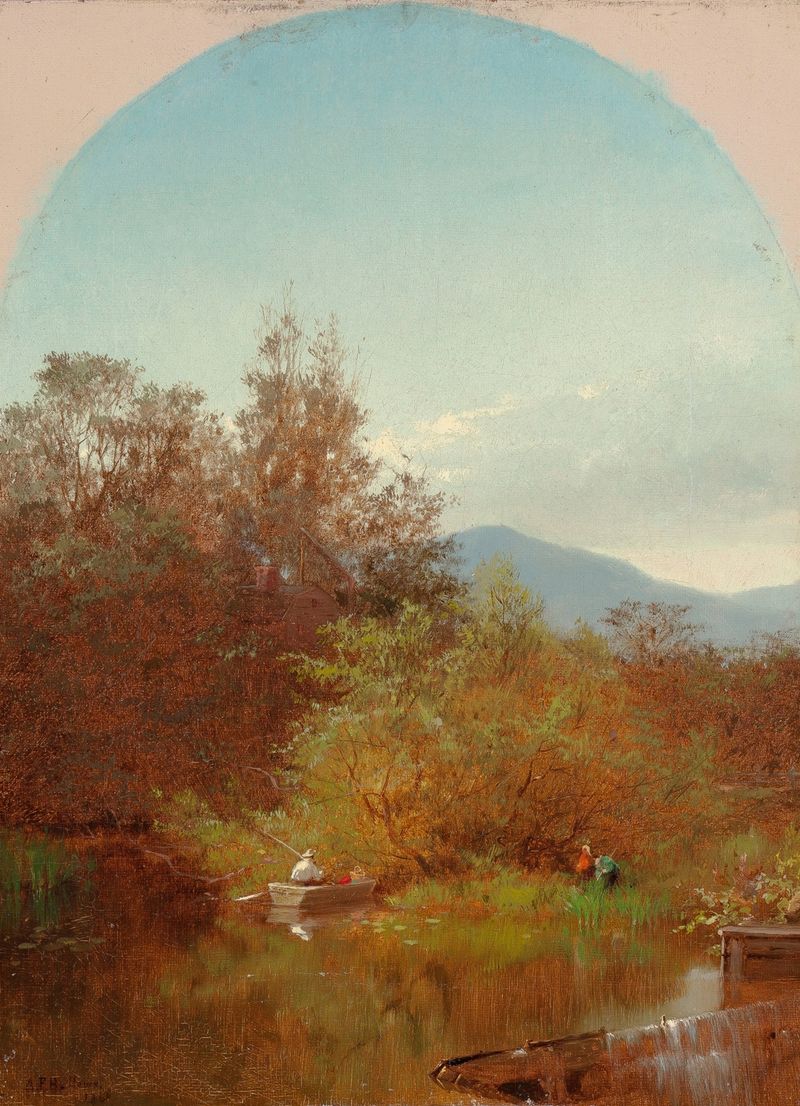
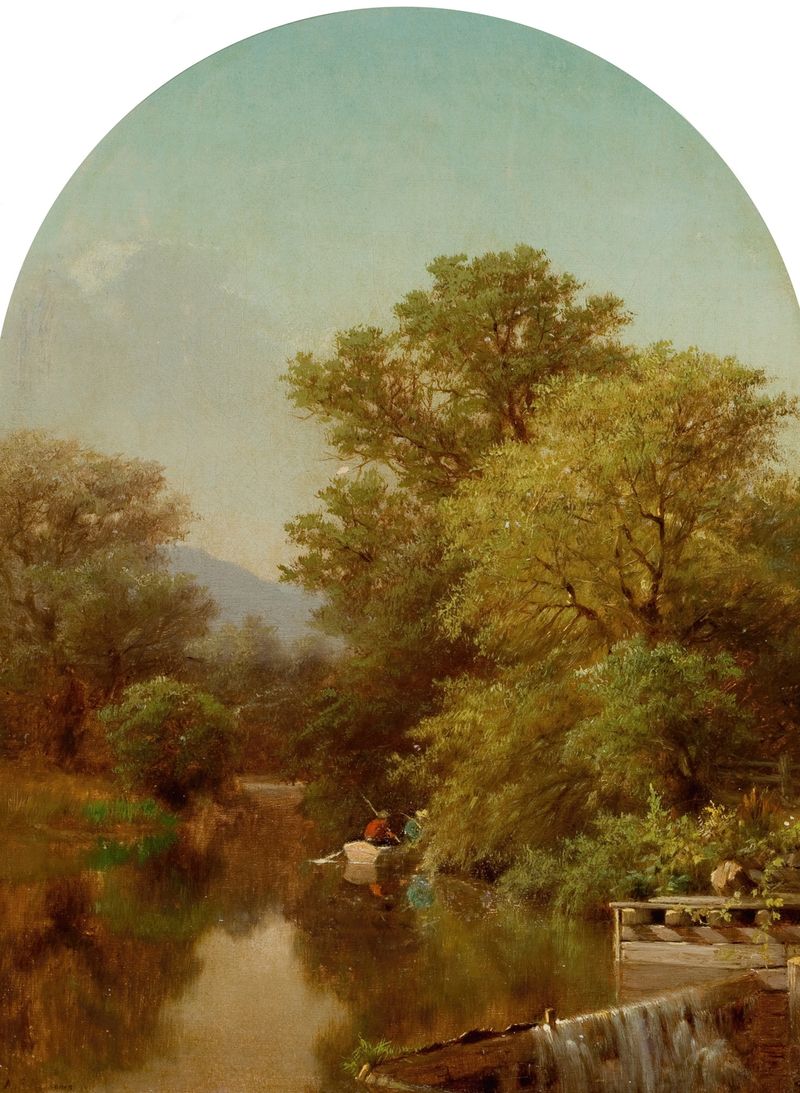
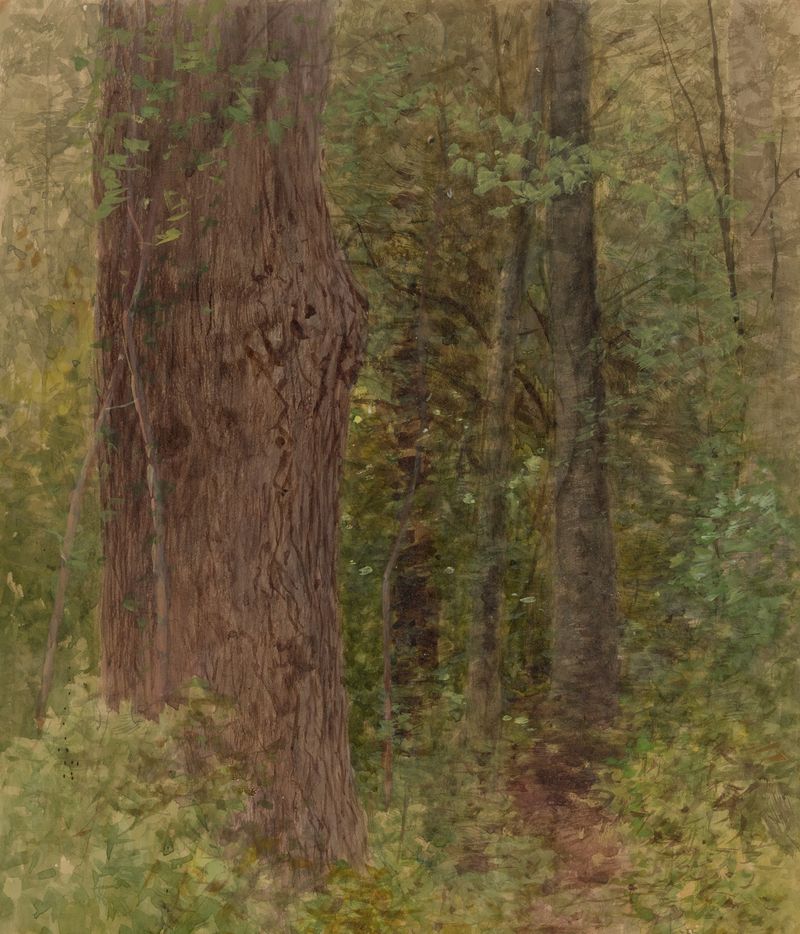
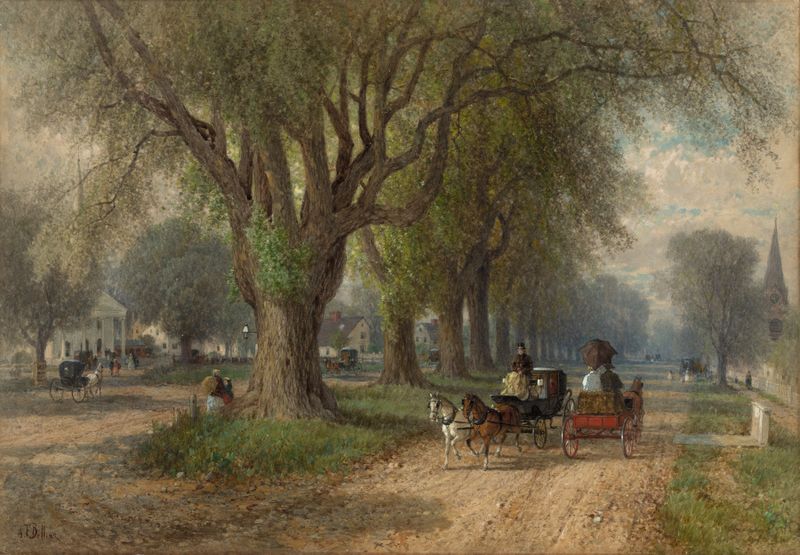
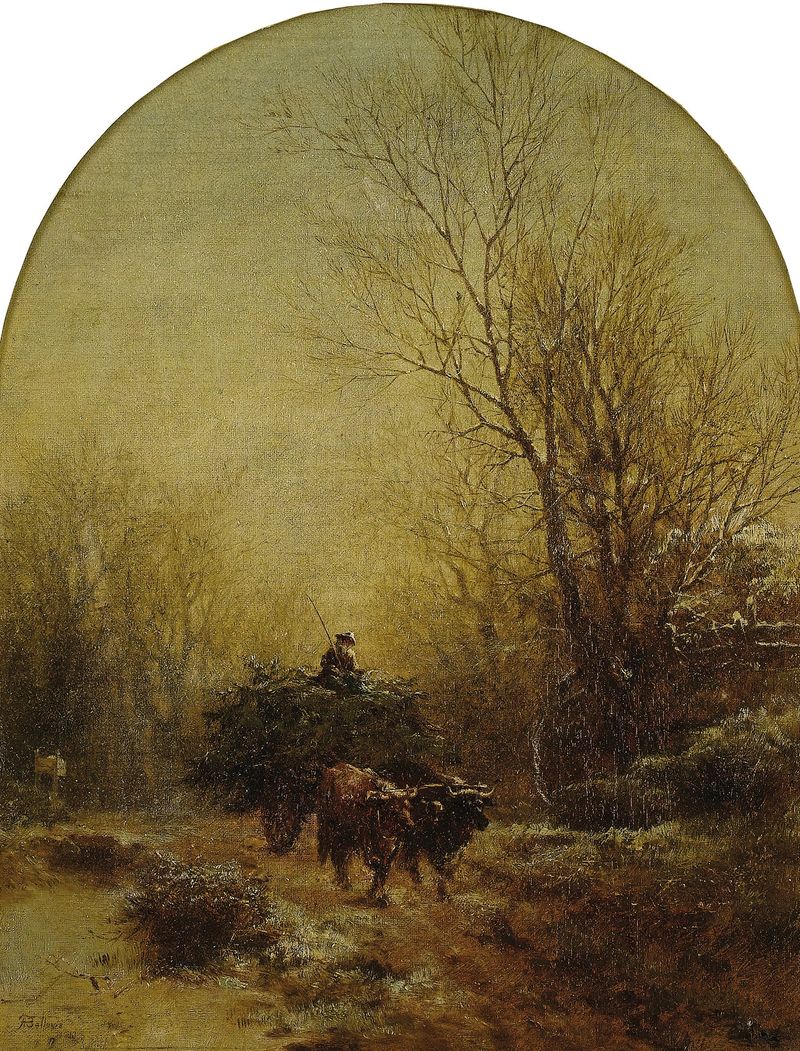
The canvas doesn’t lie — it simply waits. In a world often blinded by the rush of daily life, art invites us to pause and find beauty in simplicity. Focus on the lush greenery that dominates the canvas, where vibrant hues of emerald and jade beckon the eye. To the left, a path meanders through the trees, dappled sunlight filtering through leaves, casting playful shadows on the ground.
The soft brushstrokes create a serene atmosphere, while the gentle curves of the landscape evoke a sense of calm and invitation. Hidden within this tranquil setting are whispers of a deeper narrative. The interplay of light and shadow suggests the passage of time, hinting at fleeting moments of joy often overlooked. The solitary figure, positioned quietly along the path, embodies solitude, raising questions about connection and isolation in the beauty of nature.
This contrast between vibrant life and stillness invites viewers to reflect on their own experiences within the natural world. Created in a time when American art was beginning to embrace Impressionism, the artist painted this piece during a period of experimentation and discovery. Active in the late 19th century, he was influenced by the changing perceptions of landscape, integrating both realism and impressionist techniques. Despite the uncertainties of the art world, this work stands as a testament to his unique vision, capturing the essence of nature while resonating with a universal longing for tranquility.