Close-up of trees in forest — History & Facts
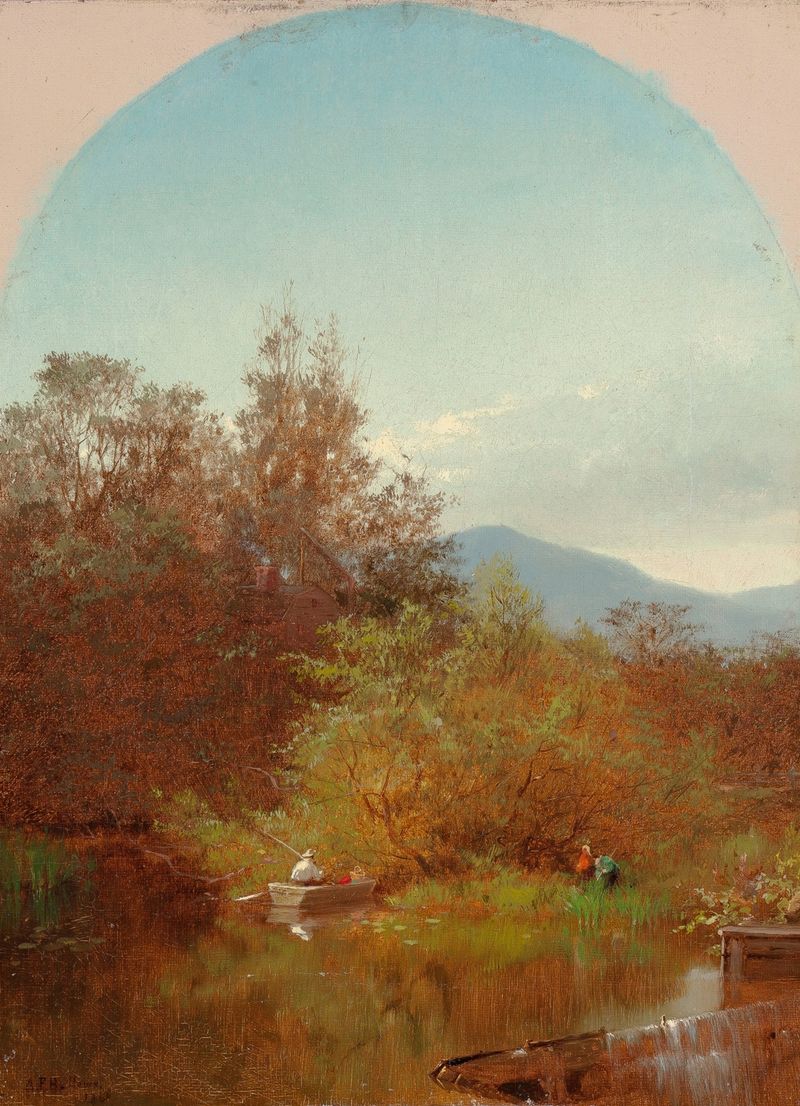
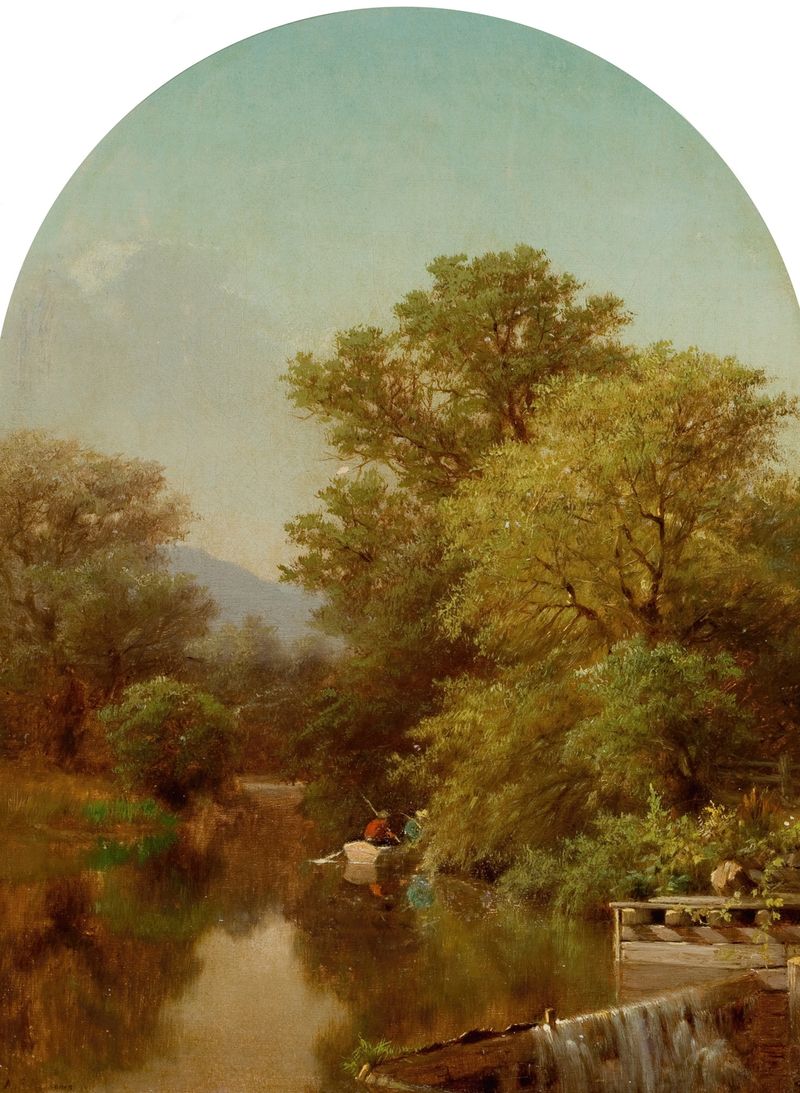
In the quiet intimacy of nature, revelation can emerge from something as simple as a close-up of trees. Here, the forest becomes a living tapestry, inviting us to dive deeper into its intricate beauty. Look to the center of the canvas, where a cluster of vibrant leaves catches the light, their rich greens contrasting against the deep browns of the bark. Notice how the brushstrokes vary, delicate on the foliage and more textured on the rough trunks, suggesting a symbiosis between the soft and the strong.
Layers of paint build depth, creating a lushness that envelops the viewer, making the trees feel almost tangible. Bellows captures the essence of life flourishing in stillness, urging us to explore even the smallest details. As you peer closer, consider the interplay of light and shadow; it reveals not just the physical structure of the trees but also the emotional weight they carry. Each leaf seems to whisper secrets, while the sturdy trunks stand as guardians of timeless stories.
The composition speaks of resilience, showcasing nature’s strength amid fleeting moments. This visual dialogue between the seen and unseen invites contemplation—what do these familiar forms reveal about our own lives and memories? During the time Albert Fitch Bellows created this work, his career was in full bloom, primarily in the mid-19th century in America. The art world was shifting with a burgeoning interest in realism and the natural landscape, where artists sought to reflect the beauty and complexity of the world around them.
Bellows, a dedicated observer of nature, channeled this movement, allowing every brushstroke to resonate with the pulse of the forest.