A Garden in September — History & Facts
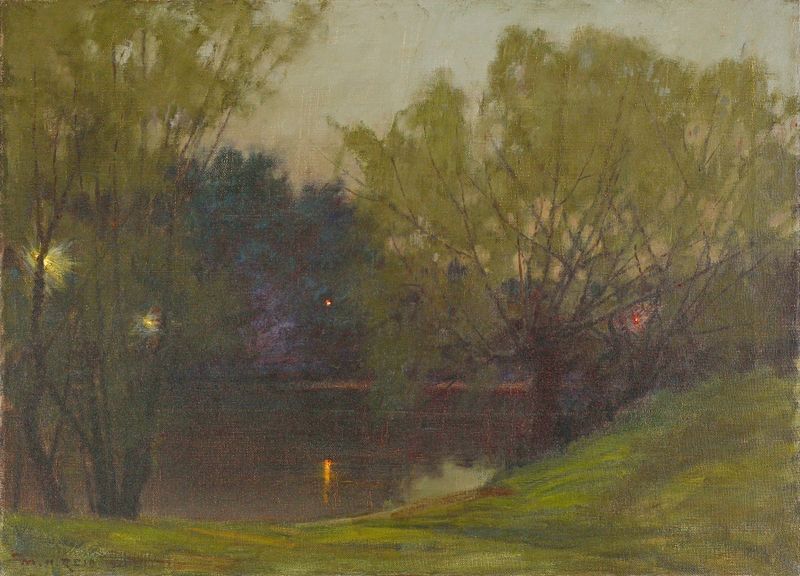
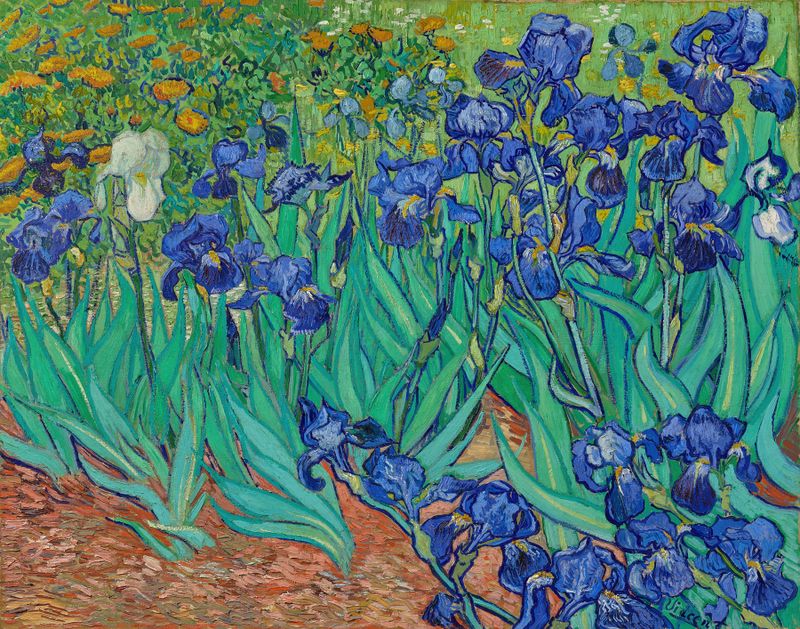
Golden rays filter through the tangle of leaves, casting dappled light on a canvas of blooms. A gentle breeze stirs the petals, sending whispers of fragrance into the crisp September air. In the center, a figure leans over, immersed in the garden’s vibrant offerings, lost in a moment between summer's farewell and autumn’s embrace. Look to the left, where vibrant marigolds dance against the cool greens of foliage.
The artist’s deft brushstrokes create a tactile sensation, inviting you to reach out and touch the velvety petals. Notice how the light falls upon the figure, illuminating her profile while bathing the scene in a warm glow that hints at both comfort and nostalgia. The palette is alive with oranges, yellows, and deep greens, inviting viewers to linger in the beauty of the fleeting season. Yet, it is the quiet presence of yearning that wraps around the scene like a delicate vine.
The figure, both a part of the garden and separate from it, suggests a longing for connection—perhaps with nature, with time itself, or even with a lost summer. The contrast between the vibrant blooms and the figure’s contemplative pose speaks to the bittersweet nature of change, a reminder that all beauty must eventually fade. Mary Hiester Reid painted A Garden in September during a crucial decade in her career, between 1889 and 1899, as she refined her unique style amid the American Impressionist movement. Living in Pennsylvania, she was immersed in an era where women artists were beginning to gain recognition.
Amidst this evolving landscape, she brought her personal vision to life, challenging both aesthetic norms and societal expectations, while celebrating the intimate relationship between humanity and the natural world.