
A House in Turkey — History & Facts
Did the painter know this moment would outlive them? In A House in Turkey, serenity hangs in the air, inviting the viewer to pause and reflect. Look to the left at the gentle curves of the whitewashed house, its façade cradled by a lush backdrop of greenery. The warm hues of the sun-kissed landscape contrast with the cool shadows that cradle the structure, creating a harmonious interplay that draws the eye inward. Notice how the artist’s brushstrokes evoke a texture that breathes life into the foliage, allowing the viewer to almost feel the delicate rustle of leaves in the soft breeze. The painting speaks to the dichotomy of man and nature, presenting a tranquil moment tinged with the awareness of time's passage.
The house stands as a symbol of stability, yet the surrounding wilderness suggests a world ever-changing and alive. The contrast between the solid architectural form and the fluidity of the natural elements hints at the fragile balance of life, capturing an emotional tension that resonates deeply with the viewer. During the years between 1820 and 1860, Decamps painted A House in Turkey while exploring the themes of Orientalism, a movement that captivated European artists. At the time, he was influenced by his travels and the romantic allure of the East, striving to depict not just landscapes but the essence of cultural moments.
This era in art history was marked by a fascination with the exotic, as well as a desire for greater emotional depth in representation.
More Artworks by Alexandre-Gabriel Decamps
Browse all →
The Good Samaritan
Alexandre-Gabriel Decamps
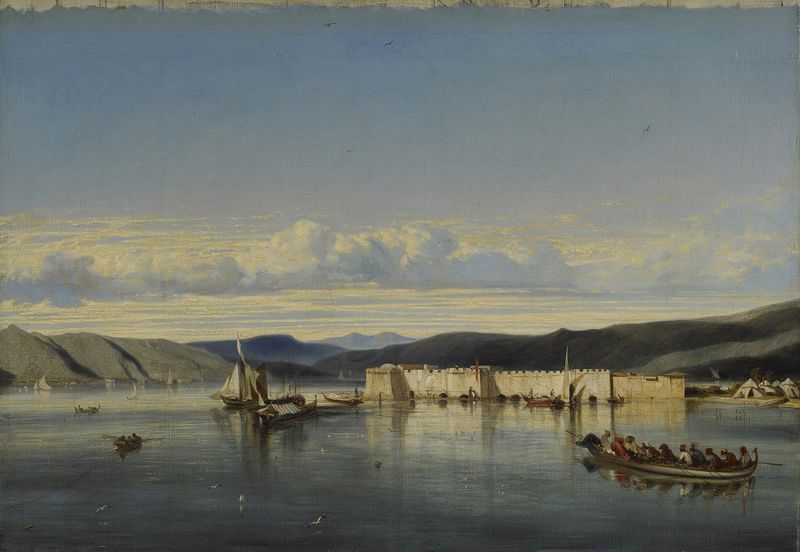
The Anchorage of Smyrna
Alexandre-Gabriel Decamps

Souvenir de Turquie d’Asie (Environs de Smyrne)
Alexandre-Gabriel Decamps
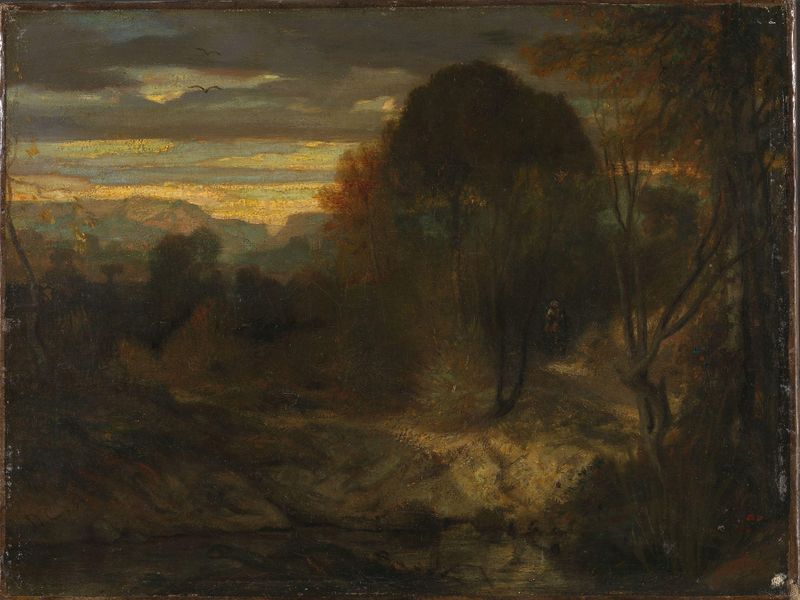
Evening landscape
Alexandre-Gabriel Decamps
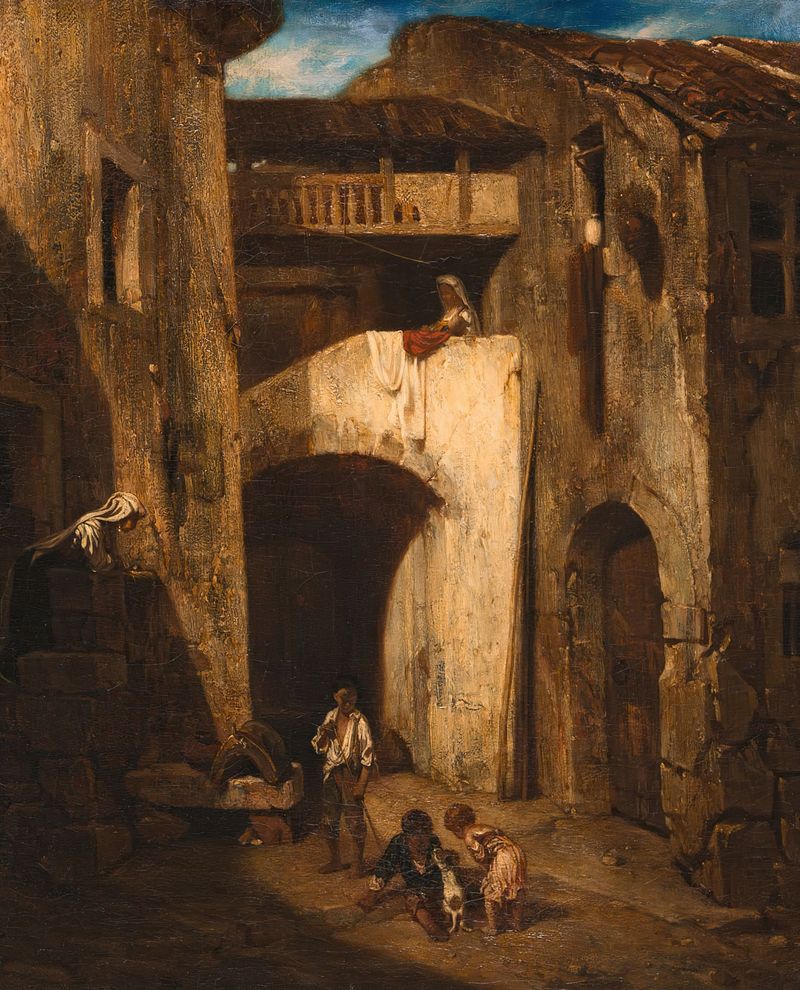
Italian Courtyard
Alexandre-Gabriel Decamps
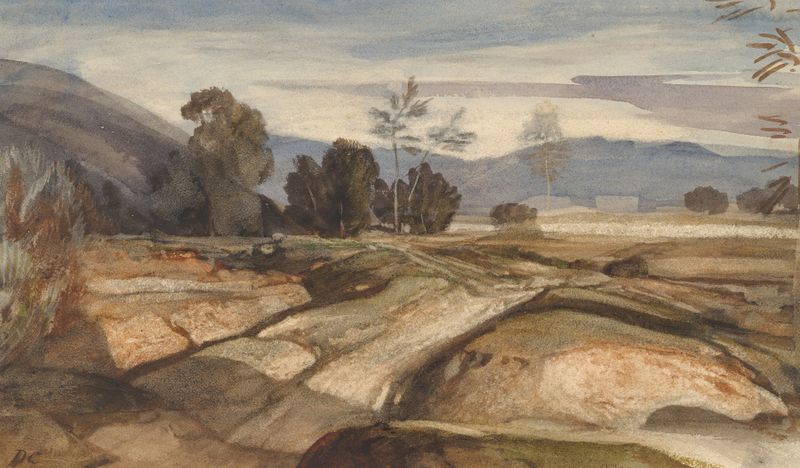
Landscape
Alexandre-Gabriel Decamps

A Well in the East
Alexandre-Gabriel Decamps
Landscape with the Good Samaritan
Alexandre-Gabriel Decamps
The Roman Campagna
Alexandre-Gabriel Decamps

The Villa Doria Pamphilj, Rome
Alexandre-Gabriel Decamps





