
A Lady-in-Waiting of the Bunsei Period (1818-1830) — History & Facts
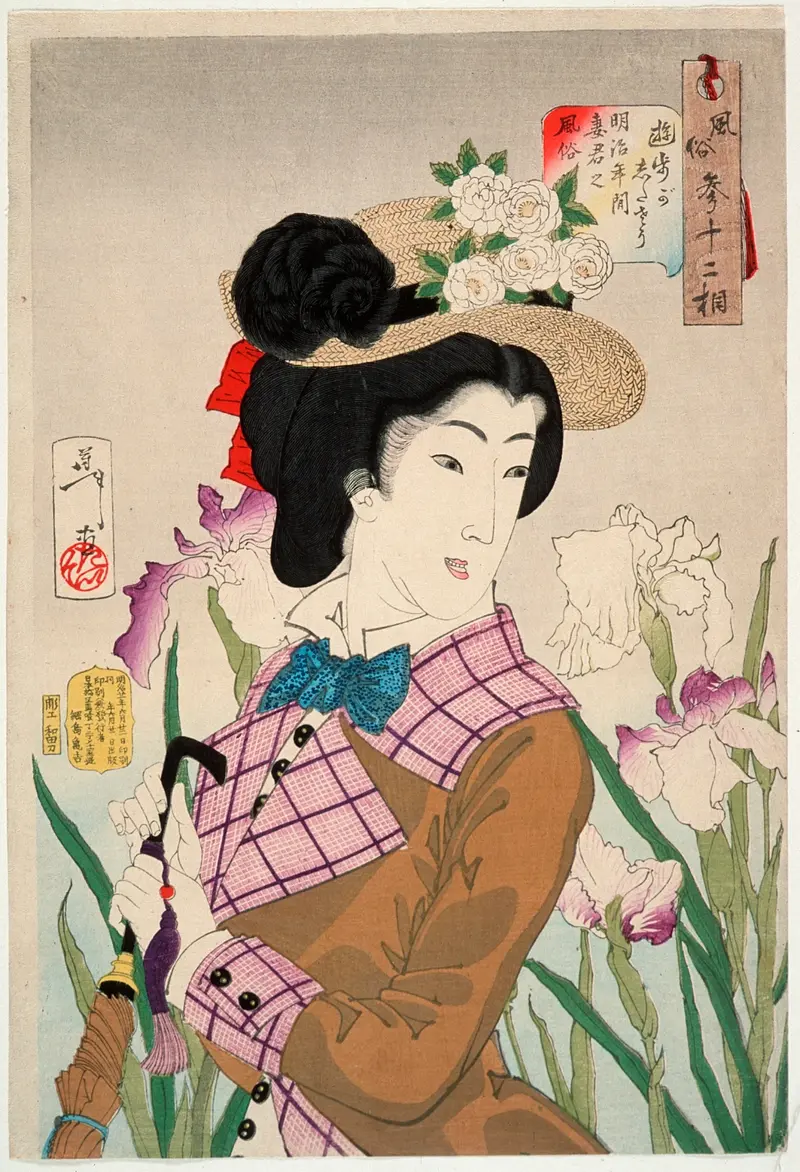
In A Lady-in-Waiting of the Bunsei Period, the viewer is greeted by a striking portrayal of a woman dressed in traditional Japanese attire. The colors are rich and vibrant, with deep reds, greens, and golds that highlight her elegance. She stands against a subtle background, which enhances her presence without detracting from her detailed clothing.
The intricate patterns on her kimono reflect the artistry of the period, showcasing both beauty and cultural significance. This artwork is a woodblock print, a popular medium during the Edo period in Japan. The technique allows for fine details and vibrant colors, which are evident in the delicate features of the lady-in-waiting. The print captures the textures of her clothing and the softness of her skin, demonstrating Yoshitoshi's skill in portraying realism within the Ukiyo-e style.
The dimensions are approximately 25 x 35 cm, making it a relatively small yet intimate piece. Tsukioka Yoshitoshi was a prominent figure in the Ukiyo-e movement, known for his innovative approach to traditional woodblock printing. A Lady-in-Waiting of the Bunsei Period reflects his ability to blend historical themes with contemporary aesthetics. An interesting fact about this work is that it was created during a time of transition in Japan, as the country was moving towards modernization while still holding onto its rich cultural heritage.
Yoshitoshi's portraits often highlight the lives of women, providing a glimpse into their roles and status in society.
More Artworks by Tsukioka Yoshitoshi

Frost fills the air and the autumn air is still/lines of returning geese cross the moon in the third hour-Kenshin, from the series Twelve Aspects of the Moon
Tsukioka Yoshitoshi
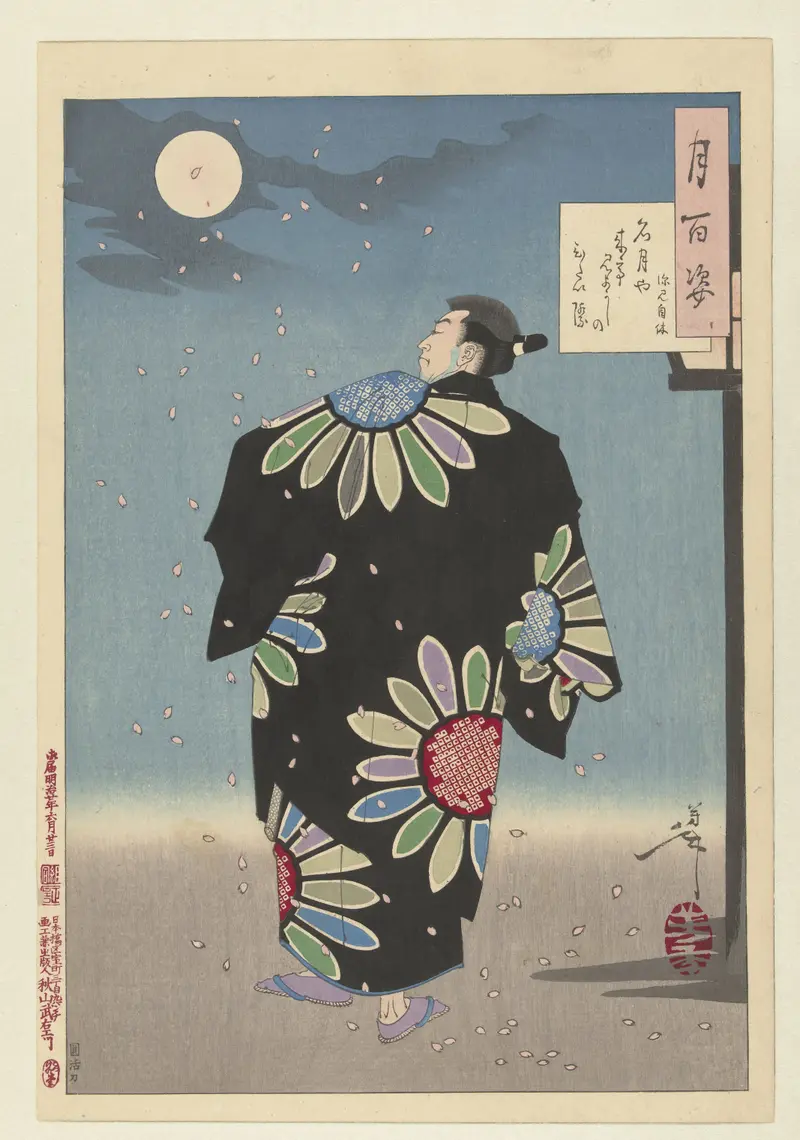
Fukami Jikyu in maanlicht
Tsukioka Yoshitoshi
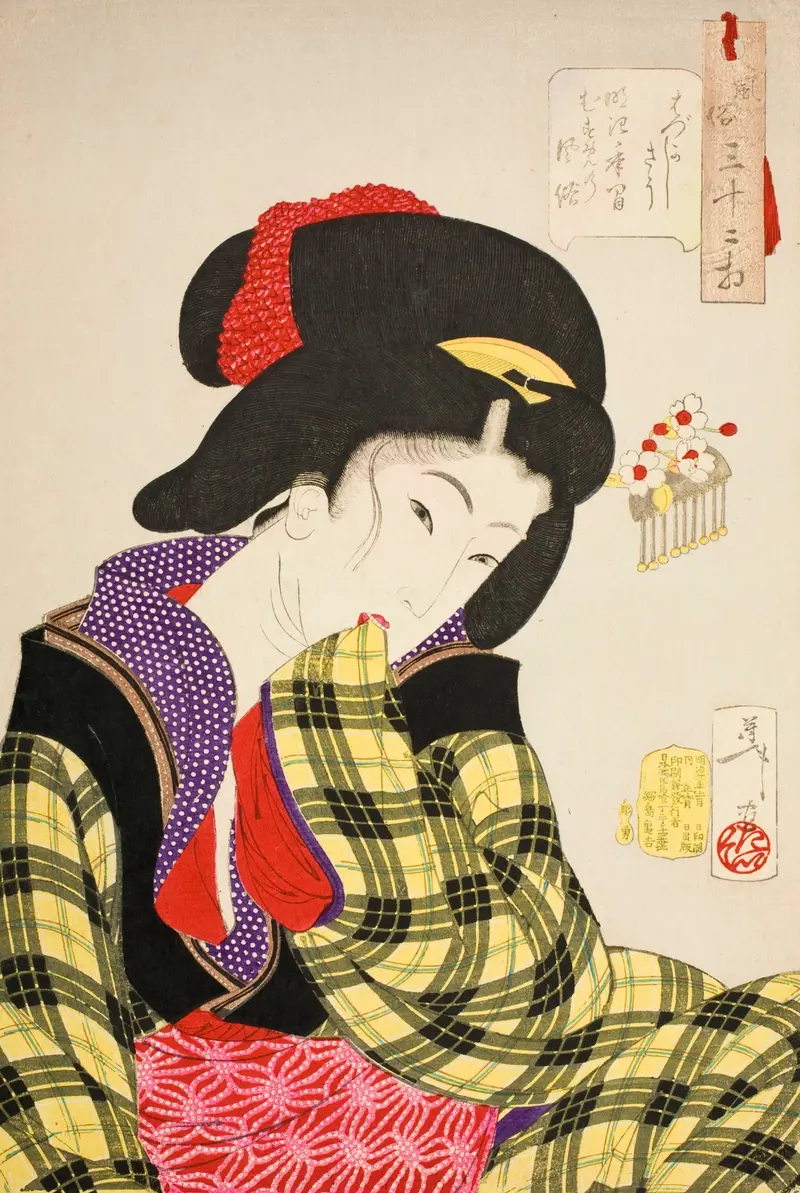
Looking Shy; The Manners of a Young Girl of the Meiji Era
Tsukioka Yoshitoshi
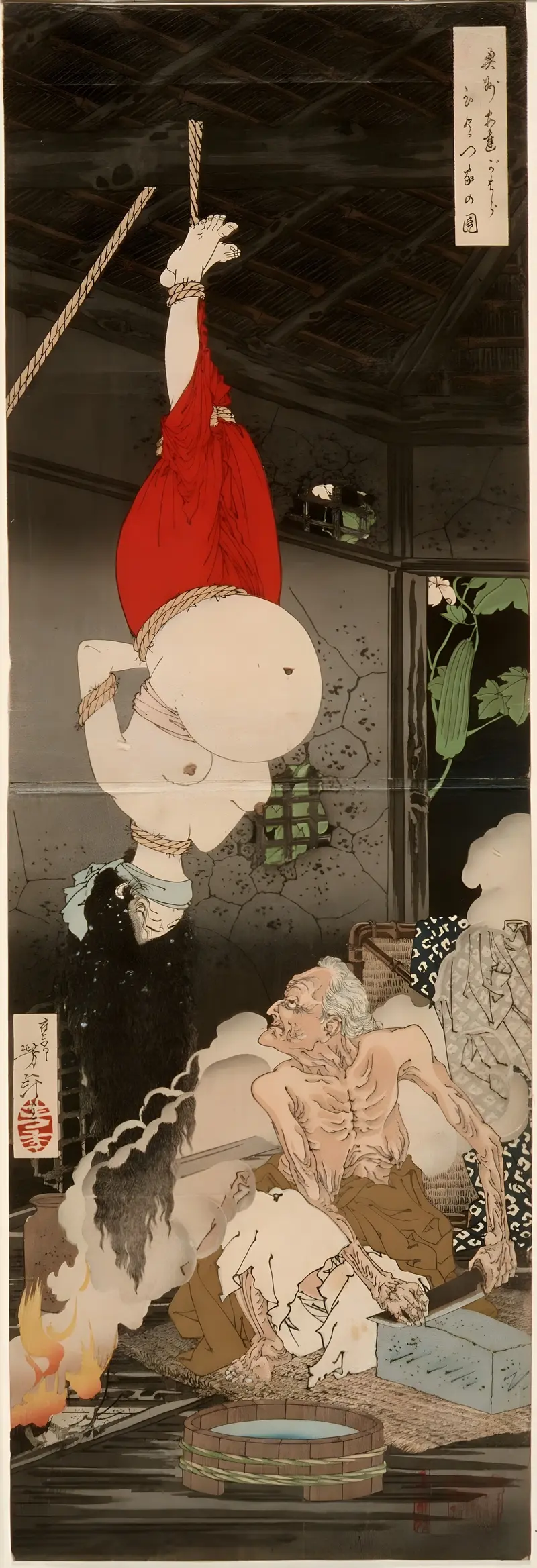
The Lonely House on Adachi Moor in Northern Japan
Tsukioka Yoshitoshi
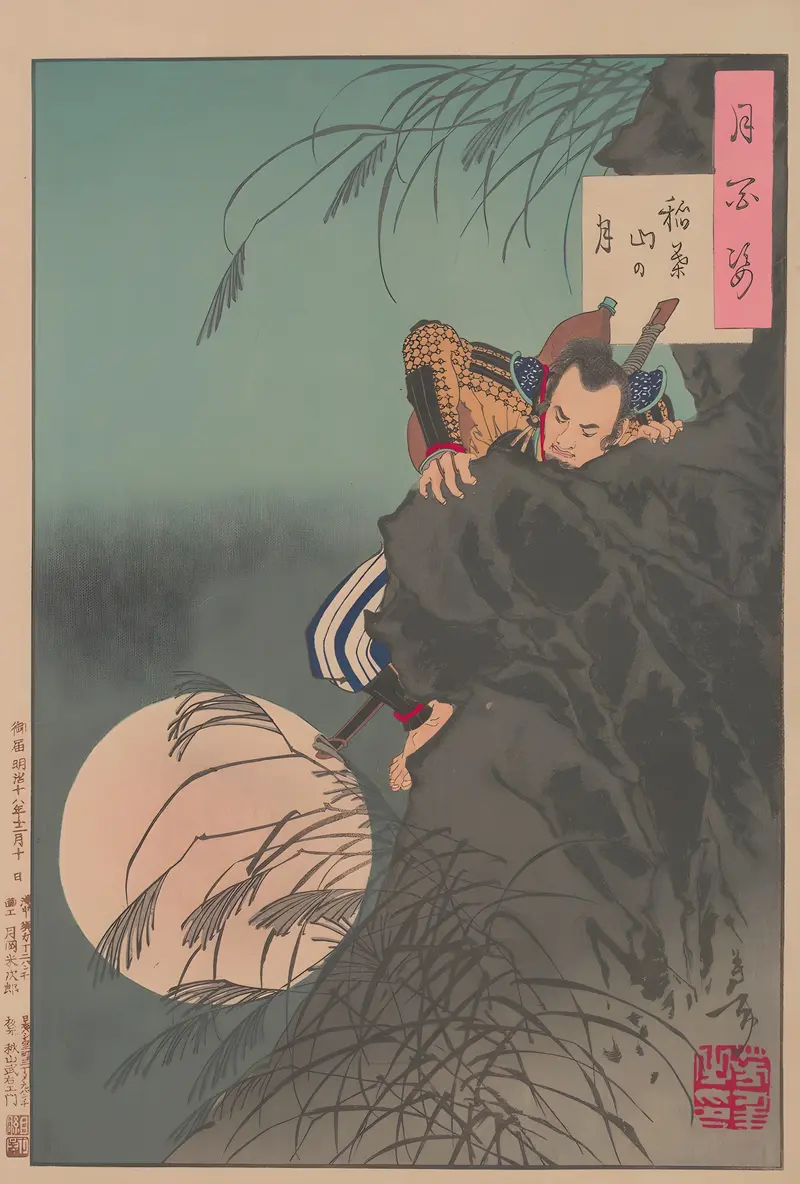
Inaba Mountain moon (Inabayama no tsuki)
Tsukioka Yoshitoshi
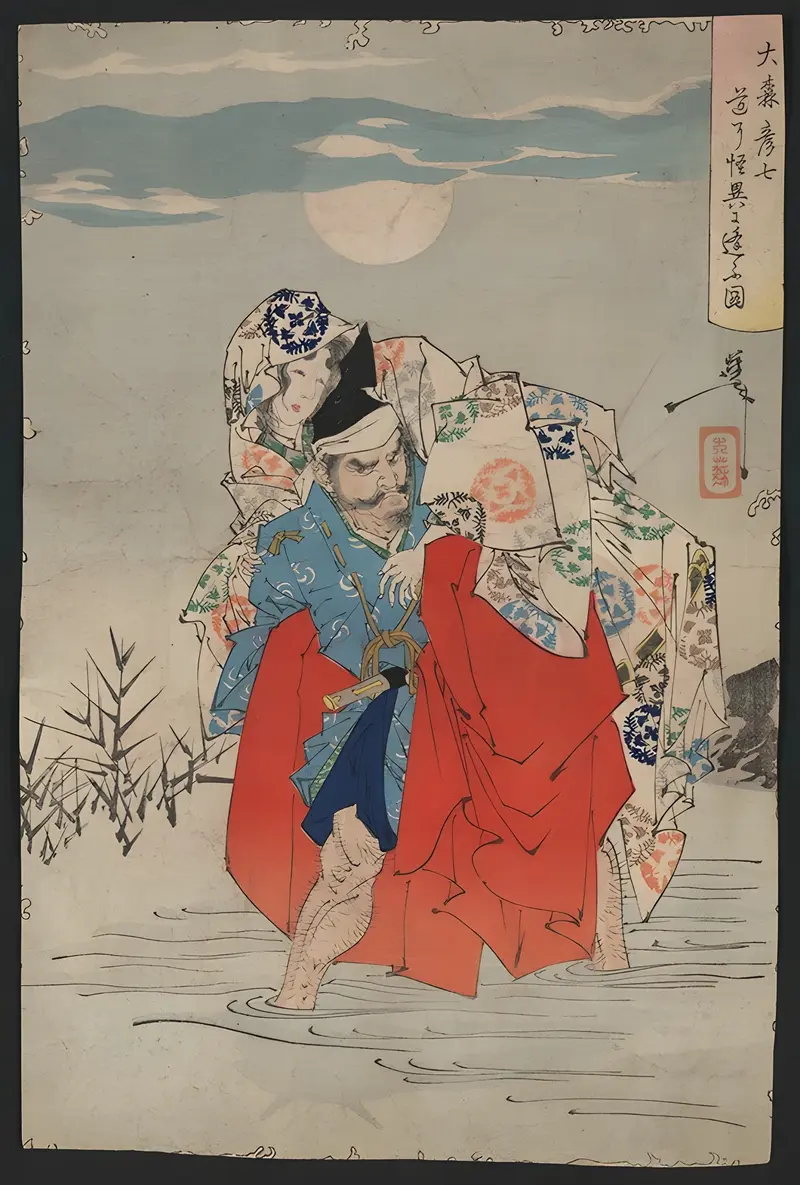
Omori Hikoshichi
Tsukioka Yoshitoshi
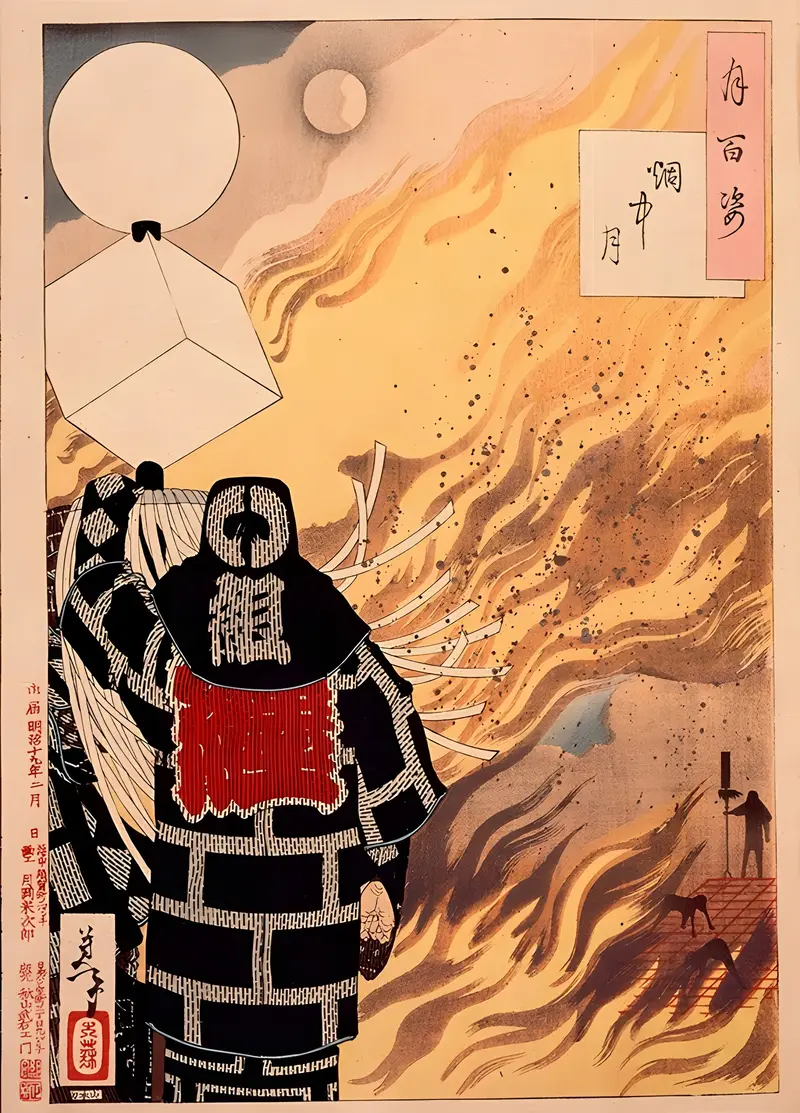
One Hundred Aspects of the Moon
Tsukioka Yoshitoshi
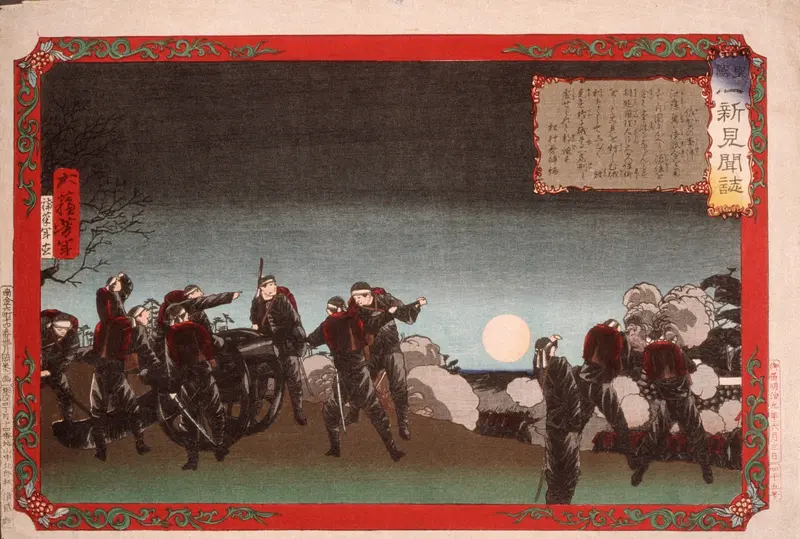
The Saga Incident
Tsukioka Yoshitoshi
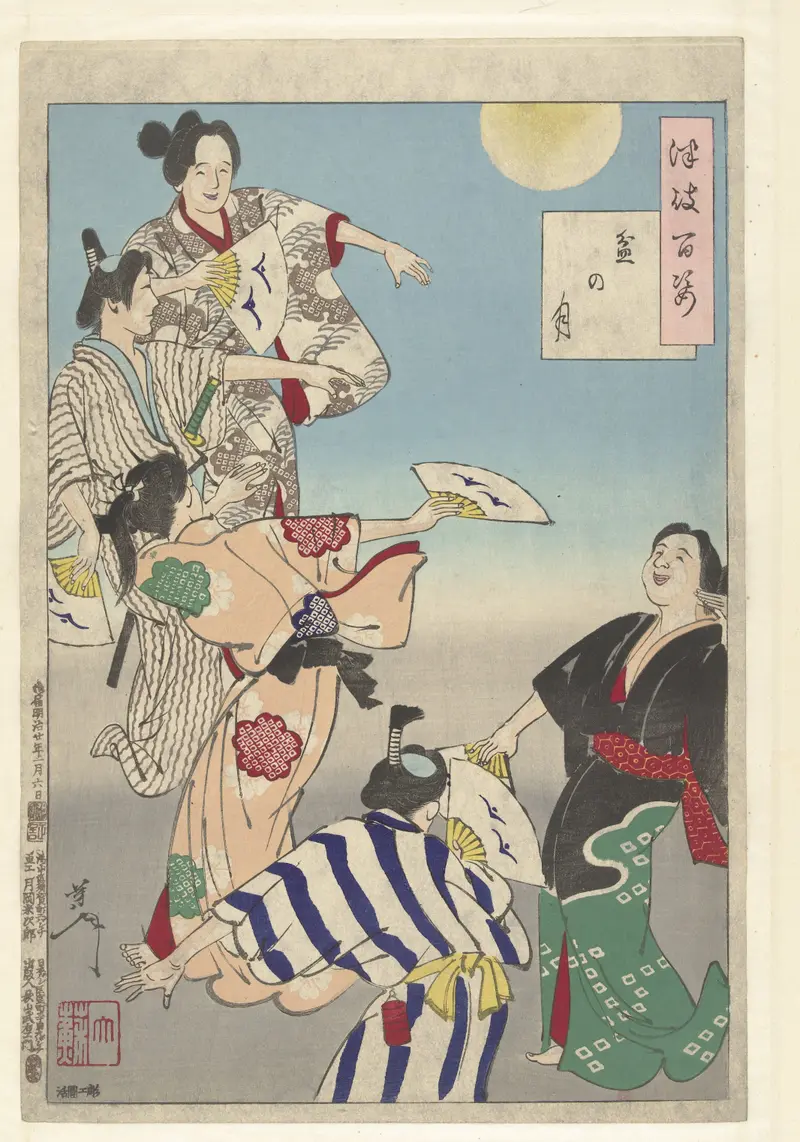
Bon Festival Moon (Bon no tsuki)
Tsukioka Yoshitoshi
Preparing to Take a Stroll; The Wife of a Nobleman of the Meiji Period
Tsukioka Yoshitoshi





