A Landscape With Peasants Building A Village — History & Facts
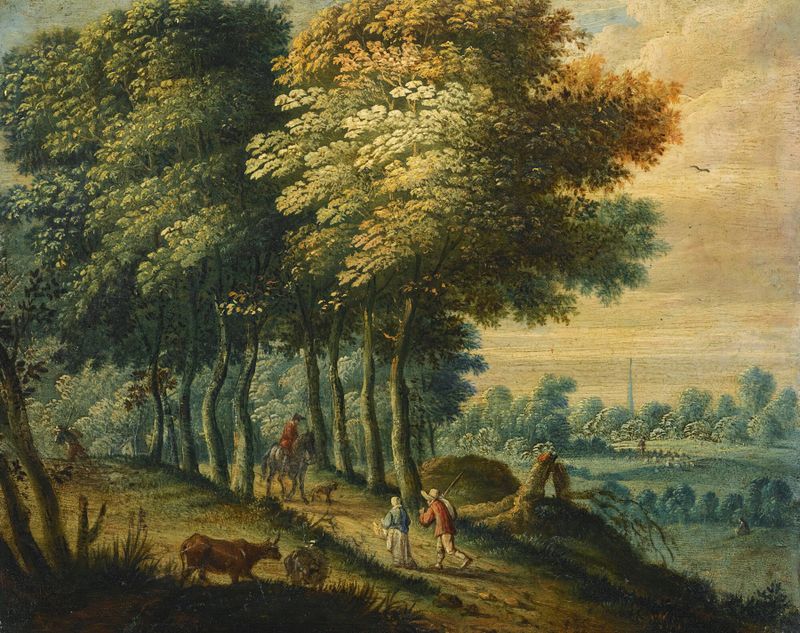
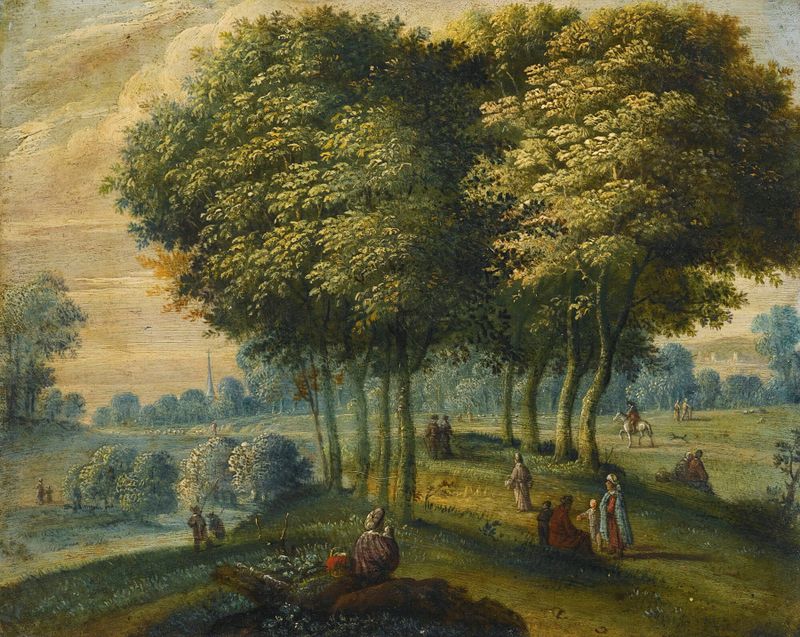
Could beauty survive in a century of chaos? In a world laden with strife and uncertainty, the act of constructing a village captures both resilience and vulnerability amid a vast, empty landscape. Look to the center, where a group of laborers diligently lays the foundation for their new home. The earth, rich and dark, contrasts sharply with the pale, open sky that looms overhead, suggesting both promise and the weight of impending trials. Soft strokes of green brush across the rolling hills, framing the scene with a sense of natural harmony while the figures, rendered in warm ochres and deep browns, are brought to life through deft, expressive brushwork.
The muted palette imbues the moment with a poignant stillness, evoking the quiet determination of the peasants as they toil. Yet, within this pastoral tableau lies a deeper tension. The void of the uninhabited landscape emphasizes their solitary struggle, hinting at the transience of human efforts against the vastness of nature. The figures' labor is both a celebration of community and a reminder of their fragility in an uncaring world.
The absence of any structures aside from those under construction invites reflection on what it means to build not just homes, but a future in uncertain times. The Flemish School artist who created this work likely painted it during a period of social and political upheaval in Europe. Though the exact date is unknown, the thematic focus suggests a time when the idyllic countryside was a refuge from chaos. This style emerged in a society grappling with change, capturing the spirit of an era where hope and survival intertwined with the landscape, imbuing everyday moments with profound significance.