A market scene on the Grand Place in Brussels — History & Facts
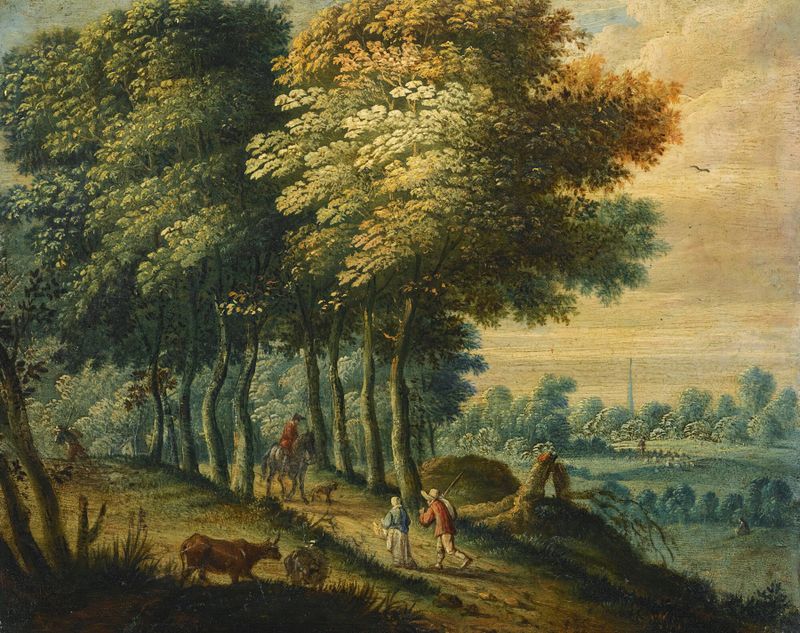
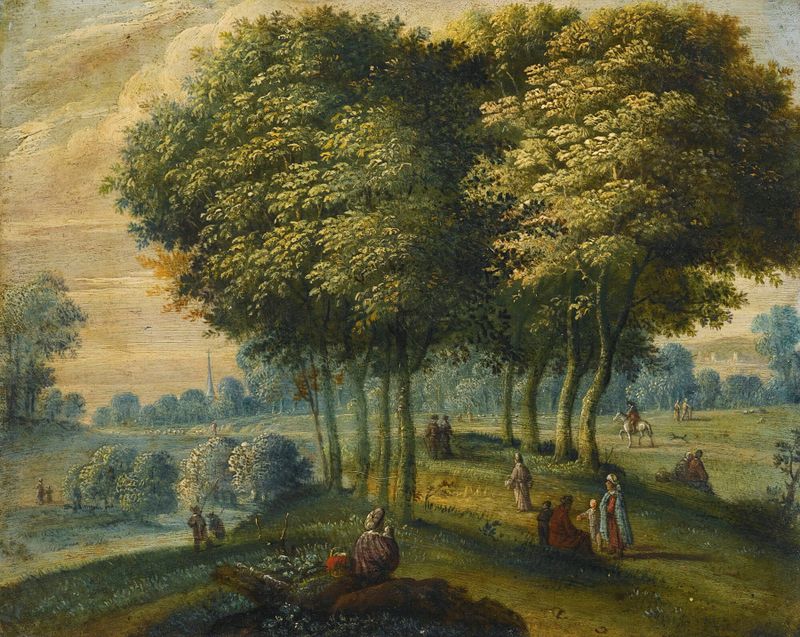
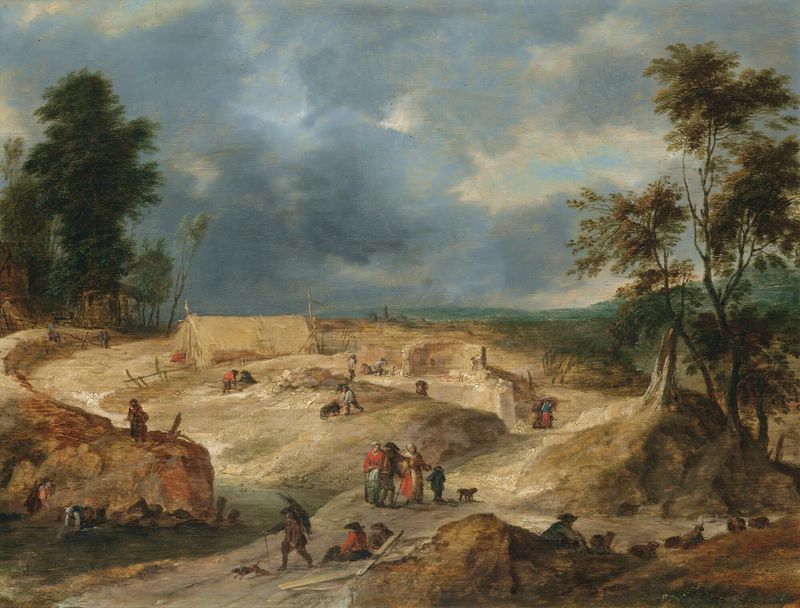
In the bustling heart of Brussels during the late 17th century, the vibrant market scene encapsulates not just commerce, but a moment of awakening—an invitation to witness life amidst the clamor of daily existence. Focus on the left side of the canvas, where a group of merchants eagerly gestures, their animated discussions a dance of hands and faces. The richness of colors brings life to the setting: earthy browns and greens of produce juxtaposed against the bright hues worn by market-goers. Notice how the light gracefully falls upon a stall overflowing with ripe fruits, highlighting not only their freshness but also the vitality of the moment captured.
Each brushstroke reveals layers of texture, echoing the dynamics of the marketplace itself. As you delve deeper, observe the contrasts woven into the scene: the joy of the buyers clashing with the weariness etched on the faces of the sellers, embodying the dual nature of commerce. There’s a palpable tension between the vibrancy of the market and the silence of the grand buildings that loom in the background. This juxtaposition speaks to the transient yet eternal nature of human experience—while the market bustles with life, the grand structures stand as witnesses, timekeepers of the stories unfolding below. Created in 1670, this work by the Flemish School reflects the artistic innovations of the period, merging realism with a burgeoning interest in capturing the everyday.
Set against the backdrop of a flourishing trade and cultural exchange in Brussels, the artist embraced a moment in history that perched on the cusp of change, revealing the intricate dance between the ordinary and the extraordinary in a rapidly developing world.