
A marsh twilight — History & Facts
In the depths of twilight, where the marsh meets the horizon, one finds the profound whisper of faith nestled within shadows and light. Focus on the serene blend of colors in the lower half of the canvas, where muted greens and browns converge to form the marshy ground. This quiet palette contrasts with the vibrant oranges and purples above, a celestial display that dares to break the enveloping stillness. The interplay of light dances on the water’s surface, drawing your gaze to the shimmering reflections that seem almost otherworldly, infusing the scene with a sense of ethereal beauty. Consider the small details that speak volumes: the delicate brushwork that suggests the gentle sway of reeds, the hidden depths within the shadowed pools that hint at secrets of nature, and the soft horizon line that evokes the boundary between earth and sky.
These elements collectively reflect a tension between the transient character of twilight and the enduring spirit of the marsh, suggesting a deeper connection to the natural world and the faith it inspires. During 1887, Louis Kinney Harlow crafted this piece in a period when America was exploring its artistic identity, influenced by both Impressionism and the American scene. Harlow was likely grappling with his own artistic beliefs, seeking to convey the essence of the environment around him while navigating the broader evolution of art during his time. The painting epitomizes a moment of reflection and solace amidst a rapidly changing world.
More Artworks by Louis Kinney Harlow
Browse all →
West Chop Light, Vineyard Sound, Mass.
Louis Kinney Harlow
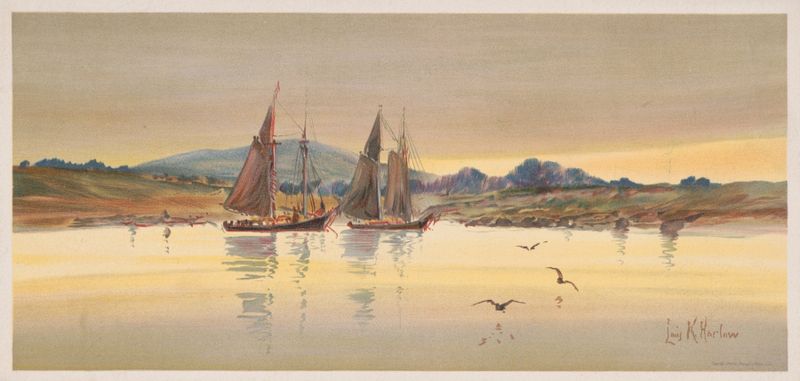
Sunset in Rockland Harbor
Louis Kinney Harlow
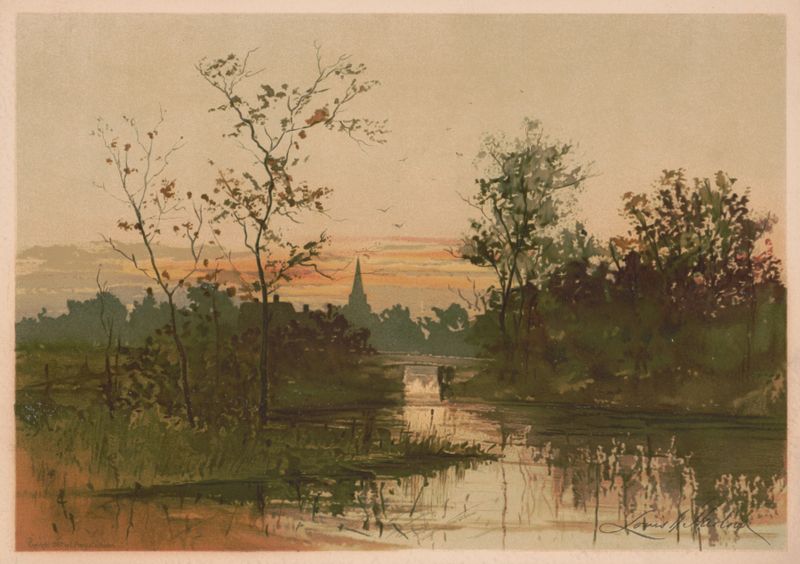
Nemasket River, Maine
Louis Kinney Harlow
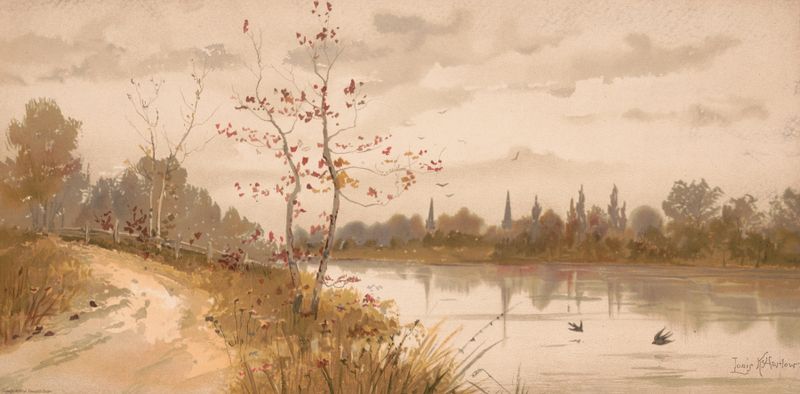
A river path
Louis Kinney Harlow

Castine, Maine
Louis Kinney Harlow

A bit of Monhegan, Maine
Louis Kinney Harlow
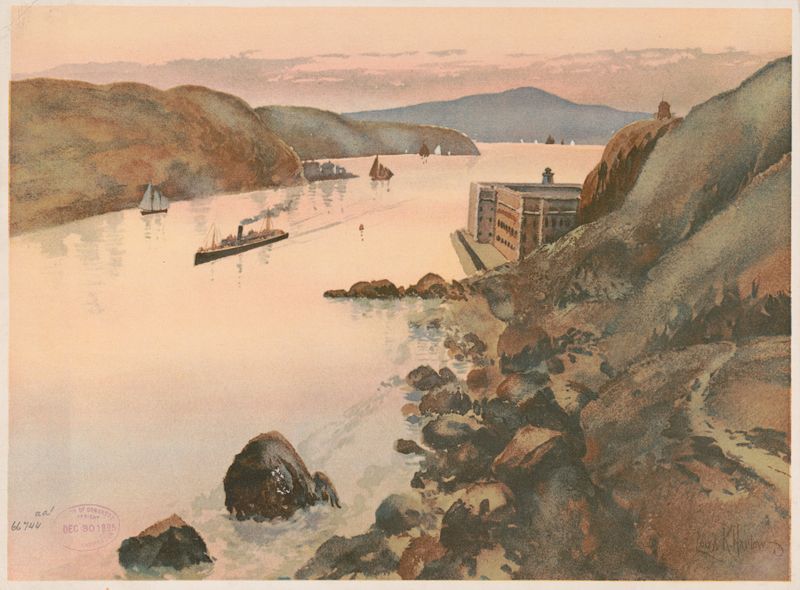
Fortifications and Golden Gate
Louis Kinney Harlow

Blue Hills, Camden, Me.
Louis Kinney Harlow

Near Boothbay Harbor, Maine coast
Louis Kinney Harlow

Evening rest
Louis Kinney Harlow





