
A mountain scene, Val d’Aosta — History & Facts
What secret hides in the quiet of the canvas? In A mountain scene, Val d’Aosta, the artist captures the silent revolution of nature, inviting viewers to contemplate the power of stillness. Look to the left at the craggy peaks silhouetted against a twilight sky. The delicate strokes of white and soft pastels contrast sharply with the deep blues and greens, creating a serene, yet turbulent atmosphere. Notice how the light cascades down the mountainsides, illuminating patches of wildflowers, which seem to breathe life into the rugged terrain.
This interplay of color and light evokes an otherworldly feeling, as if the scene is alive, holding its breath in anticipation. Amidst the awe-inspiring landscape, hidden meanings emerge. The juxtaposition of the tranquil foreground against the looming, formidable mountains suggests the tension between human fragility and the vastness of nature. The mountain’s presence signifies endurance and the passage of time, while the ephemeral light hints at fleeting moments of beauty.
This balance between stability and transience reflects the artist's inner conflict—an exploration of the sublime and the chaos of life. Turner painted this piece during a period of profound change in Europe, likely in the early 19th century when Romanticism was in full bloom. It was a time marked by industrial revolution and sociopolitical upheaval, yet the artist found solace in the grandeur of the natural world. By capturing such landscapes, he expressed a longing for emotional depth, significantly influencing the trajectory of modern art and paving the way for future explorations of light and atmosphere.
More Artworks by Joseph Mallord William Turner
Browse all →
Dort or Dordrecht- The Dort Packet-Boat from Rotterdam Becalmed
Joseph Mallord William Turner
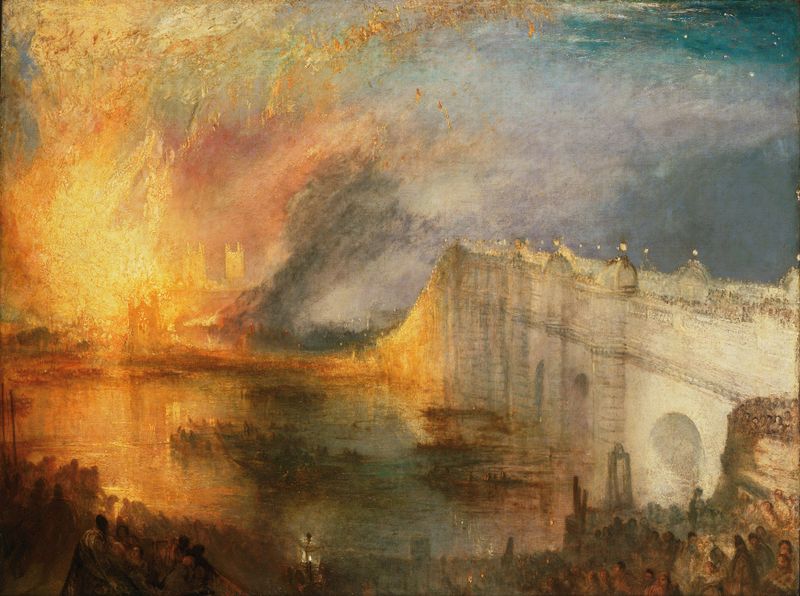
The Burning of the Houses of Lords and Commons, October 16, 1834
Joseph Mallord William Turner
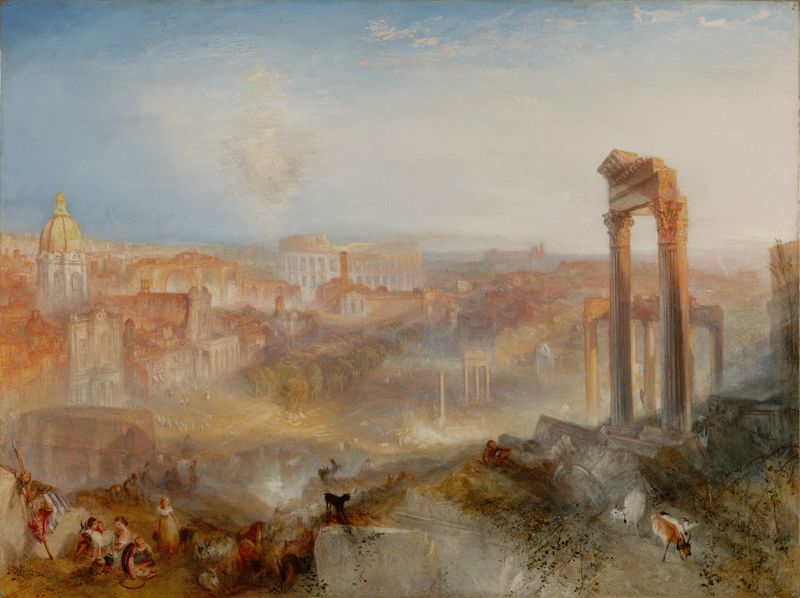
Modern Rome – Campo Vaccino
Joseph Mallord William Turner
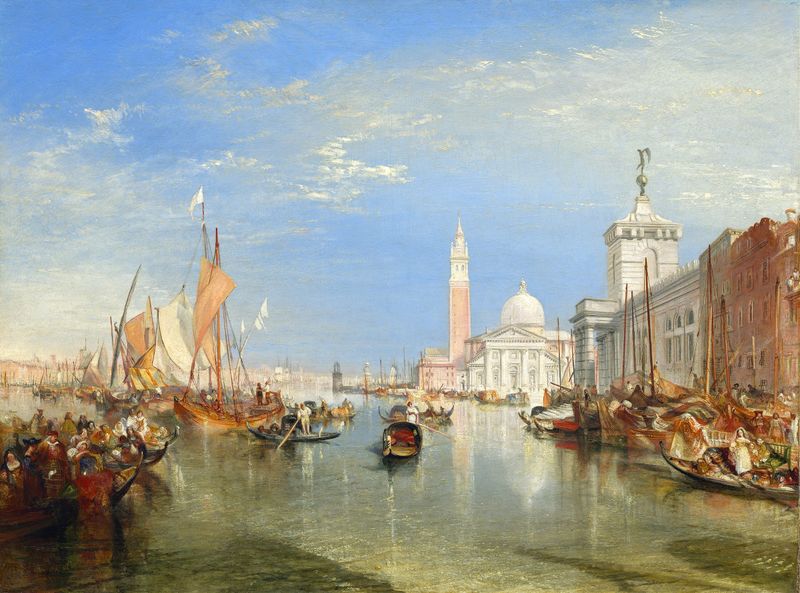
Venice – The Dogana and San Giorgio Maggiore
Joseph Mallord William Turner

The Burning of the Houses of Lords and Commons, 16 October 1834
Joseph Mallord William Turner
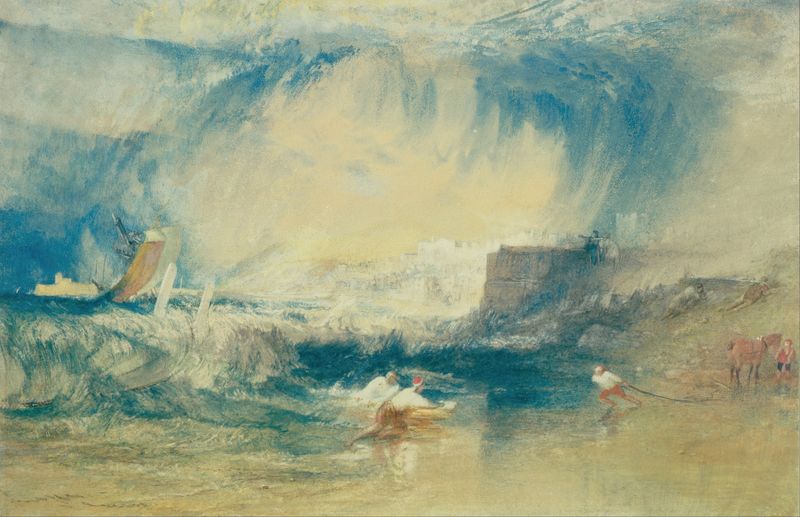
Lyme Regis, Dorsetshire, England
Joseph Mallord William Turner
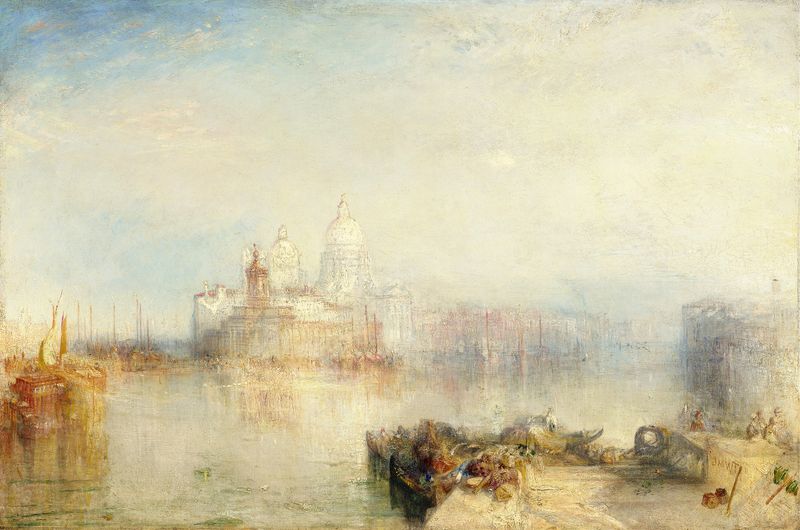
The Dogana and Santa Maria della Salute, Venice
Joseph Mallord William Turner
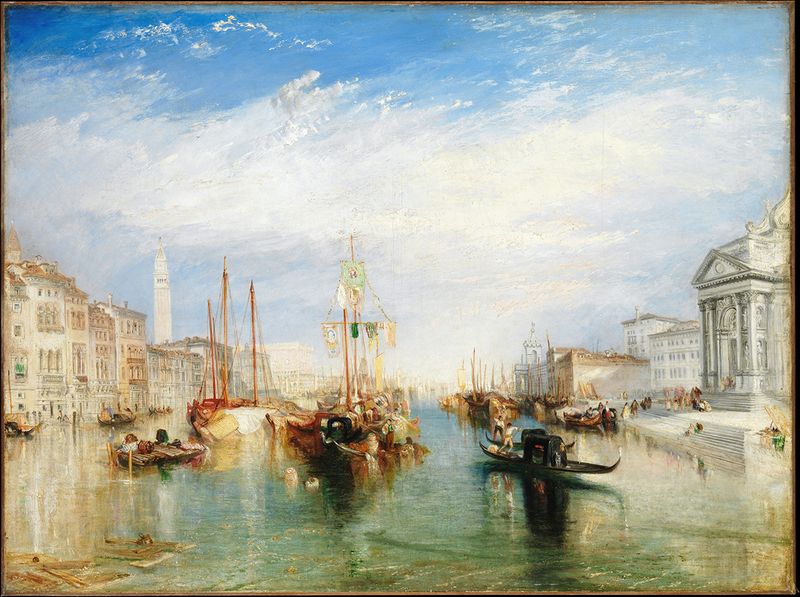
Venice, from the Porch of Madonna della Salute
Joseph Mallord William Turner
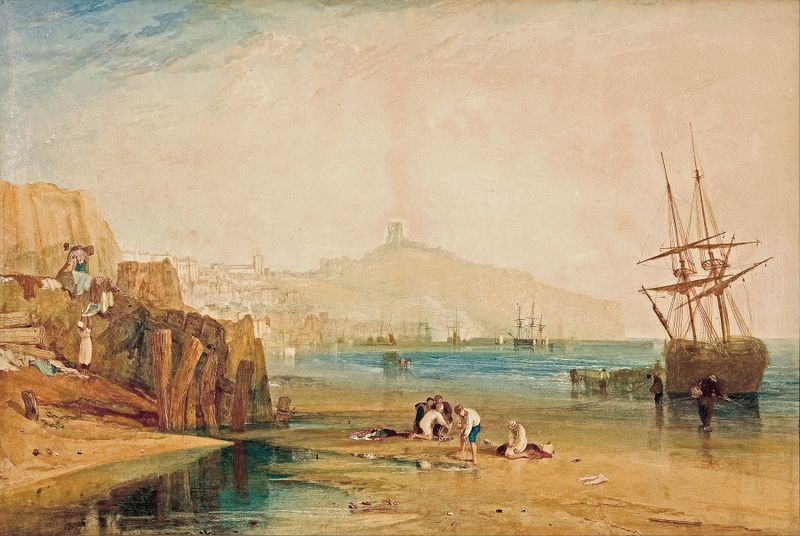
Scarborough town and castle; morning; boys catching crabs
Joseph Mallord William Turner
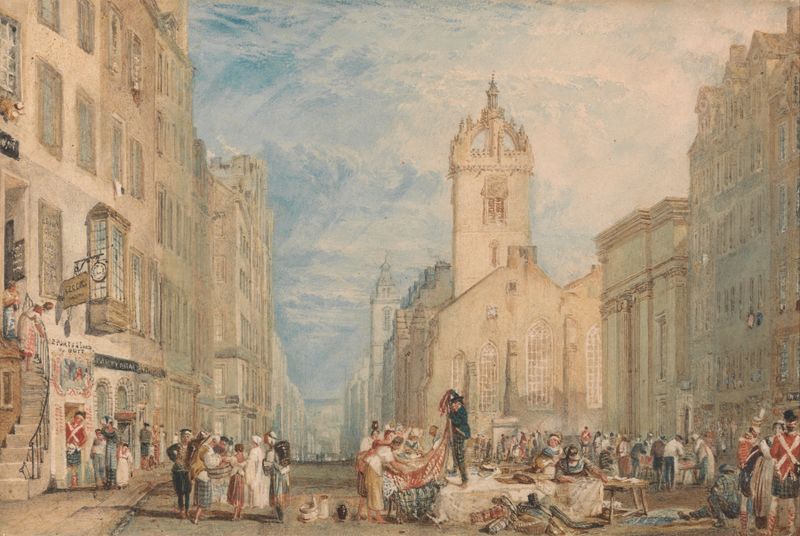
High Street, Edinburgh
Joseph Mallord William Turner





