
A Norfolk Plough — History & Facts
Could beauty survive in a century of chaos? This question echoes through the soft lines and rich textures of the work, an invitation to ponder the delicate balance between turmoil and tranquility. Look to the left at the gentle curves of the plough, its wooden frame rendered with remarkable detail. The artist’s skillful use of light creates a warm glow that spills over the landscape, illuminating the earth and casting subtle shadows that deepen the sense of space. Notice how the muted palette of greens and browns blends harmoniously, evoking the quiet dignity of rural life.
Dynamic brush strokes suggest both movement and stillness, guiding the viewer’s eye across the canvas with a comforting rhythm. In this imagery lies a deeper narrative of labor and resilience, a contrast between the rustic tools and the vast, open sky. The plough serves as a symbol of both toil and sustenance, embodying the connection between humanity and the land. Furthermore, the interplay of light and shadow hints at the passing of time, inviting contemplation of the cycles of life that continue despite external chaos.
Small details, such as the slight wear on the wood, evoke the stories of those who have worked the soil, grounding the artwork in a tradition that withstands hardship. Sir Frank Short created this piece in 1904 during a period marked by rapid industrialization and change in Britain. Working primarily as an etcher and painter, Short was deeply influenced by the natural world and sought to express the beauty found in simple, everyday scenes. At this time, he was emerging as a significant figure in the art community, fostering a deep appreciation for both traditional techniques and the essence of rural landscapes that many were beginning to overlook.
More Artworks by Sir Frank Short
Browse all →
Morning Haze in Chichester Harbor
Sir Frank Short
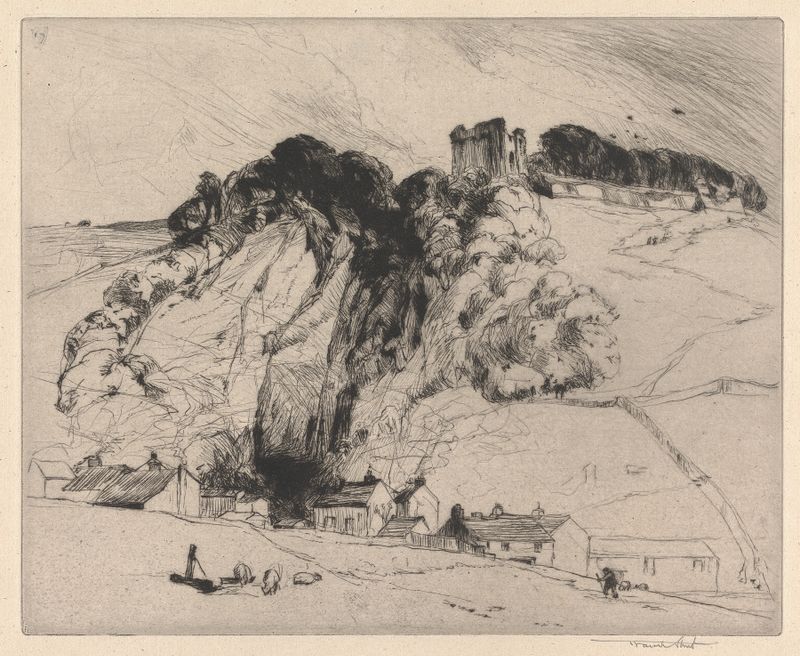
Peveril’s Castle, Derbyshire
Sir Frank Short
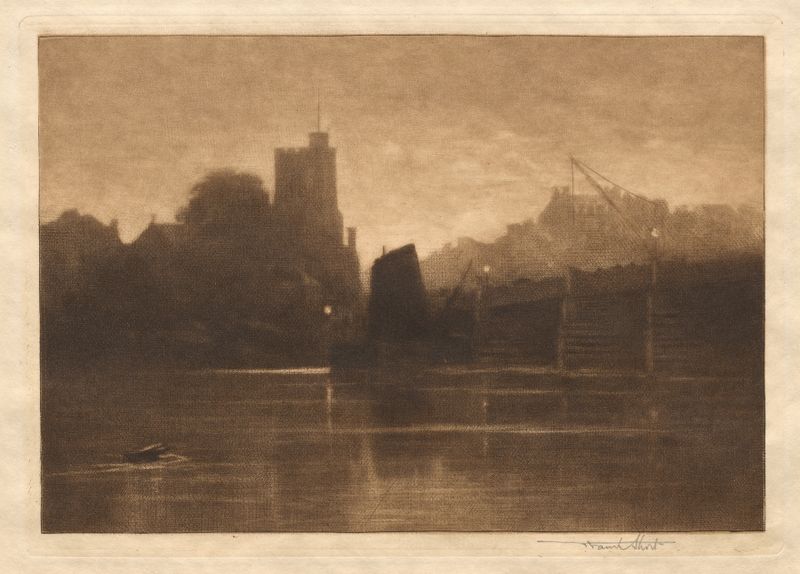
Ebb Tide, Putney Bridge
Sir Frank Short
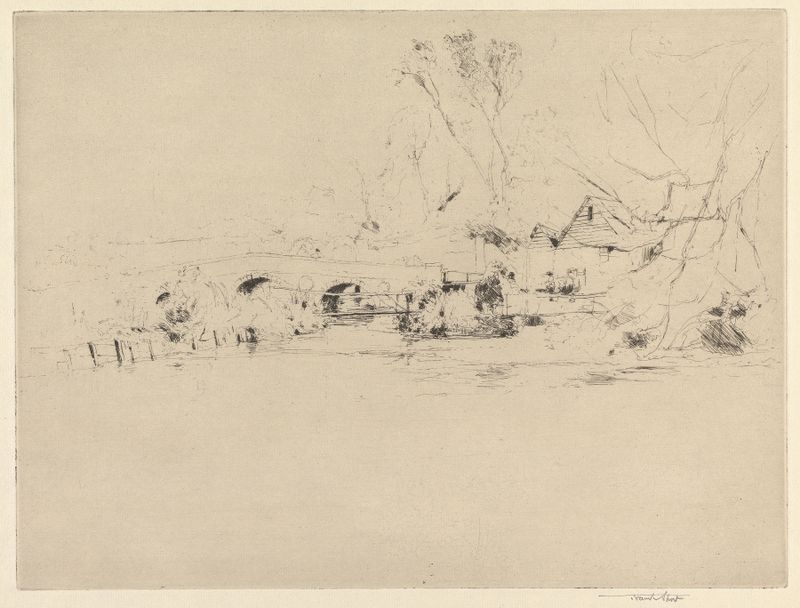
Old Mill on the Wandle, at Mitcham
Sir Frank Short

Moonlight on the Medway at Chatham
Sir Frank Short

Parkgate
Sir Frank Short
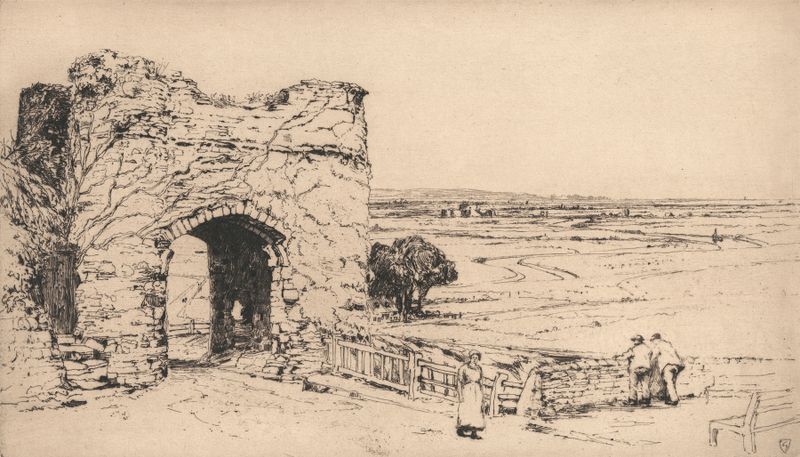
The Strand Gate, Winchelsea
Sir Frank Short

Bridgenorth
Sir Frank Short
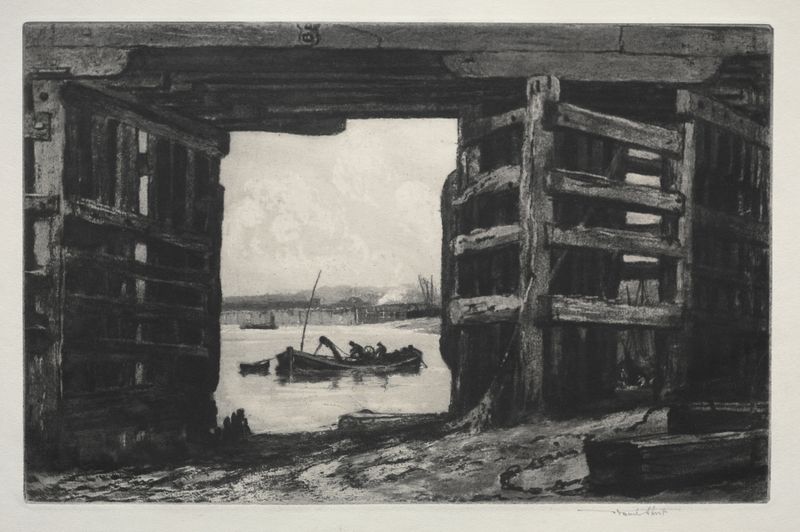
A Span of Old Battersea Bridge
Sir Frank Short

The Rope Walk, Spittal Bridge Whitby
Sir Frank Short





