A Pagan Sacrifice — History & Facts
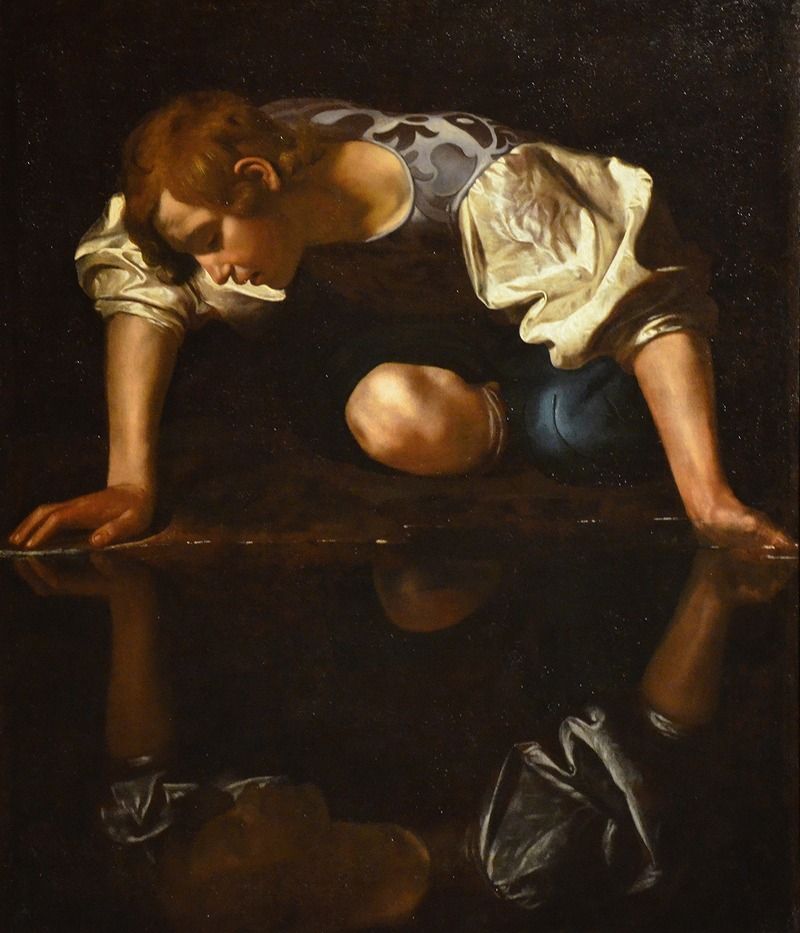
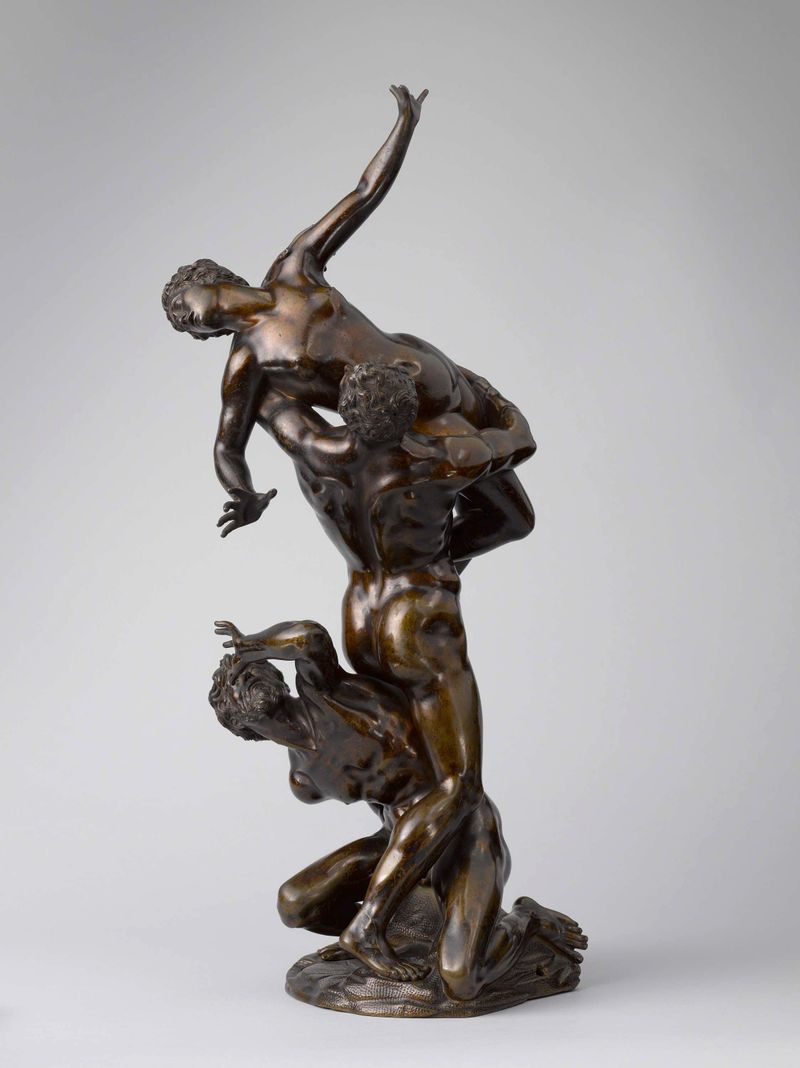
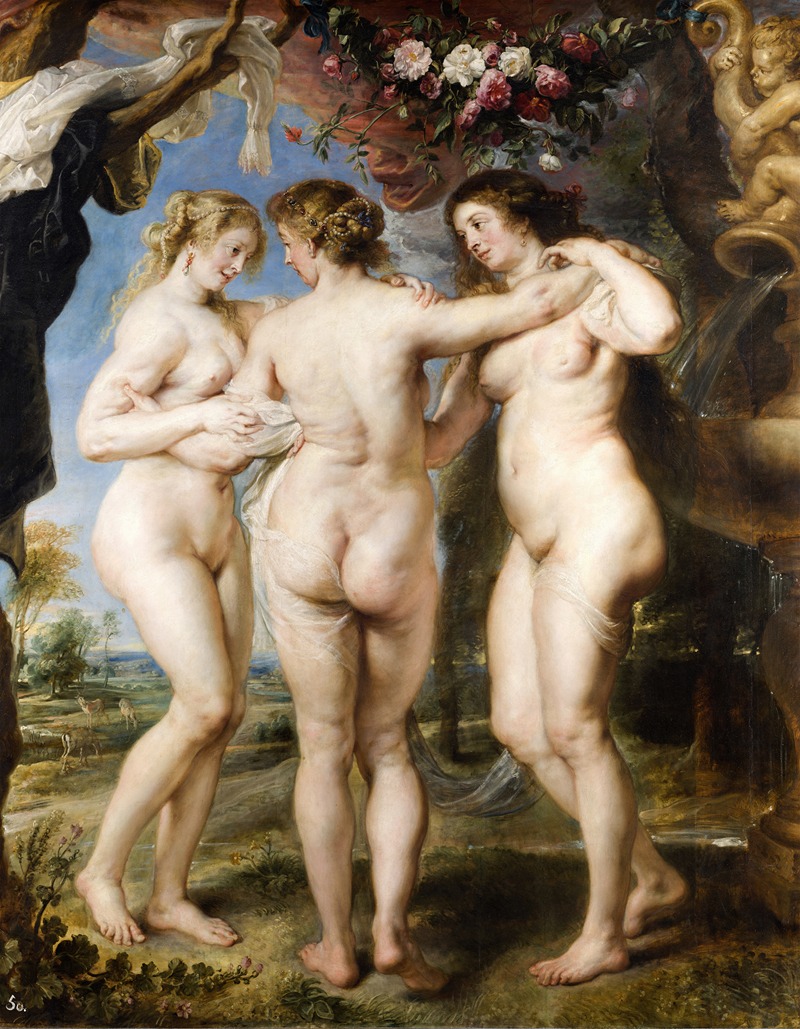
In the stillness of the moment captured, beauty intertwines with the rawness of sacrifice, revealing the human soul laid bare. Look to the center where figures emerge in a dramatic composition. Notice the intensity in their expressions, their bodies arranged in a tight-knit group that draws the eye inward. The artist's mastery of chiaroscuro creates a stunning contrast between light and shadow, illuminating the figures against a dark background, highlighting their visceral emotions as they engage with the unseen ritual. Yet, beneath this striking imagery lies a profound exploration of duality.
The tension between the beauty of the human form and the brutality of the act weighs heavily. The delicate brushwork in the skin tones contrasts sharply with the rough, unfinished textures surrounding the figures, evoking a sense of unease. This interplay invites reflection on the beauty inherent in sacrifice, suggesting that there is an elegance even in the most tragic of moments. Giovanni Benedetto Castiglione painted this work between 1645 and 1650, a time marked by a rich tapestry of artistic exploration in Italy.
As the Baroque period flourished, artists sought to depict emotional depth, often grappling with themes of morality and the divine. Castiglione, one of the leading figures of this movement, channeled his experiences and observations into A Pagan Sacrifice, a piece that resonates with both beauty and the weight of historical consequence.