
A Passing Shower in the Yellowstone Cañon — History & Facts
Could beauty survive in a century of chaos? In the midst of turmoil, nature stands as both a refuge and a reminder of transient moments, capturing our hearts with fleeting grace. Look to the horizon where storm clouds gather, dark and brooding, casting a dramatic shadow over the vibrant landscape. As you follow your gaze down into the cañon, notice how the subtle interplay of light reveals the lush greens and warm earth tones of the rugged terrain. The rolling hills and jagged cliffs are contrasted against the soft, misty rain, creating an ethereal quality that envelops the viewer—a perfect balance of turbulence and tranquility. Delve deeper into the composition, where droplets dance upon the surface of a placid river, suggesting the delicate fragility of nature amid impending chaos.
The interplay of light and shadow carries an emotional weight, hinting at both melancholy and resilience. Each brushstroke seems to whisper of the looming change, a reminder that beauty, much like a passing shower, is fleeting yet profoundly impactful. In 1903, Thomas Moran was immersed in the American art scene, celebrated for his breathtaking depictions of the West. While painting A Passing Shower in the Yellowstone Cañon, he captured the sublime essence of nature during a period marked by rapid industrialization and environmental change.
The artist sought to immortalize the landscape's grandeur, serving as both a tribute to its beauty and a warning of what could be lost in the face of modern progress.
More Artworks by Thomas Moran
Browse all →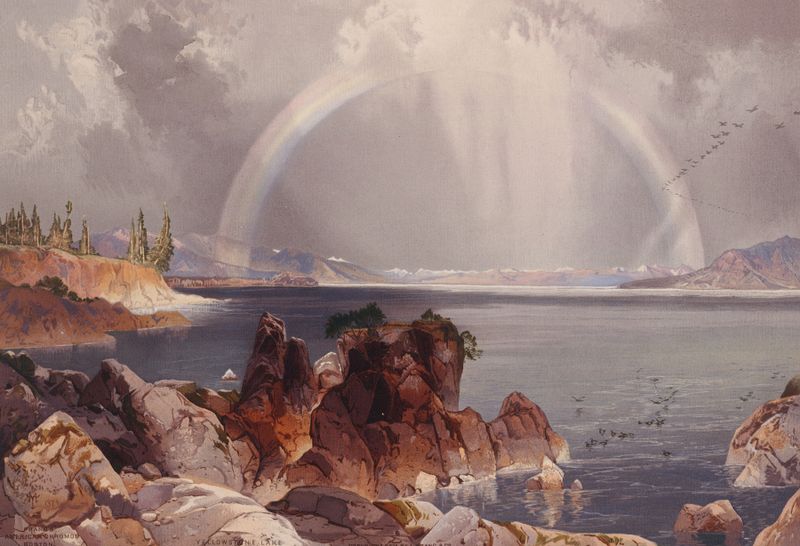
Yellowstone Lake
Thomas Moran

Grand Canyon of the Colorado River
Thomas Moran

Grand Canyon, Colorado River
Thomas Moran

The Towers of Tower Falls, Yellowstone
Thomas Moran
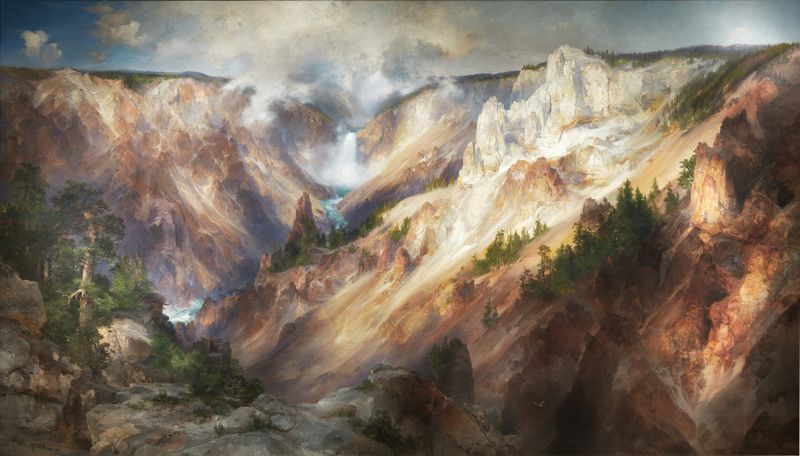
The Grand Canyon Of The Yellowstone
Thomas Moran

Mountain of the Holy Cross
Thomas Moran

Cliffs Of The Upper Colorado River, Wyoming Territory
Thomas Moran
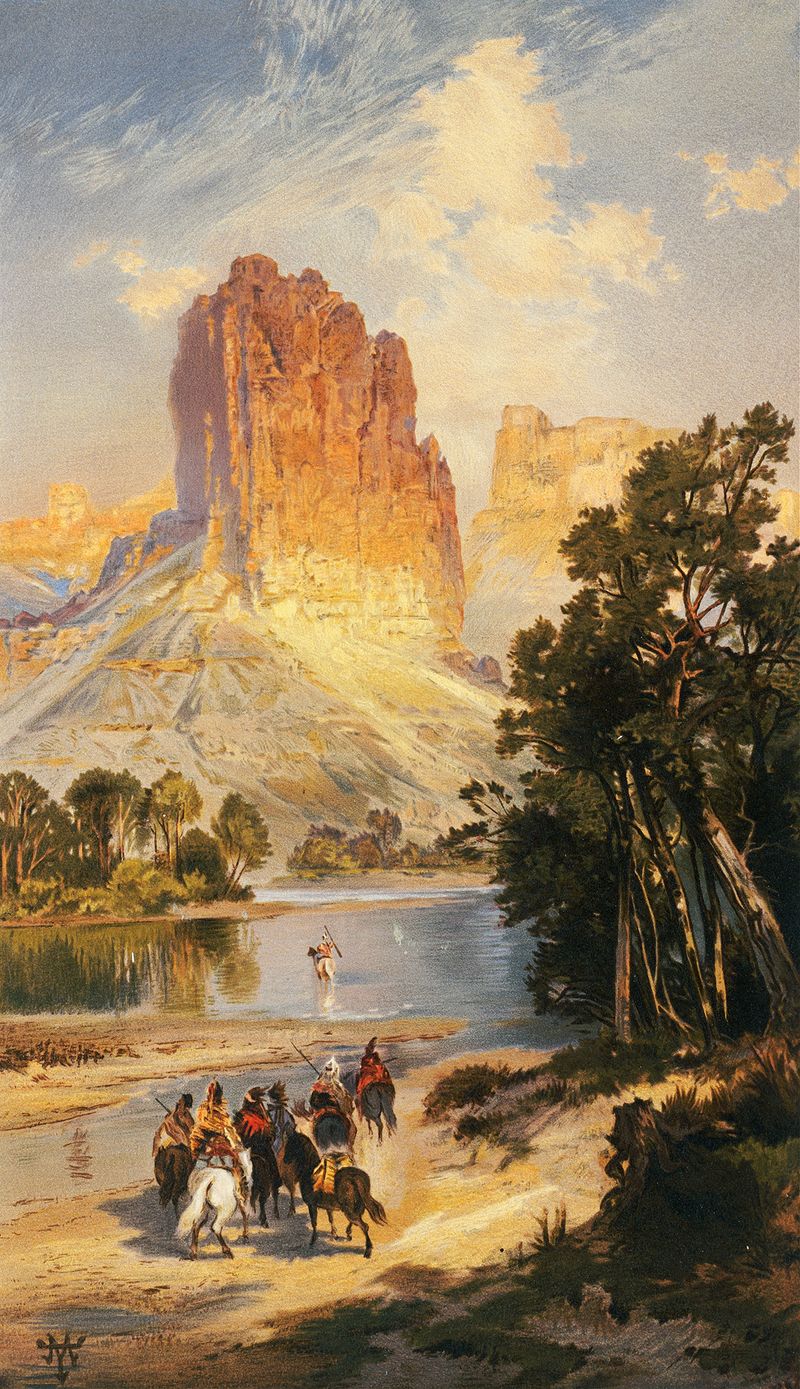
Cliffs of the Upper Colorado River, Wyoming Territory
Thomas Moran

Mammoth Hot Springs, Yellowstone
Thomas Moran
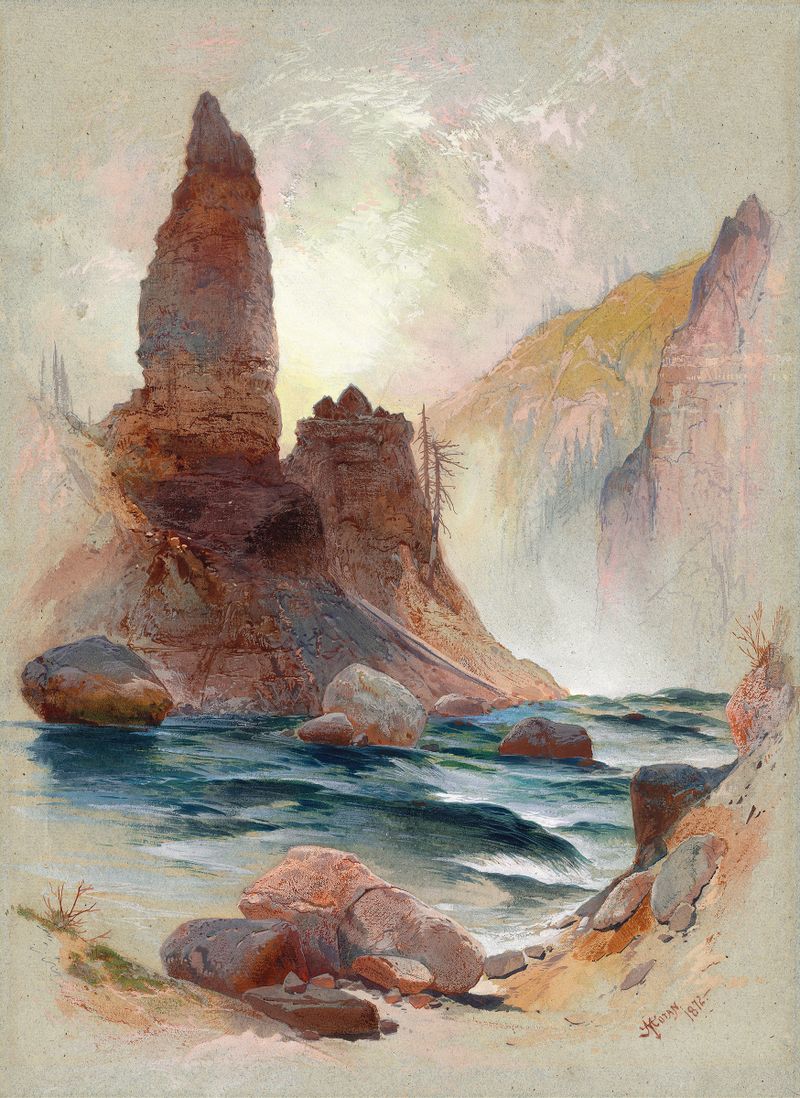
Tower at Tower Falls, Yellowstone
Thomas Moran





