A Pergola, Italy — History & Analysis
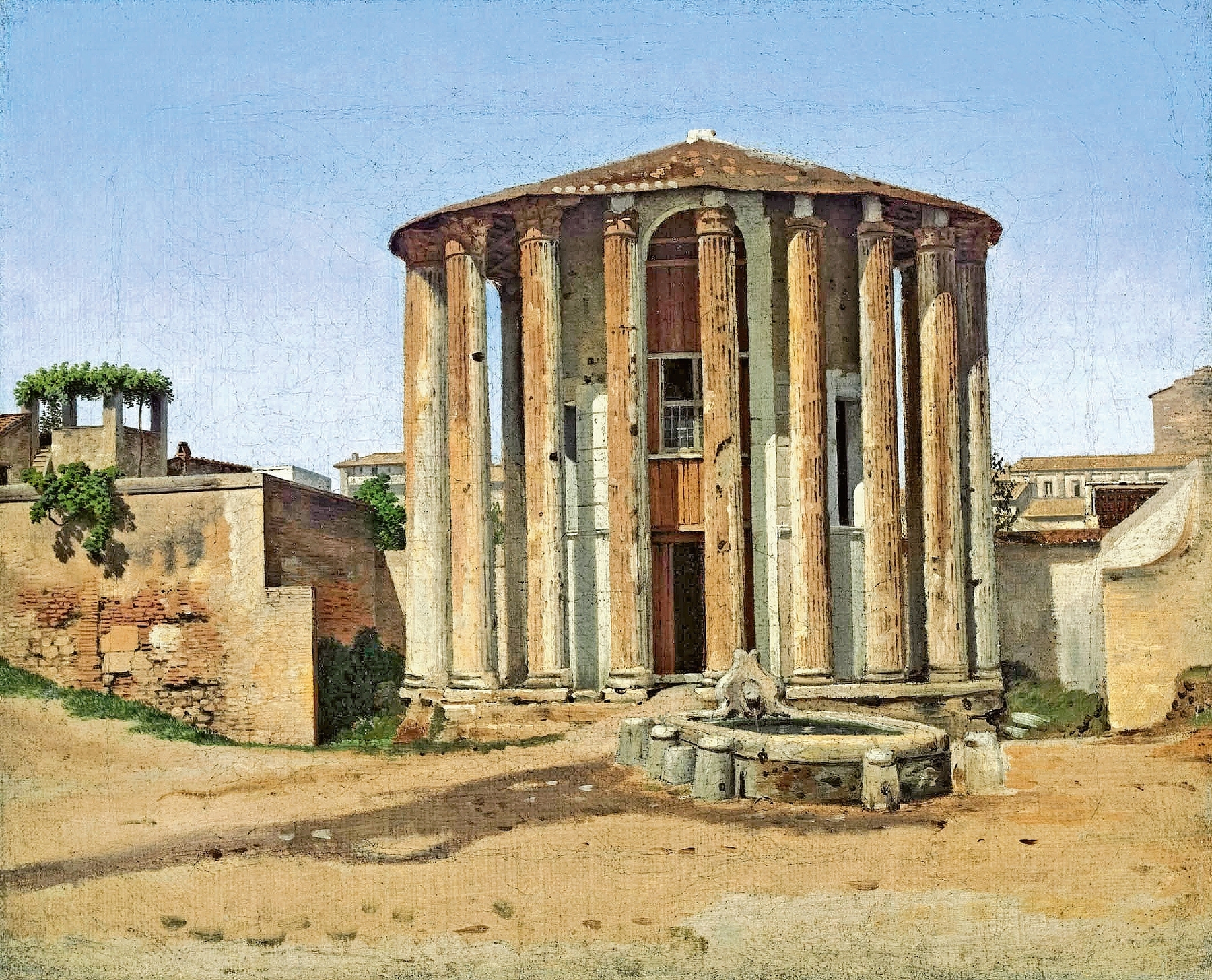
Is this a mirror — or a memory? A pergola draped in wistful shadows and sunlit serenity beckons the viewer to ponder the emotions entwined within its serene embrace. Look to the left at the intricate vines twisting their way along the wooden structure, their delicate green leaves juxtaposed against the muted tones of the surrounding architecture. The light spills through the foliage, casting intricate patterns of warmth that dance across the ground below.
Notice how the subdued colors evoke a sense of nostalgia, whispering of times lost while inviting moments of contemplation. Beneath the tranquil surface lies a profound tension: the interplay of nature and man-made structures signifies the fragility of life and memory. The pergola can be seen as a sanctuary, a place for reflection, yet its solitary presence subtly hints at loss — the absence of those who may once have been present. The gentle interplay of light and shadow suggests a fleeting nature, where the beauty of the moment is inextricably linked to an unshakeable sense of grief.
Created between 1814 and 1816, this piece emerged during a transformative period for its creator, who was deeply influenced by the romanticism prevalent in his time. Eckersberg was exploring the intersection of realism and emotional expression, reflecting on personal experiences and the world around him, which was marked by societal shifts and a growing fascination with nature. In this artwork, he encapsulates both the beauty and the melancholy of memory, inviting viewers to connect with their own reflections on love and loss.