
A Picturesque Landscape — History & Facts
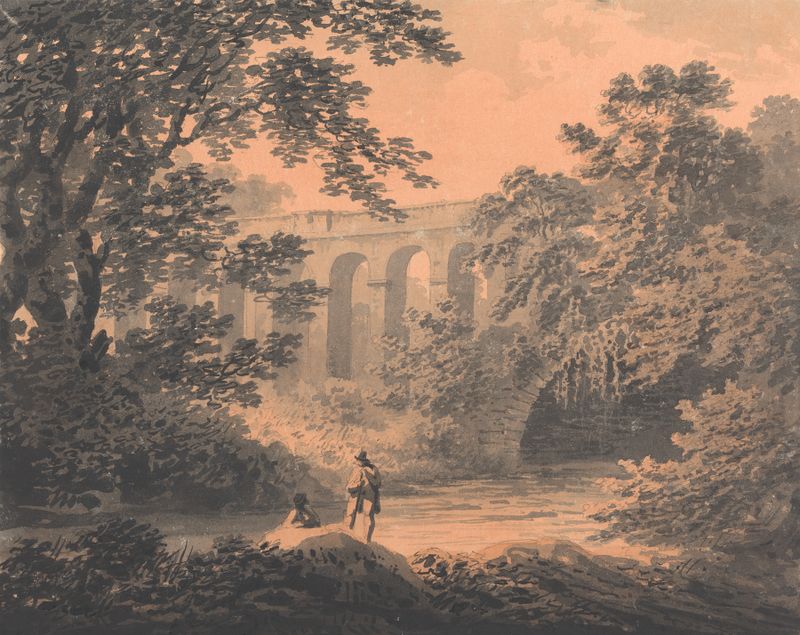
Can paint confess what words never could? In A Picturesque Landscape, the artist captures a sense of longing that stirs the soul, inviting viewers into a world where nature speaks without uttering a single word. Look to the horizon, where the gentle undulations of rolling hills meet a tranquil sky, painted with soft, muted hues. Notice how the sunlight filters through the clouds, casting a warm glow over the verdant fields, creating a serene juxtaposition between light and shadow. The composition draws the eye along a meandering path, suggesting a journey through this idyllic scene, while the careful brushwork lends a tactile quality to the foliage, inviting viewers to almost touch the landscape. Beneath the surface of this picturesque beauty lies an emotional tension—perhaps a yearning for connection to nature or a desire to escape the confines of reality.
Each detail, from the solitary tree standing sentinel against a vast sky to the distant mountains shrouded in mist, captures a timeless essence of solitude and reflection. This landscape is not just a view but a vessel of emotion, encapsulating both the beauty of the earth and the bittersweet ache of absence. During the time this artwork was created, Gilpin was actively contributing to the burgeoning Romantic movement in England, advocating for the appreciation of nature as a source of inspiration and emotional depth. He painted in a period marked by a growing disillusionment with industrialization, seeking solace in the untouched beauty of the countryside.
This work stands as a testament to that quest for tranquility amidst the chaos of modern life.
More Artworks by William Gilpin
Browse all →
Bridgnorth Bridge, Shropshire
William Gilpin
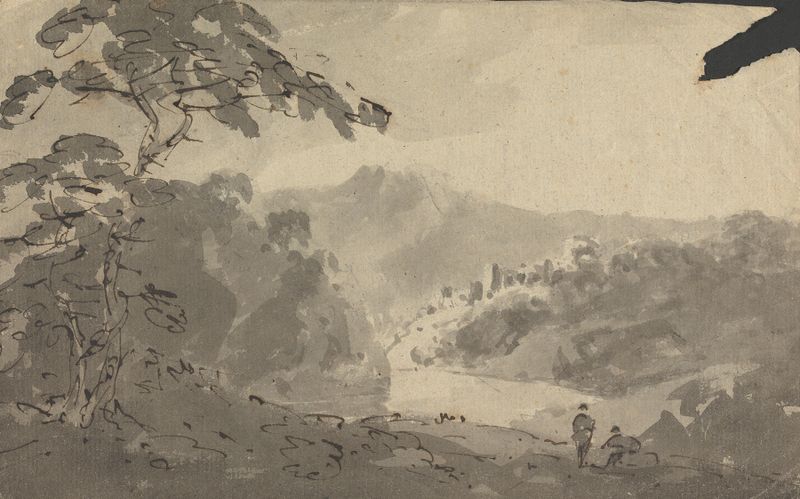
Two Men Looking Into Landscape with Castle, River and Mountain Scene
William Gilpin
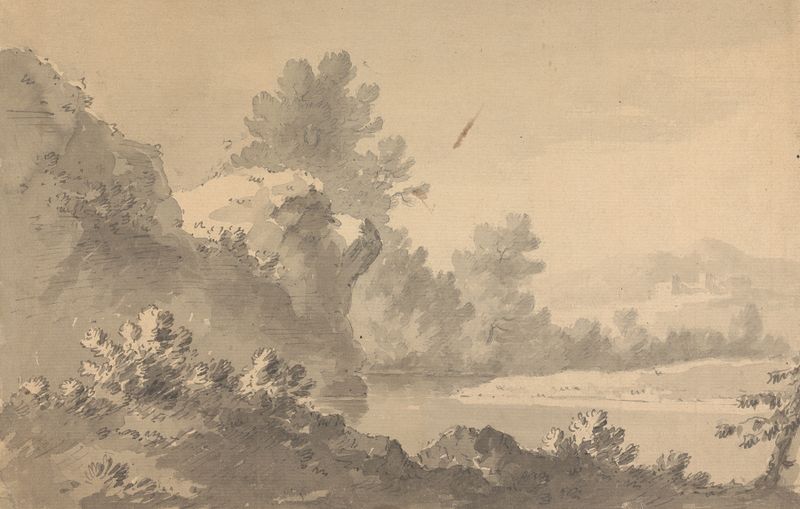
River Landscape with Castle in the Distance
William Gilpin
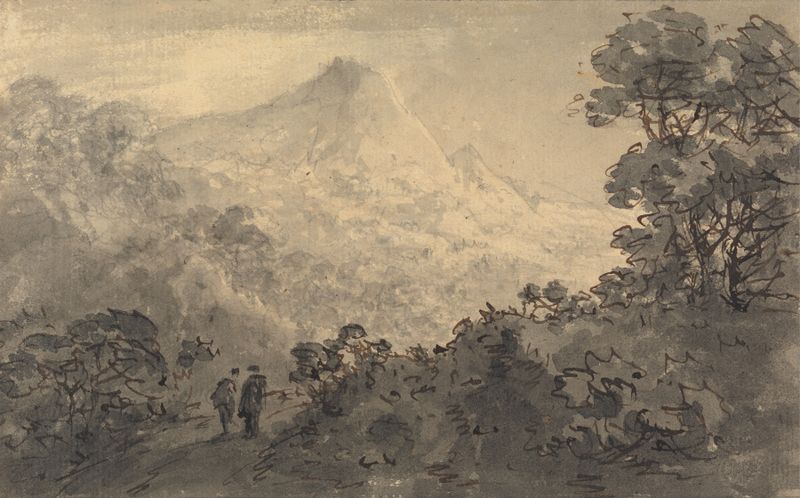
Snowdon
William Gilpin

Hilly Landscape
William Gilpin
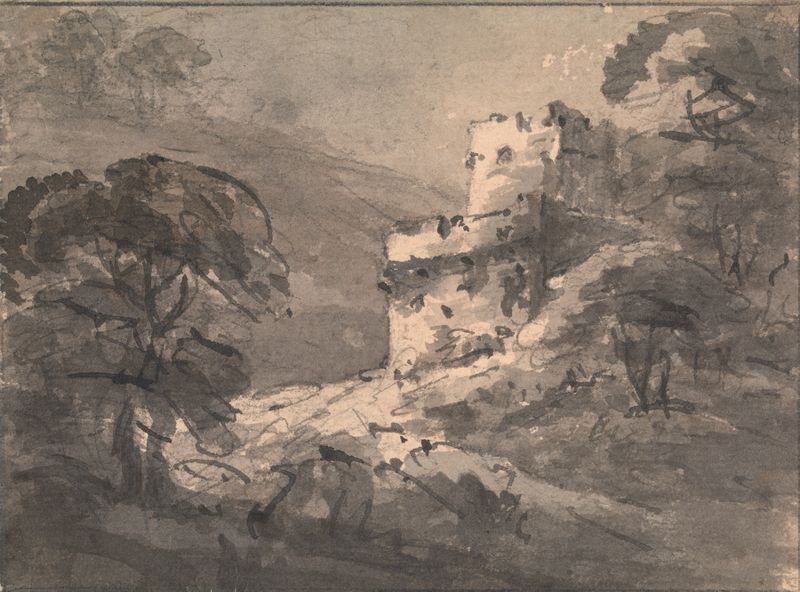
Landscape with a Ruined Castle on the Right
William Gilpin

Mountainous Landscape with Trees – High Crags to the Right
William Gilpin

View of Castle Ruin
William Gilpin
Bridge on the Malton Road from York
William Gilpin

Landscape with Two Trees and Castle
William Gilpin





