
River Landscape with Castle in the Distance — History & Facts
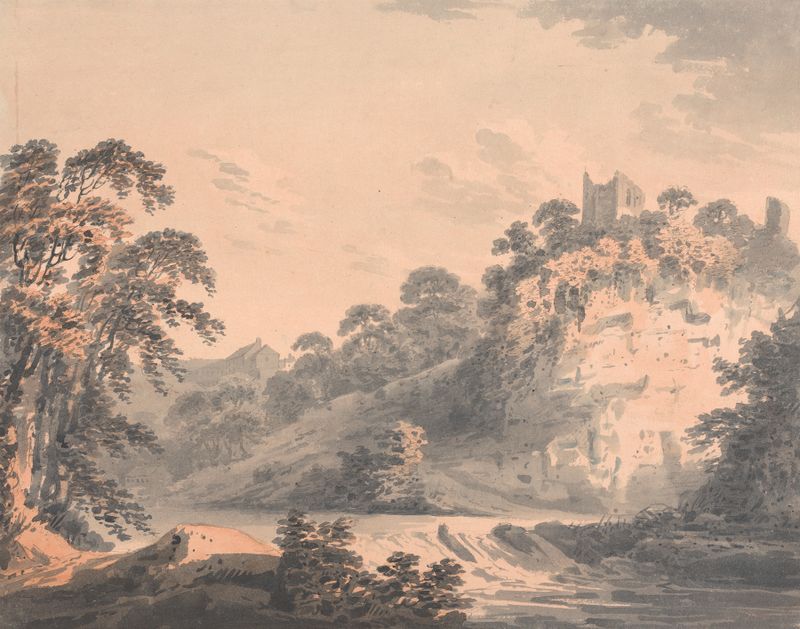
In the solitude of nature, where silence meets serenity, we find a canvas that invites us to transcend the ordinary. Here, the river flows, a quiet witness to the stories of those who gaze upon its surface, calling us to delve deeper into the whispers of its substance. Look to the foreground, where the gentle curve of the river beckons your gaze, inviting you to travel along its banks. The play of light dances on the water, created with delicate brushstrokes that evoke movement and life.
In contrast, the imposing castle looms in the distance, its robust architecture seemingly guarding the landscape. Surrounding it, a palette of earthy greens and sky blues provides a tranquil environment, yet hints at the tension between nature and human ambition. Delving deeper into the painting's essence, we find a poignant dialogue between the fleeting beauty of the river and the steadfastness of the castle. The juxtaposition of the fluid river, symbolizing change and passage, against the immovable structure conveys a meditation on the impermanence of life.
Each ripple mirrors the transient moments we often overlook, while the distant castle stands as a reminder of human pursuits and desires, creating a layered narrative of existence. In 1766, the artist crafted this work during a time when the Romantic movement began to flourish, emphasizing the sublime qualities of nature. Living in England, he was influenced by the picturesque ideals of the era, seeking to capture both the beauty and the depth of the landscape. This painting reflects his desire to elevate ordinary scenes into realms of contemplation and transcendence, inviting viewers to pause and reflect on their own journeys.
More Artworks by William Gilpin
Browse all →
Bridgnorth Bridge, Shropshire
William Gilpin
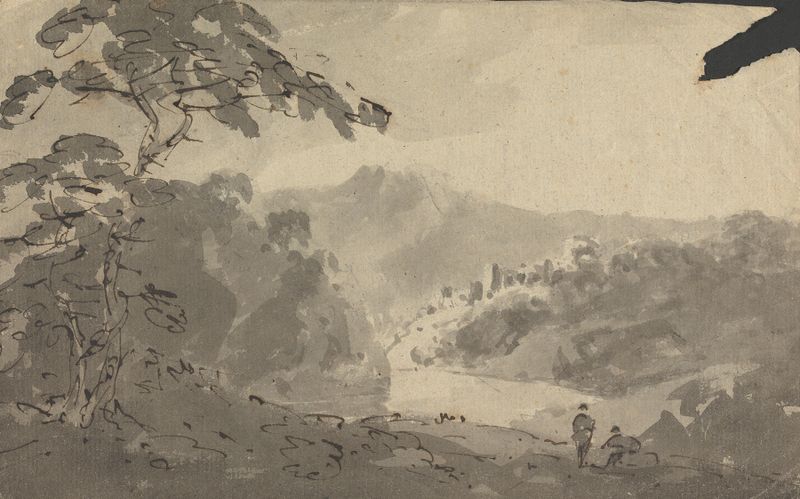
Two Men Looking Into Landscape with Castle, River and Mountain Scene
William Gilpin
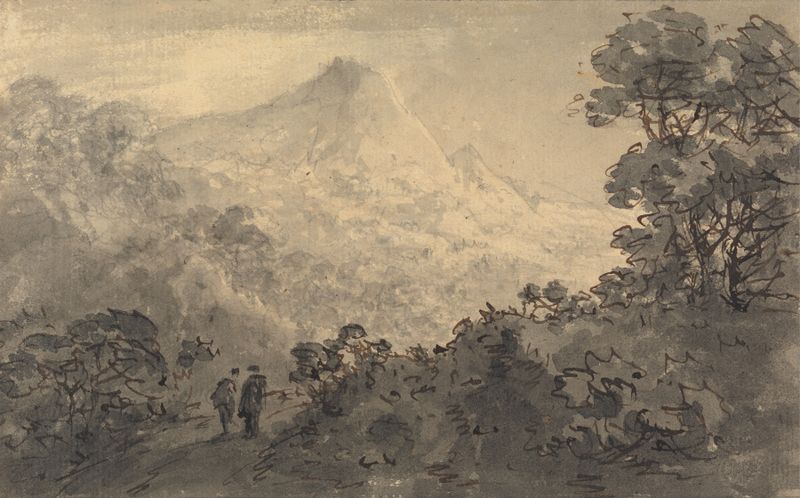
Snowdon
William Gilpin

Hilly Landscape
William Gilpin
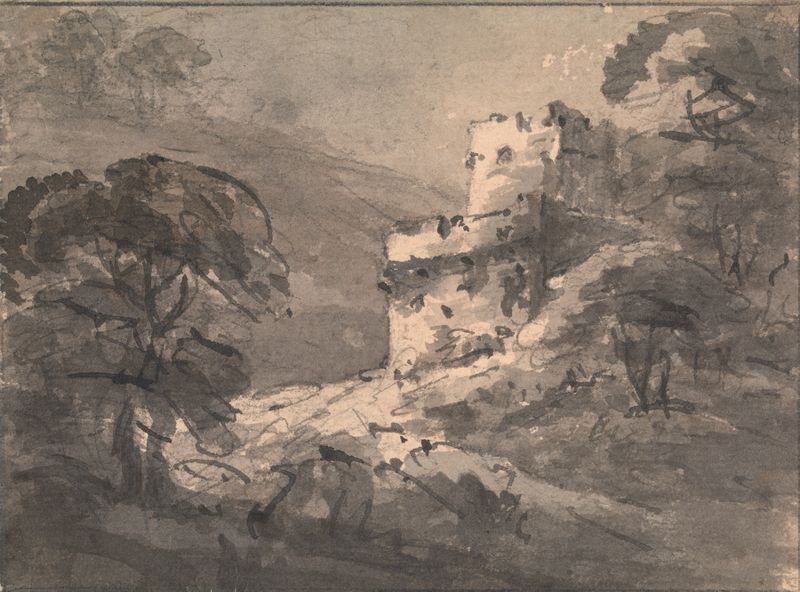
Landscape with a Ruined Castle on the Right
William Gilpin

Mountainous Landscape with Trees – High Crags to the Right
William Gilpin

View of Castle Ruin
William Gilpin
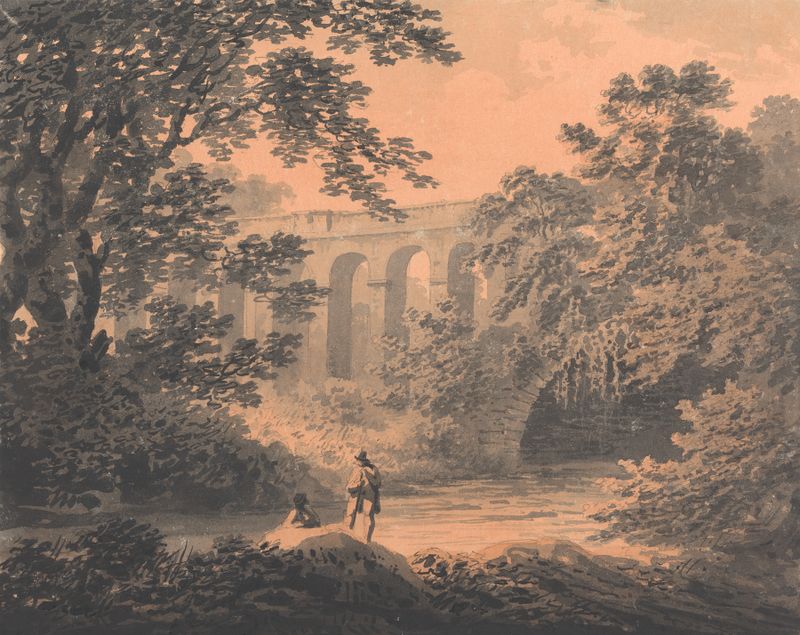
Bridge on the Malton Road from York
William Gilpin

Landscape with Two Trees and Castle
William Gilpin
Knaresborough Castle, Yorkshire
William Gilpin





