
Hilly Landscape — History & Facts
Can beauty exist without sorrow? In the delicate balance of nature's landscapes, William Gilpin invites us to ponder this question in Hilly Landscape. Look to the horizon where undulating hills rise and fall, painted in a soft palette of greens and blues. The gentle strokes create a sense of movement, guiding the eye through a serene vista enveloped in tranquility. Notice the way the light breaks across the peaks, casting muted shadows that evoke both depth and distance, while the wispy clouds hover above, hinting at an ever-changing atmosphere.
The composition draws you in, masterfully blending foreground and background, inviting contemplation of the world beyond. Yet beneath this idyllic surface lies an emotional tension. The tranquility of the landscape contrasts sharply with the absence of human presence, suggesting a silence that can feel both comforting and isolating. Each brushstroke captures the beauty of nature, yet the subtle transitions of color and form hint at the impermanence of such beauty, an echo of the inevitable sorrow that accompanies the passage of time.
The interplay of light and shadow serves as a metaphor for life's dualities—joy intertwined with loss. Painted between 1745 and 1748, this work emerges from a period when Gilpin was deeply engaged in the picturesque movement, advocating for the appreciation of natural beauty. Living in England, he was influenced by the evolving Romantic ideals, which sought to capture the sublime in nature. This painting reflects his desire to interpret the landscape not just as a visual feast, but as an emotional experience, bridging the gap between beauty and the complexities of human emotion.
More Artworks by William Gilpin
Browse all →
Bridgnorth Bridge, Shropshire
William Gilpin
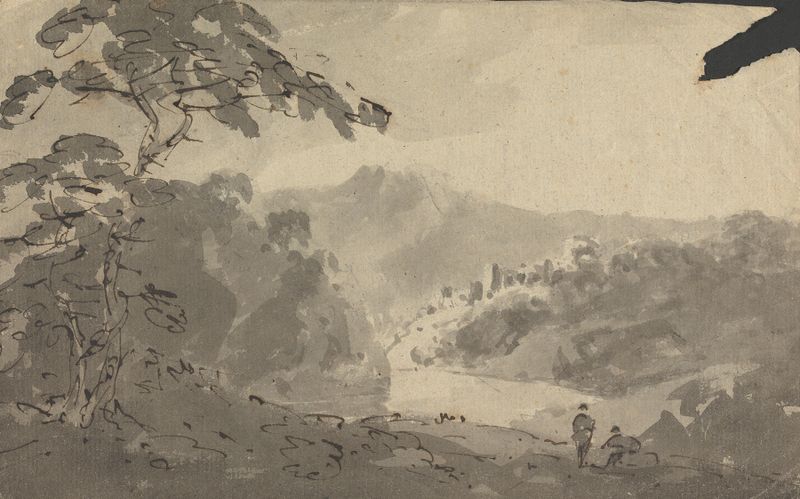
Two Men Looking Into Landscape with Castle, River and Mountain Scene
William Gilpin
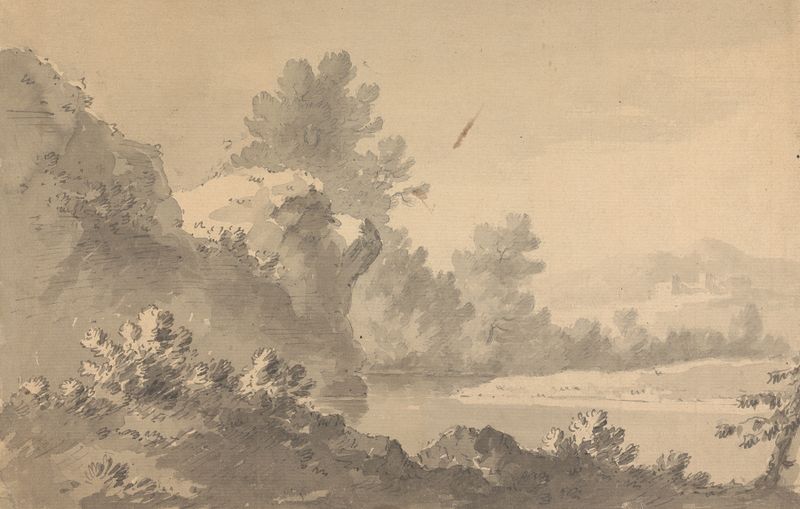
River Landscape with Castle in the Distance
William Gilpin
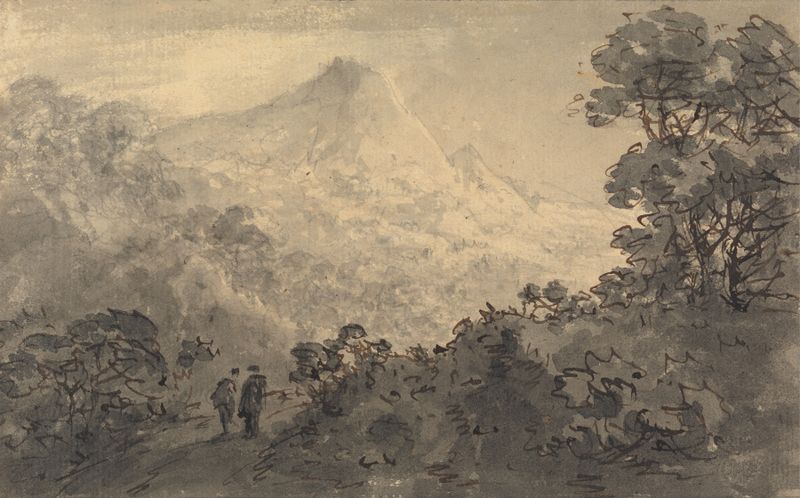
Snowdon
William Gilpin
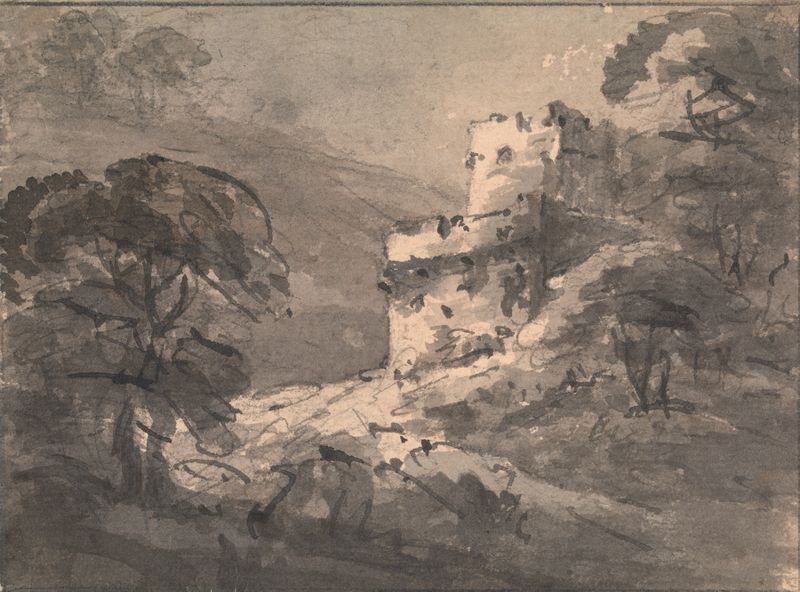
Landscape with a Ruined Castle on the Right
William Gilpin

Mountainous Landscape with Trees – High Crags to the Right
William Gilpin

View of Castle Ruin
William Gilpin
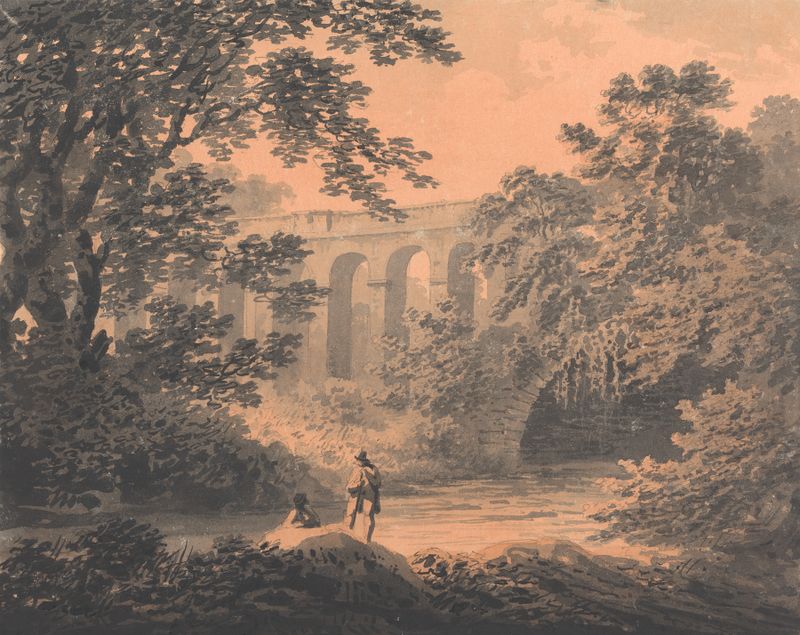
Bridge on the Malton Road from York
William Gilpin

Landscape with Two Trees and Castle
William Gilpin
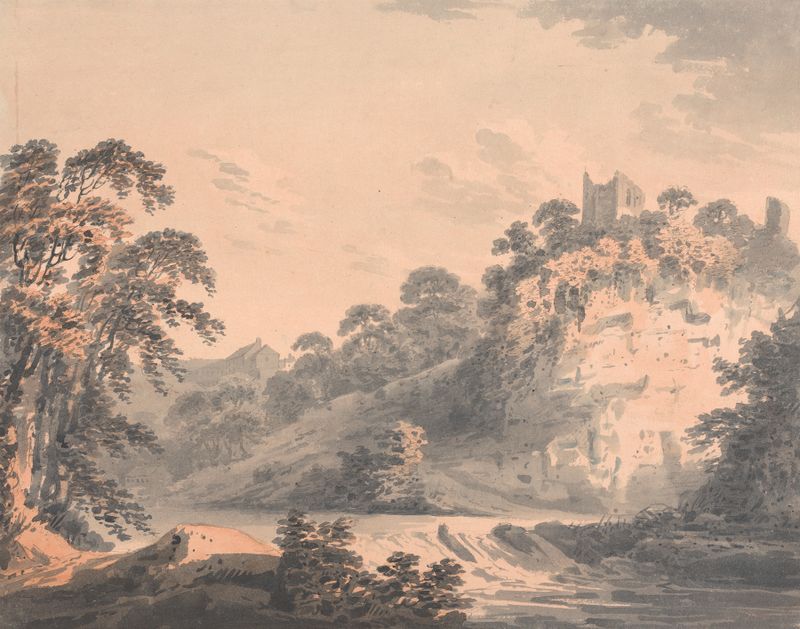
Knaresborough Castle, Yorkshire
William Gilpin





