
Landscape with a Ruined Castle on the Right — History & Facts
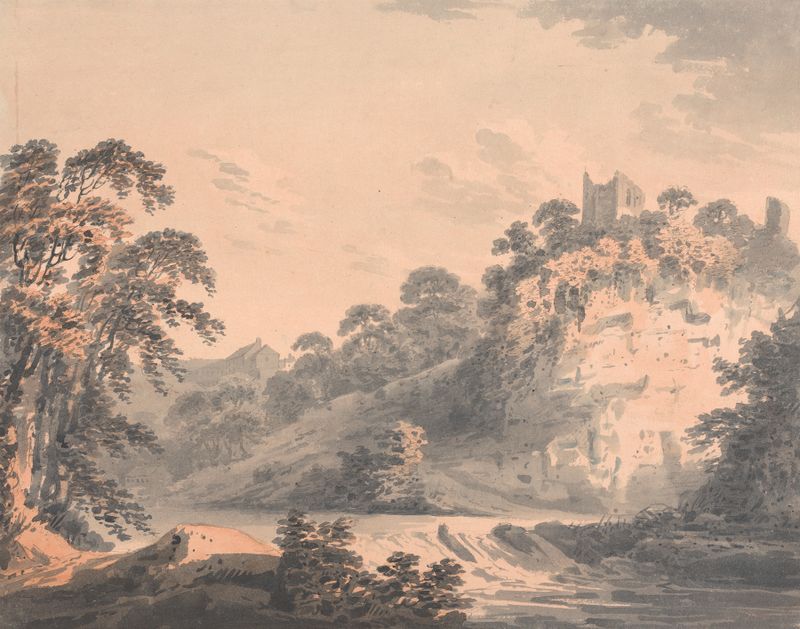
Is this a mirror — or a memory? One can’t help but wonder if the crumbling structure before us is a relic of a forgotten time or a mirage conjured by the mind's madness. Look to the right at the dilapidated castle, its weathered stones stark against the tranquil landscape. The brushwork evokes a sense of decay, with earthy browns and muted greens enveloping the ruins. Notice how the light dances across the horizon, casting long shadows that seem to whisper secrets of the past.
The trees, standing tall and defiant, frame the scene, creating a contrast between the enduring presence of nature and the fragility of manmade structures. Delve deeper into the interplay of nostalgia and despair. The ruined castle might symbolize lost grandeur, while the serene landscape surrounding it suggests an acceptance of time’s relentless passage. The absence of human figures amplifies the isolation — a haunting loneliness pervades the scene, hinting at the madness of inescapable memories and the weight of history.
Each stroke invites the viewer to ponder the thin veil between memory and reality, a reminder of what once was and the shadows it casts in our minds. During the years between 1745 and 1748, the artist was immersed in a burgeoning Romantic movement that favored the sublime and the picturesque in nature. Working in England, Gilpin was inspired by both the scenic beauty of the countryside and the growing interest in landscape painting. This period saw a shift in how art addressed emotional depth, paving the way for future explorations of memory and madness.
More Artworks by William Gilpin
Browse all →
Bridgnorth Bridge, Shropshire
William Gilpin
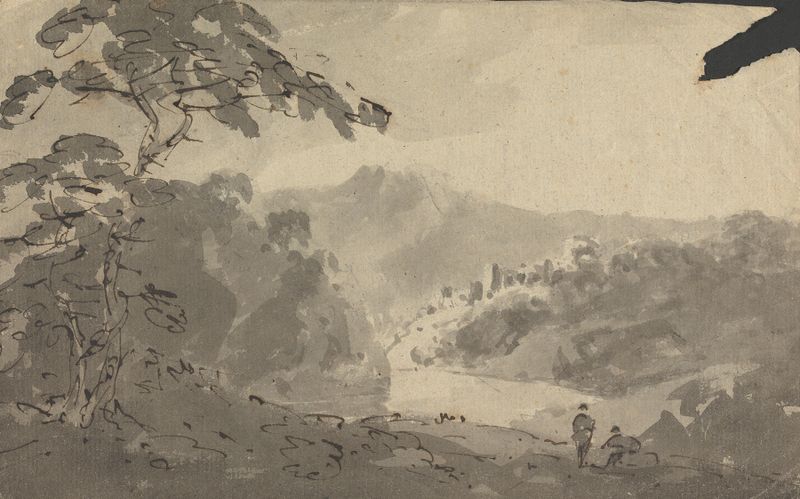
Two Men Looking Into Landscape with Castle, River and Mountain Scene
William Gilpin
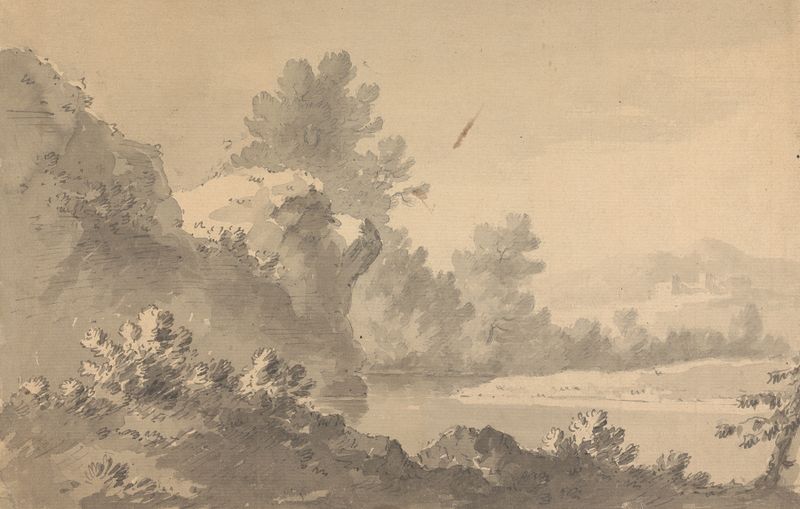
River Landscape with Castle in the Distance
William Gilpin
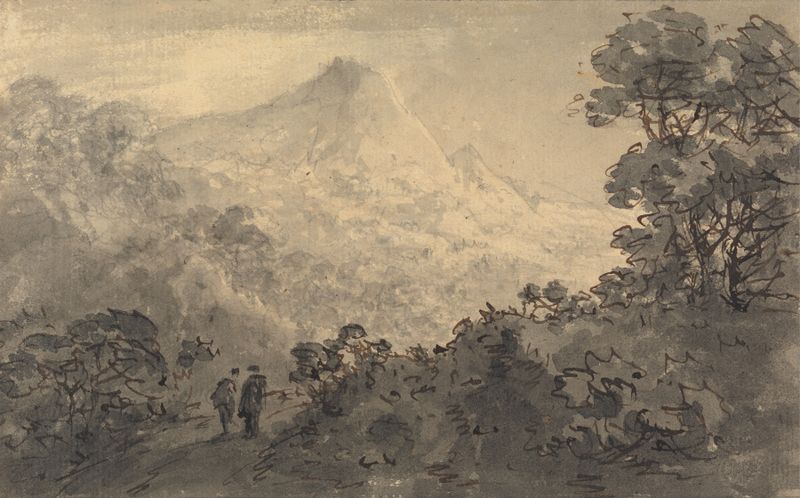
Snowdon
William Gilpin

Hilly Landscape
William Gilpin

Mountainous Landscape with Trees – High Crags to the Right
William Gilpin

View of Castle Ruin
William Gilpin
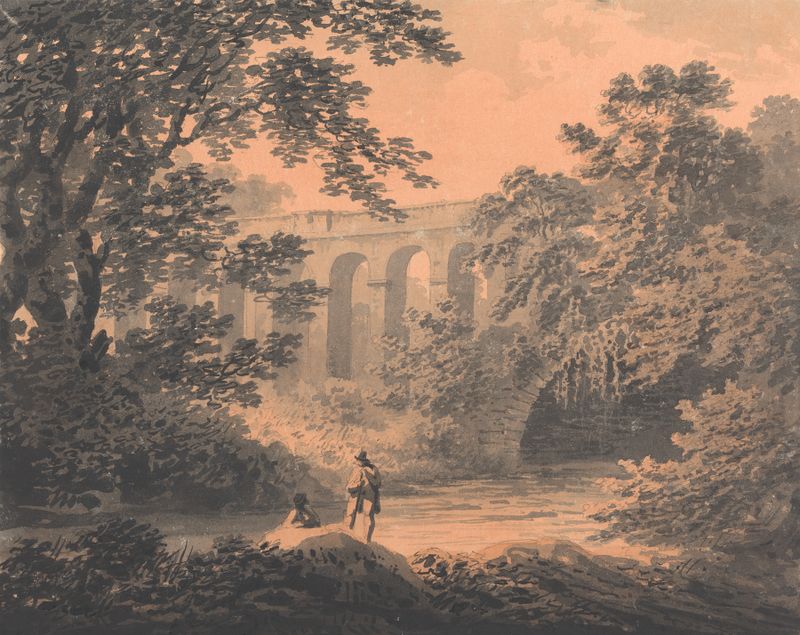
Bridge on the Malton Road from York
William Gilpin

Landscape with Two Trees and Castle
William Gilpin
Knaresborough Castle, Yorkshire
William Gilpin





