
Mountainous Landscape with Trees – High Crags to the Right — History & Facts
It invites us to witness the vibrant dialogue between color and form, beckoning our attention to the serenity of nature. Look to the left at the lush green trees, their leaves rendered in varying shades of emerald and jade. Notice how the soft brushstrokes create a sense of movement, rustling gently in an unseen breeze. The light dances across the canvas, illuminating the crags on the right, where shades of muted gray and blue reveal the rugged texture of the mountains.
This interplay of light and dark not only enhances the composition but also evokes a sense of depth and majesty. Beneath the calm exterior of this mountainous scene lies a profound contrast. The lushness of the trees symbolizes life and vitality, while the stark crags suggest the formidable presence of nature’s harsh realities. The tension between these elements invites contemplation on the duality of beauty and danger that exists in the natural world.
Each stroke captures a fleeting moment of harmony, yet the looming heights remind us of our smallness in the face of such grandeur. William Gilpin painted this landscape during a time when the Romantic movement was gaining momentum, emphasizing nature's sublime beauty. Working in England, he sought to bridge the gap between art and the awe-inspiring landscapes he encountered, blending observation with personal interpretation. His exploration of color and light in this piece signifies a broader trend in the 18th century, where artists began to embrace emotion and individual experience in their representations of the natural world.
More Artworks by William Gilpin
Browse all →
Bridgnorth Bridge, Shropshire
William Gilpin
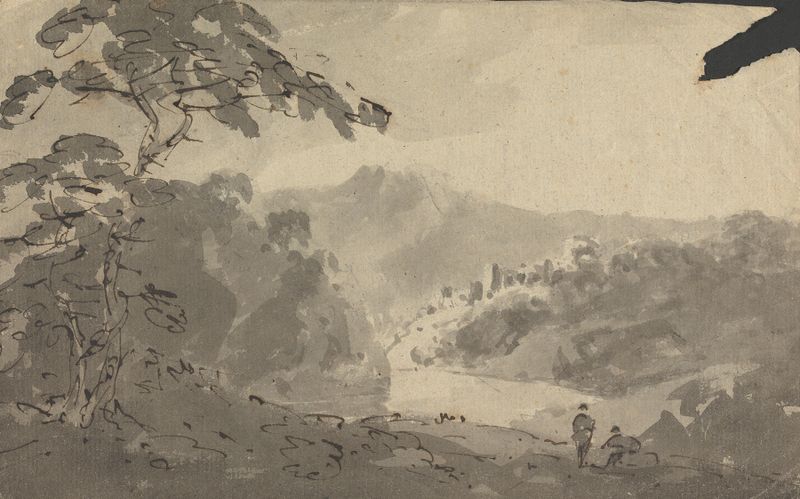
Two Men Looking Into Landscape with Castle, River and Mountain Scene
William Gilpin
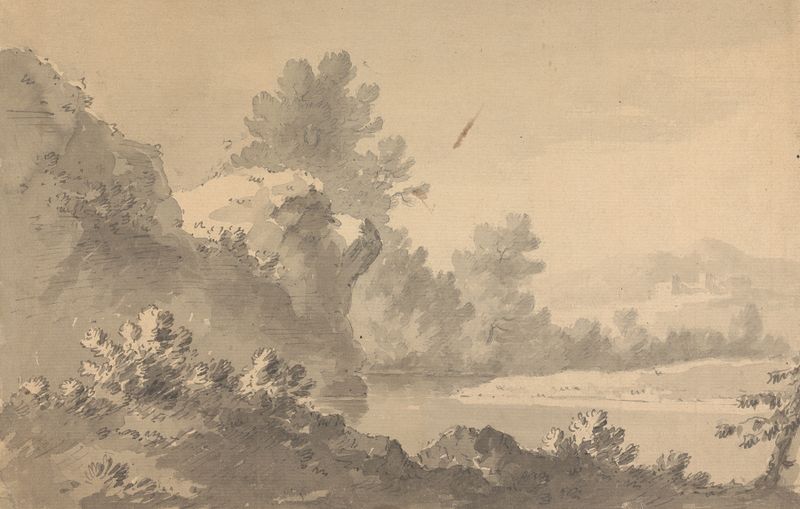
River Landscape with Castle in the Distance
William Gilpin
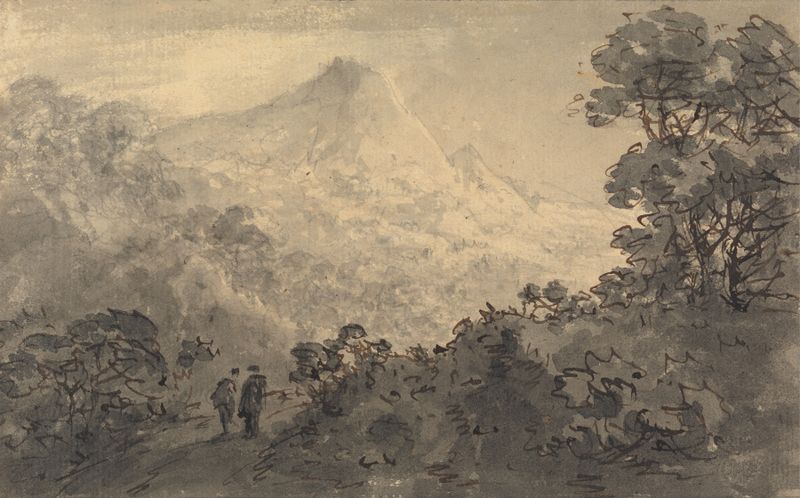
Snowdon
William Gilpin

Hilly Landscape
William Gilpin
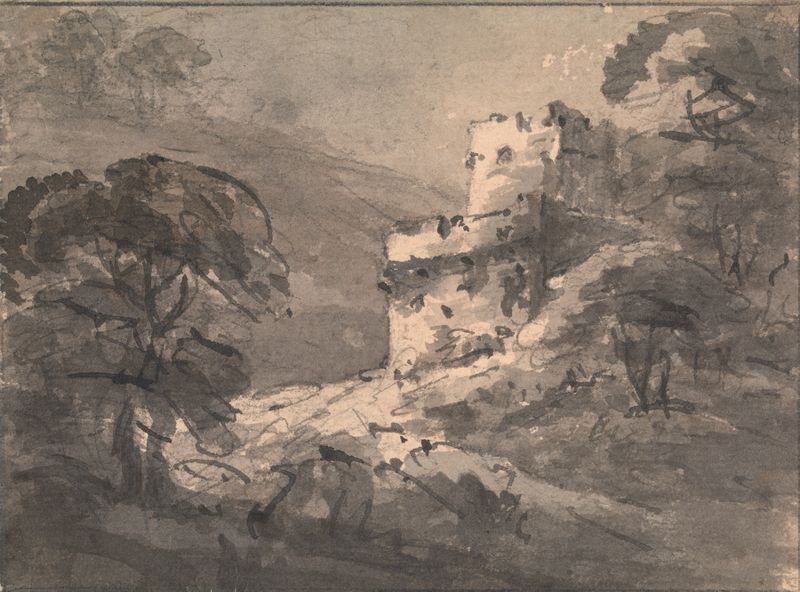
Landscape with a Ruined Castle on the Right
William Gilpin

View of Castle Ruin
William Gilpin
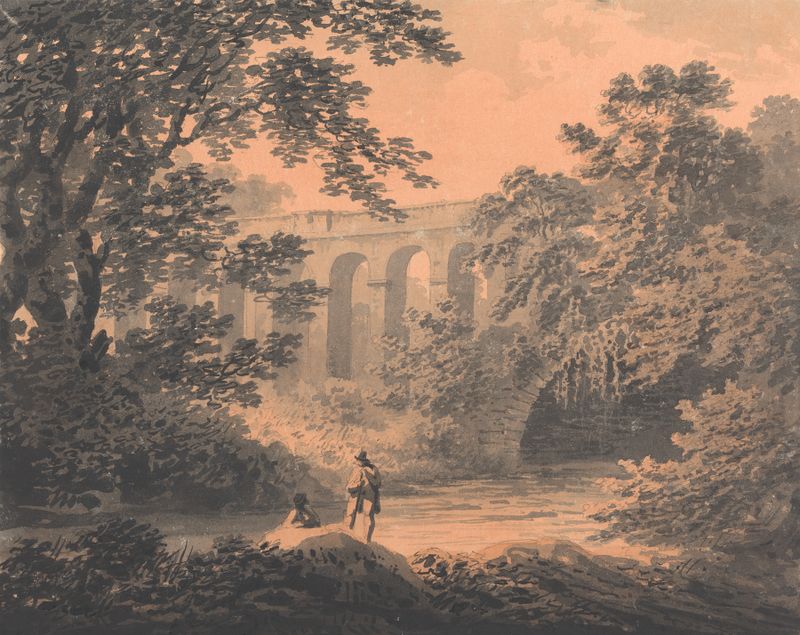
Bridge on the Malton Road from York
William Gilpin

Landscape with Two Trees and Castle
William Gilpin
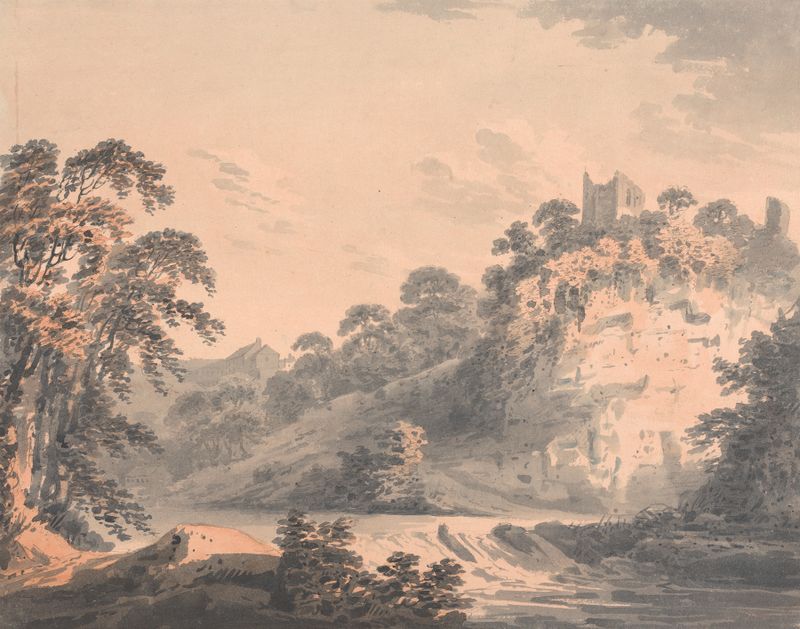
Knaresborough Castle, Yorkshire
William Gilpin





