
A Pot of Strawberries, Gooseberries, and a Bundle of Asparagus on a Stone Plinth — History & Facts
The eye is drawn first to the explosion of red: a terracotta pot brimming with wild strawberries, their seeds glinting in the light, each berry rendered with a devotion that borders on the obsessive. Against this riot of color, a tight bundle of pale asparagus stalks leans at an angle, their delicate tips tinged with violet, bound together and set atop a cold, stone plinth. Gooseberries, striped and veined, spill across the surface, their prickly skins catching the same crisp light that picks out the serrated leaves and a single, fragile white blossom.
The background is a void, so deep it swallows sound, making the objects appear almost suspended in time—fresh, but untouchable. Still life painting in the early 1700s, especially in the Dutch tradition, was a world of quiet drama and coded messages. Works like this one by Adriaen Coorte, dated 1703 and now in the National Gallery, London, were not grand commissions for palaces but intimate pictures, often made for private collectors who delighted in the painter’s ability to conjure luxury from humble things. The careful arrangement, the play of light on rough and smooth surfaces, and the almost scientific attention to botanical detail speak to a culture fascinated by nature’s bounty and the fleeting pleasures of the table.
History has kept few traces of Coorte’s own life, but in this painting, the everyday is made precious—an invitation to look longer, and see more.
Sources: Wikidata Q21173801 · Image source (Wikimedia Commons)
More Artworks by Adriaen Coorte
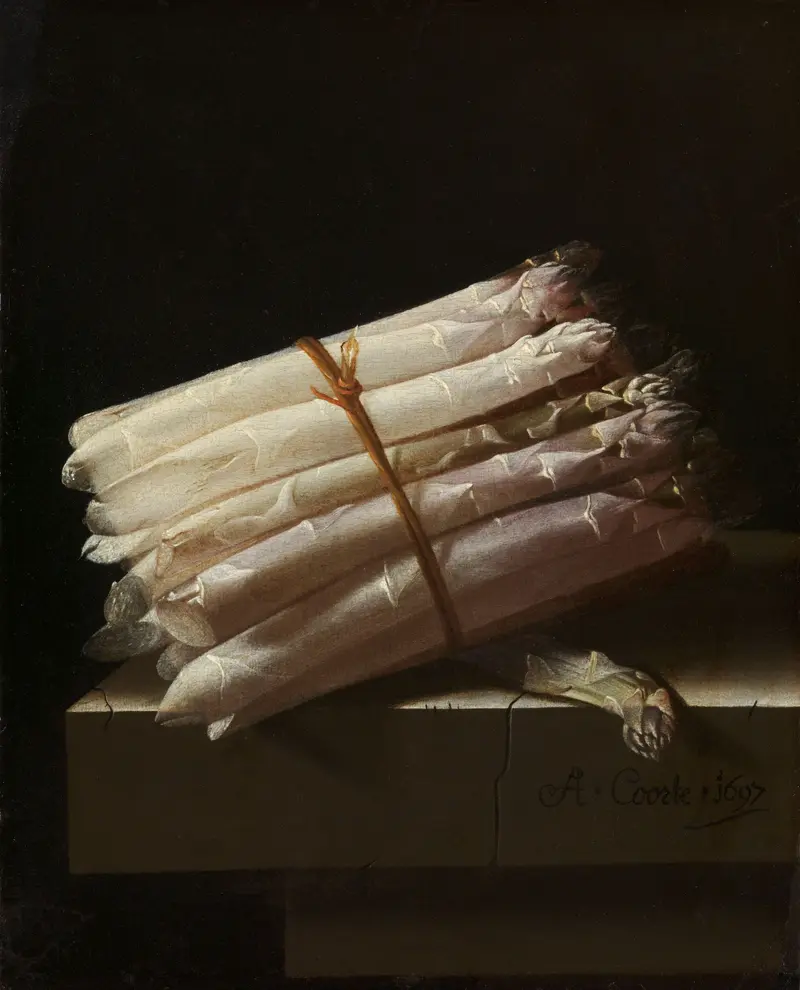
Still Life with Asparagus
Adriaen Coorte
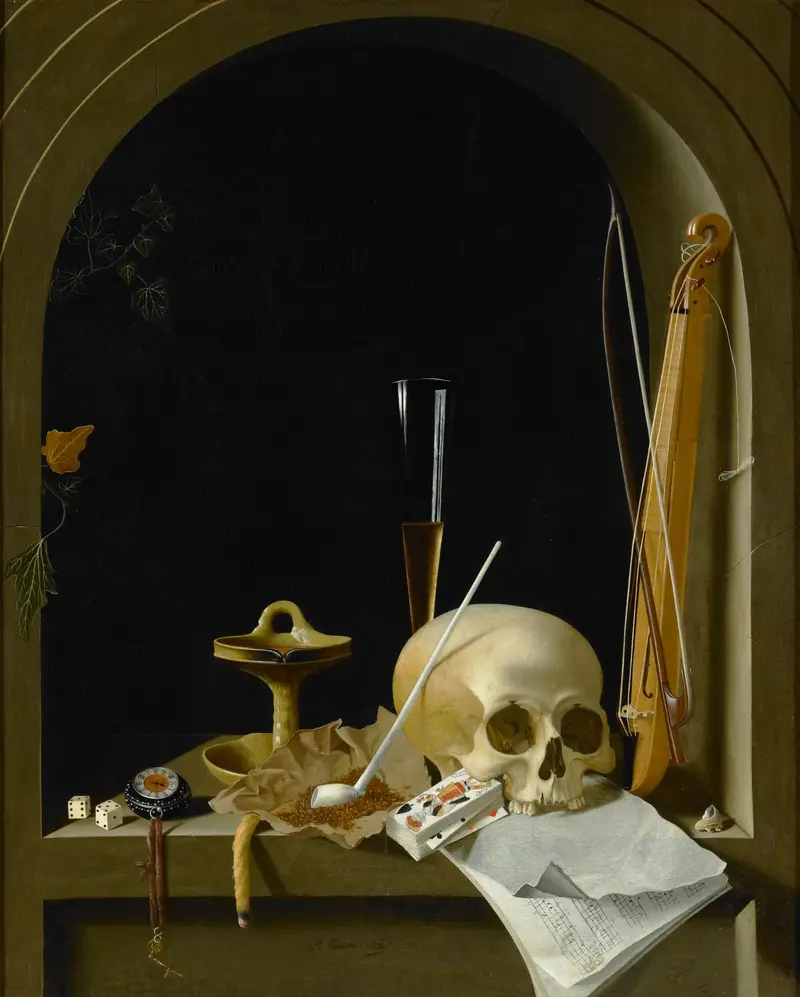
Vanitas still life in a niche
Adriaen Coorte
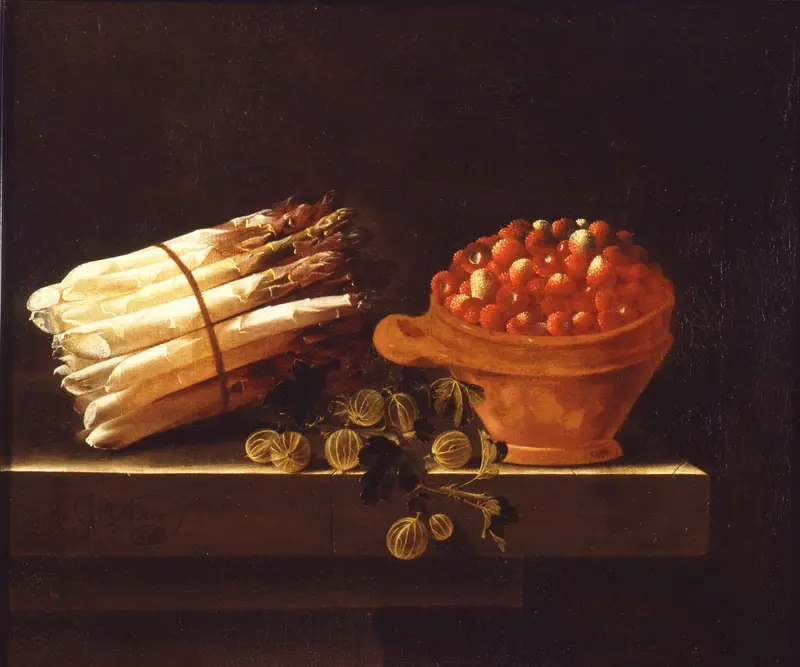
Asparagus, Gooseberries and Strawberries on a Stone Ledge
Adriaen Coorte
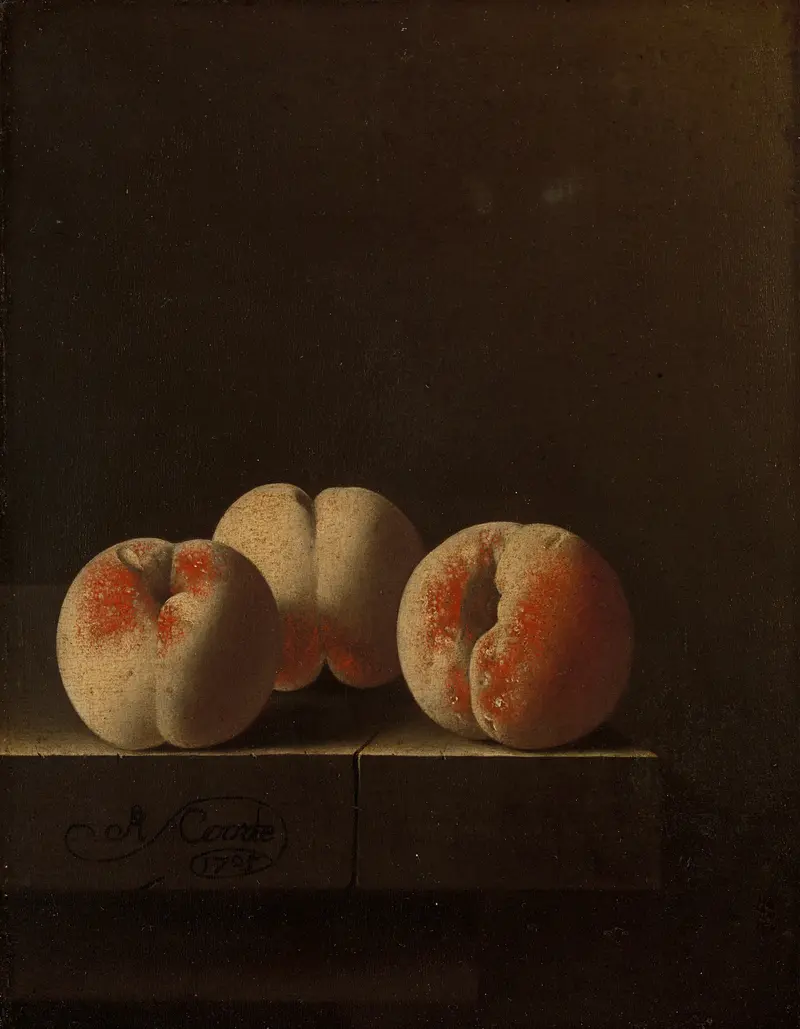
Drie perziken op een stenen plint SK A 5101 Rijksmuseum
Adriaen Coorte
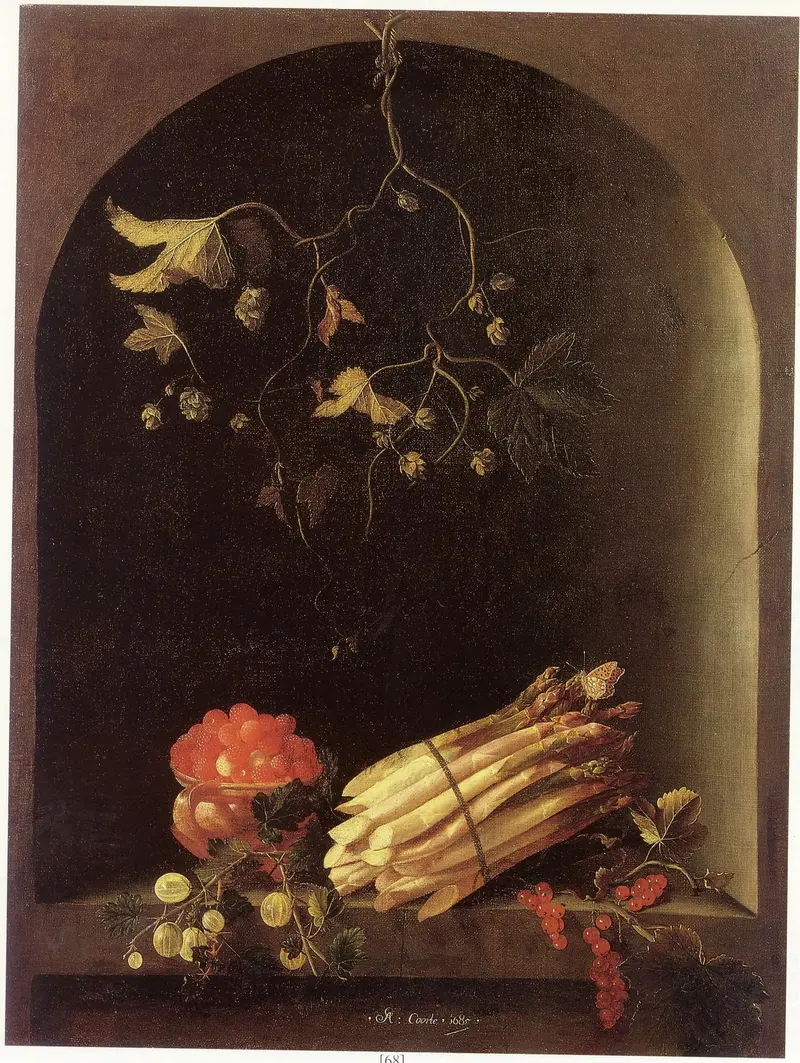
Strawberries, Asparagus, and Gooseberries in a Niche
Adriaen Coorte
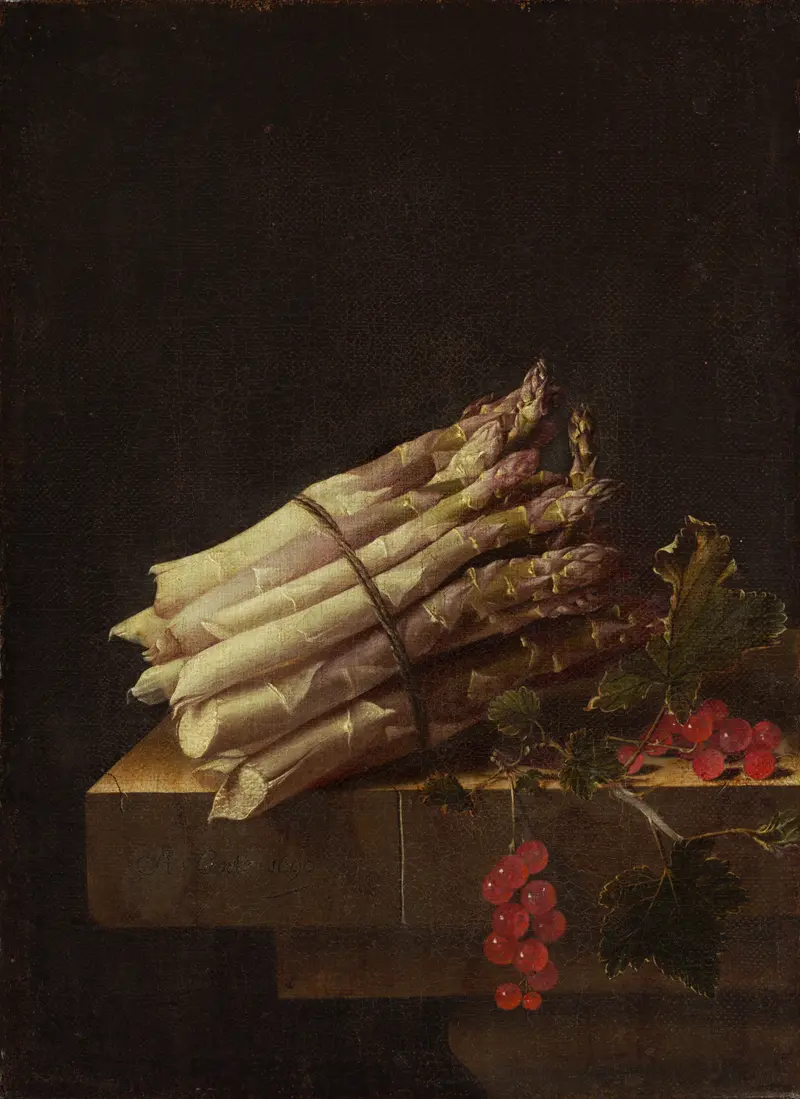
Still Life with Asparagus and Red Currants
Adriaen Coorte
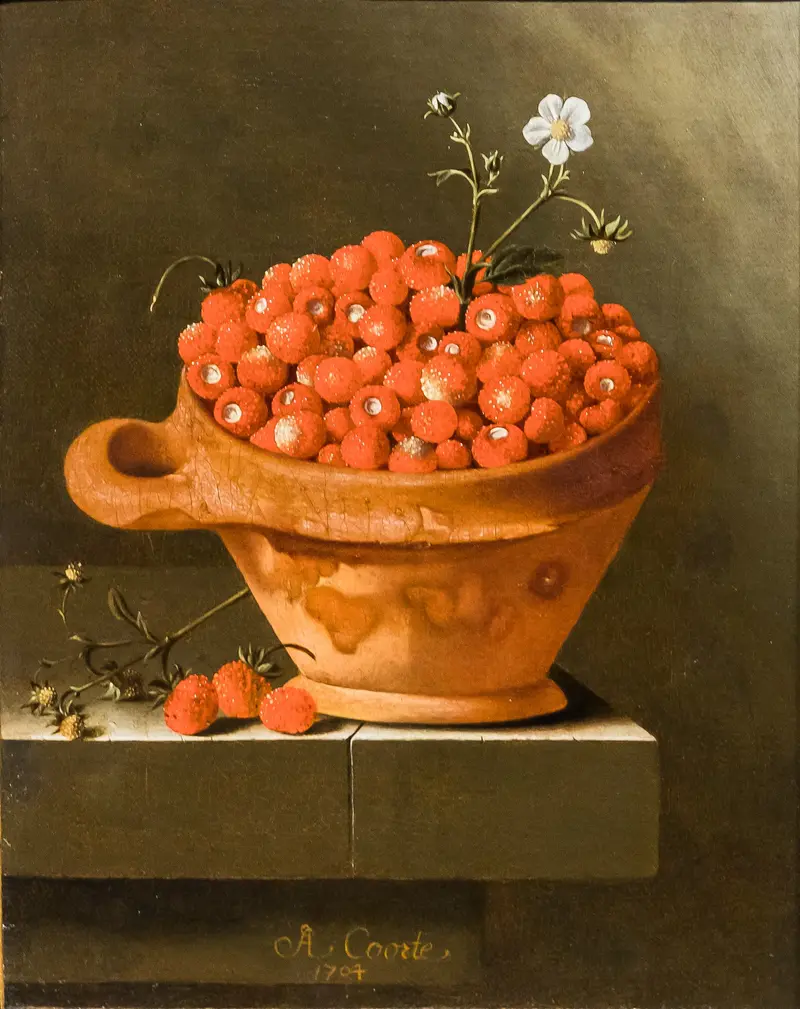
Still life with strawberries in a terracotta pot
Adriaen Coorte
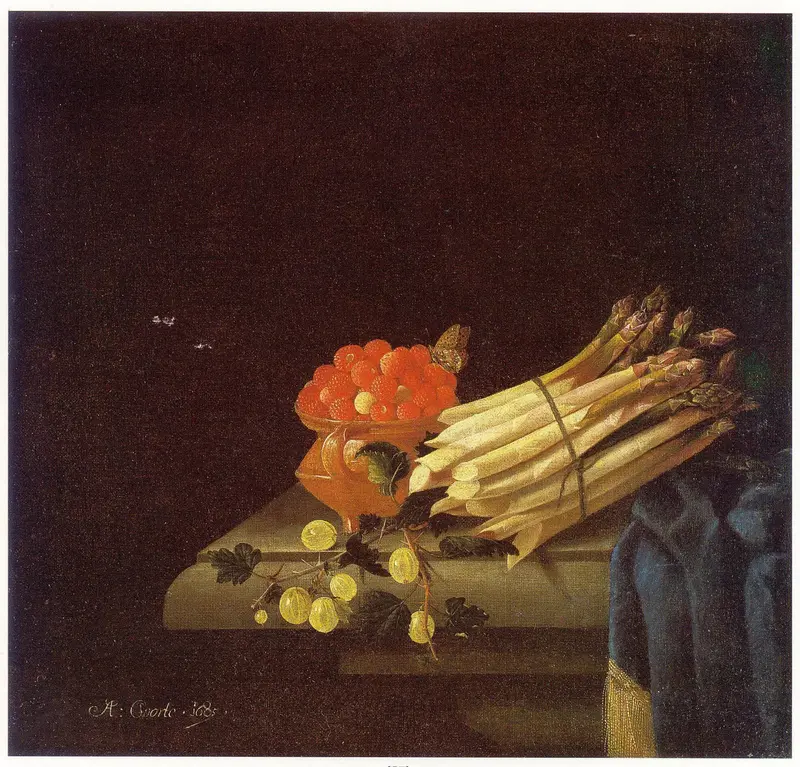
Strawberries, Asparagus, and Gooseberries with a Tablecloth
Adriaen Coorte
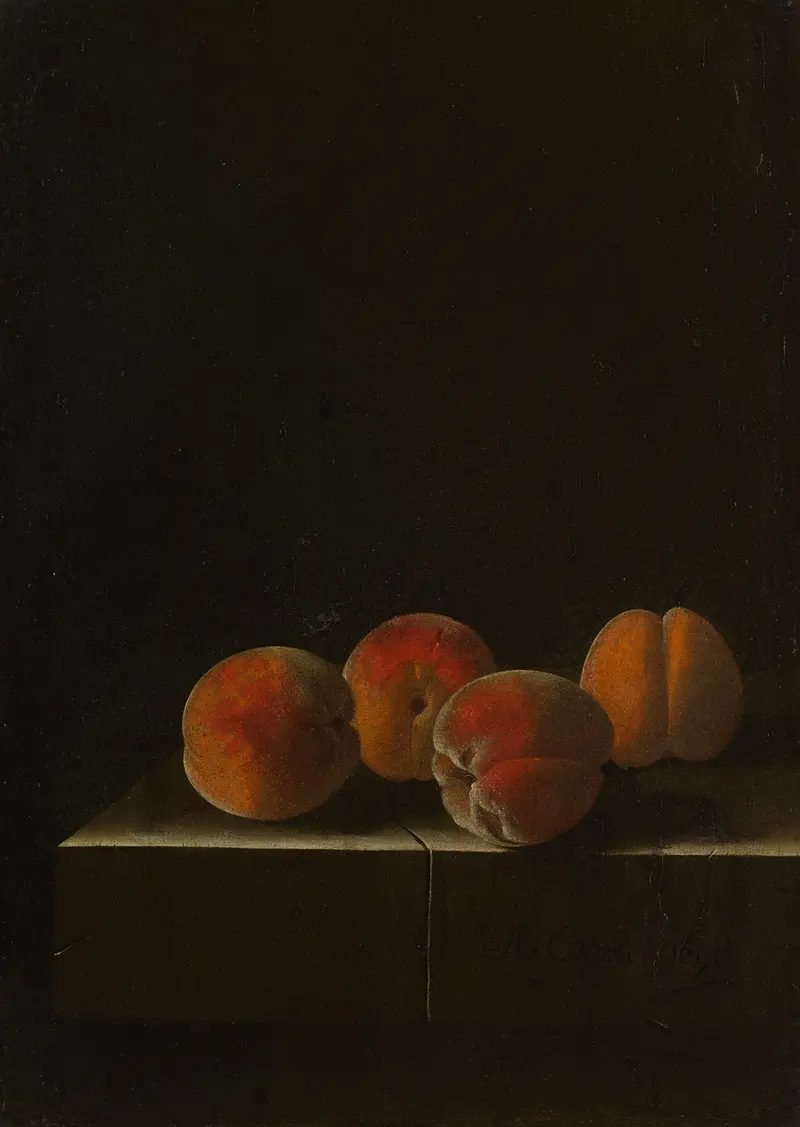
Four Apricots on a Stone Plinth
Adriaen Coorte
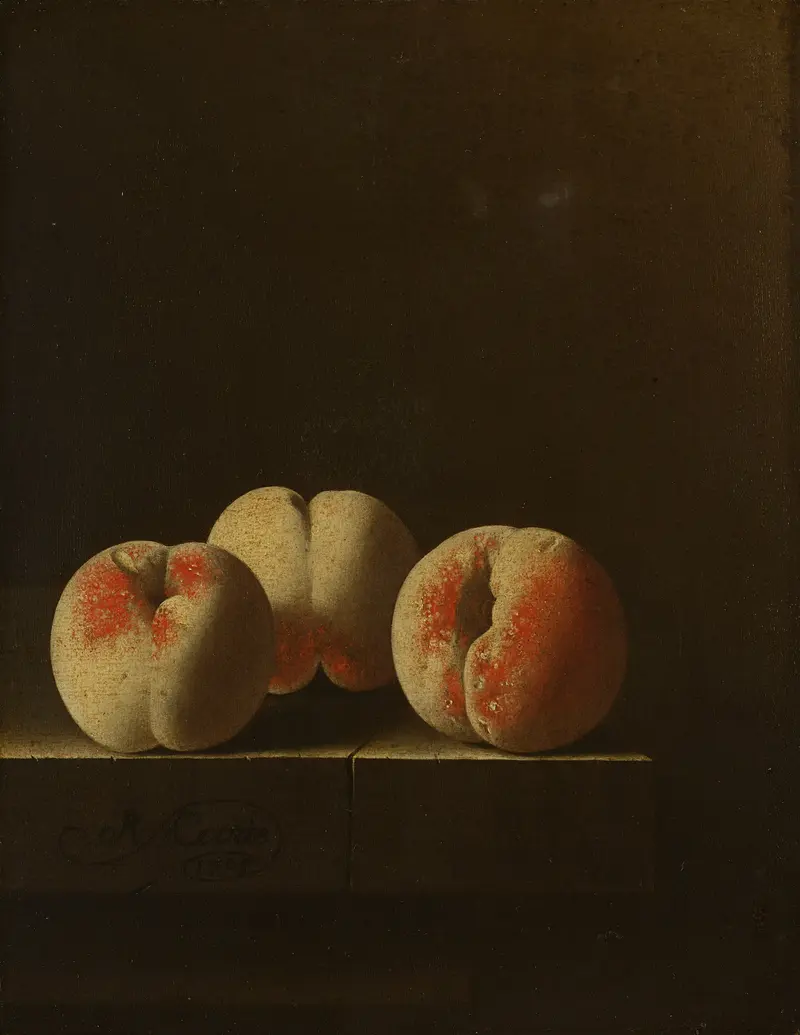
Three Peaches on a Stone Plinth
Adriaen Coorte





