
Still life with strawberries in a terracotta pot — History & Facts
What draws the eye first is the quiet abundance: a terracotta pot brimming with strawberries, their red surfaces dappled with tiny seeds, each berry rendered with a patient, almost meditative care. One white blossom, with its delicate petals and slender stem, rises above the fruit—a reminder of the plant’s living cycle, not just its harvest. The pot sits on a stone ledge, its surface catching a gentle light that picks out the roughness of clay and the fragile bloom of the berries.
Against a dark, unadorned background, every detail is heightened: the cool shadow beneath the pot, the stray berries and stems that have tumbled aside, the single flower that seems to float above the crowd. The composition is spare, yet every element has its place, inviting the viewer to linger on the humble luxury of fresh fruit at the height of its season. Painted in 1704, this work belongs to the world of Dutch still life, where artists like Adriaen Coorte found poetry in the simplest objects. In the late seventeenth and early eighteenth centuries, such paintings were often made for private collectors—merchants and burghers who delighted in the beauty and rarity of nature’s offerings.
The genre had evolved from sumptuous banquet pieces to more intimate studies, with artists like Coorte focusing on the quiet drama of light, texture, and form. History has kept few traces of Coorte’s career, and the medium of this particular painting remains undocumented, but its presence in a modern collection speaks to the enduring fascination with the ordinary made extraordinary. Look again at the single white flower: it is both a flourish and a signature, a gentle assertion that even the smallest things can command our attention.
More Artworks by Adriaen Coorte
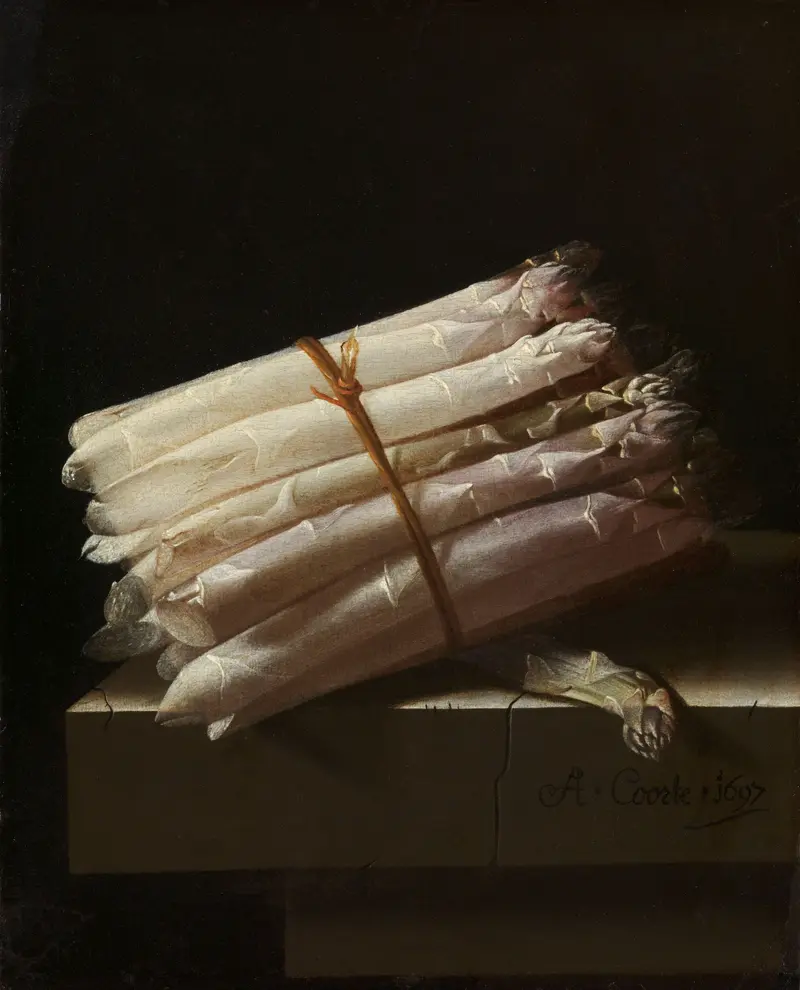
Still Life with Asparagus
Adriaen Coorte
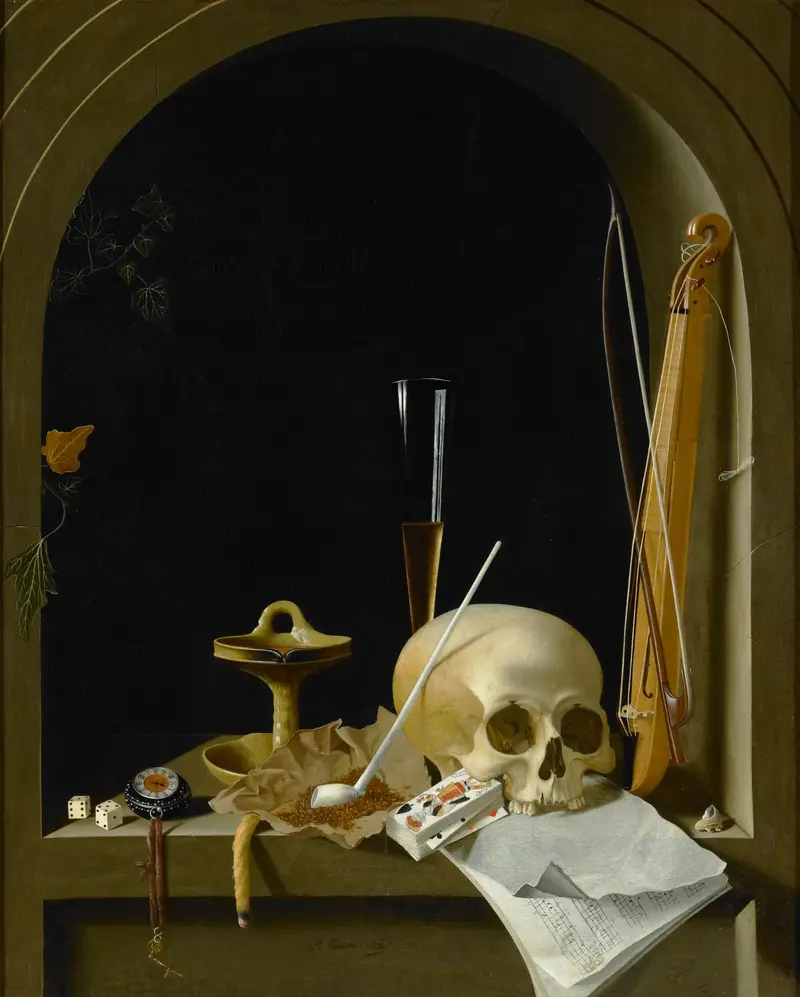
Vanitas still life in a niche
Adriaen Coorte
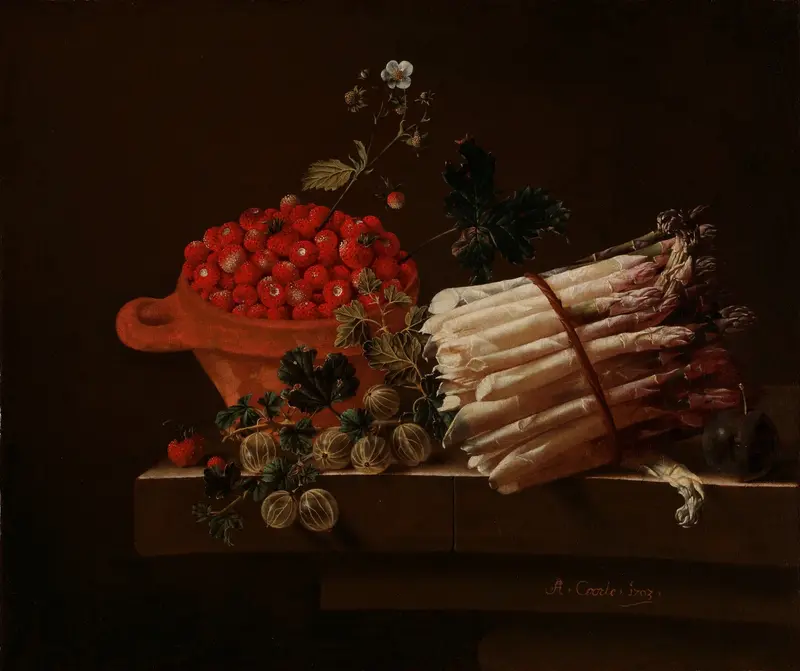
A Pot of Strawberries, Gooseberries, and a Bundle of Asparagus on a Stone Plinth
Adriaen Coorte
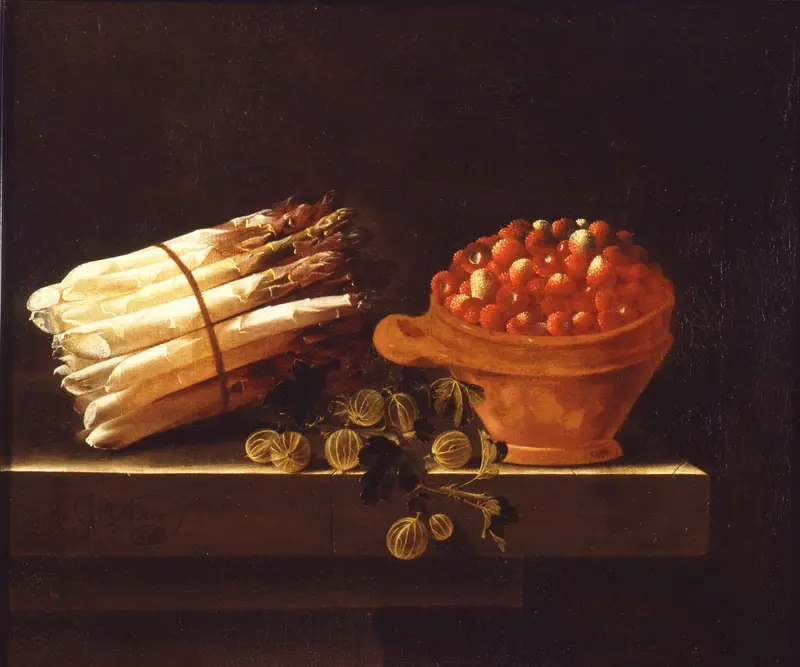
Asparagus, Gooseberries and Strawberries on a Stone Ledge
Adriaen Coorte
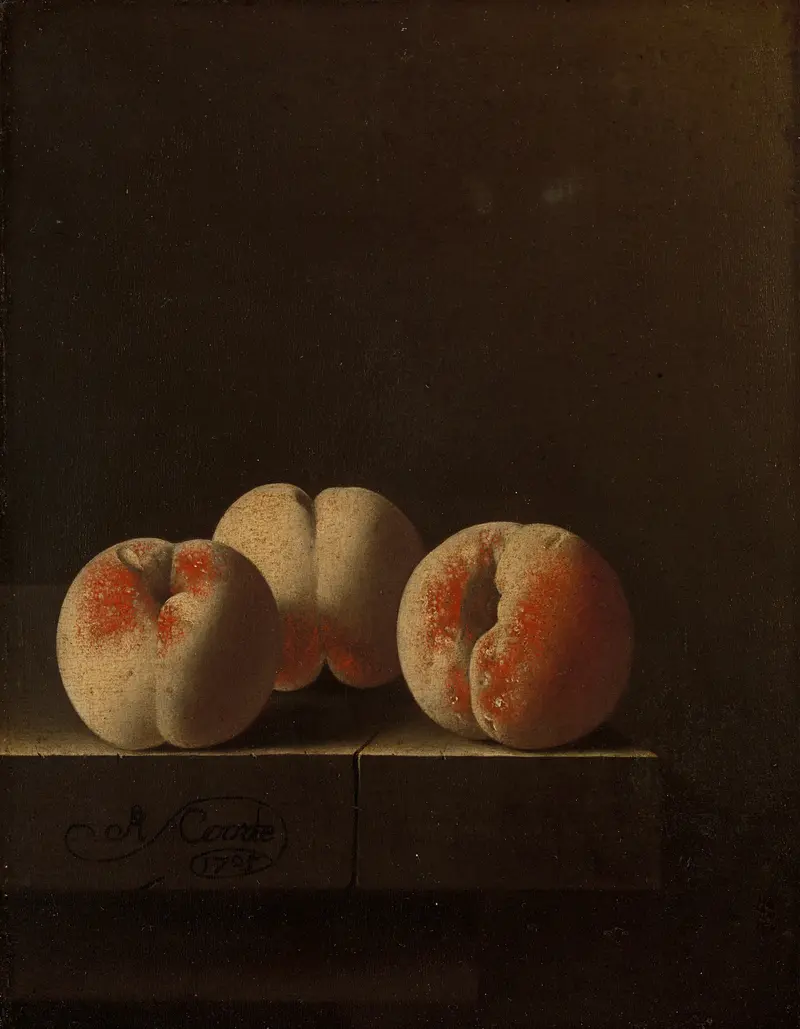
Drie perziken op een stenen plint SK A 5101 Rijksmuseum
Adriaen Coorte
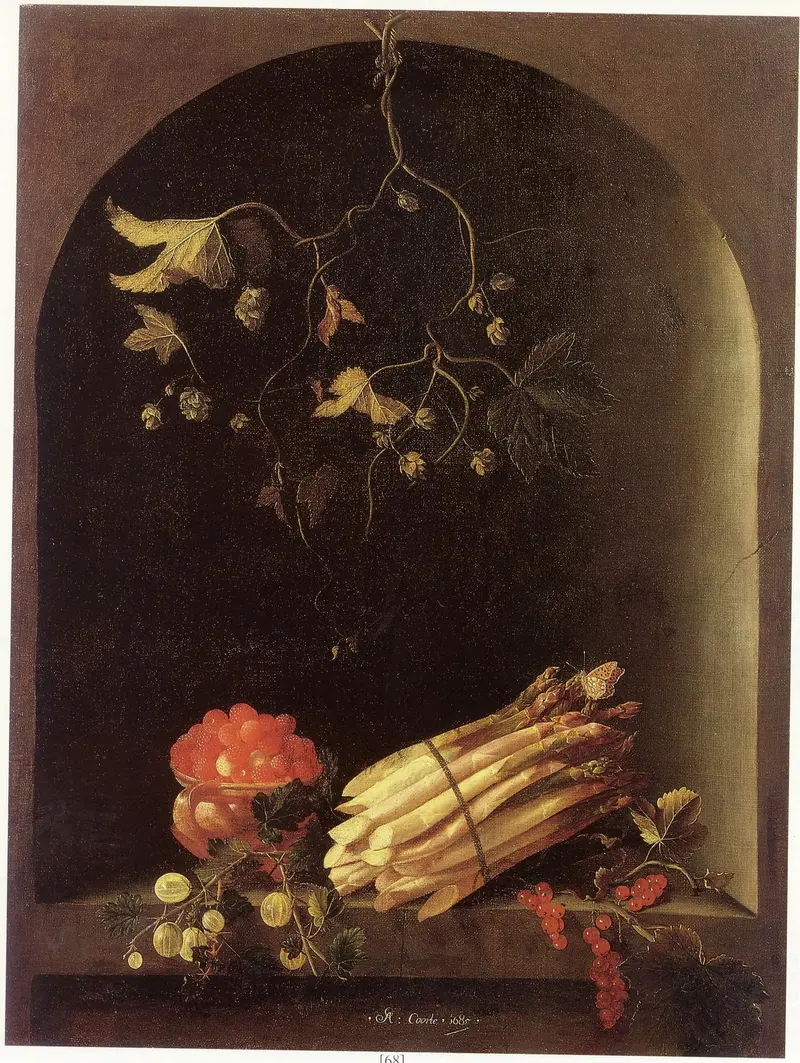
Strawberries, Asparagus, and Gooseberries in a Niche
Adriaen Coorte
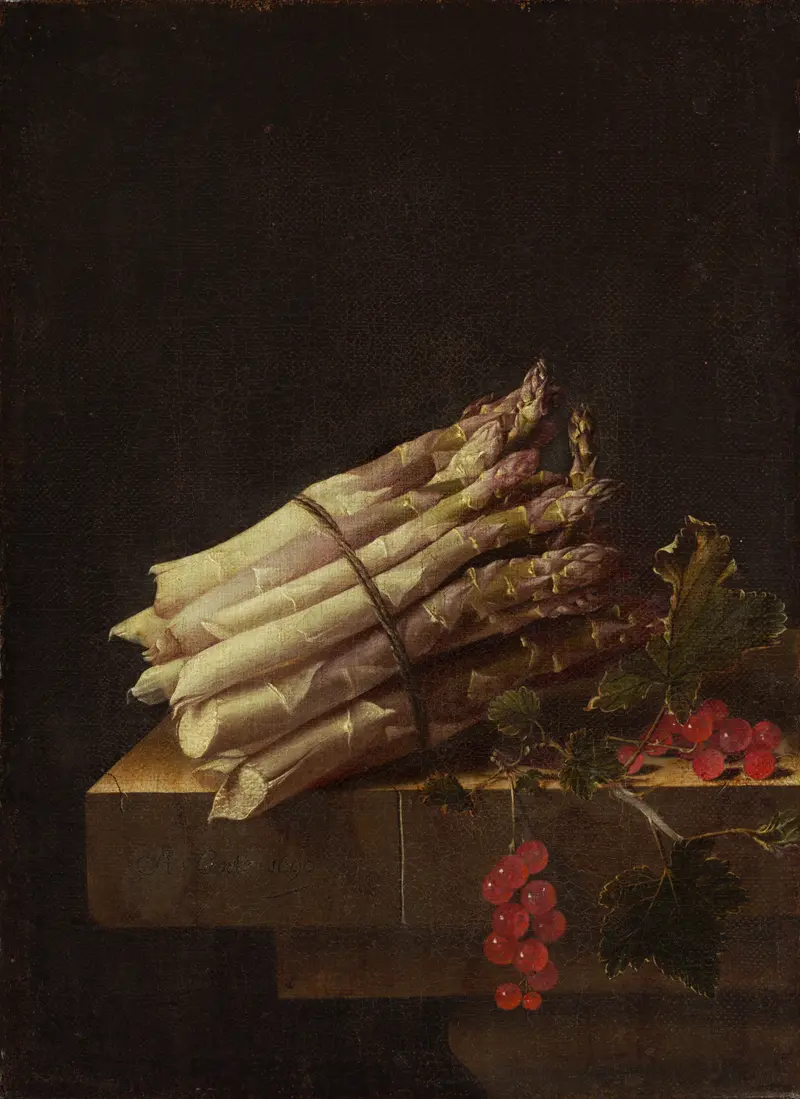
Still Life with Asparagus and Red Currants
Adriaen Coorte
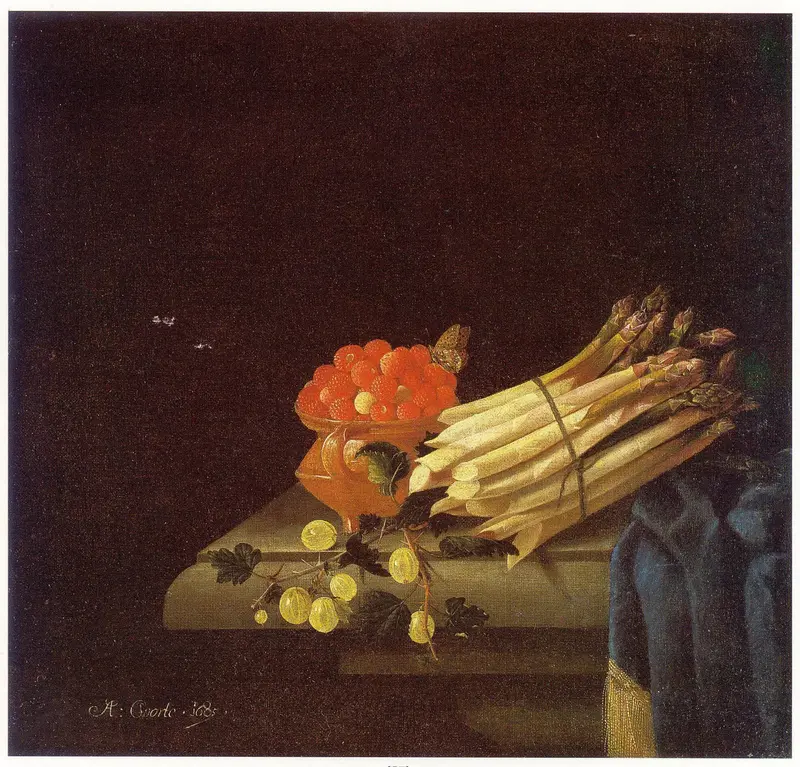
Strawberries, Asparagus, and Gooseberries with a Tablecloth
Adriaen Coorte
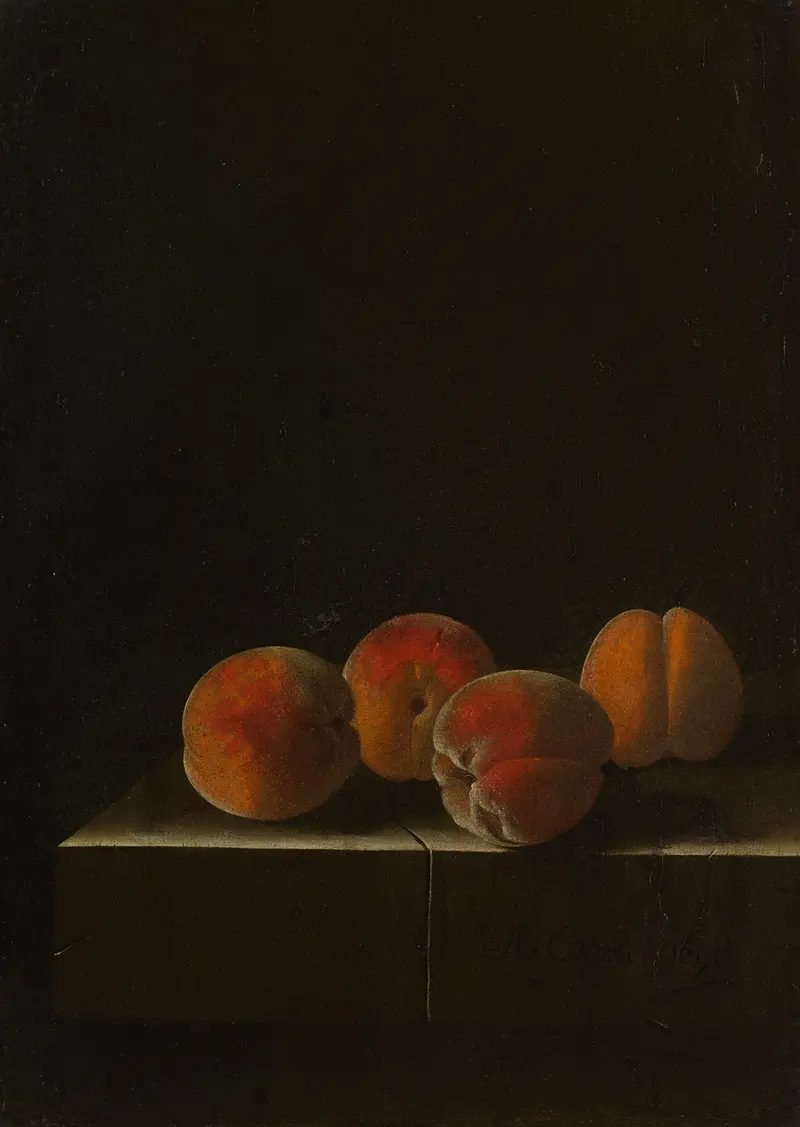
Four Apricots on a Stone Plinth
Adriaen Coorte
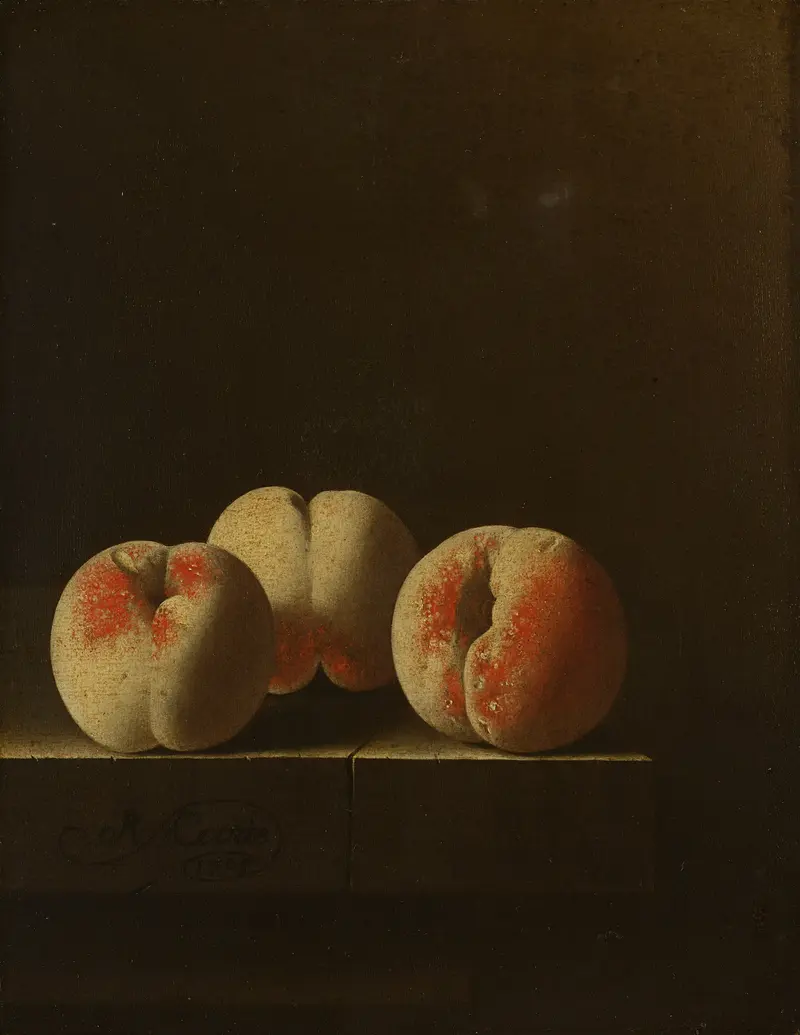
Three Peaches on a Stone Plinth
Adriaen Coorte





