
Drie perziken op een stenen plint SK A 5101 Rijksmuseum — History & Facts
Three peaches, each with its own quiet personality, rest on the edge of a stone plinth, their fuzzy skins catching the light in a way that almost dares you to reach out and touch them. The eye is drawn first to the subtle blush of red on their surfaces, a delicate dusting that suggests ripeness without extravagance. The velvety texture is rendered with such care that the fruit seems to hover between reality and painting, suspended in a hush of shadow.
The stone ledge, cool and solid, anchors the composition, while the darkness behind the fruit isolates them, turning this simple arrangement into a kind of stage. Even the artist’s signature, tucked into the front of the plinth, becomes part of the scene—a quiet assertion of presence and pride. Works like this, painted in 1705 by Adriaen Coorte and now held by the Rijksmuseum, belong to a tradition of Dutch still life that prized clarity, restraint, and a kind of intimate observation. In the late seventeenth and early eighteenth centuries, such small-scale paintings were often made for private collectors who delighted in their quiet luxury and the painter’s technical skill.
Unlike the grand banquet scenes or lavish floral arrangements of his contemporaries, Coorte’s works are almost meditative, focusing on just a few objects at a time. Little is recorded about the specific patrons or journeys of these paintings, but their survival in museum collections today speaks to the enduring fascination with the ordinary made extraordinary. Stand before these peaches, and you find yourself lingering, drawn into a world where simplicity becomes a form of wonder.
More Artworks by Adriaen Coorte
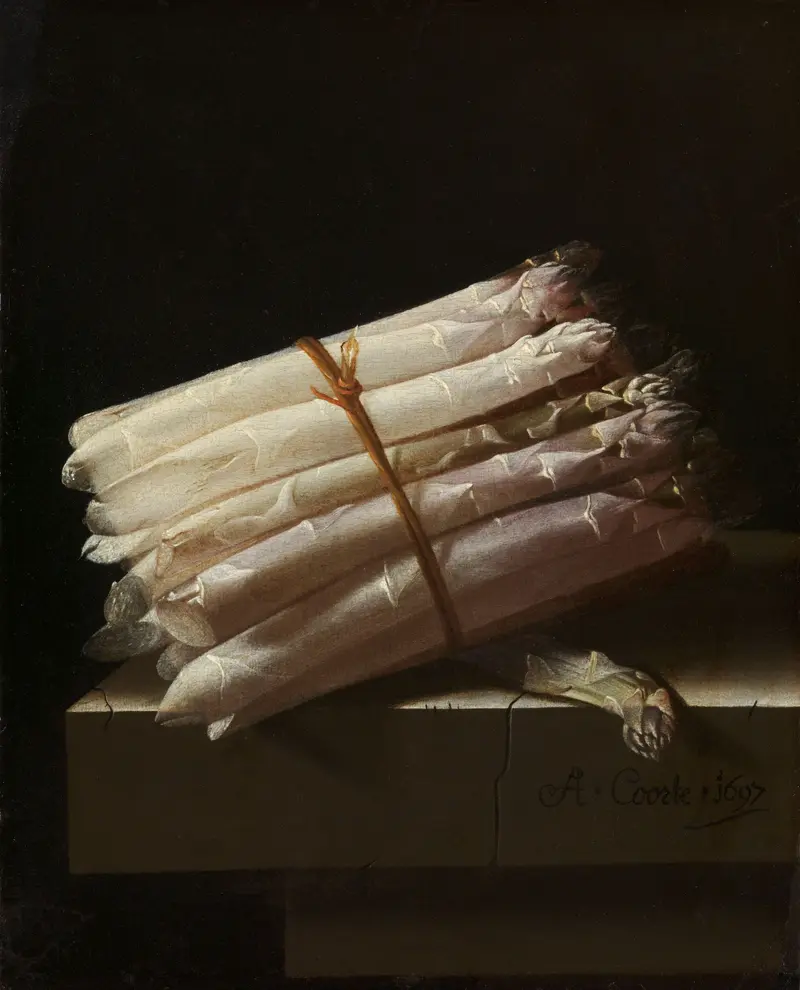
Still Life with Asparagus
Adriaen Coorte
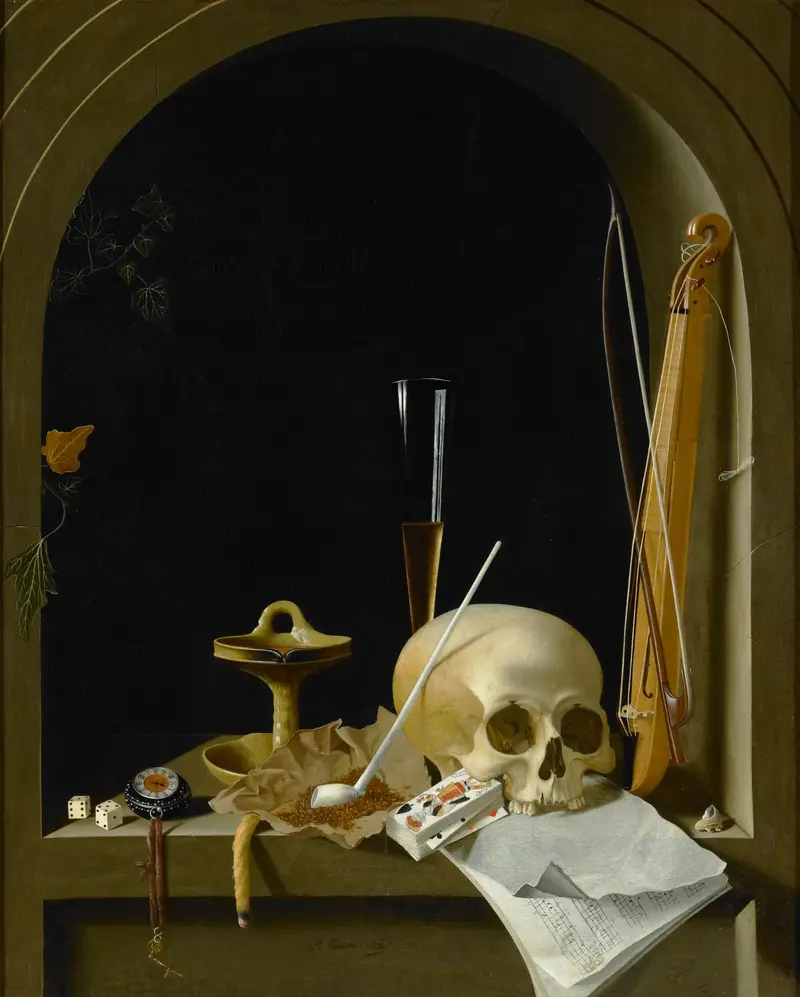
Vanitas still life in a niche
Adriaen Coorte
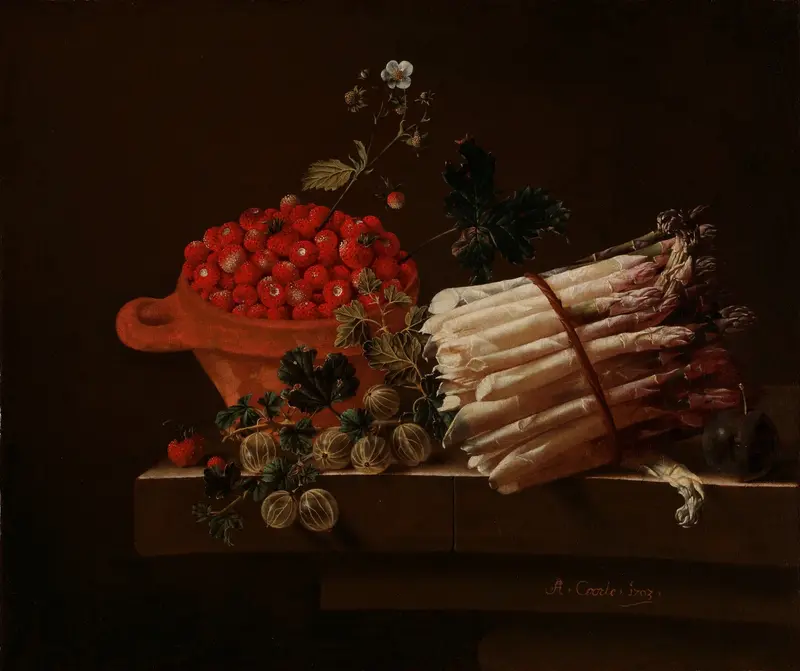
A Pot of Strawberries, Gooseberries, and a Bundle of Asparagus on a Stone Plinth
Adriaen Coorte
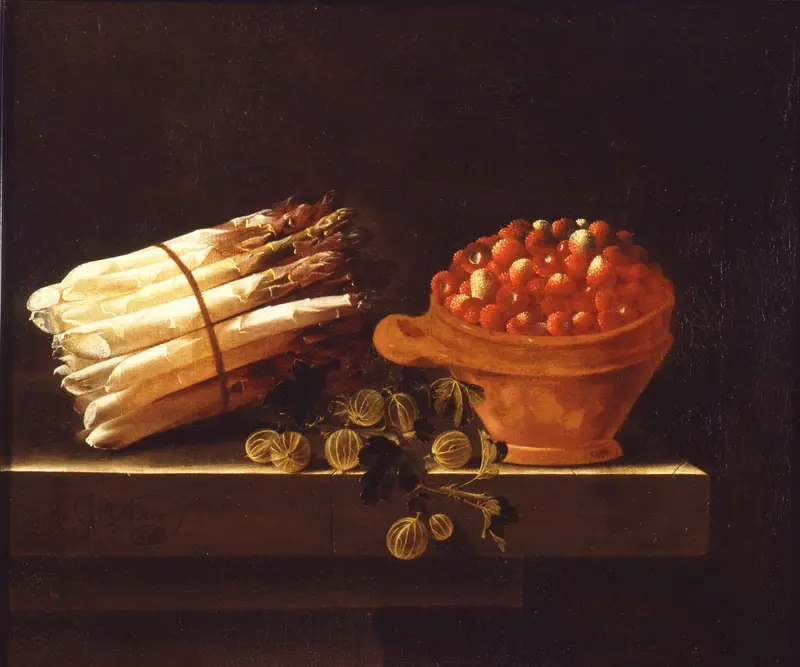
Asparagus, Gooseberries and Strawberries on a Stone Ledge
Adriaen Coorte
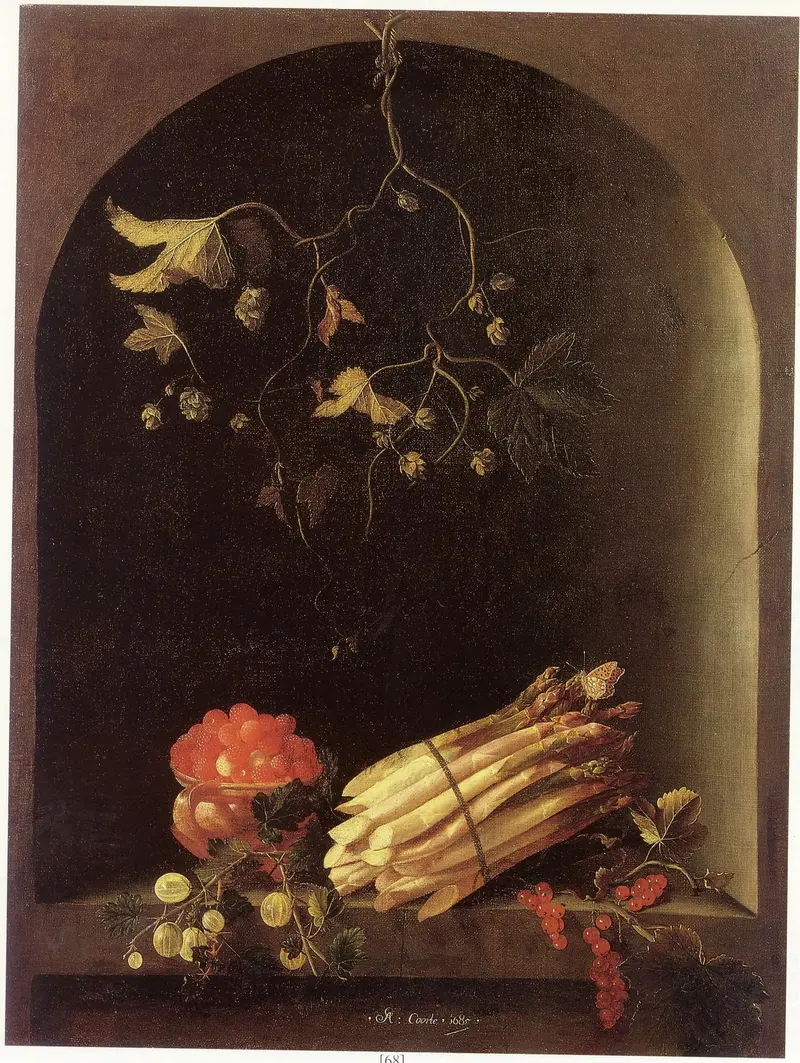
Strawberries, Asparagus, and Gooseberries in a Niche
Adriaen Coorte
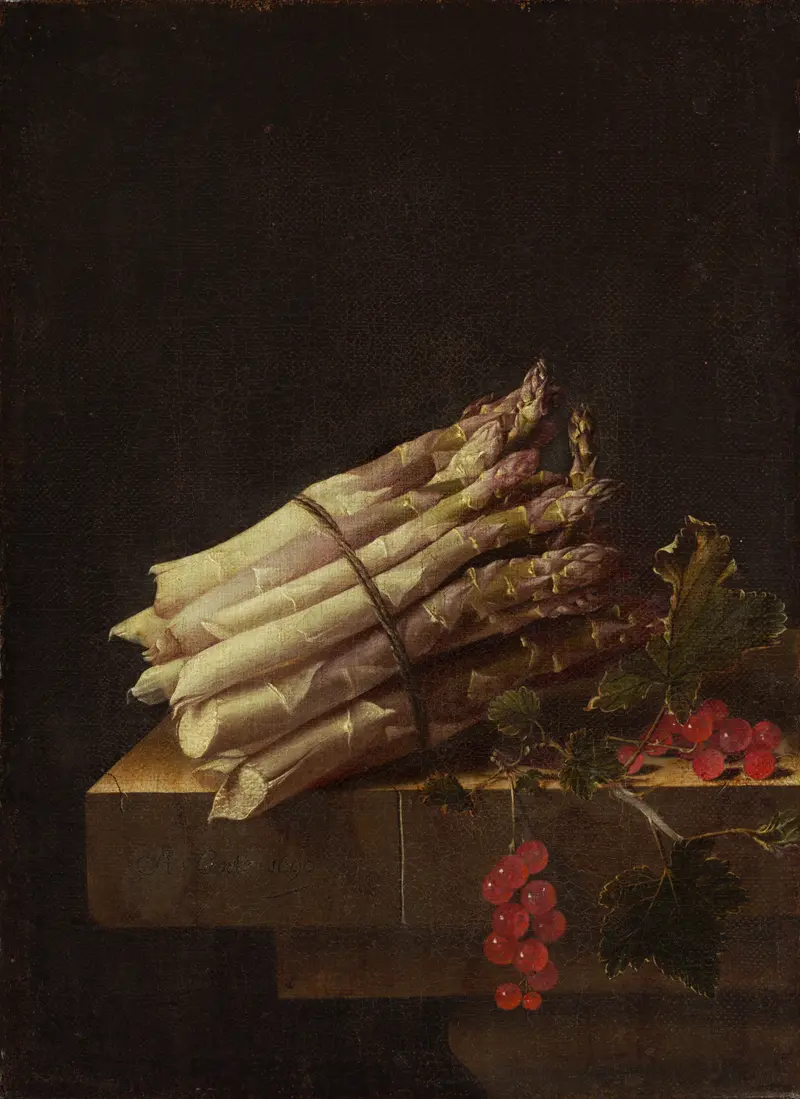
Still Life with Asparagus and Red Currants
Adriaen Coorte
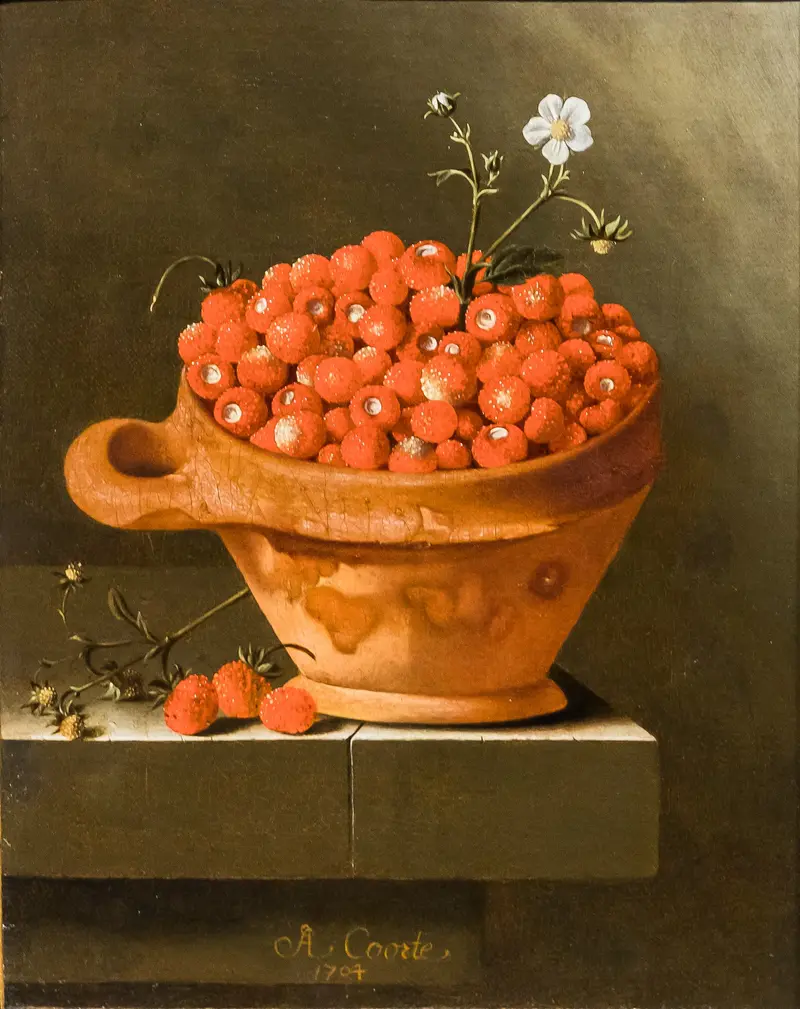
Still life with strawberries in a terracotta pot
Adriaen Coorte
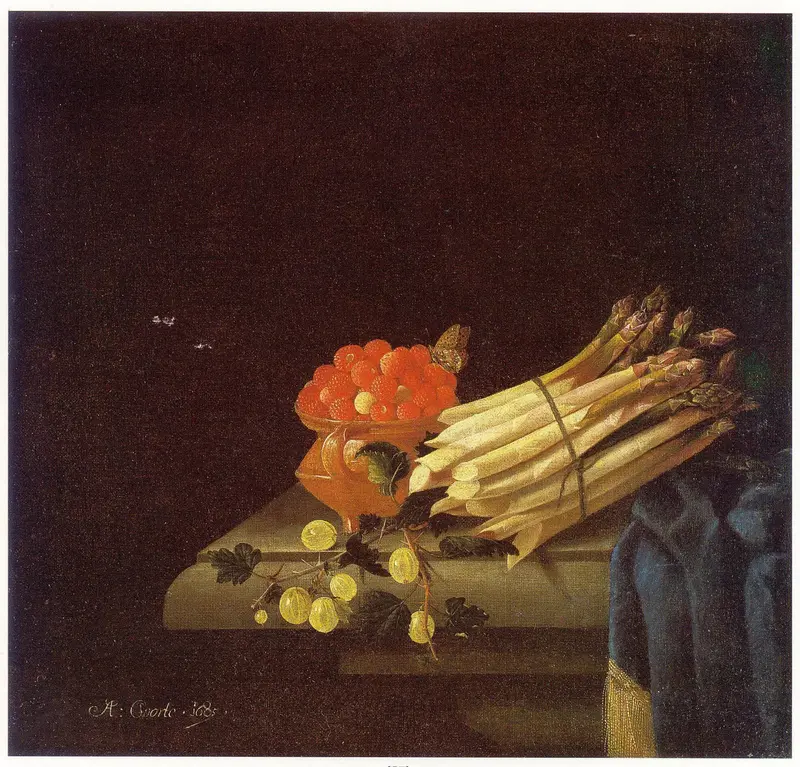
Strawberries, Asparagus, and Gooseberries with a Tablecloth
Adriaen Coorte
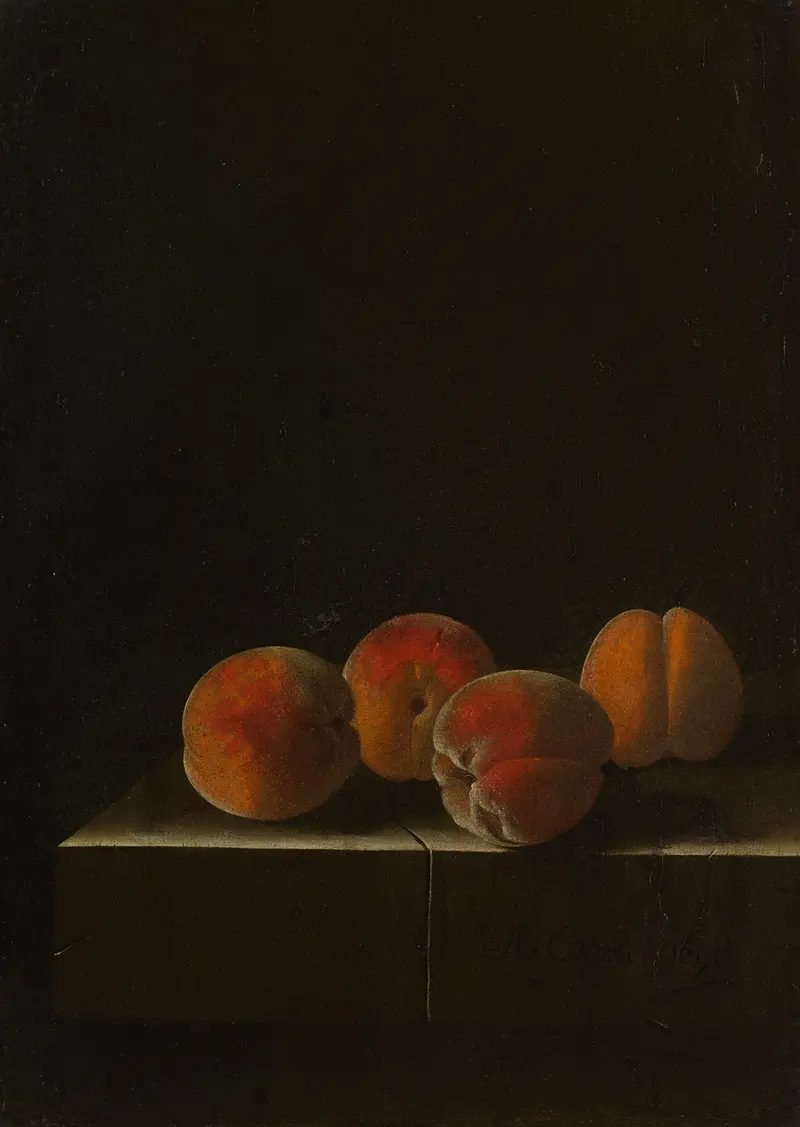
Four Apricots on a Stone Plinth
Adriaen Coorte
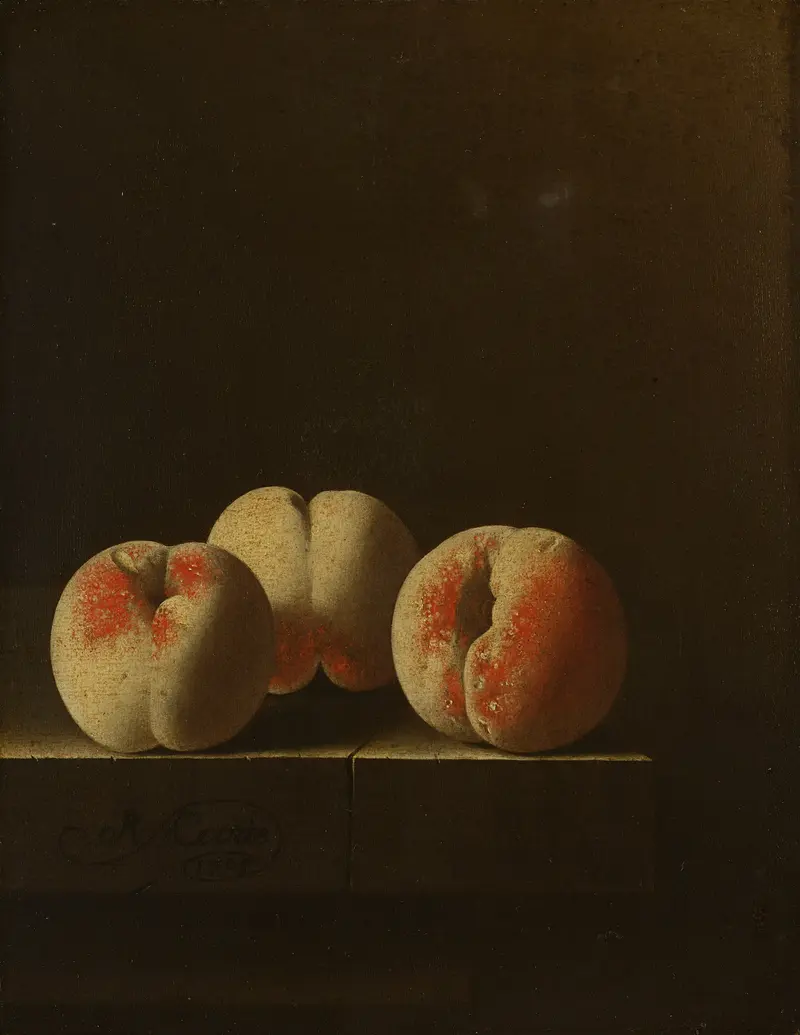
Three Peaches on a Stone Plinth
Adriaen Coorte





