
A Priest Processing through a Medieval Street in Viterbo — History & Facts
Who listens when art speaks of silence? In the stillness of a forgotten street, the weight of grief lingers like a shadow, echoing the unvoiced sorrows of a bygone era. Look to the left, where the solitary priest emerges, his presence both commanding and fragile against the backdrop of a medieval Viterbo. The muted palette, dominated by earthy tones and soft grays, envelops the scene, while the flicker of light and shadow dances delicately across the cobblestones. Notice the aging buildings, their weathered facades leaning into the composition, drawing your gaze toward the figure’s contemplative expression.
This careful interplay of light and form reveals Granet’s meticulous technique, encapsulating a moment that feels both intimate and universal. The painting resonates with layers of meaning, reflecting not only the spiritual journey of the priest but also hinting at a collective mourning within the streets. The archway in the background serves as a threshold to the unknown, suggesting a transition that speaks of loss and hope intertwined. Each detail—the priest's downturned gaze and the soft textures of his robes—hints at a deeper emotional tension, a lingering connection to the past that is both personal and communal. Created in the early 19th century, Granet captured this scene during a period of personal introspection following the upheavals of the French Revolution.
Living in Rome, he was deeply influenced by the classical heritage and the Romantic movements shaping the art world. His works often explore themes of solitude and reflection, embodying the collective yearning for solace in a rapidly changing society.
More Artworks by François-Marius Granet
Browse all →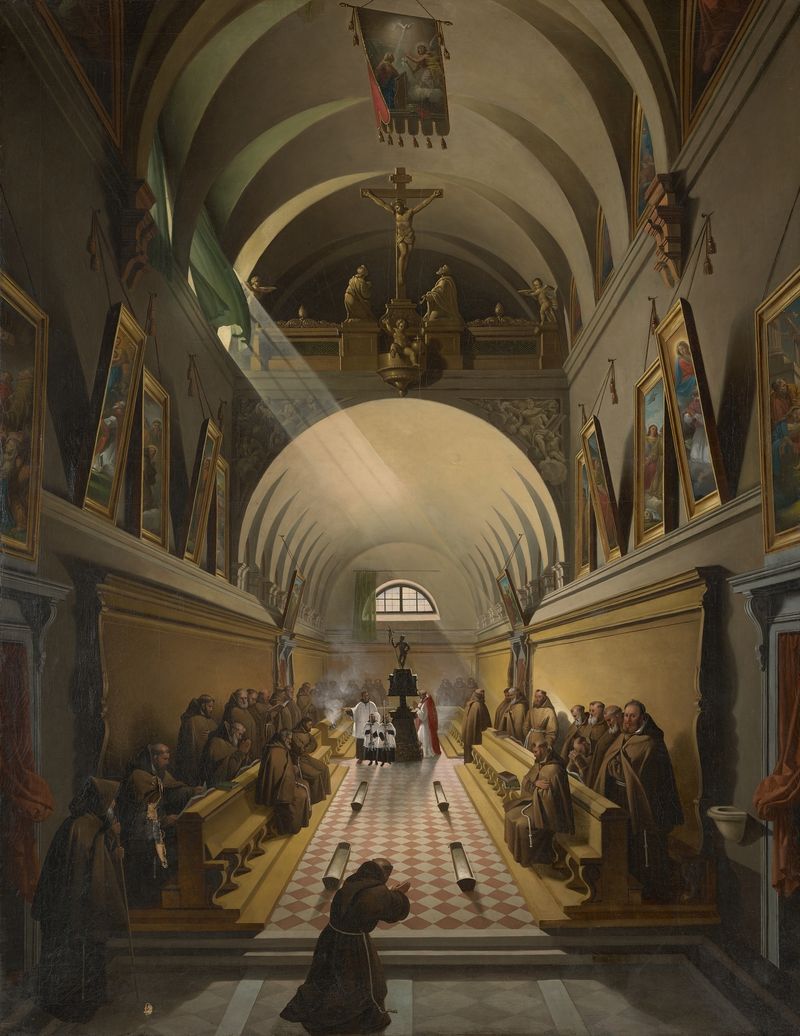
Interior of a Capuchin Convent
François-Marius Granet
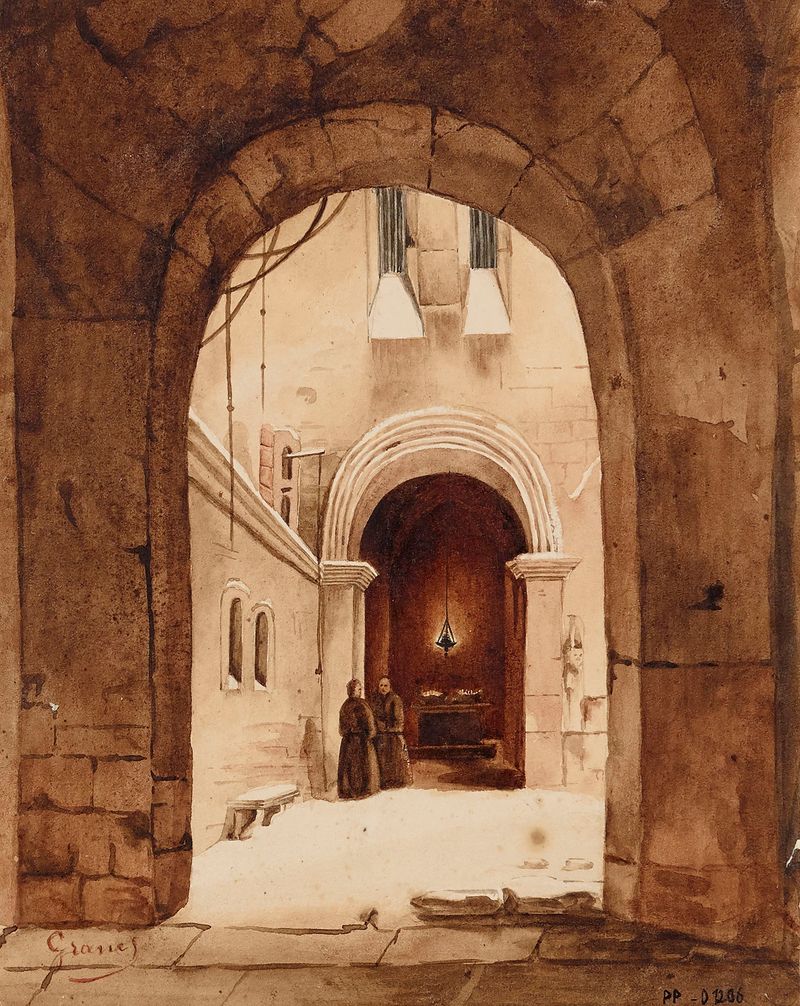
Deux ermites se promenant sous des voûtes
François-Marius Granet
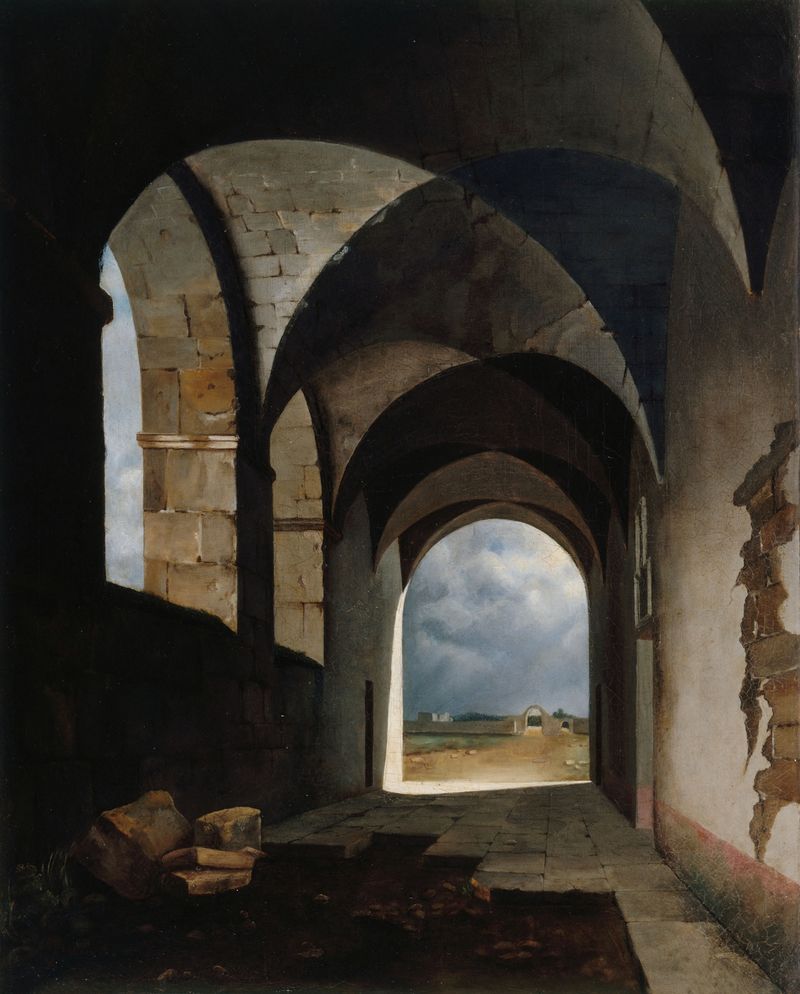
Effet de lumière dans les ruines
François-Marius Granet
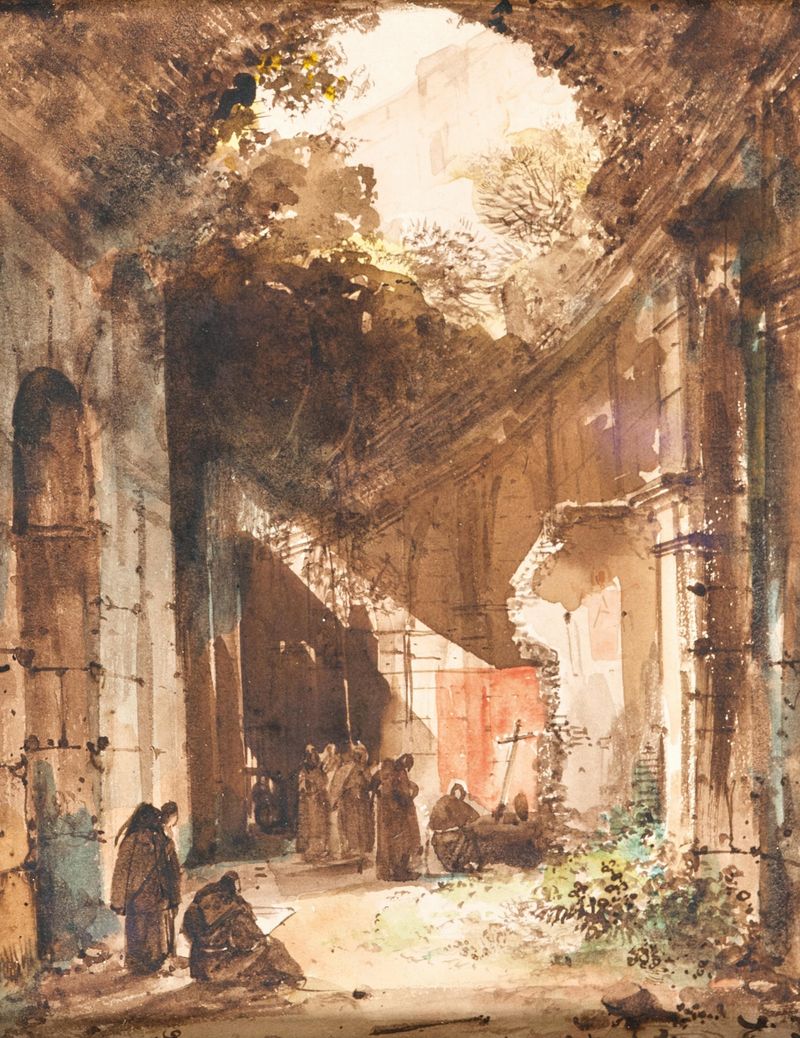
Monks in the Colosseum
François-Marius Granet
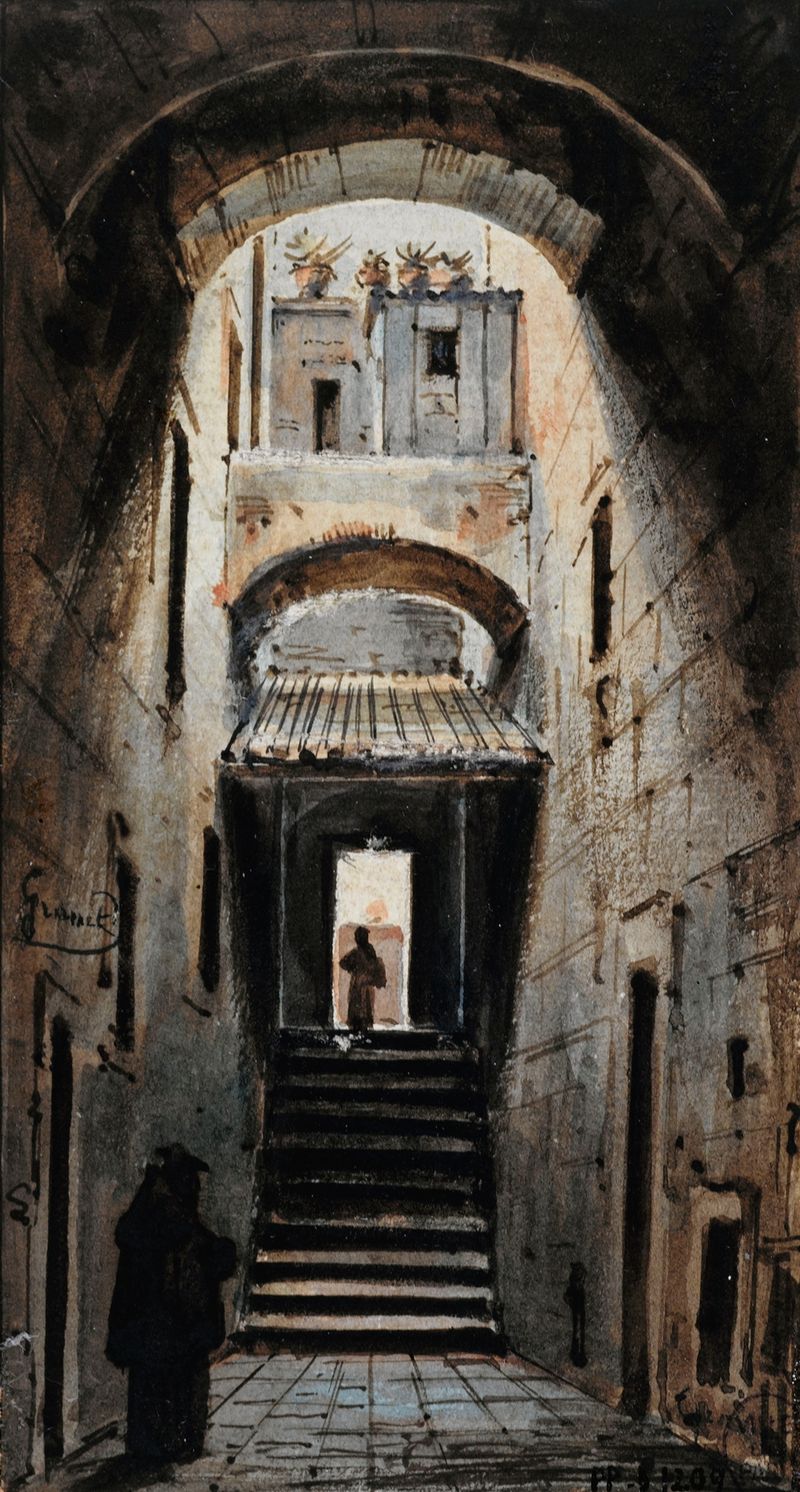
Une rue sous les voûtes
François-Marius Granet
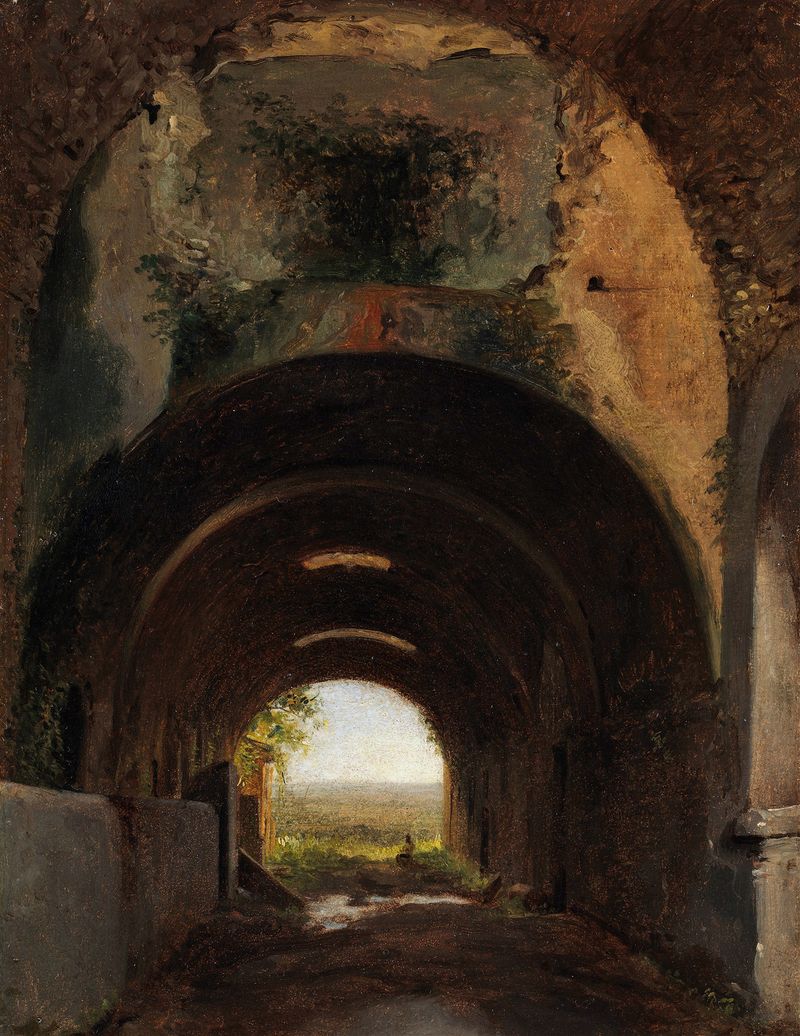
View in the Stables of the Villa of Maecenas, Tivoli
François-Marius Granet
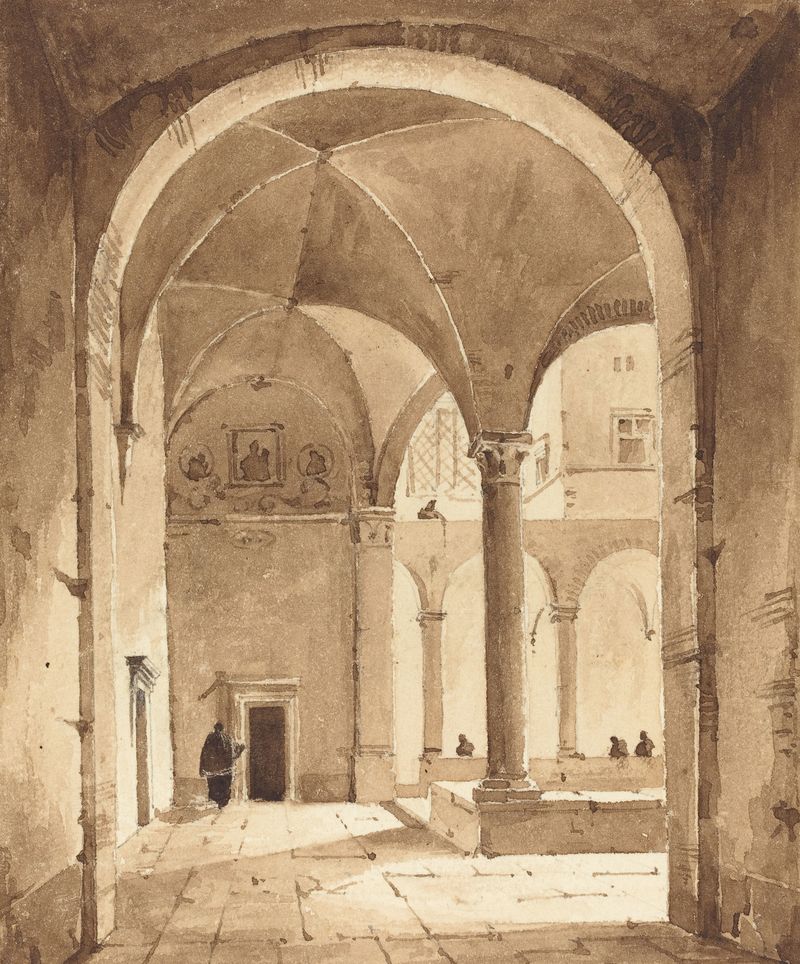
A Cloister
François-Marius Granet
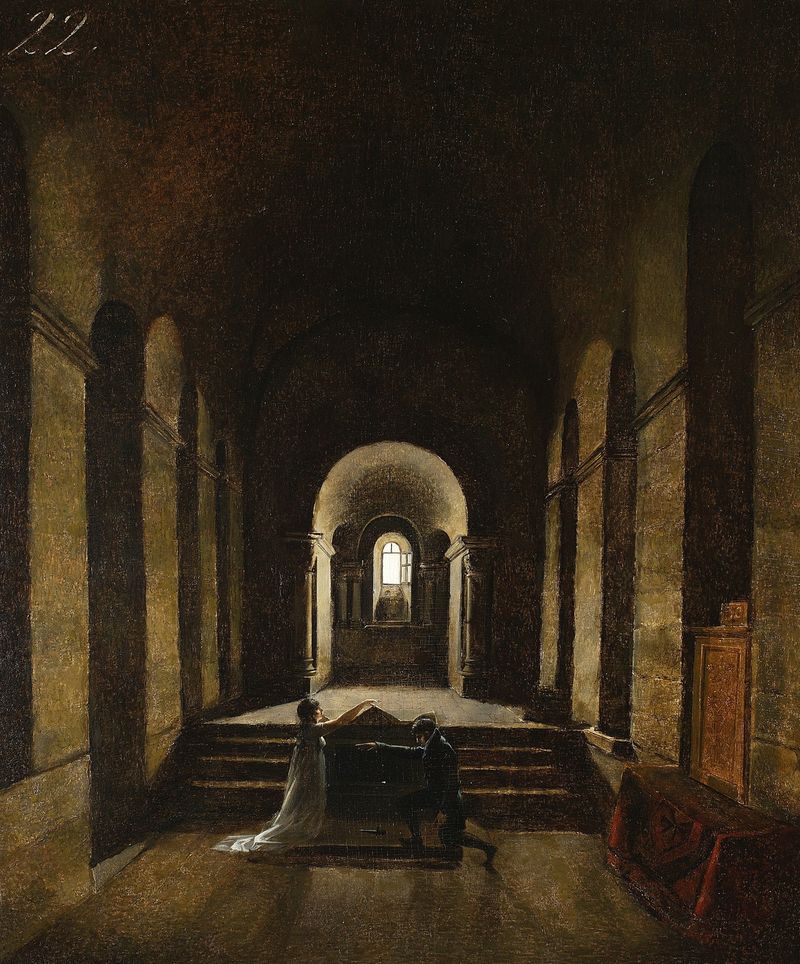
Vow (chapel interior)
François-Marius Granet
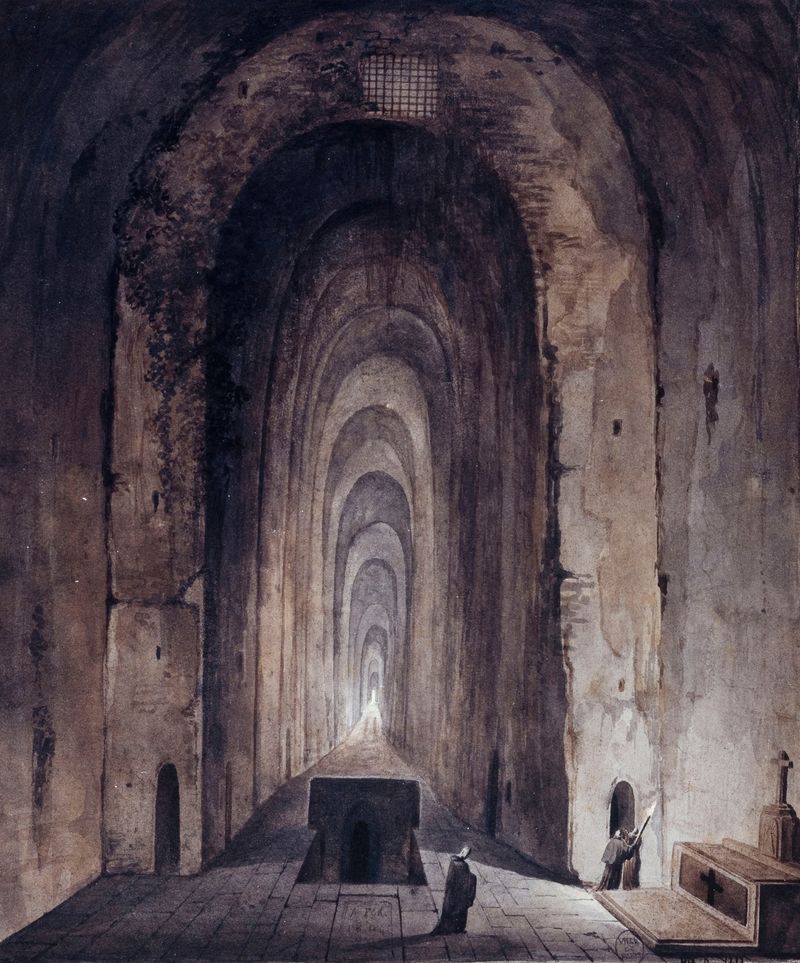
Les Catacombes de Saint-Agnès à Naples
François-Marius Granet
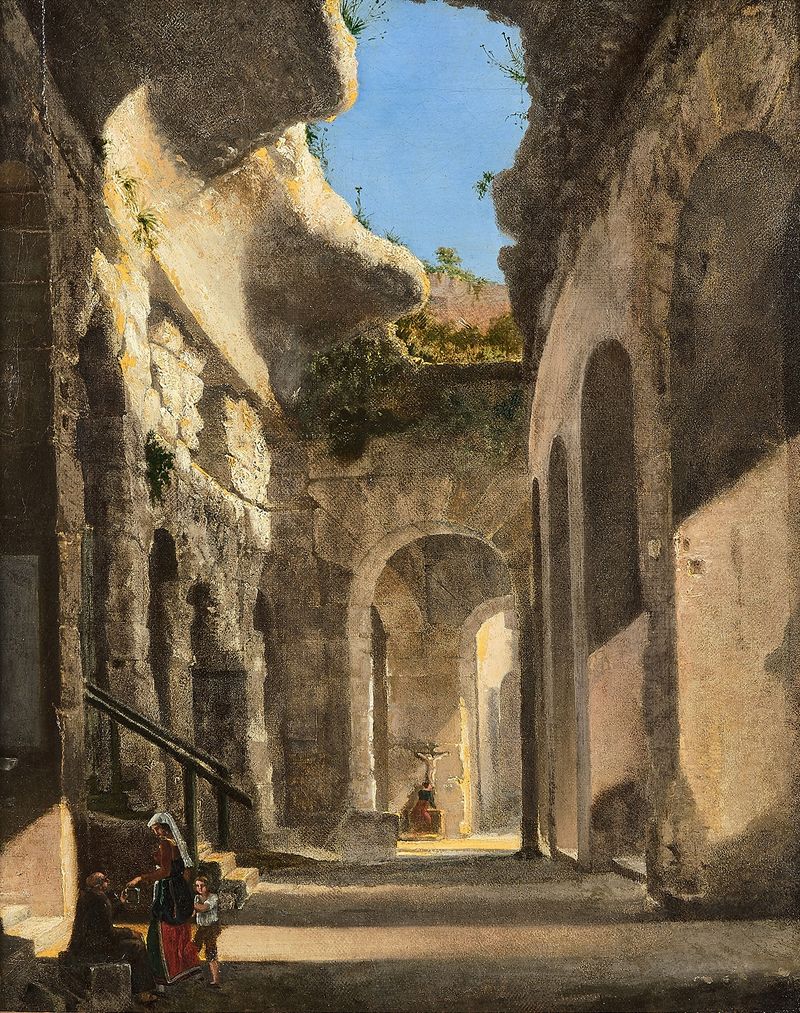
Les ruines du Colisée animées de personnages
François-Marius Granet
More Religious Art
Browse all →
The Return of the Prodigal Son
Rembrandt van Rijn

The Garden of Earthly Delights
El Bosco

Count Orgaz’ funeral
El Greco

The Hundred Guilder Print: the central piece with Christ preaching, the plate arched
Rembrandt van Rijn

The Descent from the Cross
Rogier van der Weyden

The return of the prodigal son
Rembrandt van Rijn