
Monks in the Colosseum — History & Facts
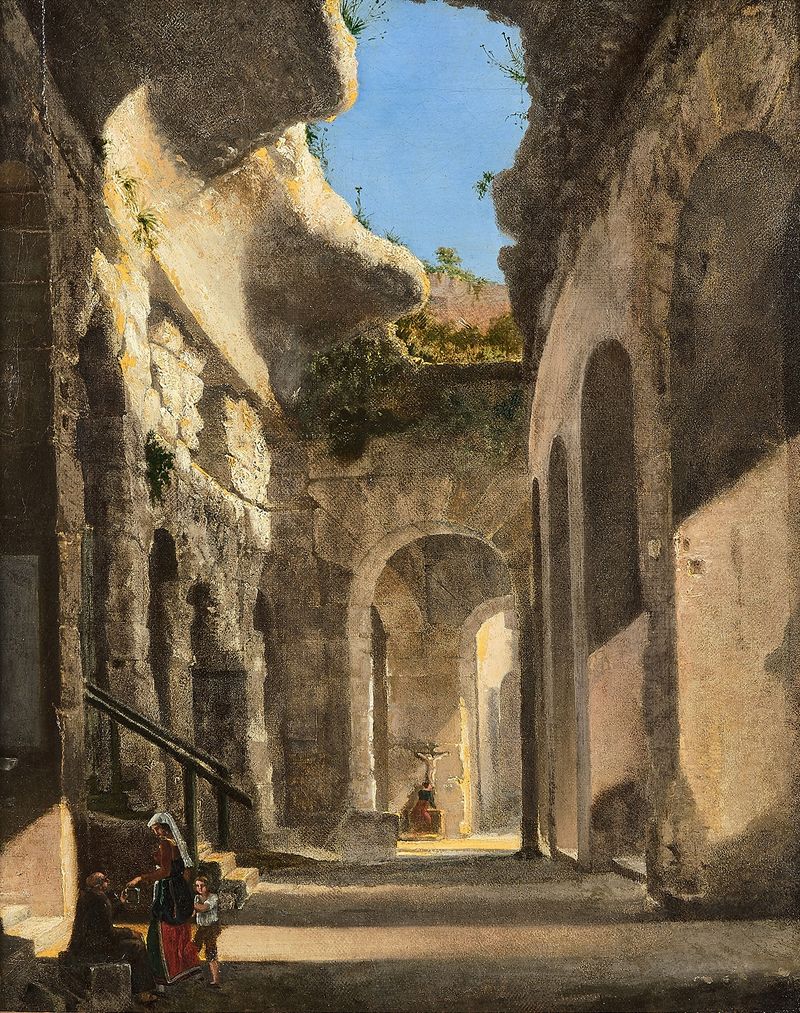
Did the painter know this moment would outlive them? In Monks in the Colosseum, a fleeting memory of the past finds permanence in vivid brushstrokes, inviting us to ponder the weight of history and the passage of time. Look closely at the monks in the foreground, their dark robes contrasting sharply with the sunlit ruins of the Colosseum behind them. The composition draws your gaze along a diagonal path, guided by the gentle rise of the ancient stones that cradle this sacred gathering. Notice how the warm, earthy hues evoke a sense of nostalgia, while the cool shadows linger like whispers of forgotten tales.
This interplay between light and dark encapsulates the tension between presence and absence, enriching the viewer's experience. The subtle details are rich with significance; the monks' solemn postures convey reverence amidst a monumental backdrop that once echoed the roar of spectators. Their stillness, juxtaposed with the grandeur of the crumbling arena, evokes a poignant meditation on mortality and the resilience of faith. This scene becomes a vessel for memory, suggesting that amidst the ruins, spirituality persists—a reminder of what was, and what still can be. François-Marius Granet painted this work in 1830 while residing in Rome, a city that profoundly influenced his artistic vision.
At the time, the Romantic movement was flourishing, drawing artists towards themes of nostalgia and historical reflection. Granet, known for his depictions of architectural spaces infused with tranquility, captured the essence of an ancient past while commenting on the enduring nature of memory in an ever-changing world.
More Artworks by François-Marius Granet
Browse all →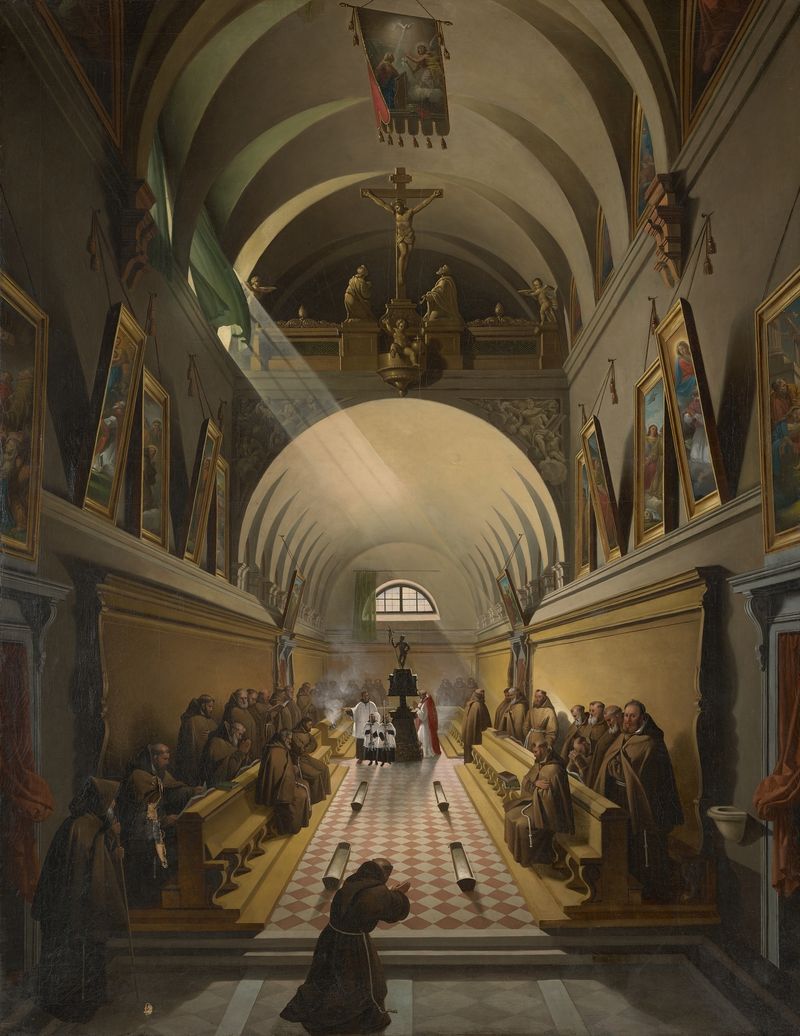
Interior of a Capuchin Convent
François-Marius Granet
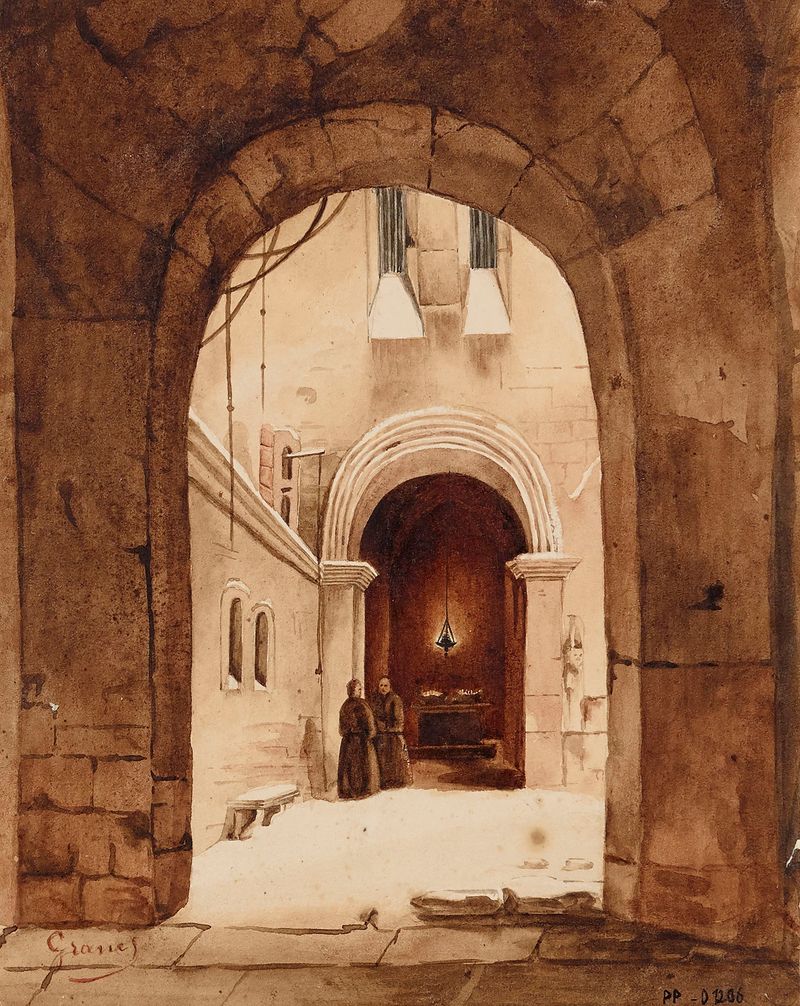
Deux ermites se promenant sous des voûtes
François-Marius Granet
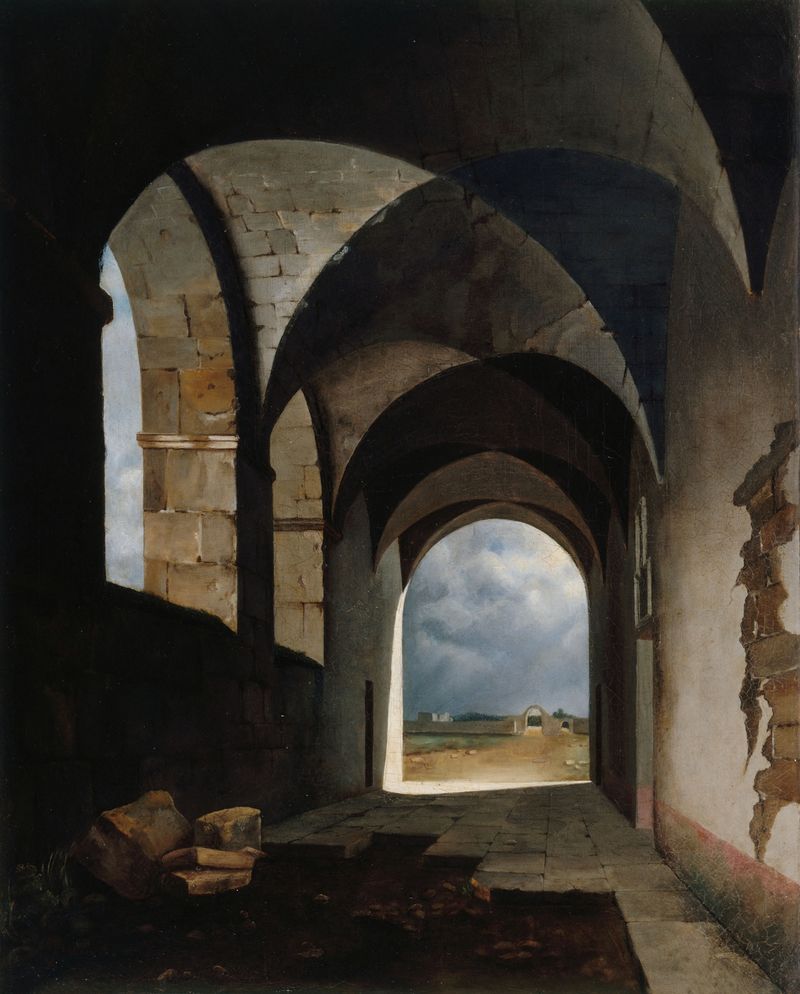
Effet de lumière dans les ruines
François-Marius Granet
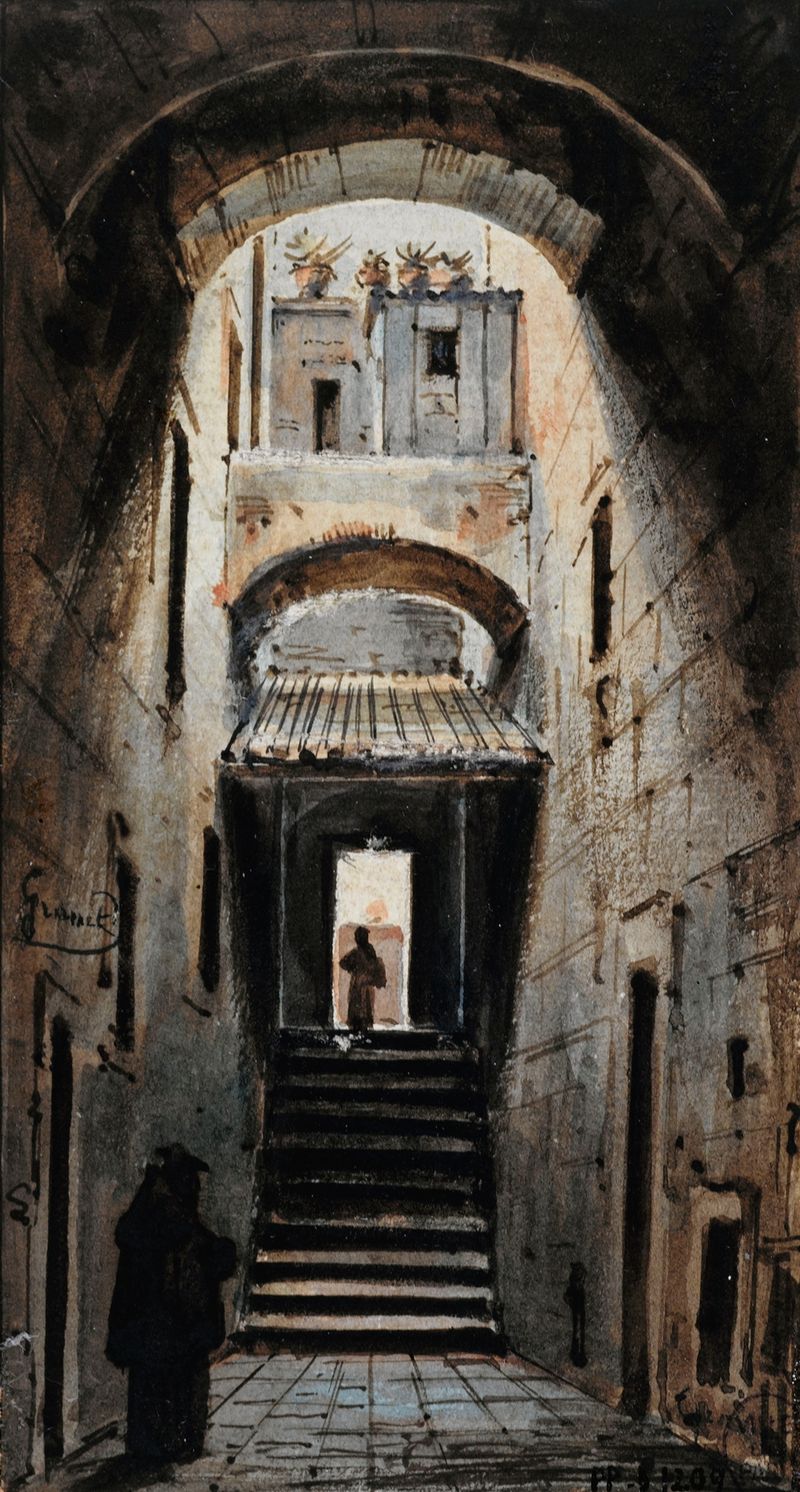
Une rue sous les voûtes
François-Marius Granet
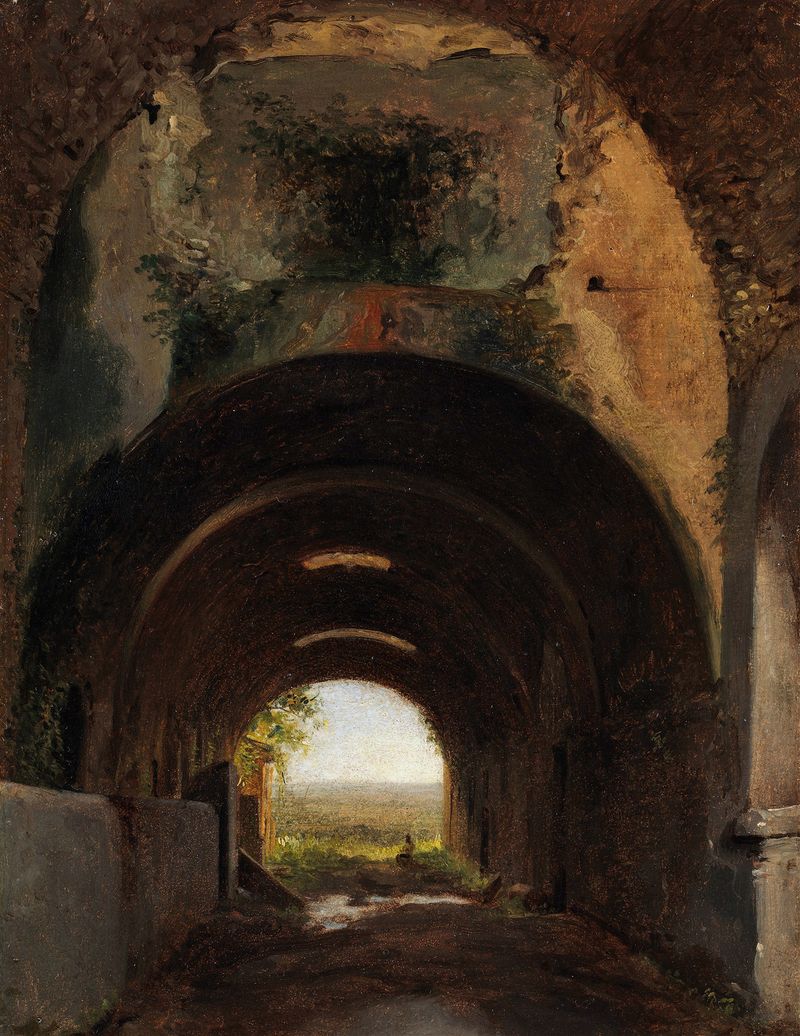
View in the Stables of the Villa of Maecenas, Tivoli
François-Marius Granet
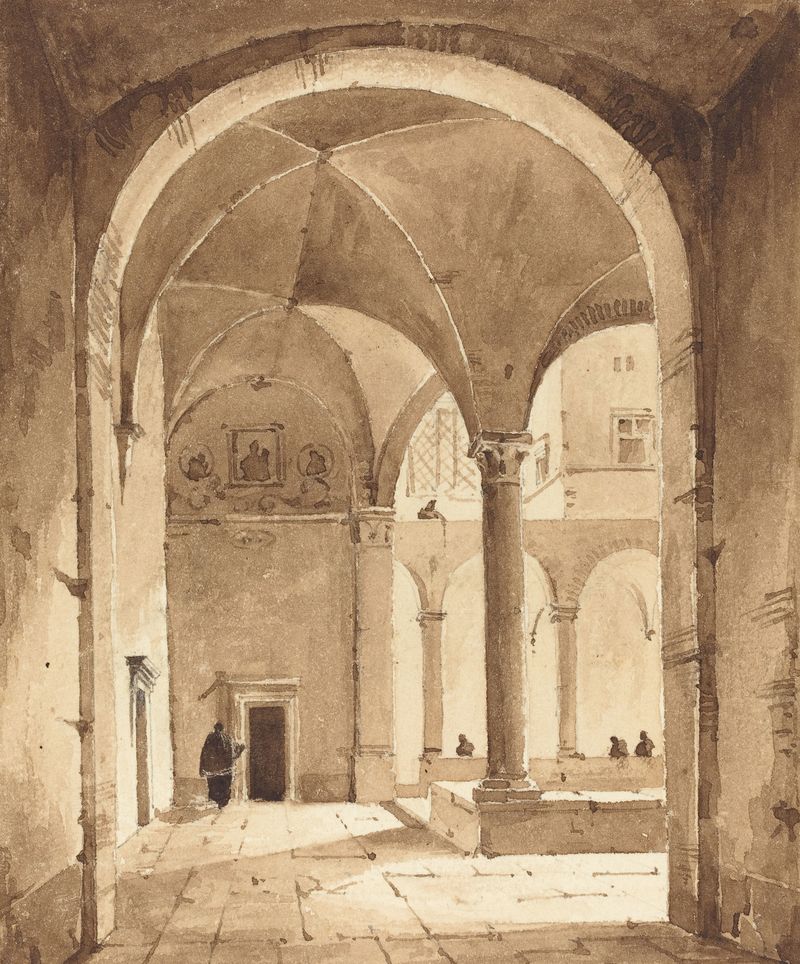
A Cloister
François-Marius Granet
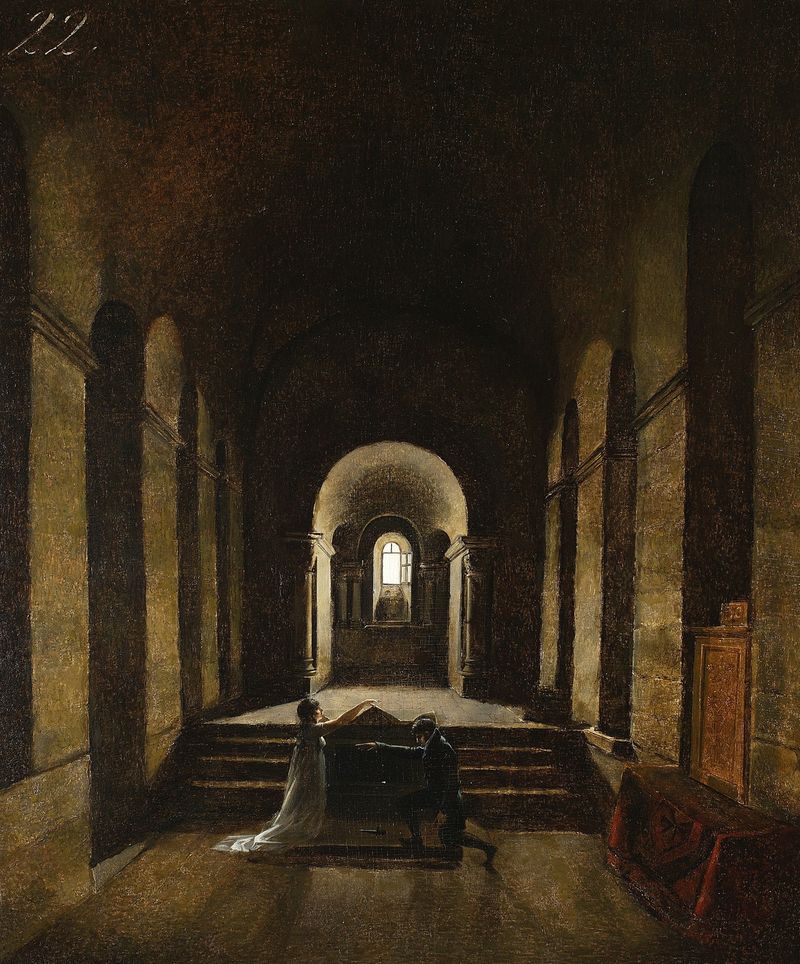
Vow (chapel interior)
François-Marius Granet
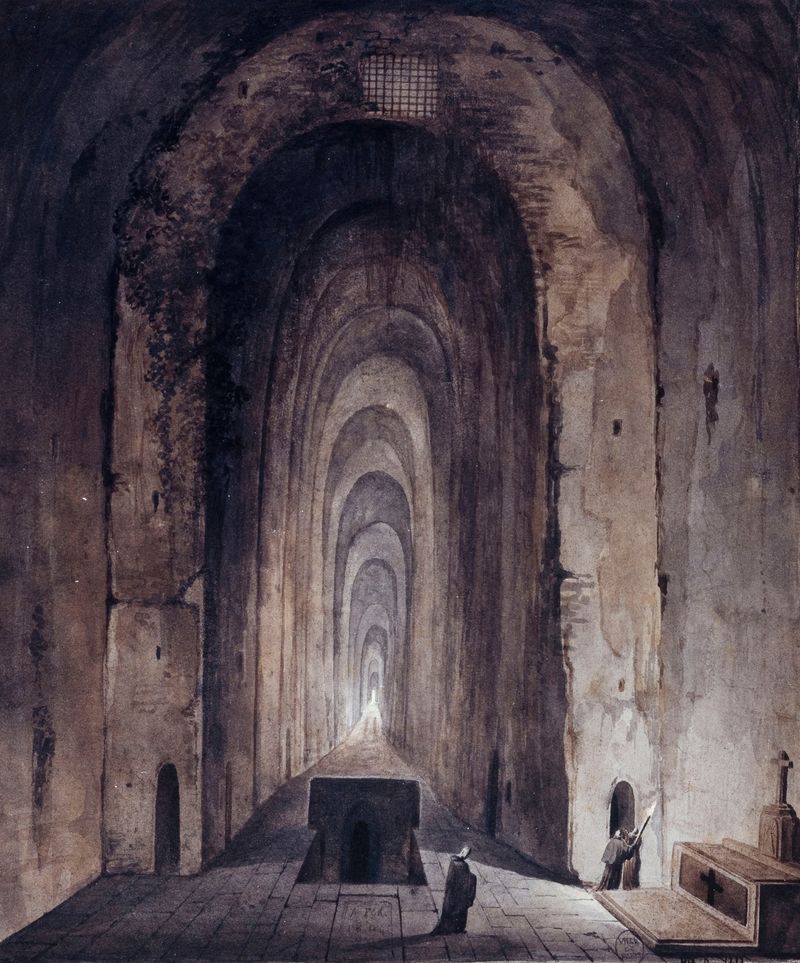
Les Catacombes de Saint-Agnès à Naples
François-Marius Granet
Les ruines du Colisée animées de personnages
François-Marius Granet
A Priest Processing through a Medieval Street in Viterbo
François-Marius Granet
More Religious Art
Browse all →
The Return of the Prodigal Son
Rembrandt van Rijn

The Garden of Earthly Delights
El Bosco

Count Orgaz’ funeral
El Greco

The Hundred Guilder Print: the central piece with Christ preaching, the plate arched
Rembrandt van Rijn

The Descent from the Cross
Rogier van der Weyden

The return of the prodigal son
Rembrandt van Rijn