View in the Stables of the Villa of Maecenas, Tivoli — History & Facts
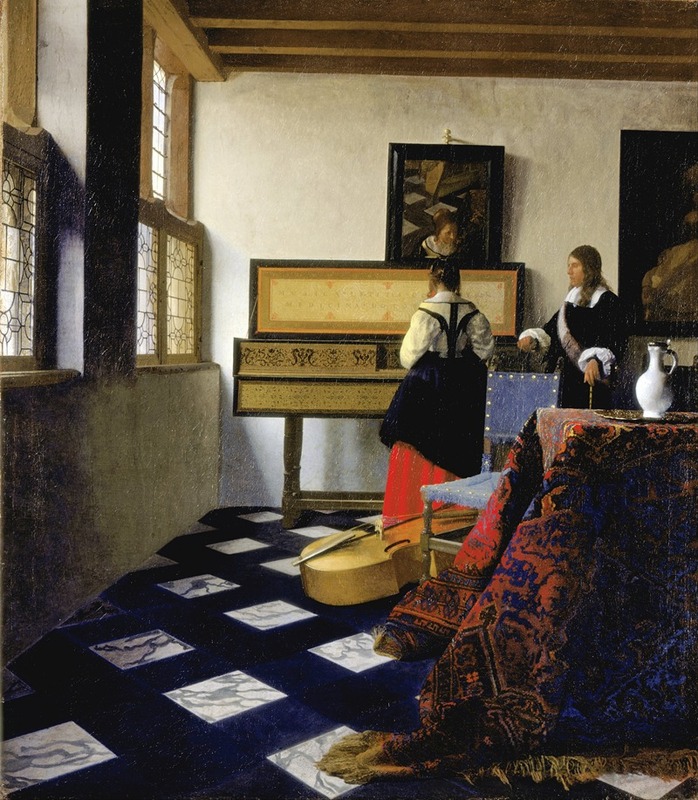
Did the painter know this moment would outlive them? A fleeting instant in time, forever captured within the confines of a stable, speaks to the transformative power of art. Look to the left at the gentle arches of the stable's entrance, inviting you into a world where shadows dance playfully along the stone walls. The soft, muted palette of earthy browns and cool grays reflects a serene warmth, while delicate strokes of light highlight the textures of the hay and wood. Notice how the composition draws your gaze through the stable, echoing the quiet intimacy of the space, as if Granet is inviting you to share in a secret moment of tranquility. Delve deeper into the scene and you might sense a juxtaposition between nature and human craftsmanship.
The stillness of the horses, resting in their stalls, hints at a harmony between life and labor. The surrounding stillness evokes an inner peace, yet there is a subtle tension in the organization of space—each element carefully arranged, yet alive with potential. This balance speaks to transformation, not just of place but of purpose; a simple stable becomes a sanctuary, a moment preserved in time. Created between 1805 and 1810, this artwork emerged during a period of personal reflection for its creator.
Granet, living in France, was influenced by the neoclassical movement while also exploring romantic themes. This painting coincided with a time of upheaval in Europe, as artists began to express a deeper connection to nature and the human experience, paving the way for the emotional depth we observe in his work today.
More Artworks by François-Marius Granet
Browse all →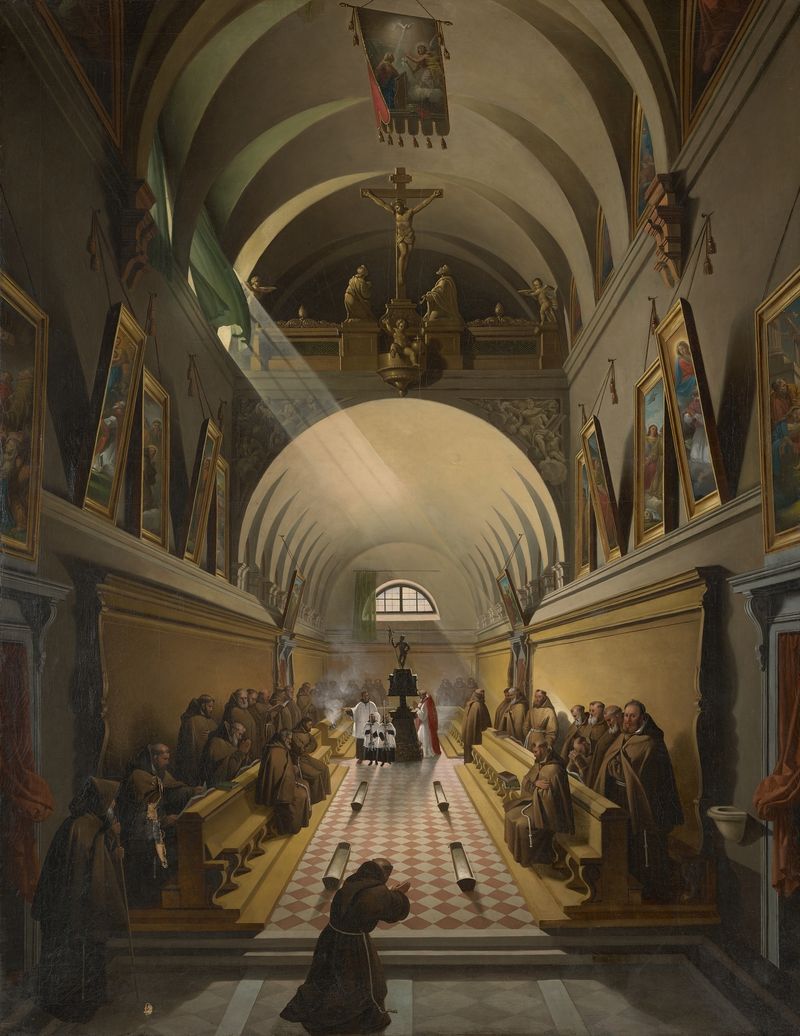
Interior of a Capuchin Convent
François-Marius Granet
Deux ermites se promenant sous des voûtes
François-Marius Granet
Effet de lumière dans les ruines
François-Marius Granet
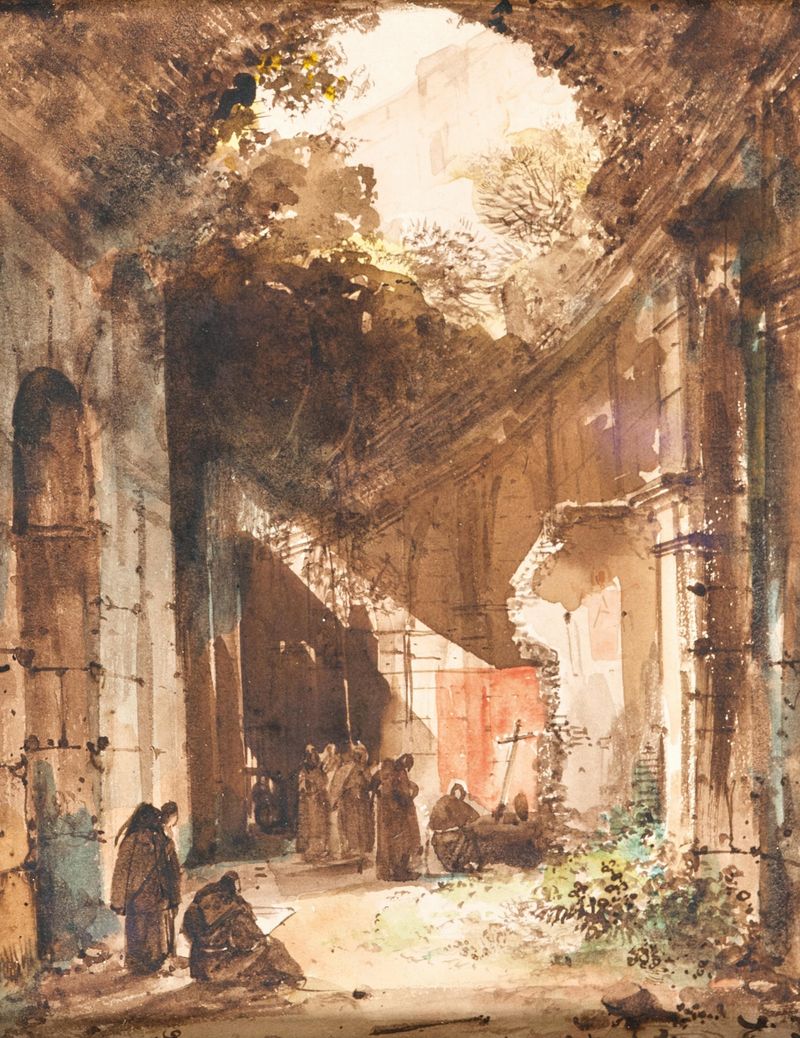
Monks in the Colosseum
François-Marius Granet
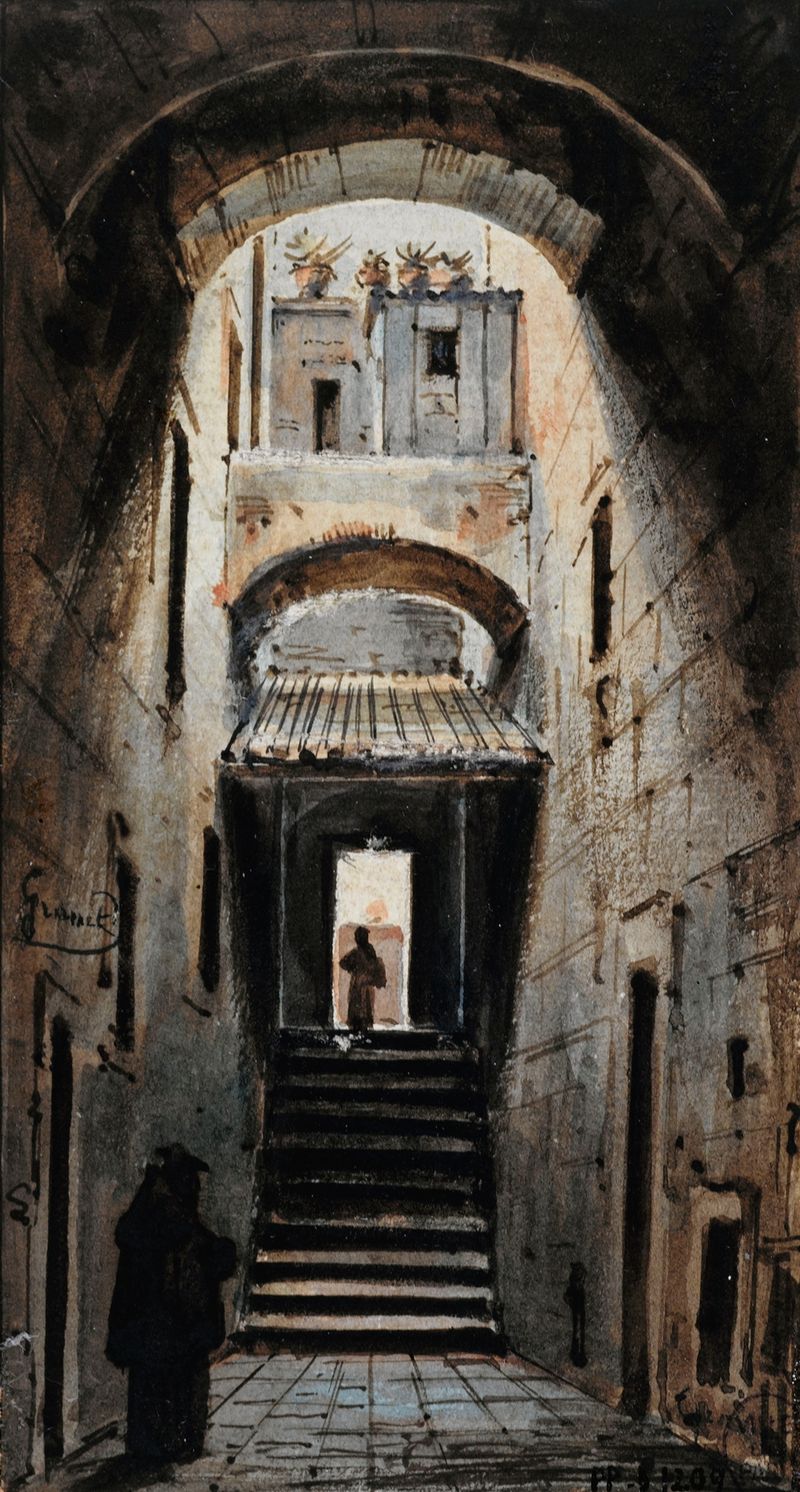
Une rue sous les voûtes
François-Marius Granet
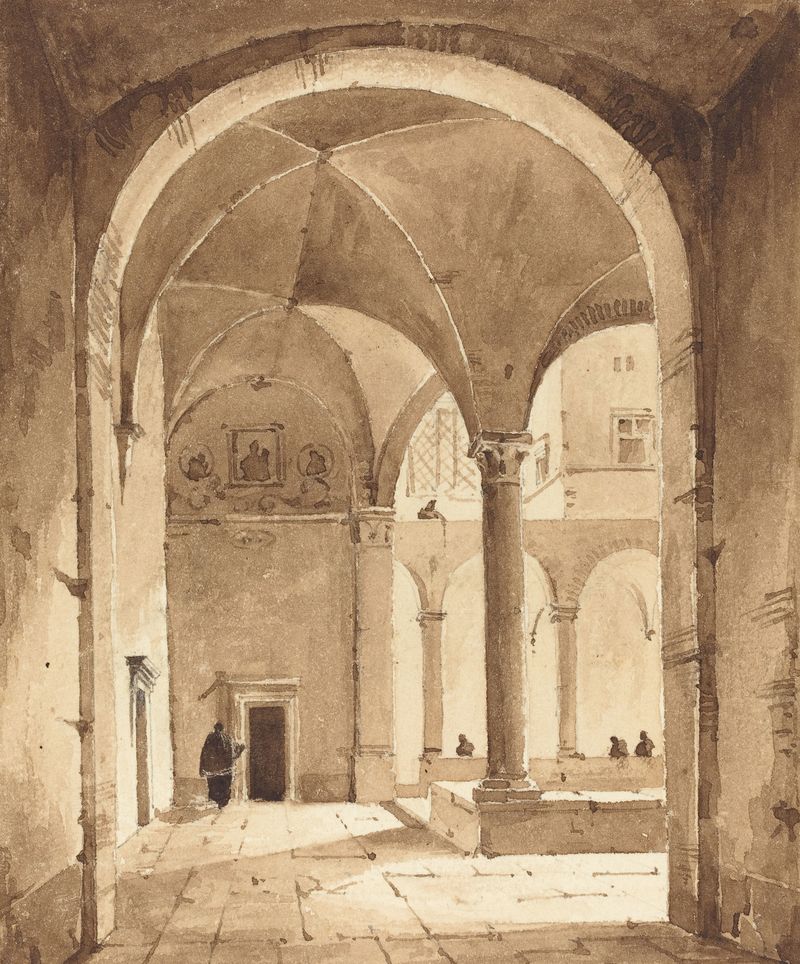
A Cloister
François-Marius Granet
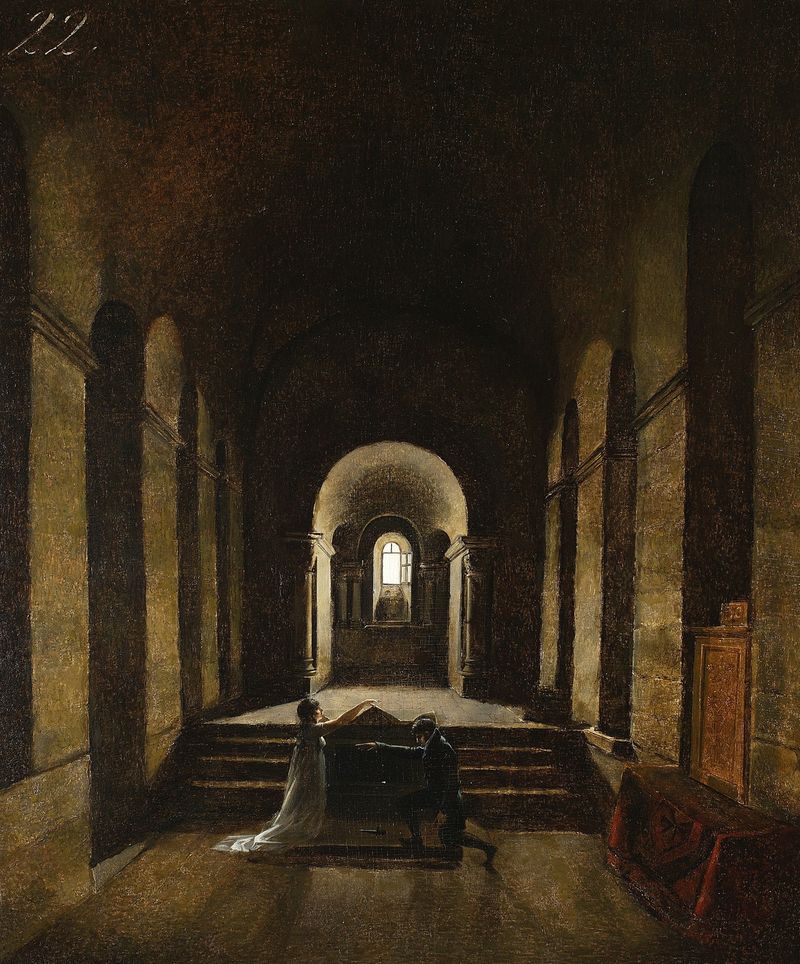
Vow (chapel interior)
François-Marius Granet
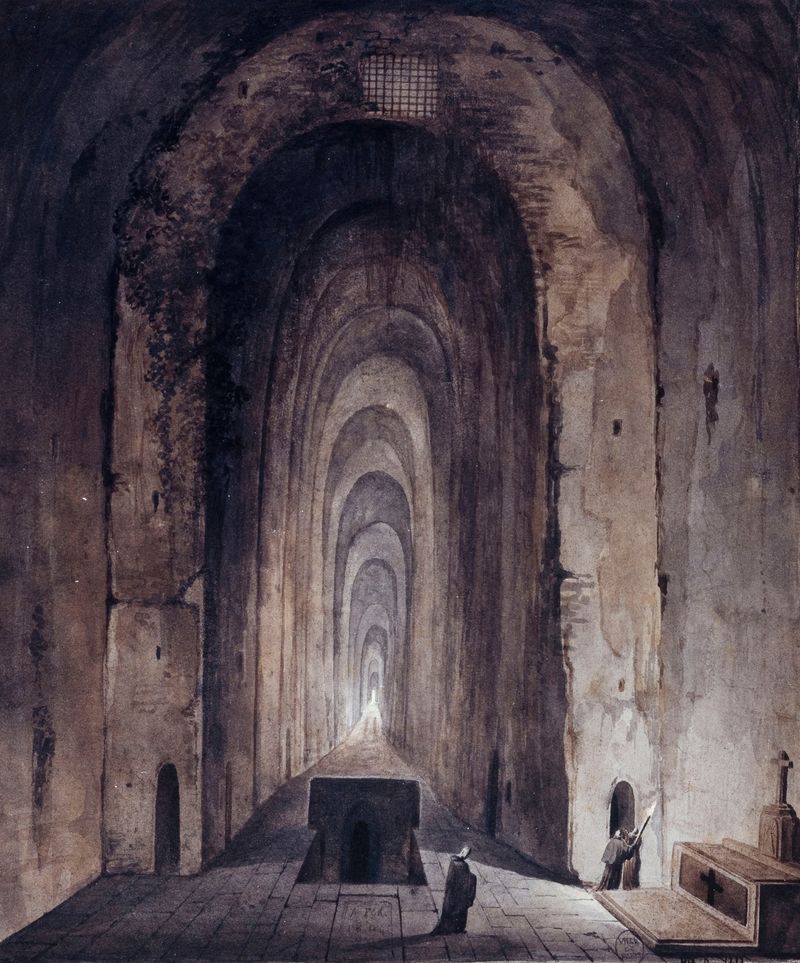
Les Catacombes de Saint-Agnès à Naples
François-Marius Granet
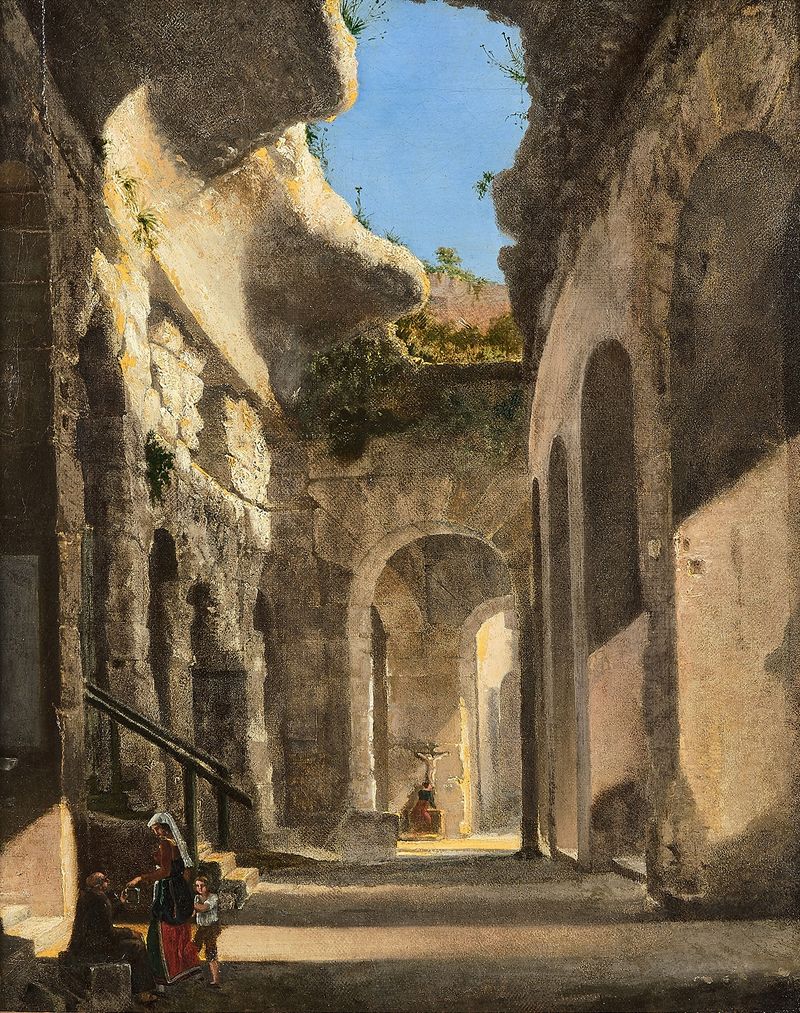
Les ruines du Colisée animées de personnages
François-Marius Granet
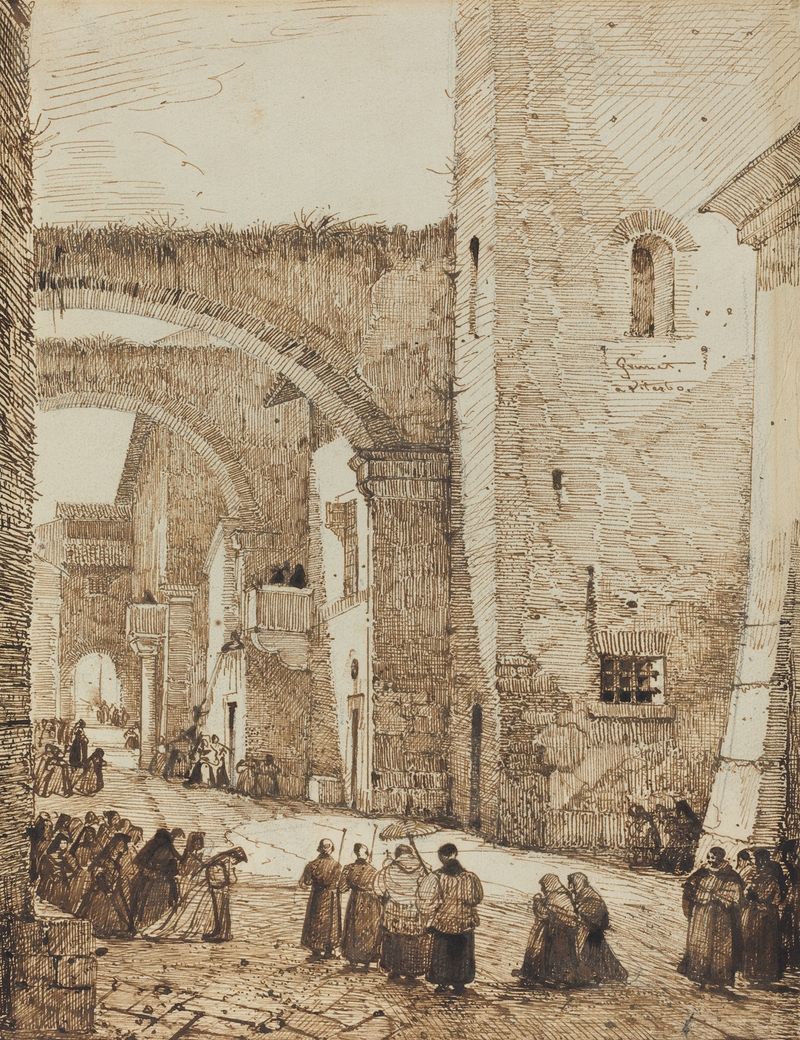
A Priest Processing through a Medieval Street in Viterbo
François-Marius Granet