
Effet de lumière dans les ruines — History & Facts
Within the dim recesses of crumbling stone, the melancholy of the past whispers through each shadow. Granet's portrayal invites us into a world where light dances cautiously over ruins, illuminating both beauty and sorrow in equal measure. Look to the left at the delicate interplay of light and shadow that caresses the remnants of a once-majestic archway. Notice how the soft hues of ochre and gray convey a sense of history, while the dappled illumination highlights the texture of the weathered stones.
The viewer’s gaze is drawn toward the gentle glow breaking through the cracks, suggesting a glimmer of hope amidst decay. Each brushstroke speaks of time’s relentless passage, crafting a contemplative atmosphere that straddles the line between remembrance and loss. As you explore this piece, consider the emotional weight of what lies beneath the surface. The juxtaposition of the vibrant light against the somber ruins evokes a profound sense of grief, suggesting that from destruction can emerge a painful beauty.
The interplay of light symbolizes fleeting memories, illuminating both the fragility of existence and the enduring nature of the human spirit, even in the face of despair. Each silent corner of the canvas holds a confession of its own, speaking of lives once lived, now overshadowed by absence. In 1820, while Granet painted this evocative work, he was immersed in the Neoclassical movement, exploring themes of antiquity and nostalgia. Residing in Italy, he was influenced by the ruins that surrounded him, reflecting a broader European fascination with history and the sublime.
This period marked a transition in the art world, as artists began to pursue emotional depth, paving the way for future movements that would explore the complexities of human experience.
More Artworks by François-Marius Granet
Browse all →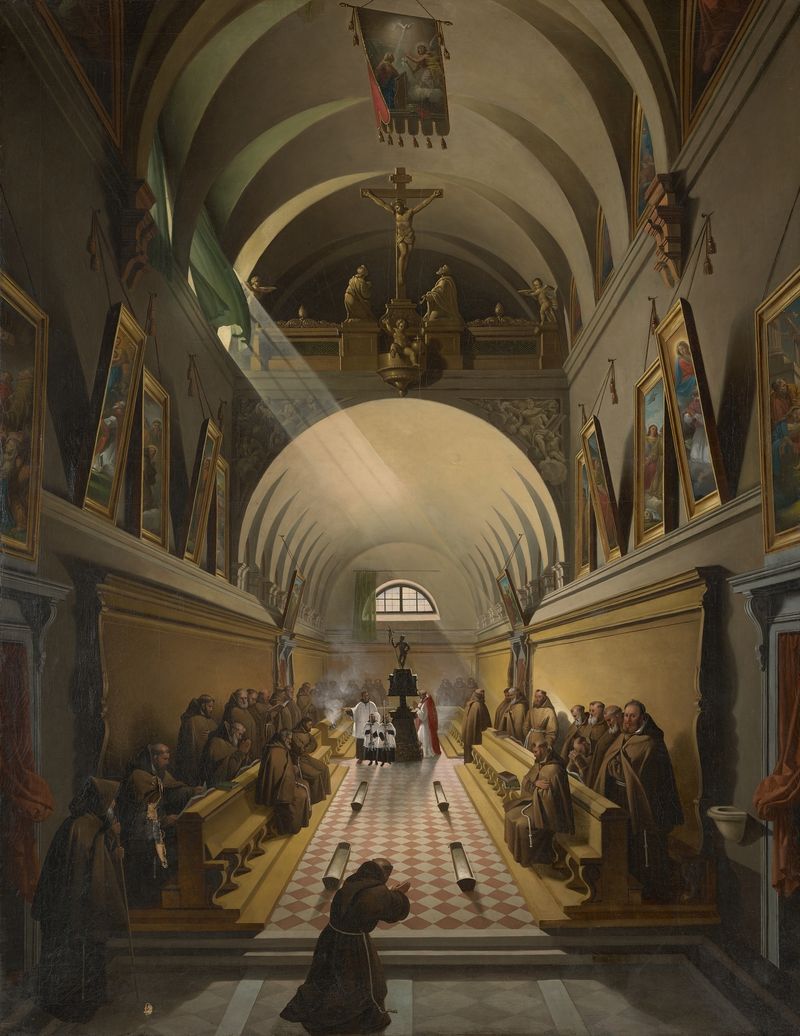
Interior of a Capuchin Convent
François-Marius Granet
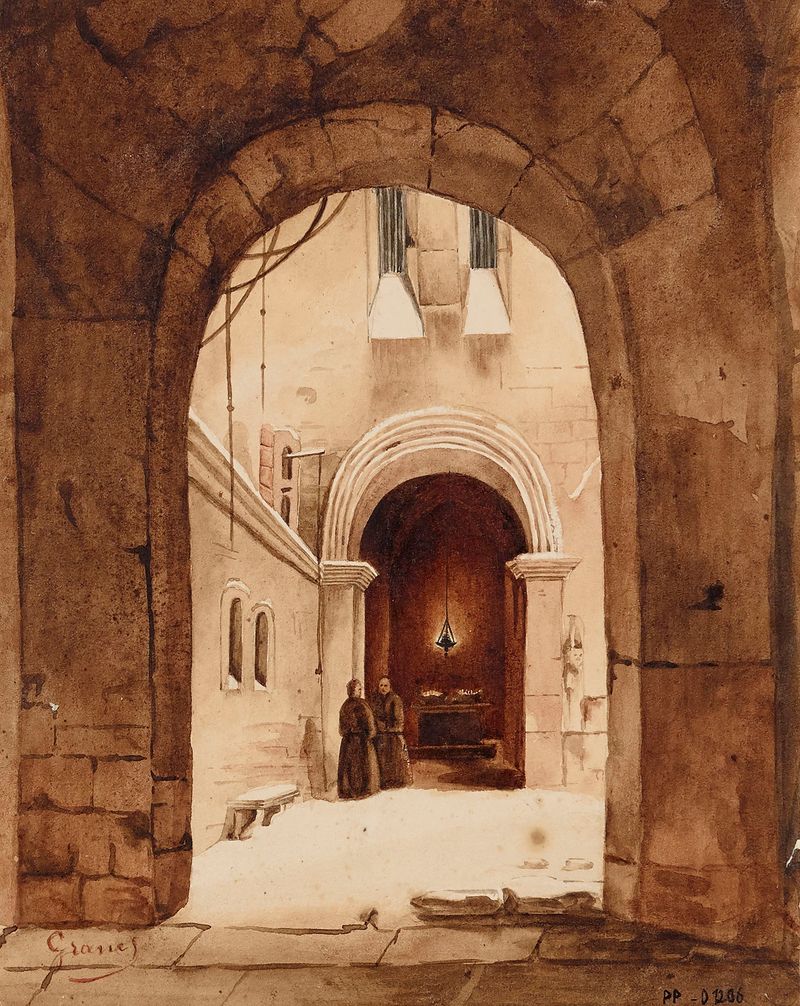
Deux ermites se promenant sous des voûtes
François-Marius Granet
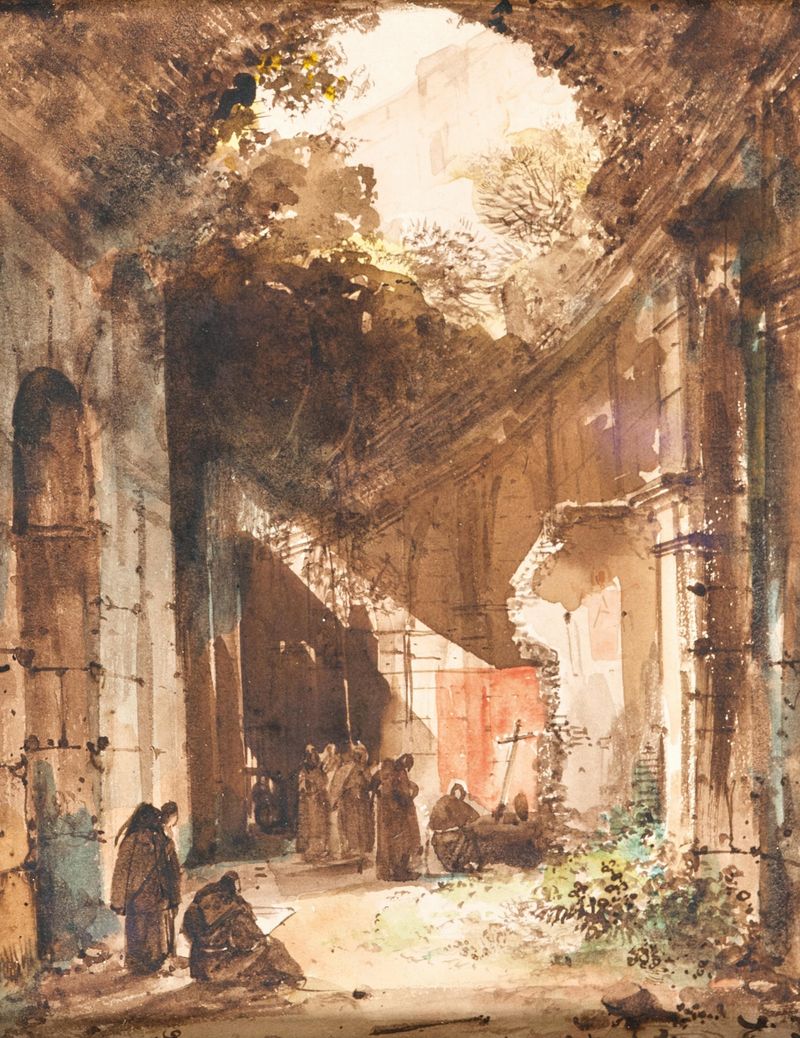
Monks in the Colosseum
François-Marius Granet
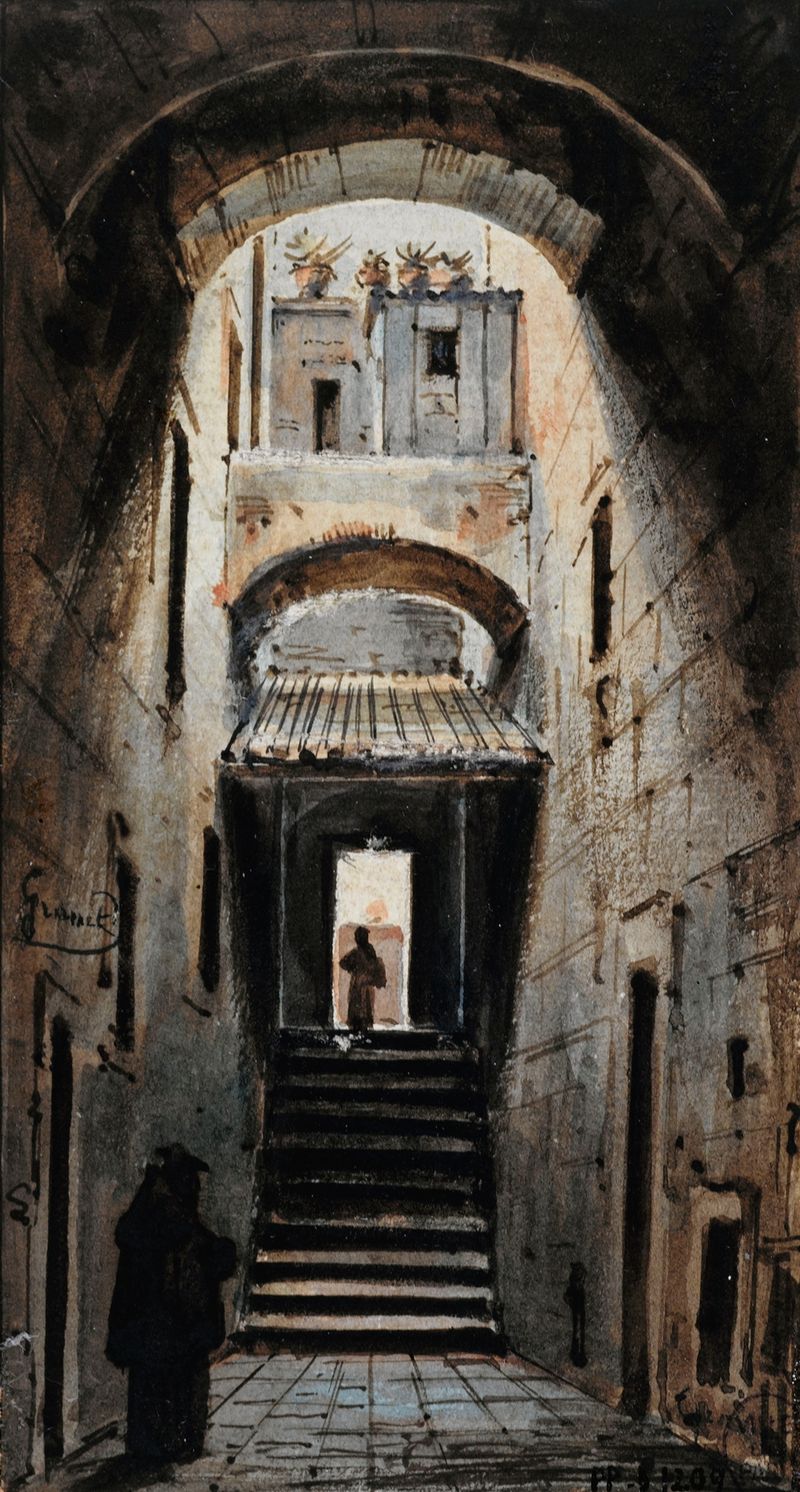
Une rue sous les voûtes
François-Marius Granet
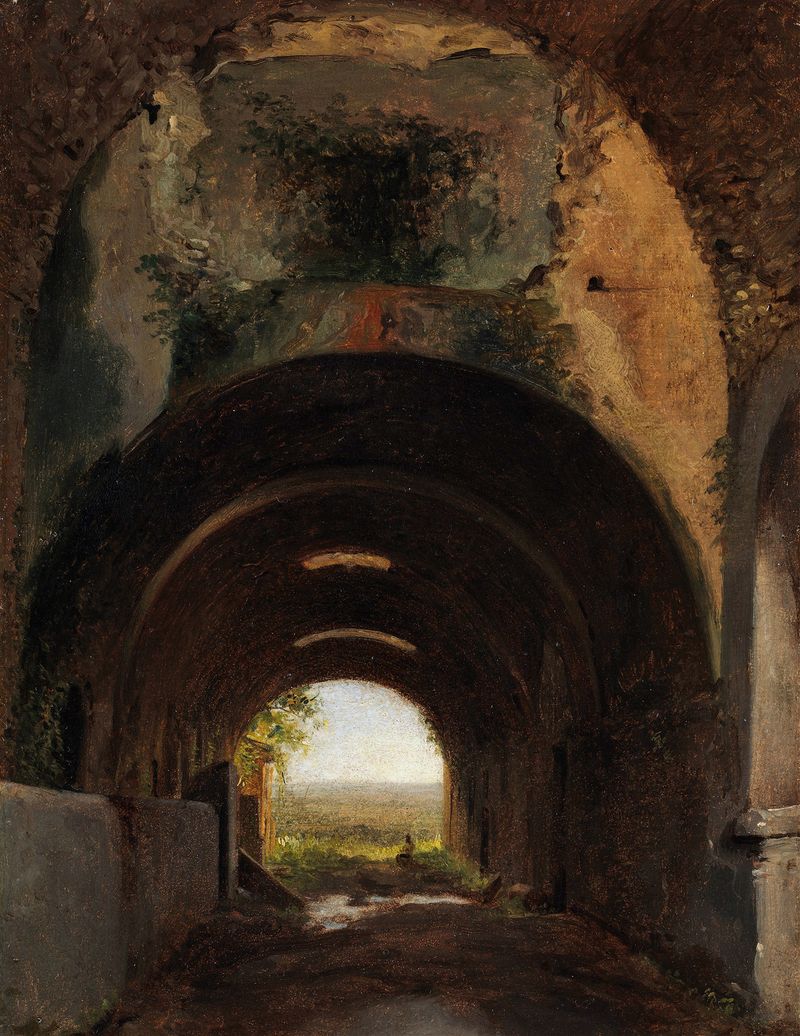
View in the Stables of the Villa of Maecenas, Tivoli
François-Marius Granet
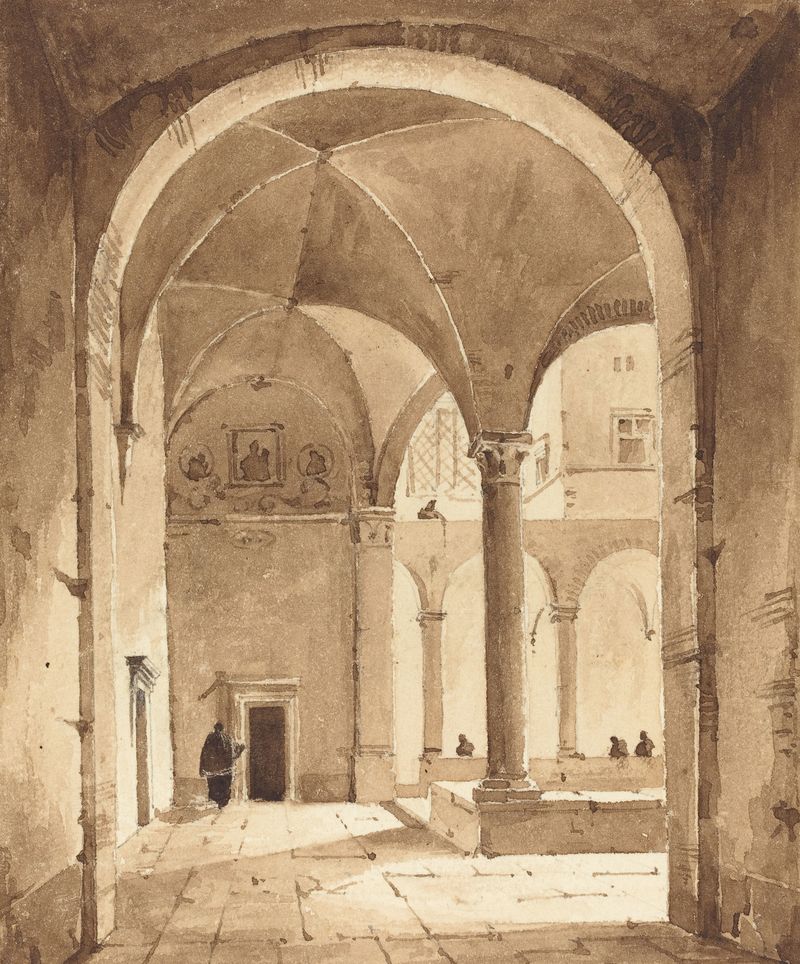
A Cloister
François-Marius Granet
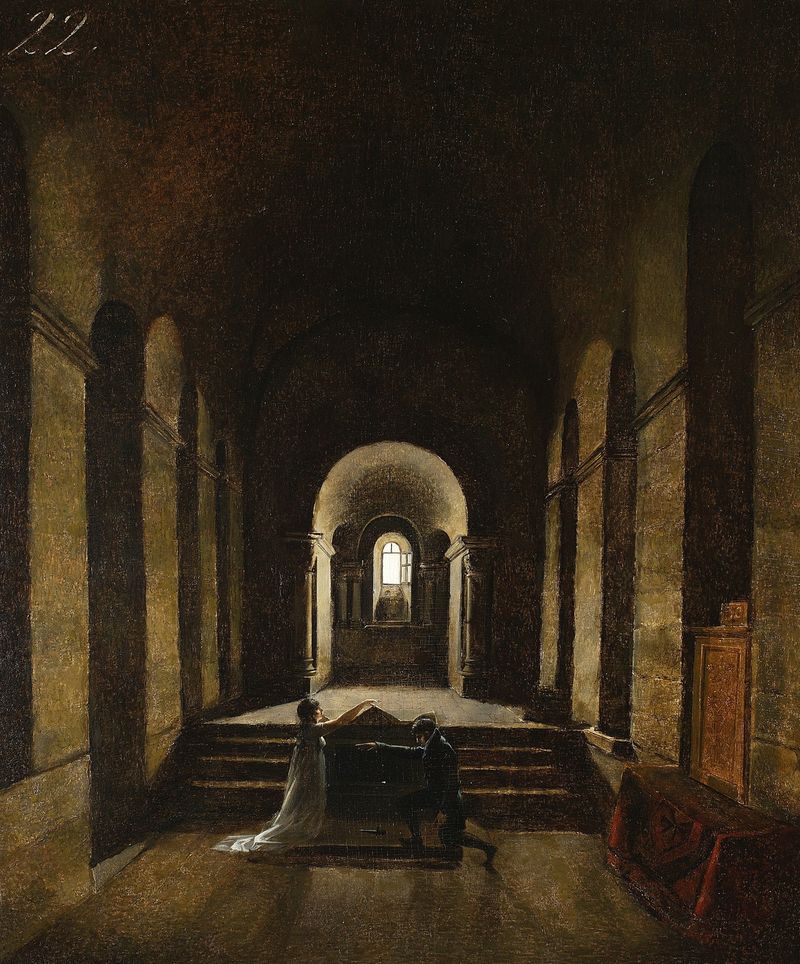
Vow (chapel interior)
François-Marius Granet
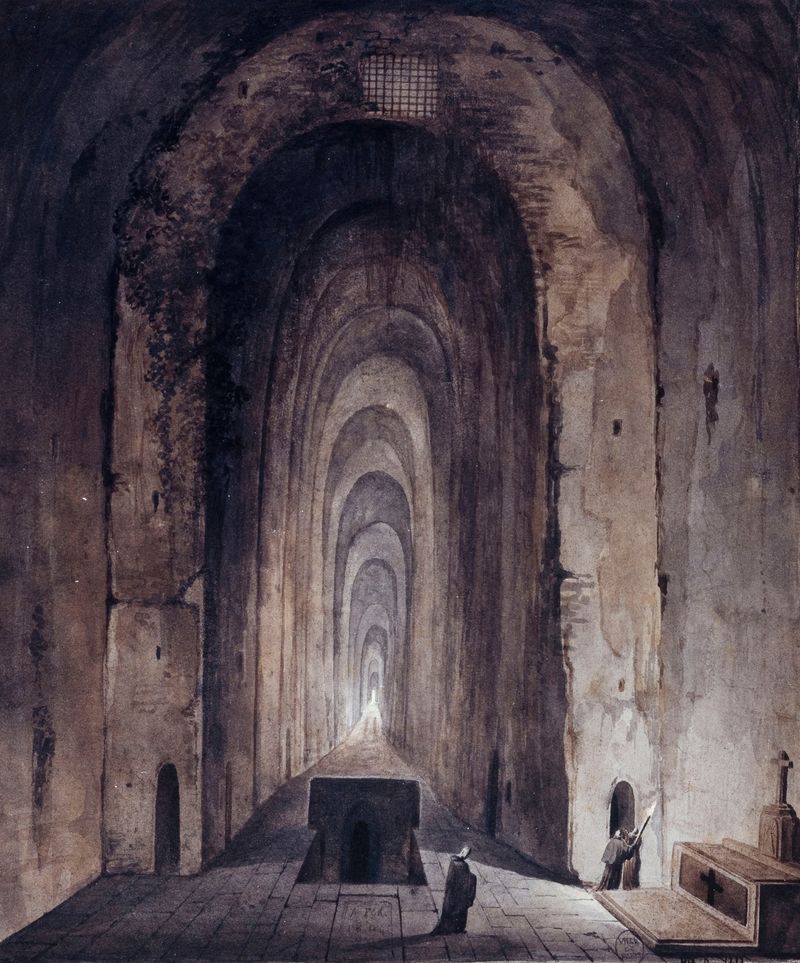
Les Catacombes de Saint-Agnès à Naples
François-Marius Granet
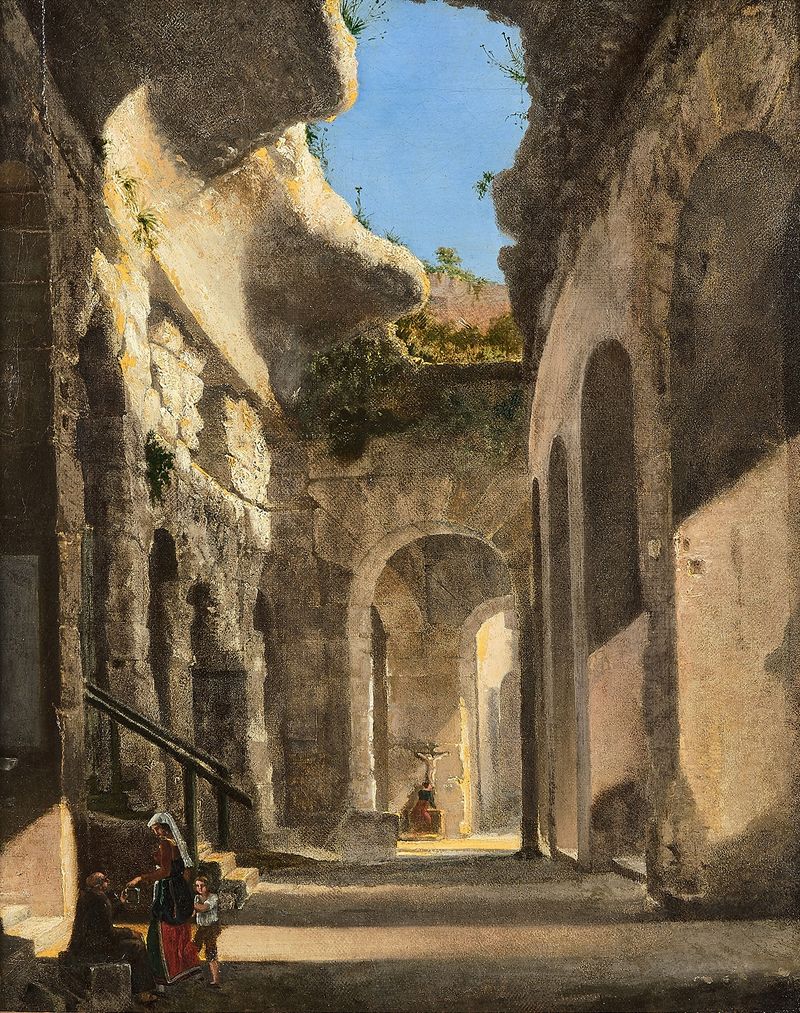
Les ruines du Colisée animées de personnages
François-Marius Granet
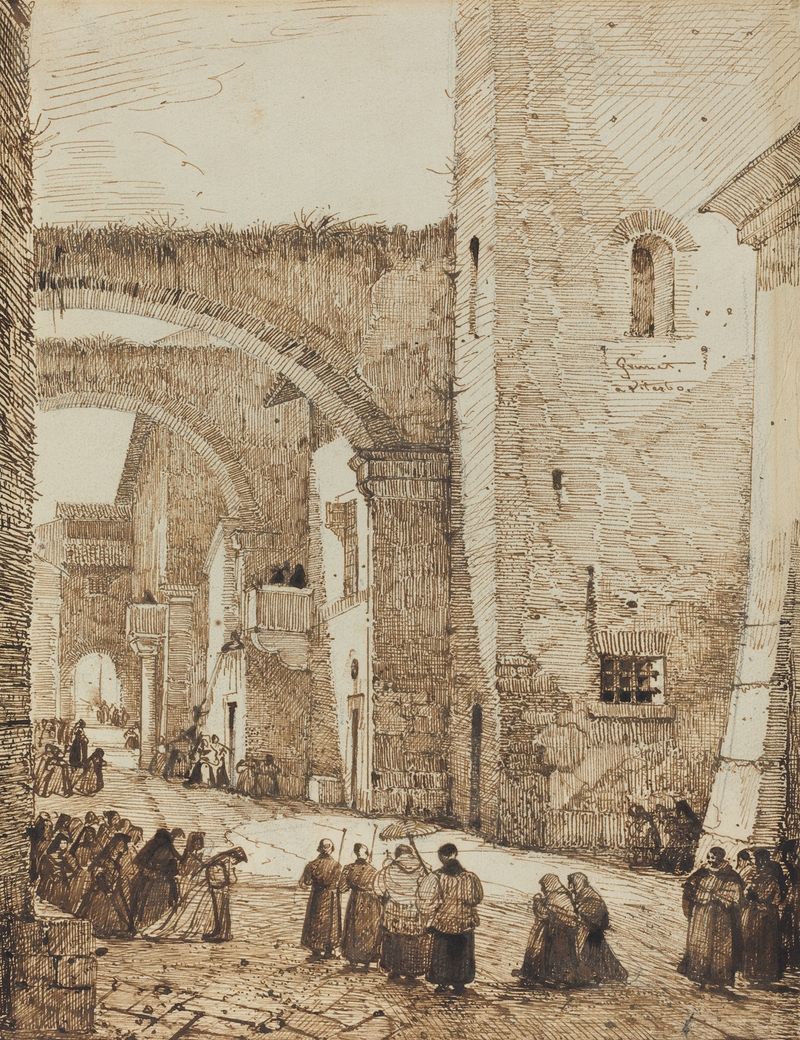
A Priest Processing through a Medieval Street in Viterbo
François-Marius Granet
More Architecture Art
Browse all →
The statue of Liberty
Frédéric Auguste Bartholdi

View of Houses in Delft, Known as ‘The Little Street’
Johannes Vermeer

View of Houses in Delft, Known as ‘The Little Street’
Johannes Vermeer

The Cathedral in Rouen. The portal, Grey Weather
Claude Monet

The yellow house
Vincent van Gogh

The Church in Auvers-sur-Oise, View from the Chevet
Vincent van Gogh