
Vow (chapel interior) — History & Facts
What if silence could speak through light? In François-Marius Granet’s Vow (chapel interior), the stillness of a sacred space breathes a profound sense of reverence and introspection. Focus on the soft glow emanating from the stained glass windows, casting a kaleidoscope of colors onto the chapel floor. Your eyes are drawn first to the quiet figure in prayer, kneeling before the altar, their posture a blend of vulnerability and devotion. Notice how the light dances upon their silhouette, contrasting the darker elements of the stone architecture, creating a palpable tension between the ethereal and the earthly.
The gentle hues of ochre and muted greens envelop the scene with a serene warmth, inviting contemplation. Delve deeper into the painting’s emotional landscape. The juxtaposition of light and shadow encapsulates the essence of faith—one that teeters on the edge of hope and despair. The intricate details of the chapel’s architecture symbolize the weight of tradition, while the solitary figure represents the personal struggle within that framework.
In this moment, the void of presence contrasts sharply with the vibrant colors, hinting at the artist's exploration of the interplay between spirituality and solitude. During the early 1820s, Granet painted Vow (chapel interior) amid a climate of artistic innovation, as Romanticism began to take hold in France. He was deeply influenced by the classical traditions while also seeking to capture the emotional intensity of the human experience. Granet's focus on architectural interiors and their atmospheric qualities reflects his desire to connect viewers with sacred spaces, inviting them to explore their own spiritual journeys through art.
More Artworks by François-Marius Granet
Browse all →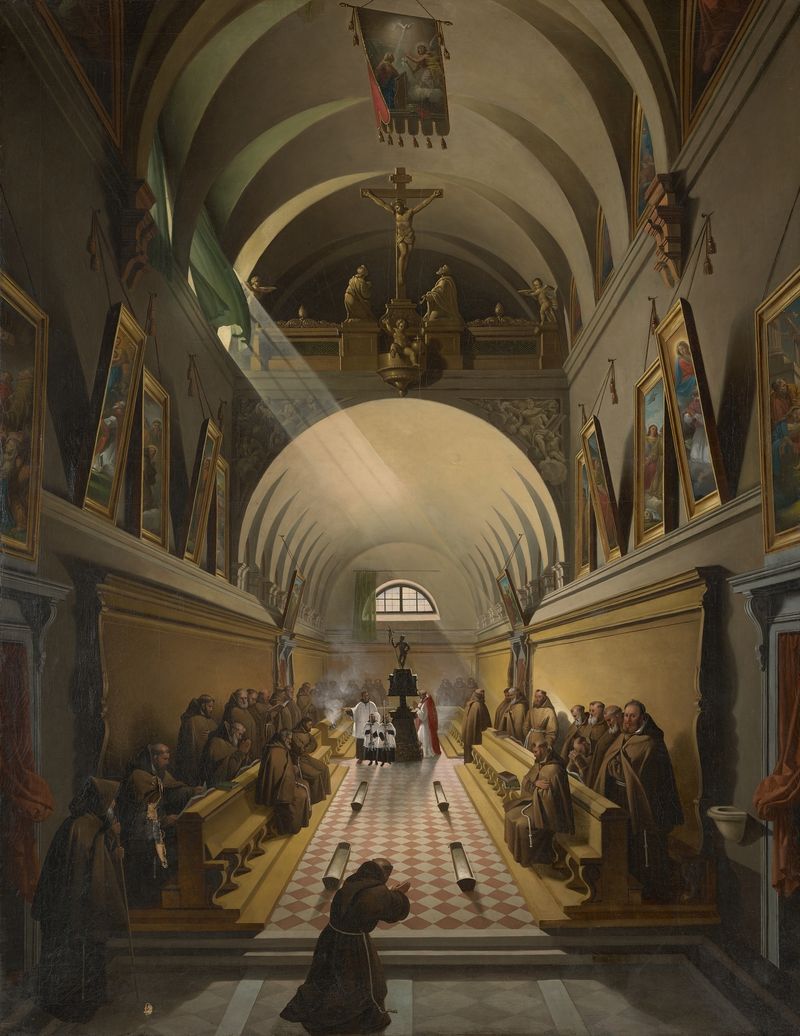
Interior of a Capuchin Convent
François-Marius Granet
Deux ermites se promenant sous des voûtes
François-Marius Granet
Effet de lumière dans les ruines
François-Marius Granet
Monks in the Colosseum
François-Marius Granet
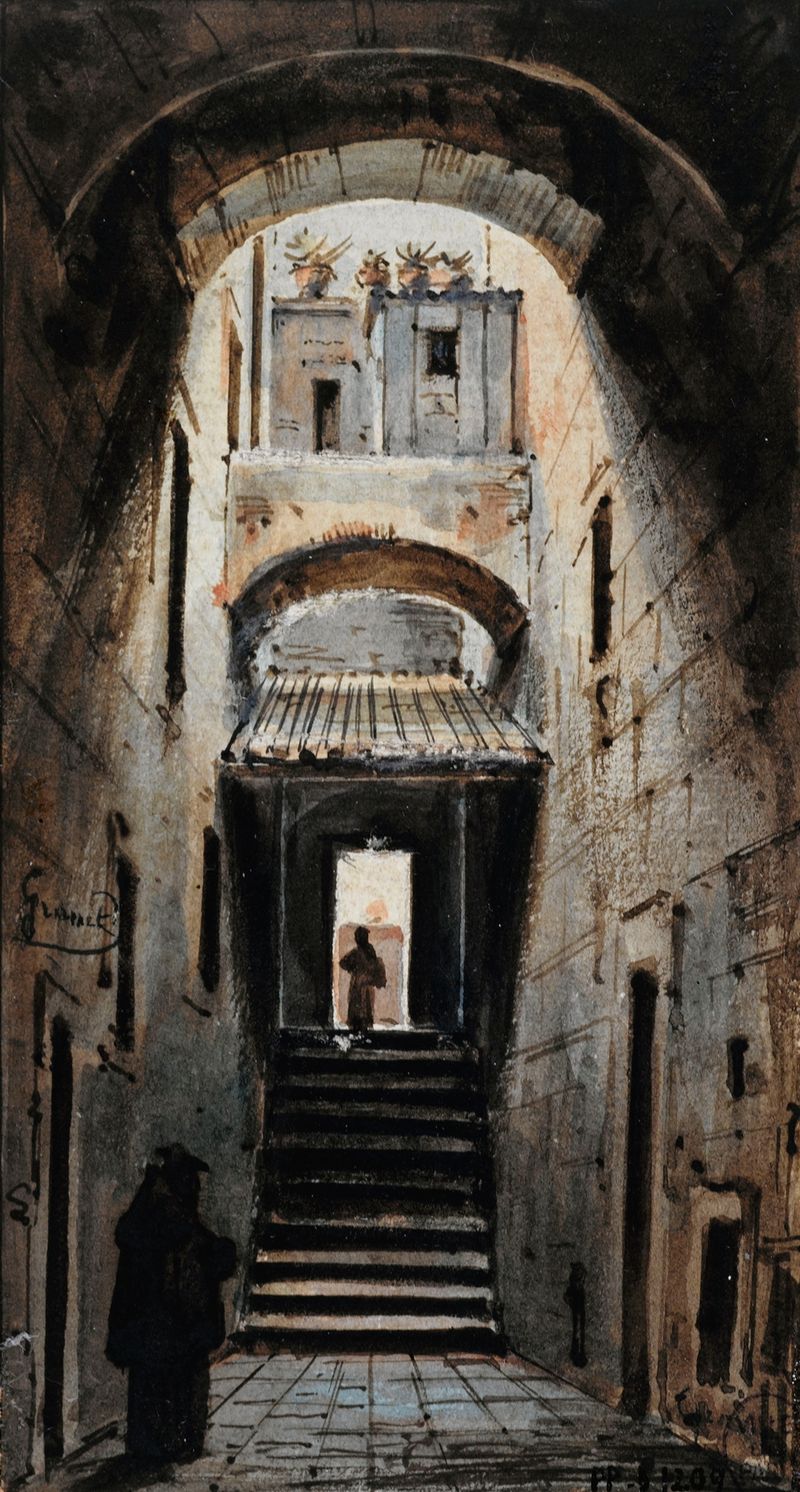
Une rue sous les voûtes
François-Marius Granet
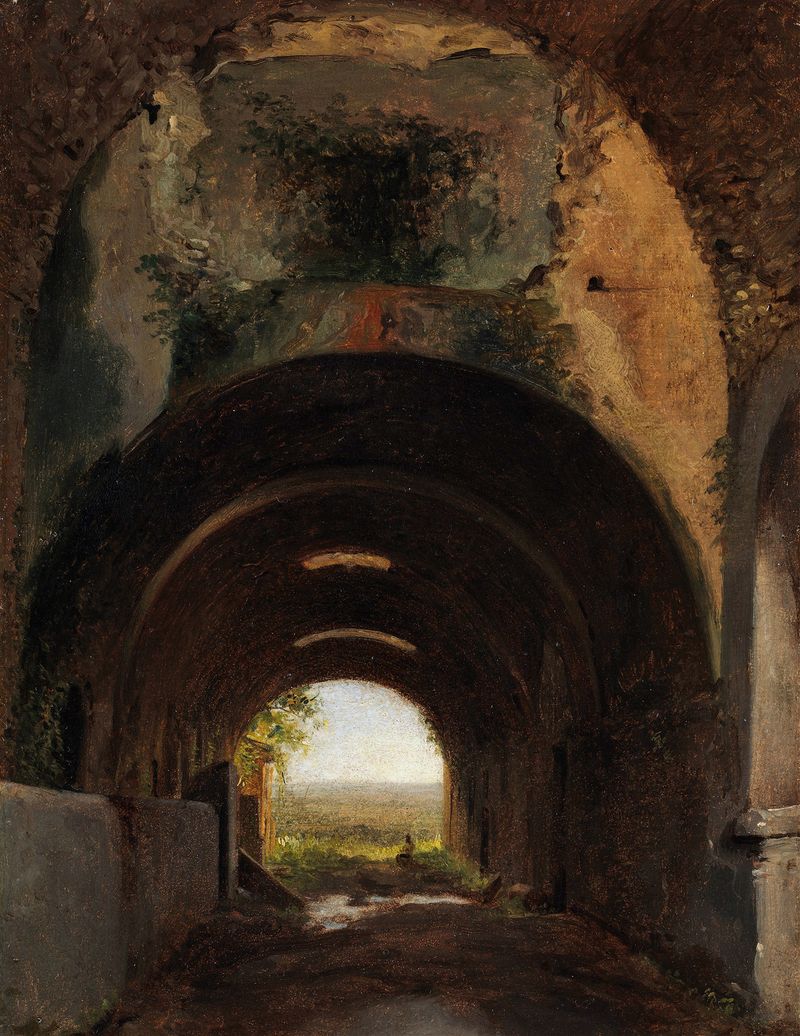
View in the Stables of the Villa of Maecenas, Tivoli
François-Marius Granet
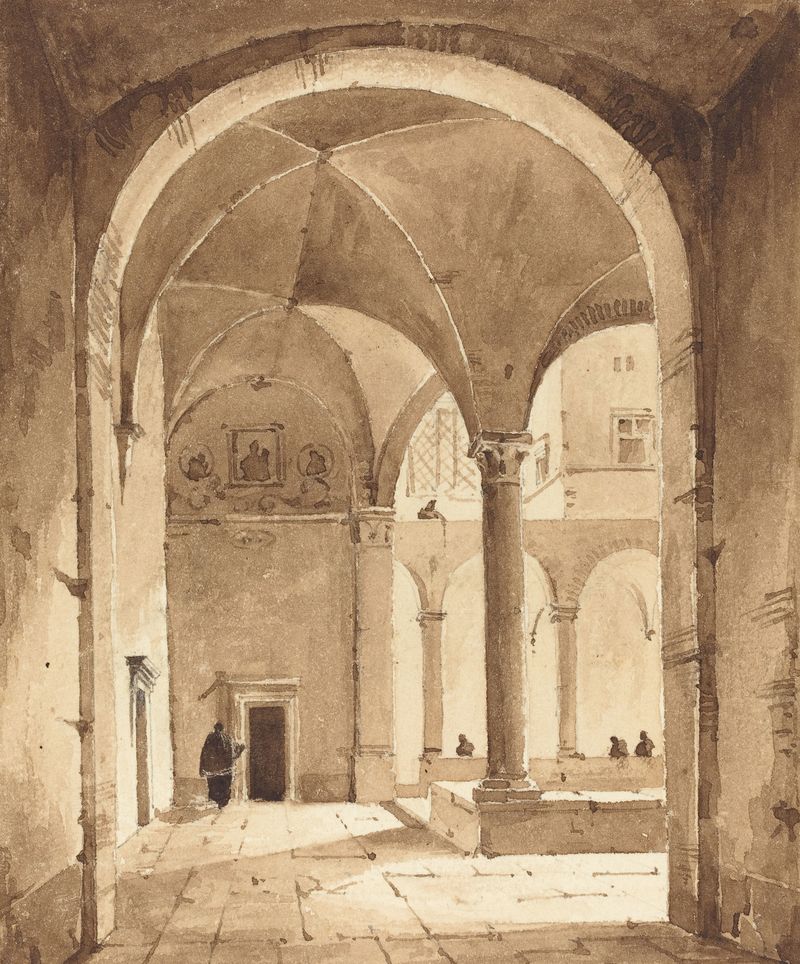
A Cloister
François-Marius Granet
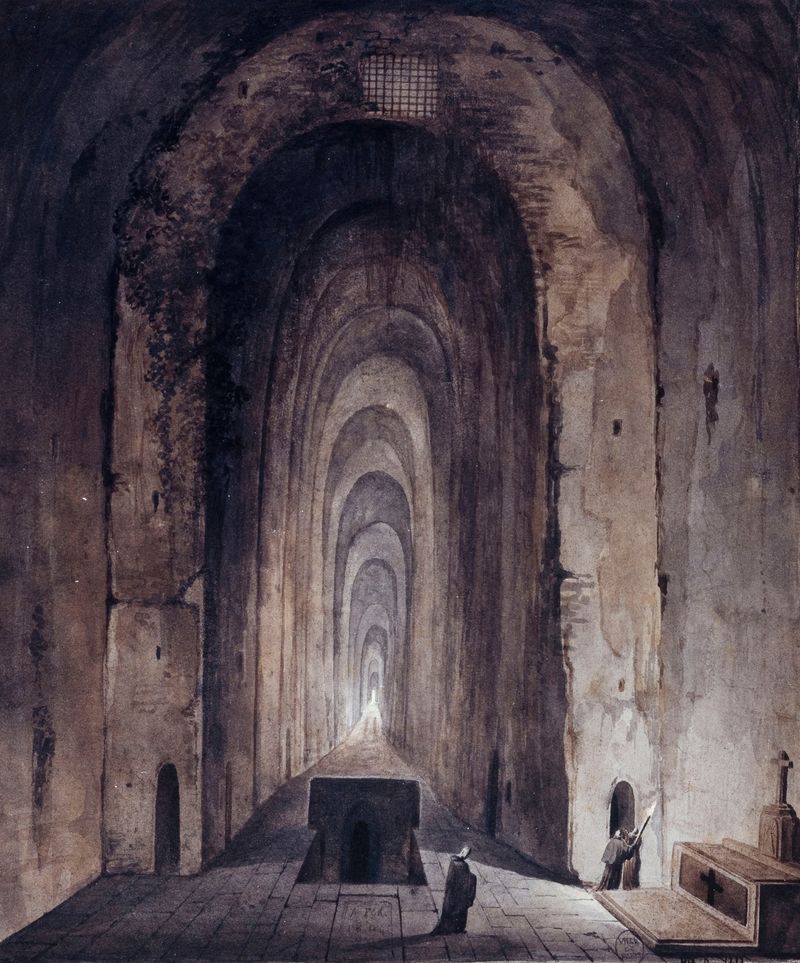
Les Catacombes de Saint-Agnès à Naples
François-Marius Granet
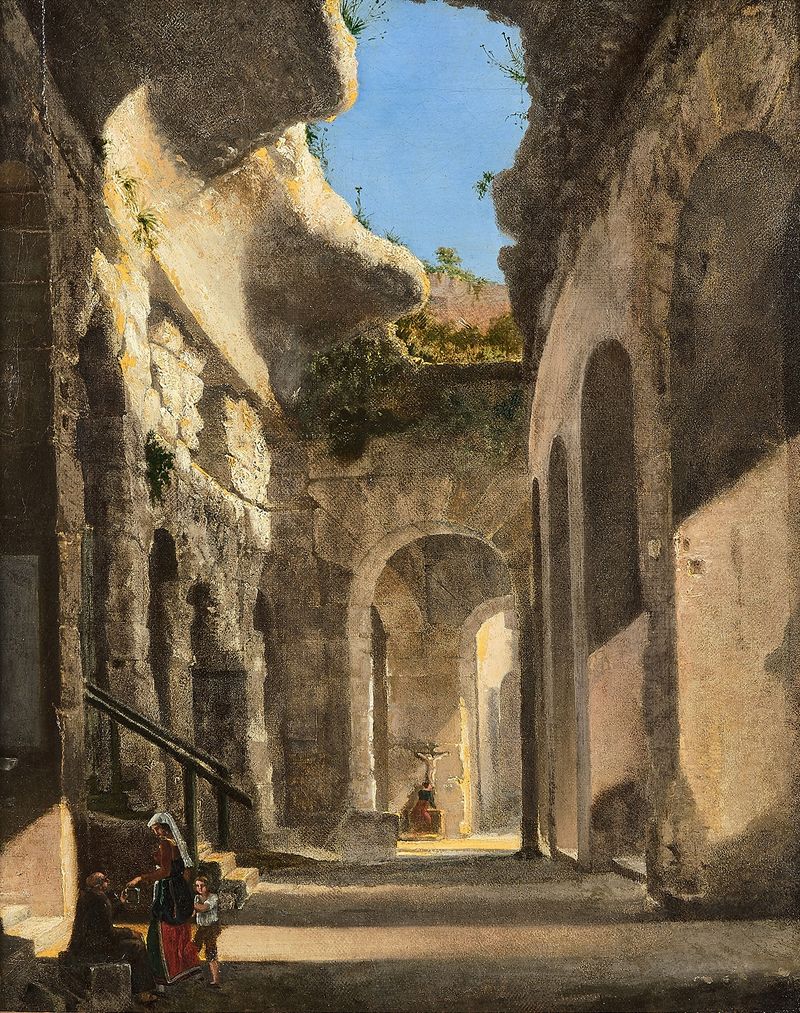
Les ruines du Colisée animées de personnages
François-Marius Granet
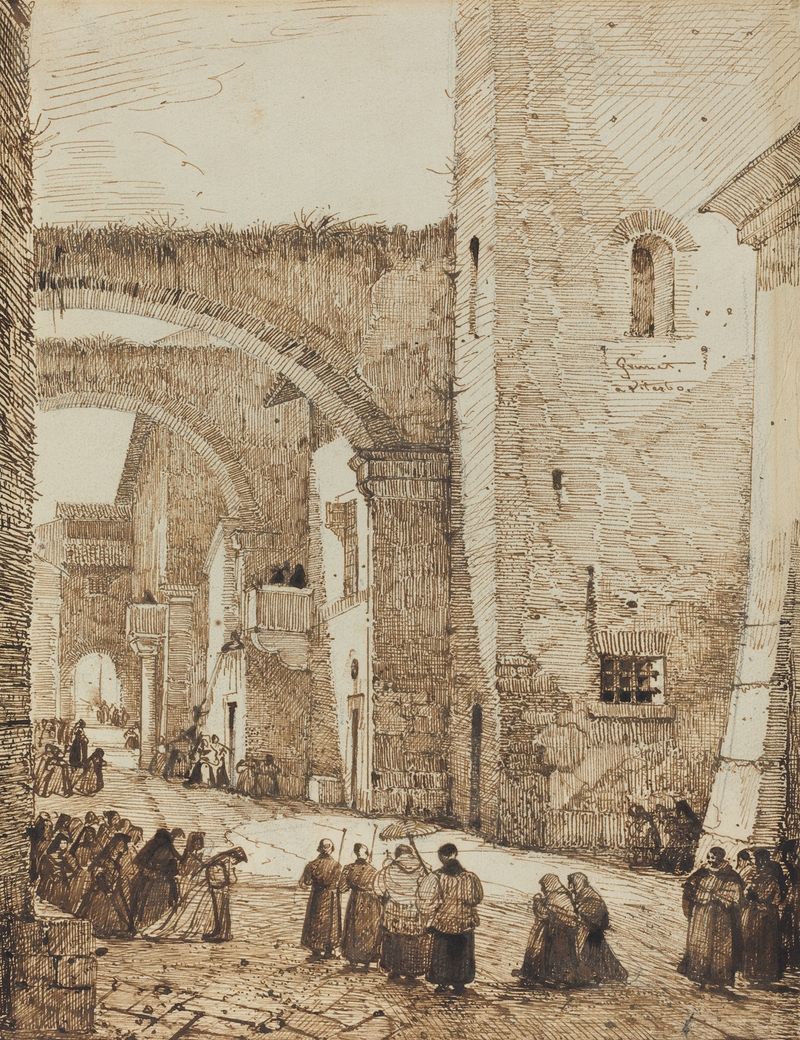
A Priest Processing through a Medieval Street in Viterbo
François-Marius Granet
More Religious Art
Browse all →
The Return of the Prodigal Son
Rembrandt van Rijn

The Garden of Earthly Delights
El Bosco

Count Orgaz’ funeral
El Greco

The Hundred Guilder Print: the central piece with Christ preaching, the plate arched
Rembrandt van Rijn

The Descent from the Cross
Rogier van der Weyden

The return of the prodigal son
Rembrandt van Rijn