A quiet cove — History & Facts
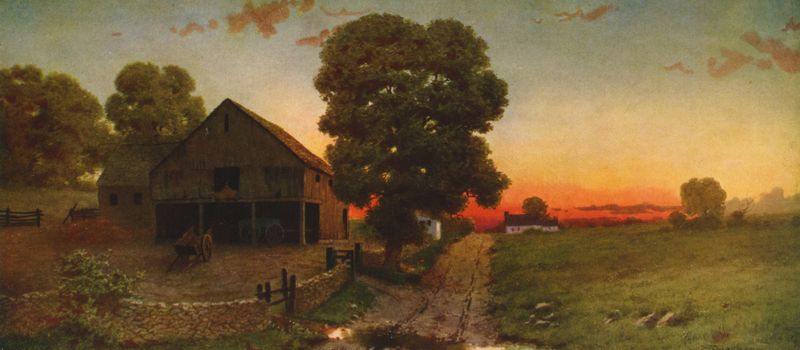
In the tender embrace of longing, we search for solace in the stillness of our surroundings. A quiet cove beckons with the promise of peace, yet it resonates with unspoken yearning. Look to the center of the canvas, where gentle waves lap against the shore, their rhythmic dance a soothing balm for the soul. The hues of turquoise and soft beige merge seamlessly, creating a harmonious blend of sea and sand.
Notice how the light diffuses softly, illuminating subtle textures and casting delicate shadows that suggest movement beneath the surface. Every stroke reveals Lamasure's meticulous attention to detail, inviting viewers to linger in this serene moment. Yet, beneath the tranquility lies an undercurrent of tension. The stark contrast between the placid water and the rugged cliffs hints at the emotional struggles that often accompany solitude.
The shadows in the cove are deep and suggestive, evoking a sense of isolation that speaks to the human experience of yearning for connection. Here, the artist encapsulates a delicate balance between serenity and the ache of desire, a reflection on the beauty and complexity of solitude. Painted in 1910, this work emerged during a period of artistic exploration for Edwin Lamasure, who found himself deeply influenced by the Impressionist movement. At that time, his life was marked by a desire to capture fleeting moments of beauty in nature, as he sought to convey the profundity of human emotion through landscape.
In the broader art world, artists were increasingly turning to personal experiences as subjects, paving the way for more intimate and introspective representations of life.