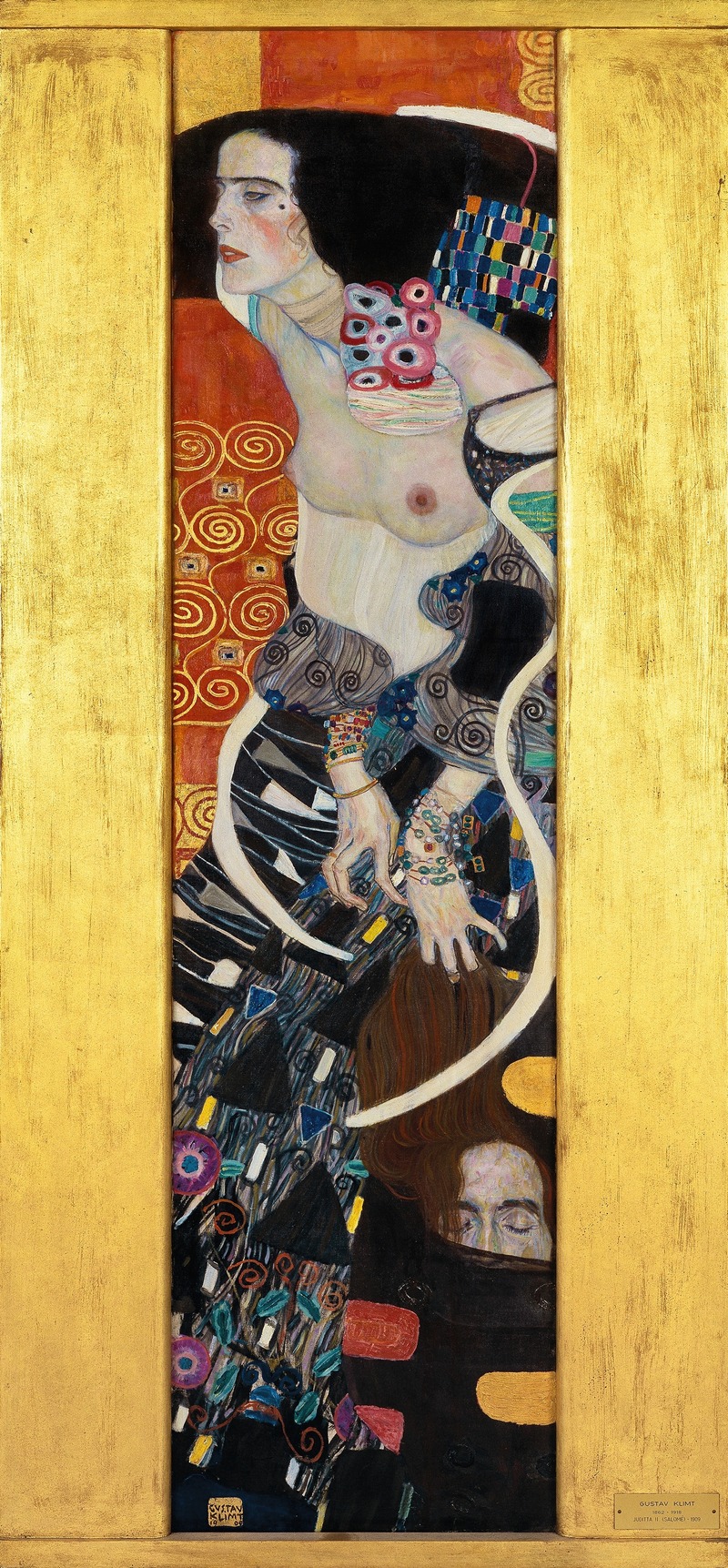
Discover insights about this artwork
A radiant female figure beset by dark spirits — History & Facts
A radiant female figure beset by dark spirits depicts a luminous woman standing confidently amidst shadowy, ominous figures. Her flowing attire is painted in bright tones, contrasting sharply with the dark, swirling forms around her. The background is filled with a mix of deep blacks and muted colors, enhancing the sense of foreboding.
The female figure's expression and posture suggest strength and resilience against the encroaching darkness. Notice the intricate details in the woman's clothing, which are painted with a sense of lightness and movement. The dark spirits appear almost smoky, creating a sense of chaos that surrounds her. The contrast between the brightness of the female figure and the gloom of the spirits draws your eye immediately.
This stark difference emphasizes the struggle between light and dark in the artwork. Francisco de Goya was a prominent Spanish painter known for his powerful and often dark themes. He created this work during a time when Romanticism was emerging, focusing on emotion and individualism. Goya's art often reflected the social and political turmoil of his time, making his pieces both personal and universal.
An interesting fact about Goya is that he was a court painter, yet he also produced works that were critical of the Spanish monarchy.
More Artworks by Francisco de Goya
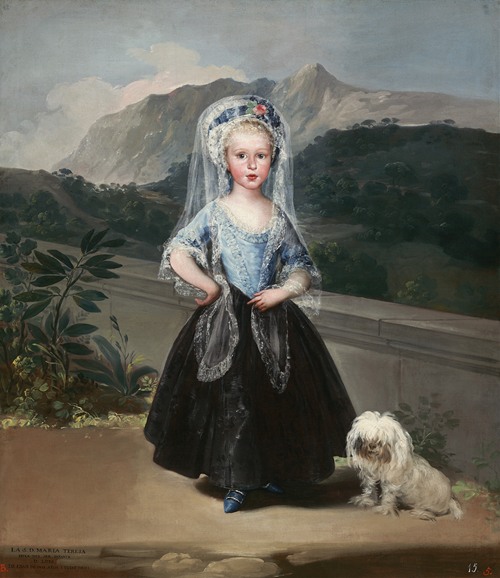
María Teresa de Borbón y Vallabriga,later Condesa de Chinchón
Francisco de Goya
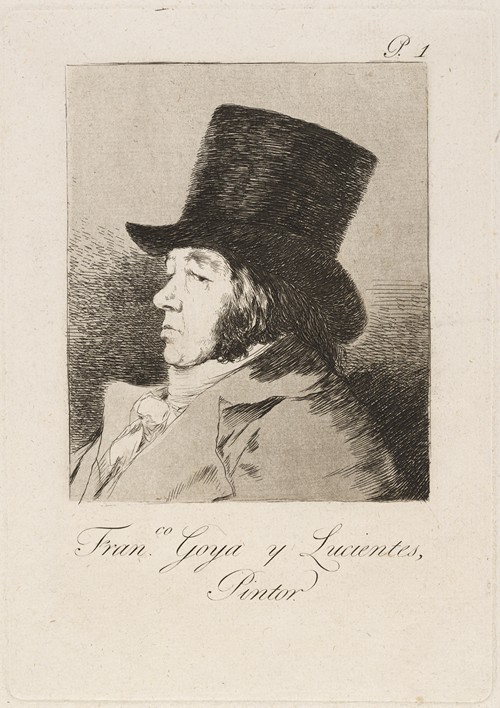
Francisco Goya y Lucientes, Pintor (Francisco Goya y Lucientes, painter)
Francisco de Goya
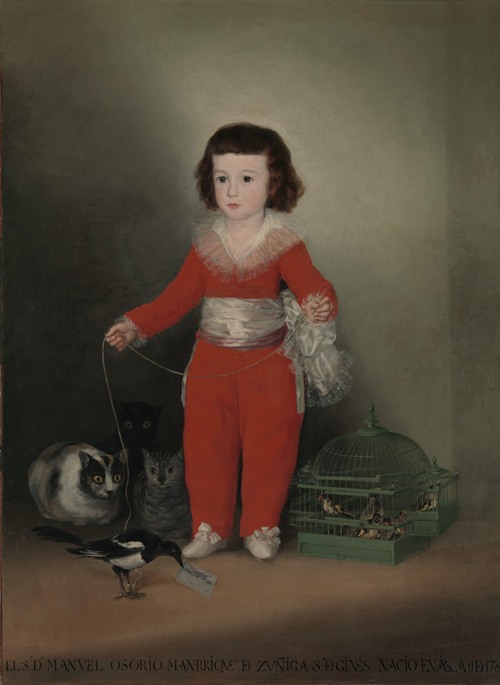
Manuel Osorio Manrique de Zuñiga (1784–1792)
Francisco de Goya
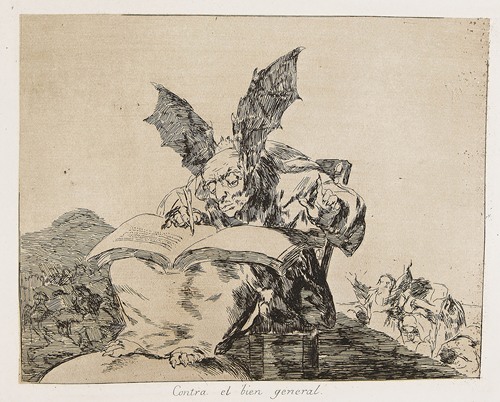
Los desastres de la guerra
Francisco de Goya
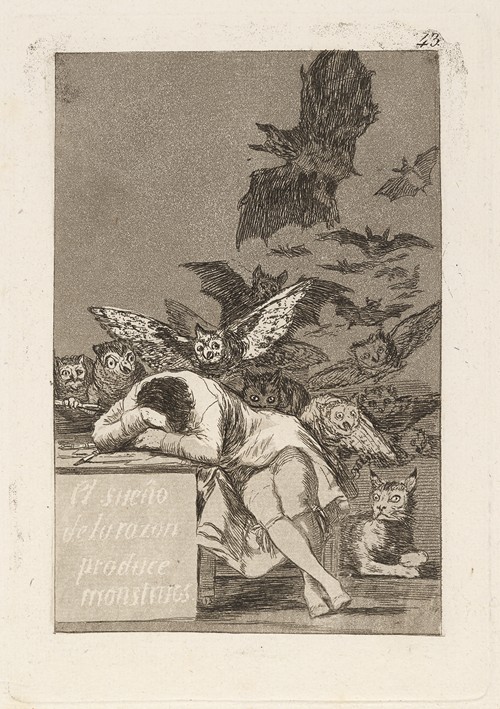
El sueño de la razon produce monstruos. (The sleep of reason produces monsters.)
Francisco de Goya
El sueño de la razon produce moustruos (Serie Caprichos)
Francisco de Goya
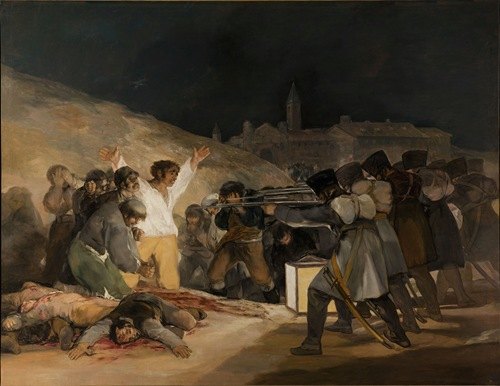
The Third of May
Francisco de Goya
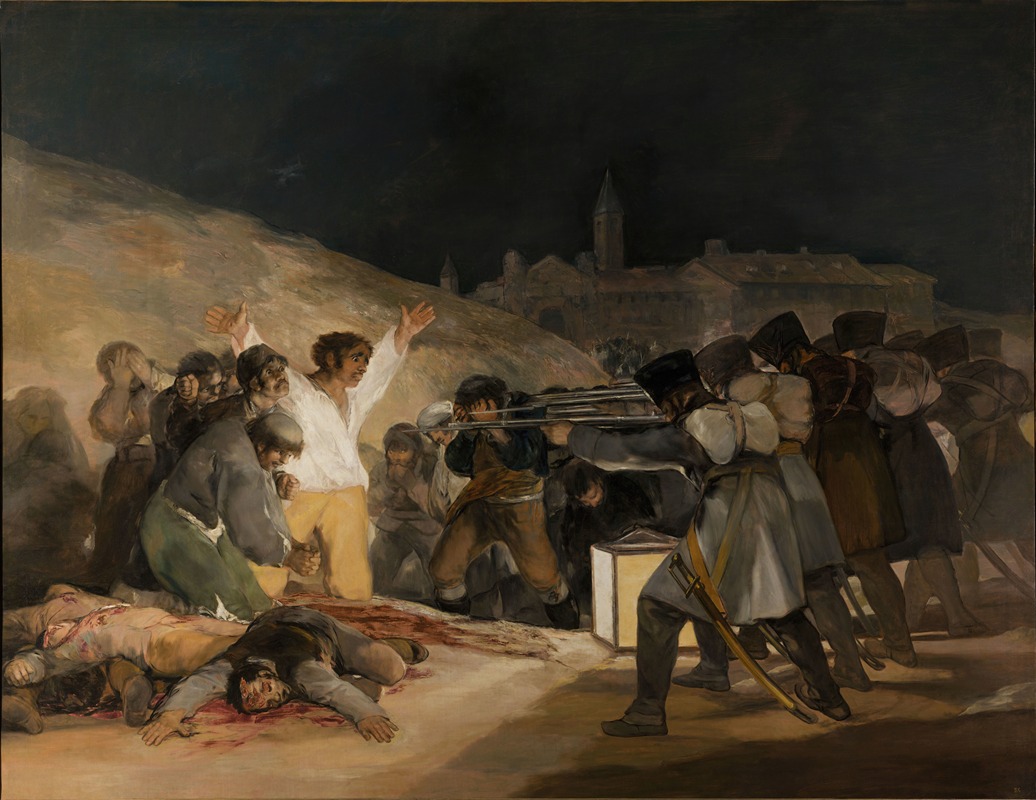
The Third of May 1808
Francisco de Goya
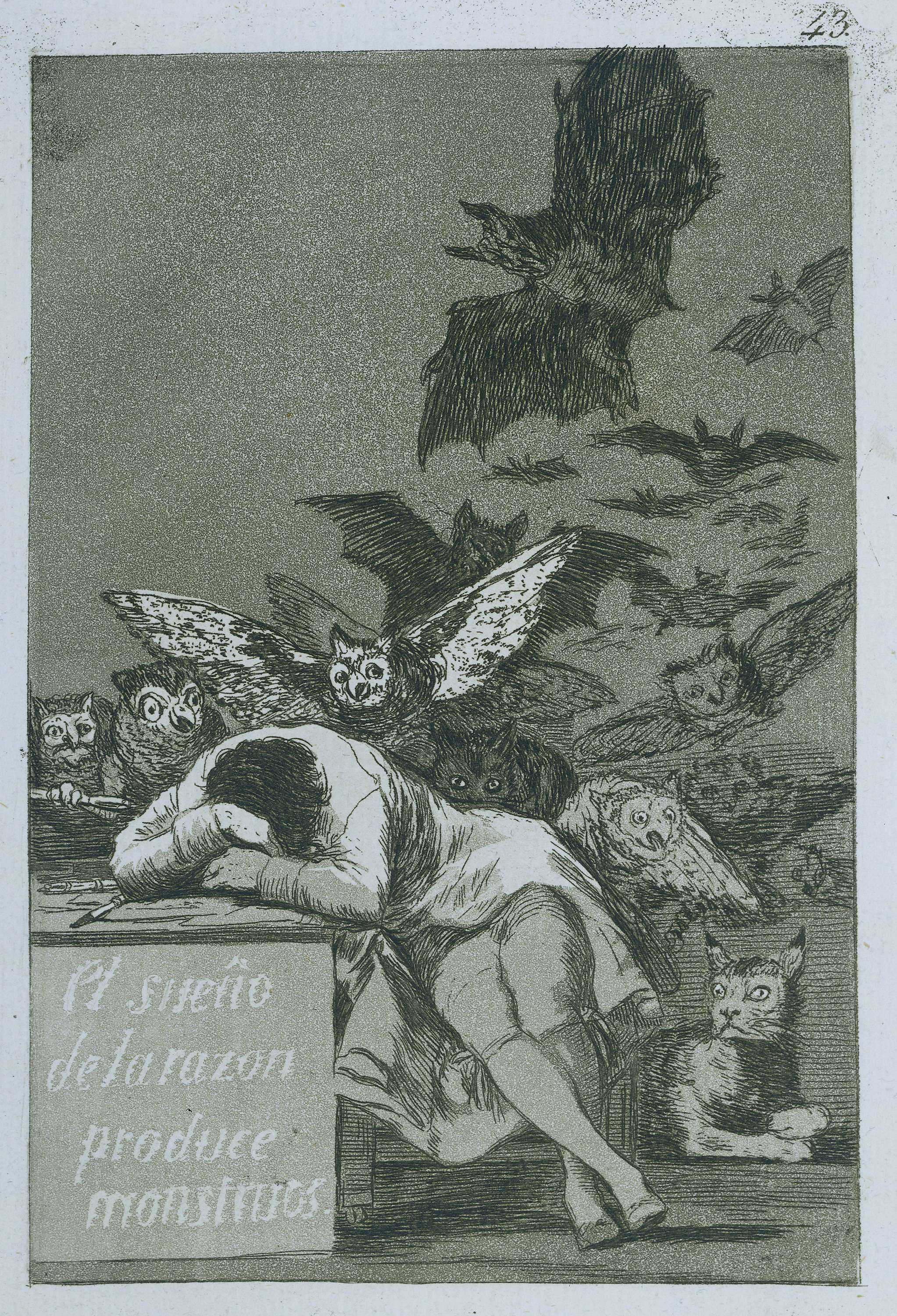
De slaap van de rede brengt monsters voort
Francisco de Goya
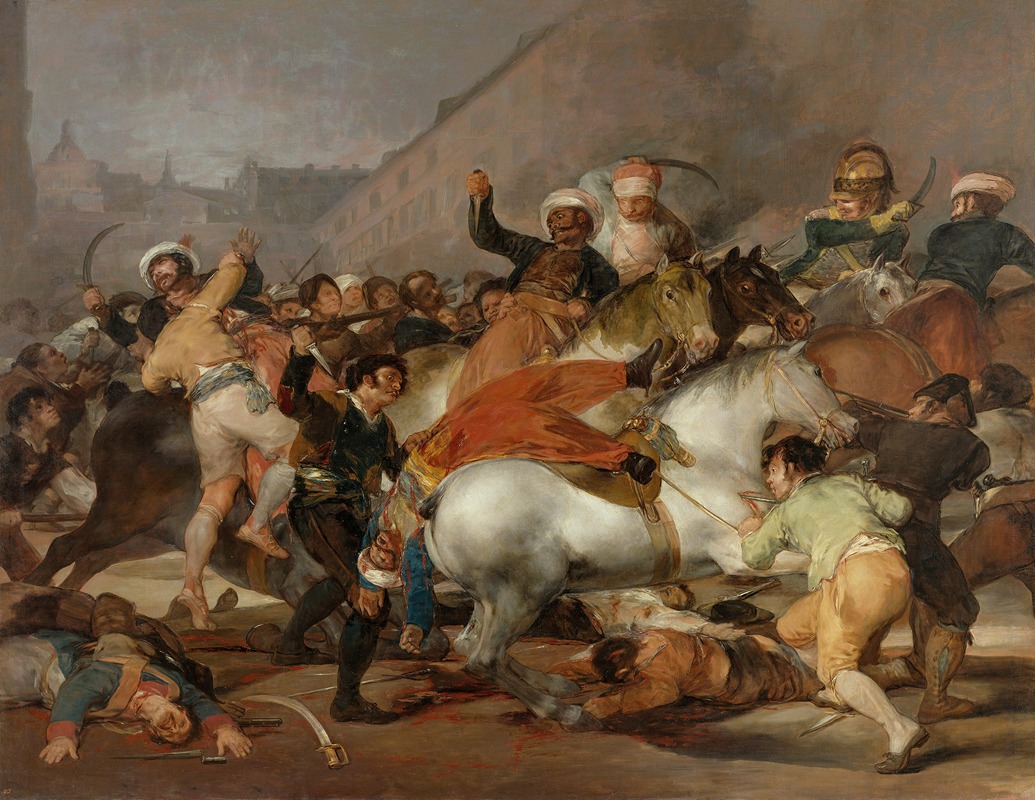
The Charge of the Mamelukes (1814)
Francisco de Goya