
A River Scene with Thatched Huts by a Bridge over a Weir — History & Facts
Where does light end, and longing begin? This question echoes through the stillness of the landscape, inviting the viewer to contemplate the delicate balance between nature and the human spirit. Look to the foreground, where the thatched huts emerge from the gentle mist that shrouds the riverbank. The play of light dances across the surface of the water, reflecting hues of soft blues and warm earth tones. Notice how the bridge arcs gracefully over the weir, a visual embodiment of harmony, connecting the two banks as it guides the eye deeper into the scene.
The brushwork is both detailed and impressionistic, suggesting movement while allowing the natural textures of the landscape to breathe. Upon closer inspection, the juxtaposition of the tranquil river and the sturdy huts reveals a deeper narrative of resilience. The still water hints at the passage of time, while the structures signify human ingenuity amidst nature's embrace. The serene atmosphere belies an underlying tension—caught between a longing for connection and the solitude of existence.
Each element seems to speak of stories untold, echoing the balance between stability and vulnerability that defines our lives. James Lambert of Lewes created this work during a time when the idyllic English countryside was a source of inspiration for many artists. Although the exact date remains unknown, Lambert was active in the late 18th century, a period characterized by a growing appreciation for landscape painting. This piece reflects the artist's engagement with the nuances of rural life, capturing a moment that balances the beauty of nature with the human experience.
More Artworks by James Lambert of Lewes
Browse all →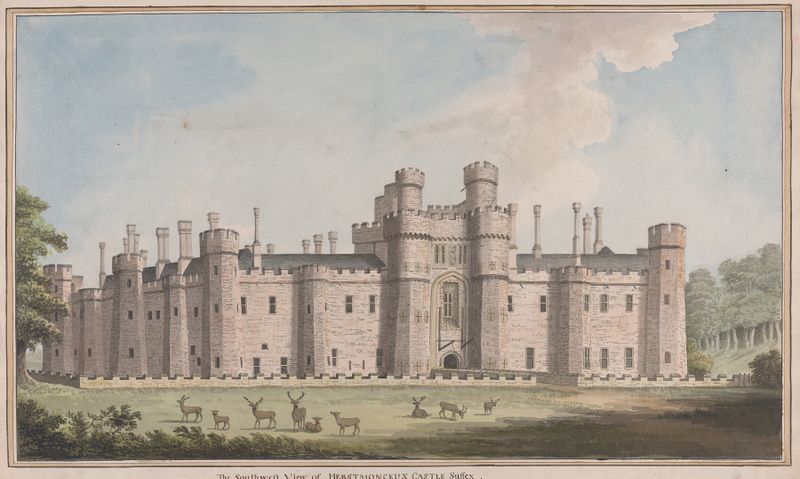
Herstmonceux Castle, East Sussex: South West View
James Lambert of Lewes
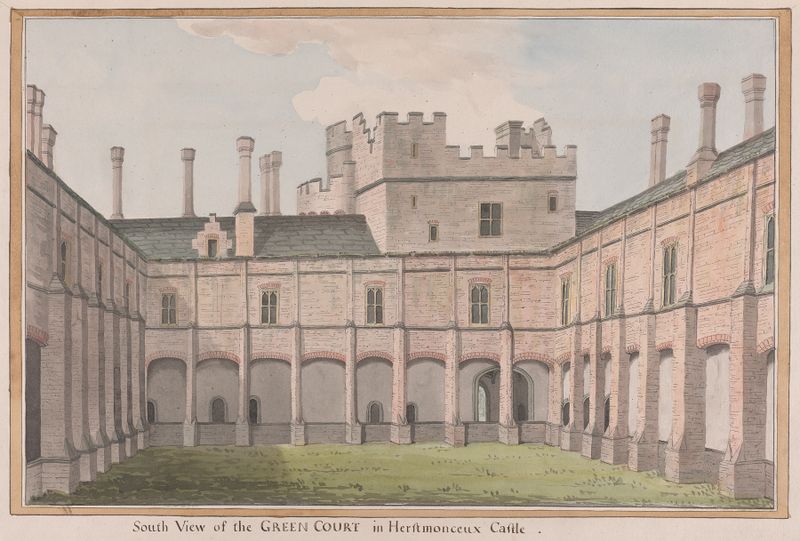
Herstmonceux Castle, East Sussex: South View of the Green Court
James Lambert of Lewes
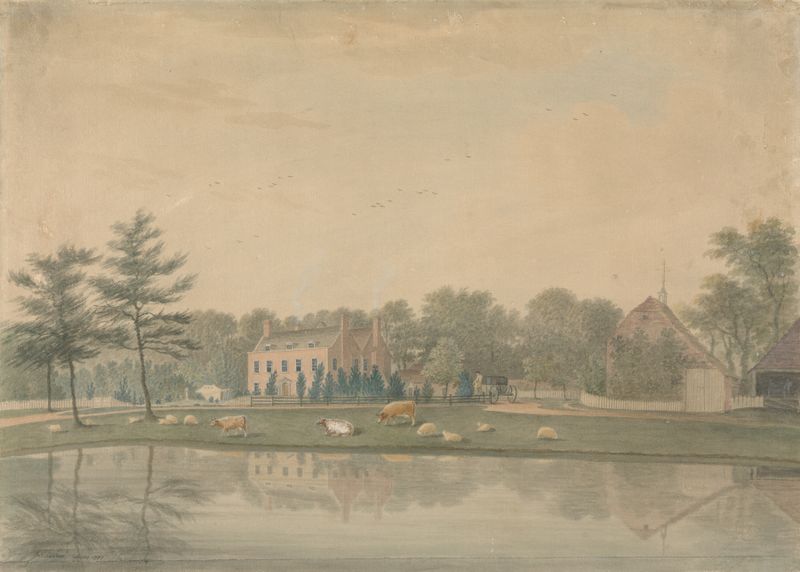
North East View of a House at Ringmer with Cattle and Sheep by a Pond
James Lambert of Lewes
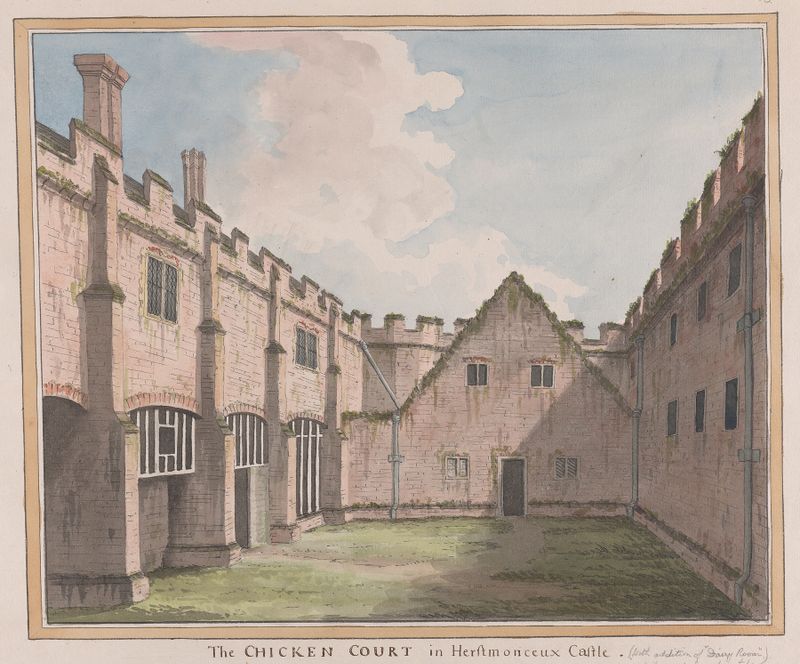
Herstmonceux Castle, East Sussex: The Chicken Court.
James Lambert of Lewes
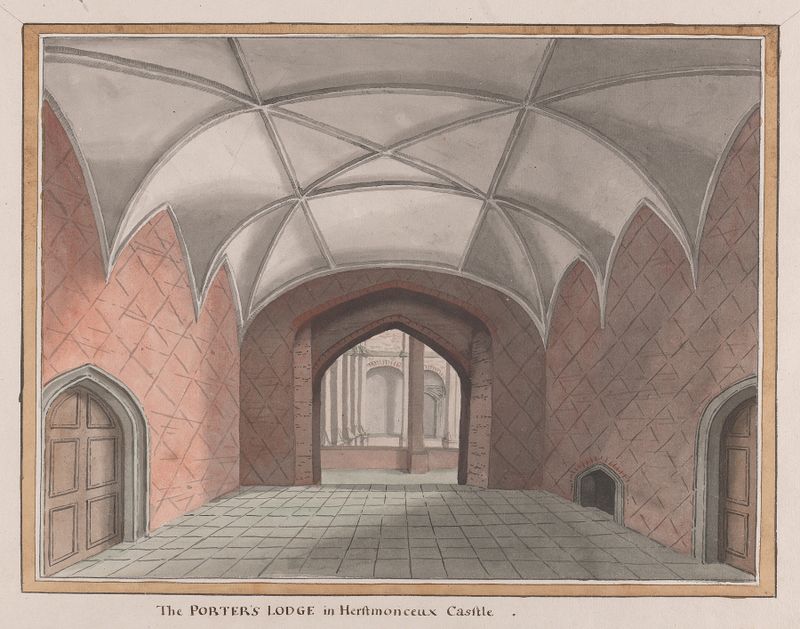
Herstmonceux Castle, East Sussex: The Porter’s Lodge
James Lambert of Lewes
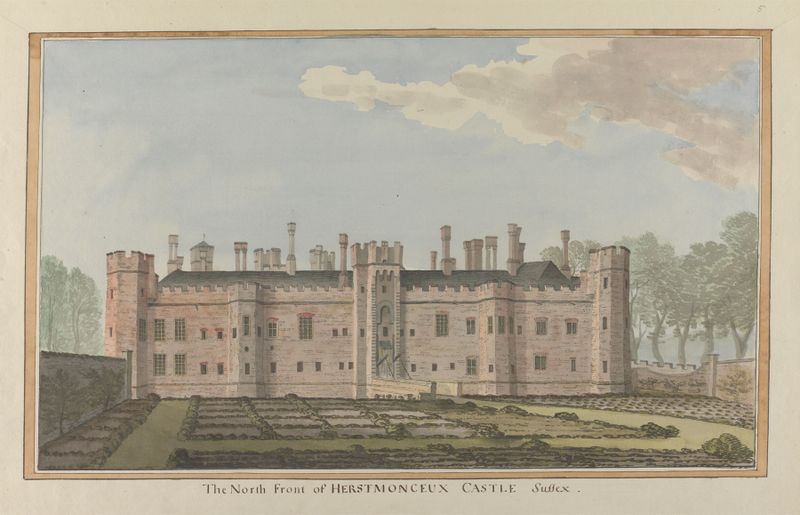
Herstmonceux Castle, East Sussex: The North Front
James Lambert of Lewes
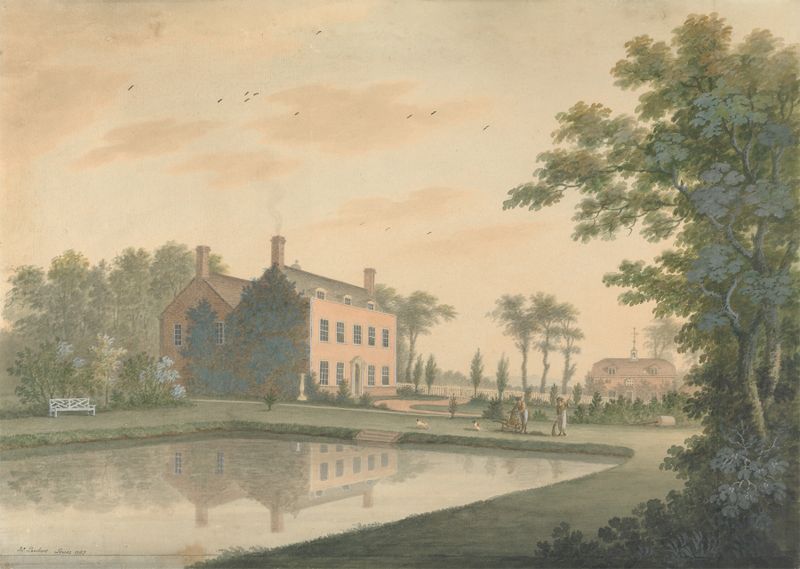
South View of a House at Ringmer with Gardeners at Work
James Lambert of Lewes
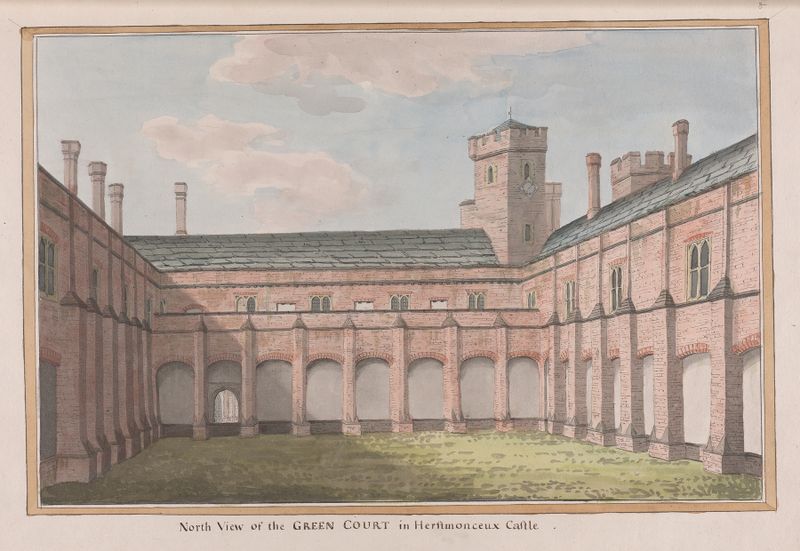
Herstmonceux Castle, East Sussex: North View of the Green Court
James Lambert of Lewes
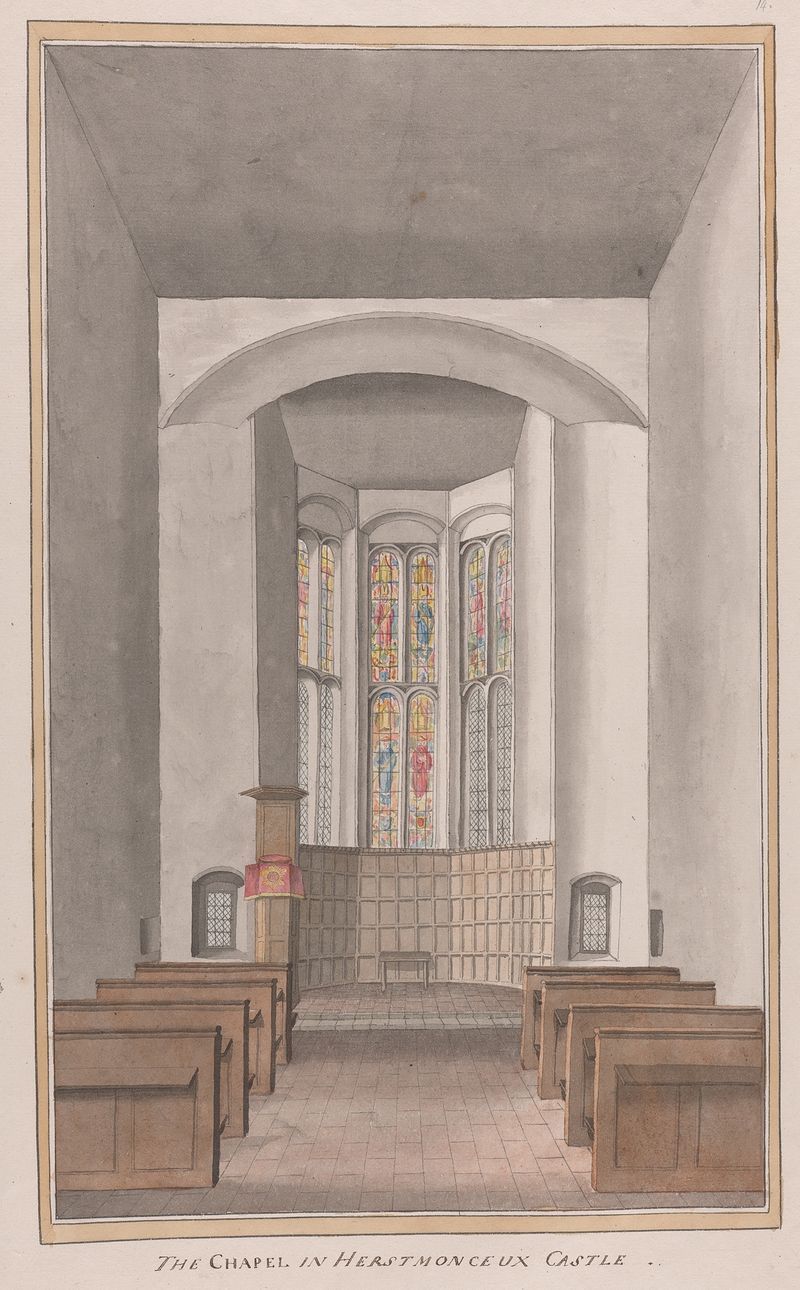
Herstmonceux Castle, East Sussex: The Chapel
James Lambert of Lewes
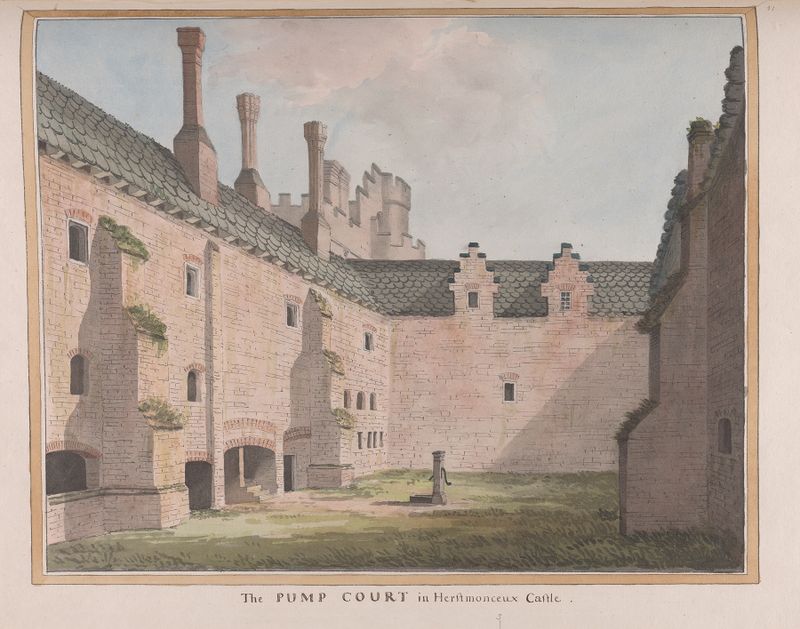
Herstmonceux Castle, East Sussex: The Pump Court
James Lambert of Lewes





