
South View of a House at Ringmer with Gardeners at Work — History & Facts
A gentle breeze rustles through the vibrant greens of the garden as two gardeners labor away, their hands coaxing life from the earth. The sun casts a soft, golden hue over the scene, illuminating the house at Ringmer, which stands as a proud testament to both nature and human effort. The air is filled with the earthy scent of freshly turned soil, and the quiet rhythm of their toil creates a palpable harmony between man and landscape. Look to the left at the meticulous rows of blossoming flowers, their colors a dazzling display of nature’s palette.
Notice how the light falls upon the gardeners, their sun-kissed skin glowing against the verdant backdrop. The composition draws the eye towards the quaint house in the background, a structure that is both inviting and resolute. Lambert’s brushwork reflects a delicate balance between detail and impression, capturing the essence of a moment where labor and beauty intertwine. The juxtaposition of the industrious gardeners against the tranquil domesticity of the house speaks to themes of rebirth and renewal.
Each flower that emerges from the soil represents the promise of life, while the house stands as a symbol of stability and continuity. The scene embodies a rich narrative, hinting at the interconnectedness of human endeavor and the natural world as a cycle of growth unfolds. In 1787, James Lambert of Lewes was deeply entrenched in the burgeoning genre of landscape painting, influenced by the growing appreciation for rural beauty during the English Enlightenment. Living in Sussex, he found inspiration in the idyllic surroundings, capturing both the simplicity of country life and the intricate relationships between its elements.
This period marked a shift toward a more expressive representation of landscapes, often invoking a sense of nostalgia for the pastoral life.
More Artworks by James Lambert of Lewes
Browse all →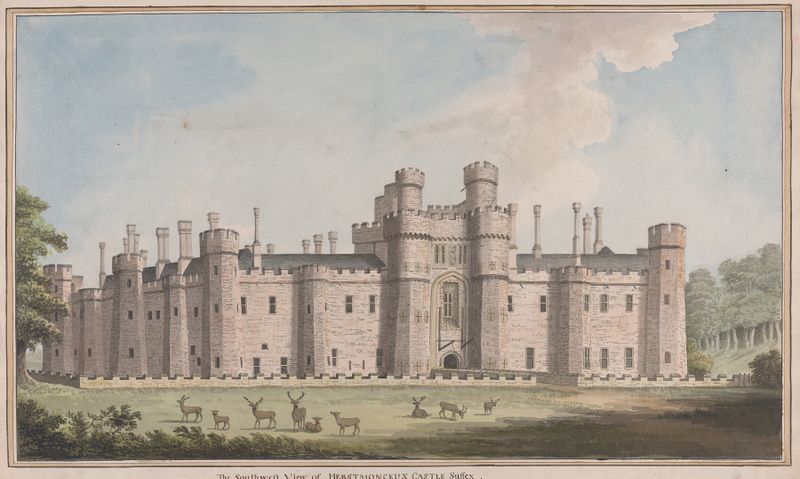
Herstmonceux Castle, East Sussex: South West View
James Lambert of Lewes
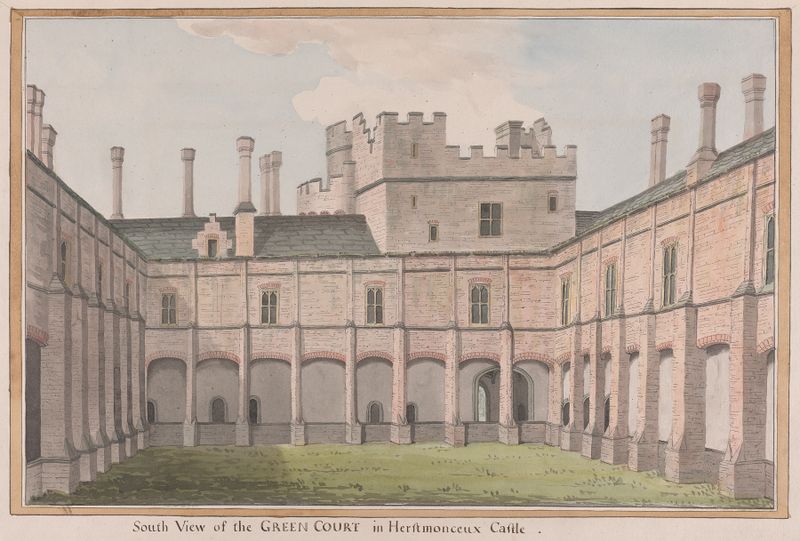
Herstmonceux Castle, East Sussex: South View of the Green Court
James Lambert of Lewes
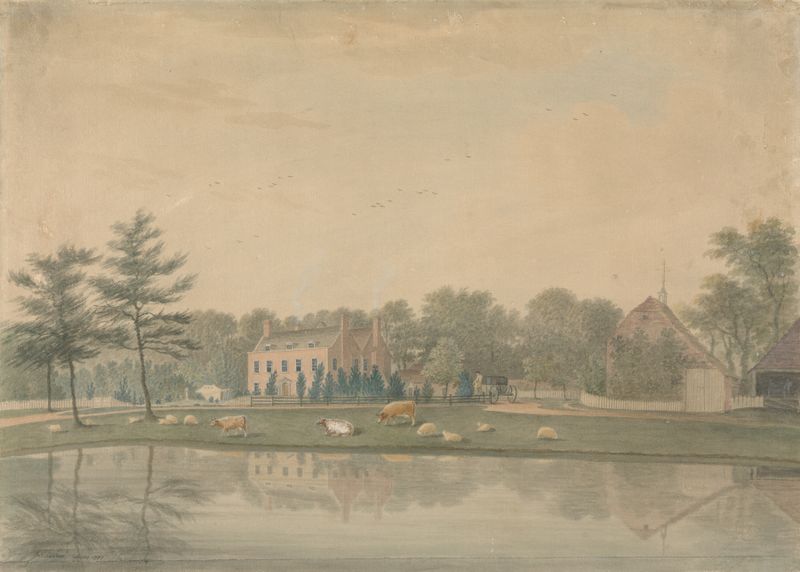
North East View of a House at Ringmer with Cattle and Sheep by a Pond
James Lambert of Lewes
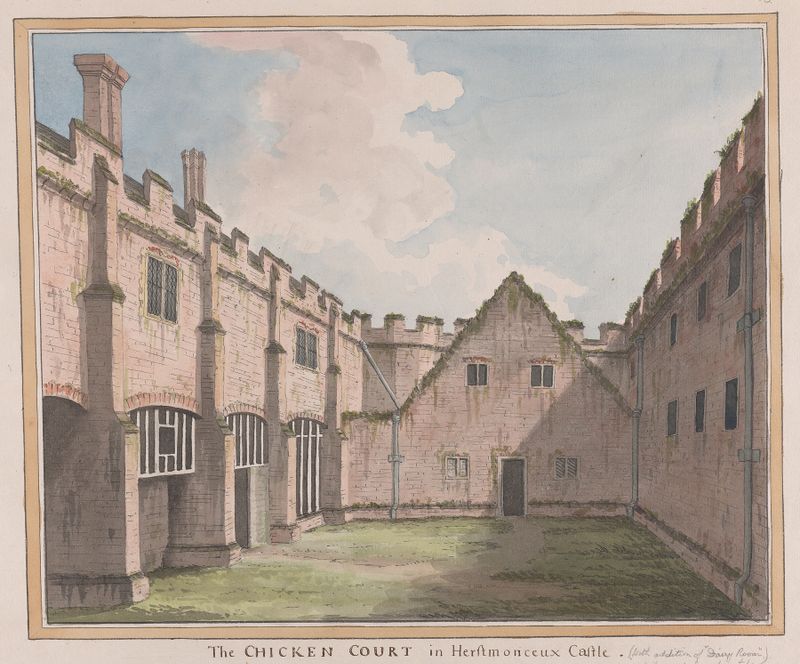
Herstmonceux Castle, East Sussex: The Chicken Court.
James Lambert of Lewes
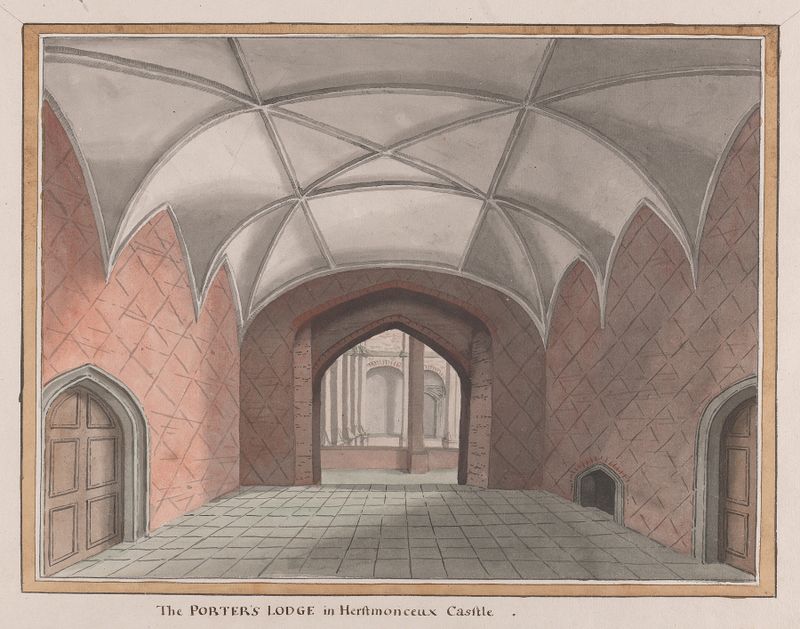
Herstmonceux Castle, East Sussex: The Porter’s Lodge
James Lambert of Lewes
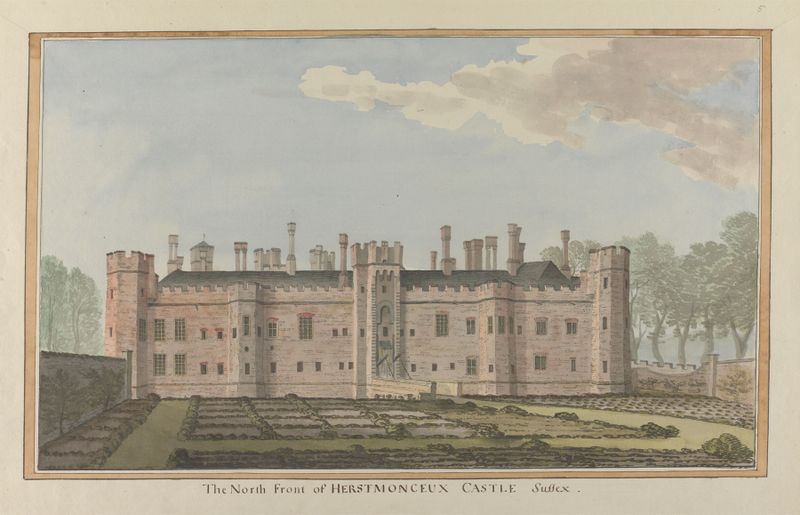
Herstmonceux Castle, East Sussex: The North Front
James Lambert of Lewes
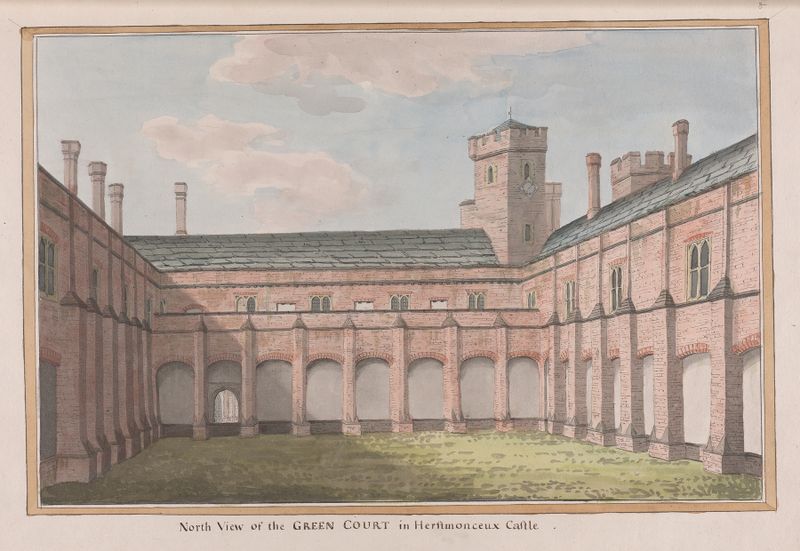
Herstmonceux Castle, East Sussex: North View of the Green Court
James Lambert of Lewes
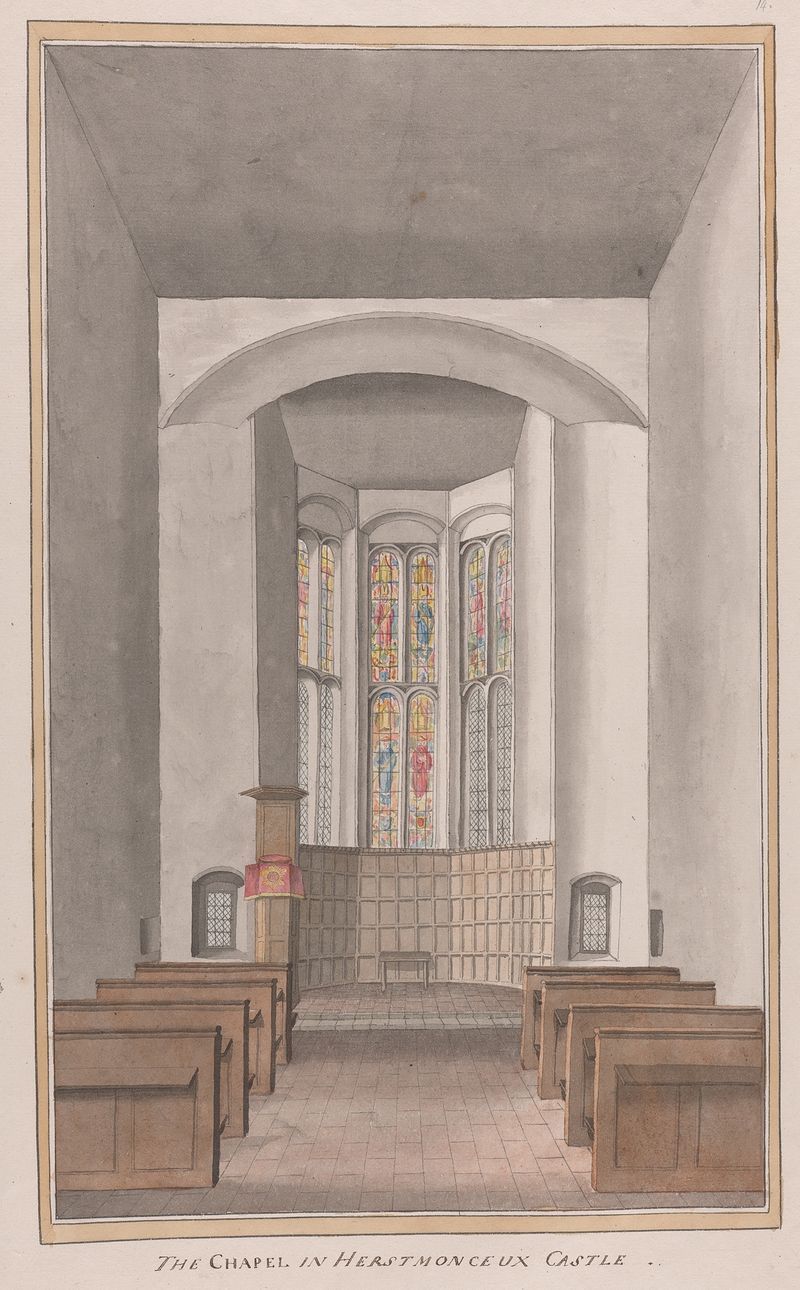
Herstmonceux Castle, East Sussex: The Chapel
James Lambert of Lewes
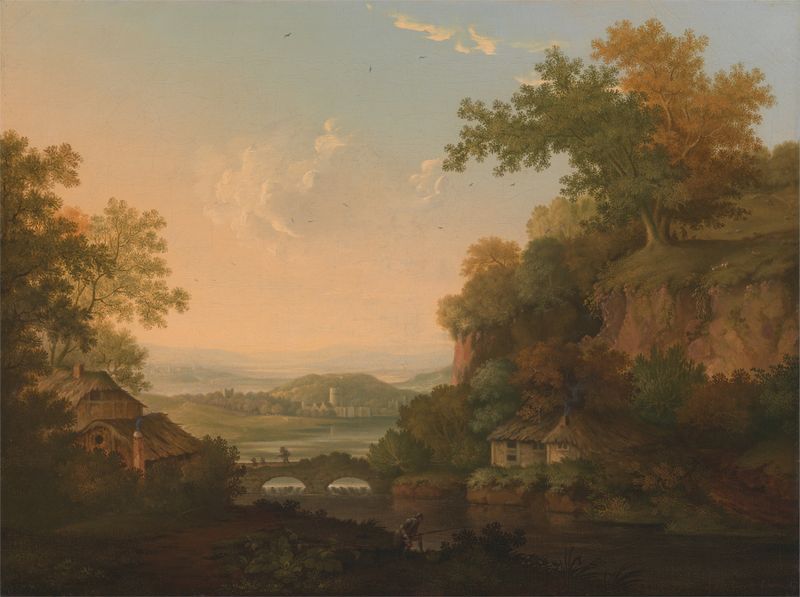
A River Scene with Thatched Huts by a Bridge over a Weir
James Lambert of Lewes
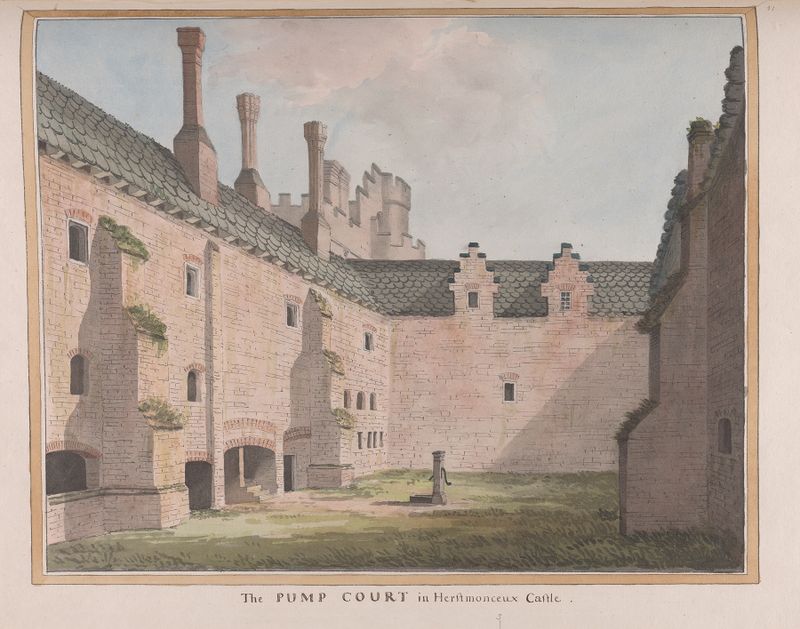
Herstmonceux Castle, East Sussex: The Pump Court
James Lambert of Lewes





