
Herstmonceux Castle, East Sussex: South View of the Green Court — History & Facts
In the stillness of a fading era, a once-grand structure stands, its echoes of glory enveloped in a cloak of decay. What appears to be a serene visage reveals layers of quiet despair, revealing the fleeting nature of beauty itself. Focus first on the foreground, where the moss-draped stones tell tales of years gone by. The artist captures the intricate details in the weathered walls, accentuated by the soft, muted light that filters through the trees, emphasizing the lustrous greens surrounding the castle.
Notice how the composition leads your eye toward the imposing structure, drawing attention to its majestic, yet crumbling, silhouette—a testament to both human achievement and nature’s relentless reclamation. In this work, the tension between grandeur and ruin emerges powerfully. The vibrant greens that once signified life clash with the fading architecture, echoing the cycle of existence and decline. One can almost feel the ghosts of those who inhabited this space, their joys and sorrows intertwining with the ivy and brick, suggesting that beauty carries the weight of its own history, marred by the inevitability of time. The artwork is attributed to James Lambert, painted during a period when the Romantic movement was redefining artistic expression.
He was likely influenced by the burgeoning interest in the picturesque and sublime, with the English landscape serving as both muse and canvas. The work reflects a time when artists began to merge the natural world with the ruins of man, capturing an essence that transcends mere aesthetics, calling attention to the relationship between decay and beauty.
More Artworks by James Lambert of Lewes
Browse all →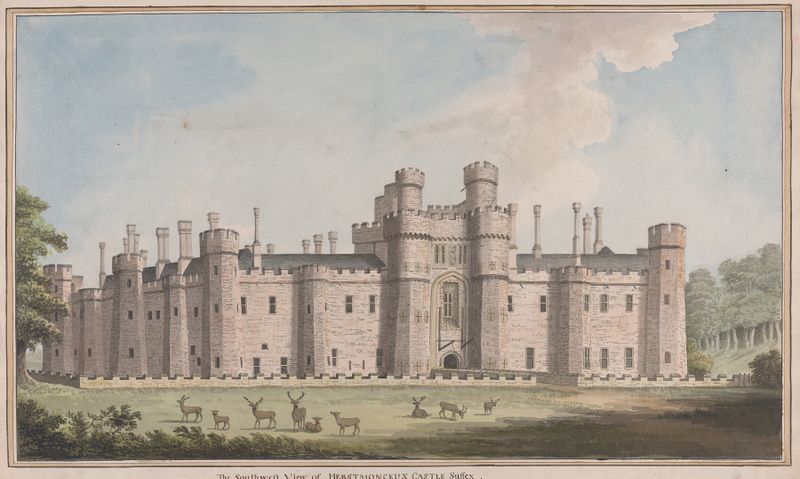
Herstmonceux Castle, East Sussex: South West View
James Lambert of Lewes
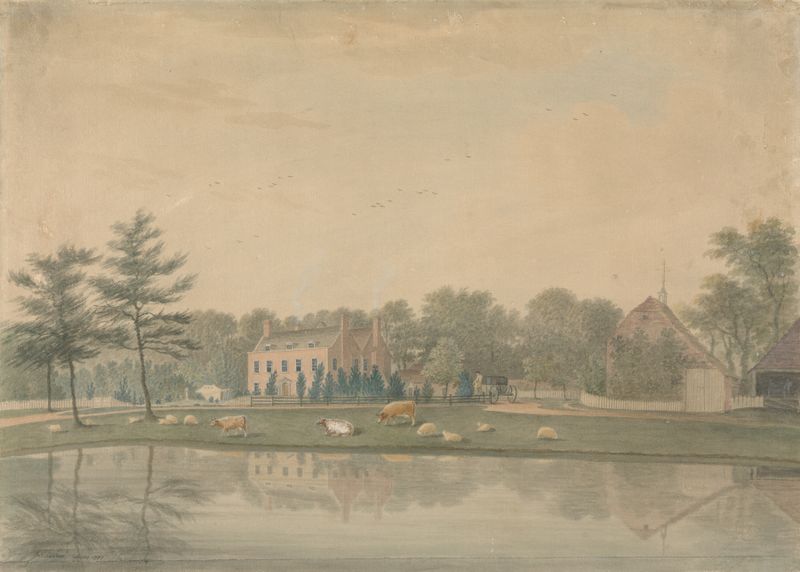
North East View of a House at Ringmer with Cattle and Sheep by a Pond
James Lambert of Lewes
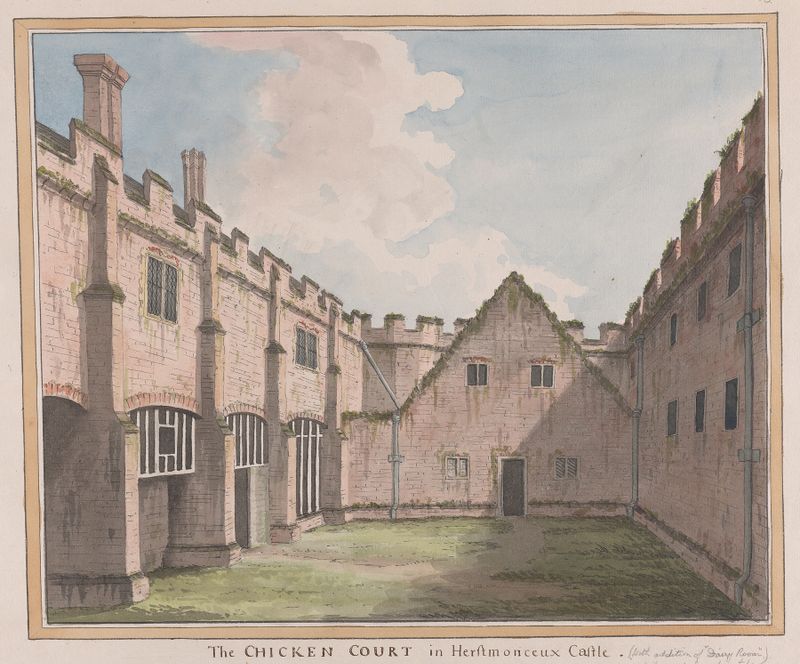
Herstmonceux Castle, East Sussex: The Chicken Court.
James Lambert of Lewes
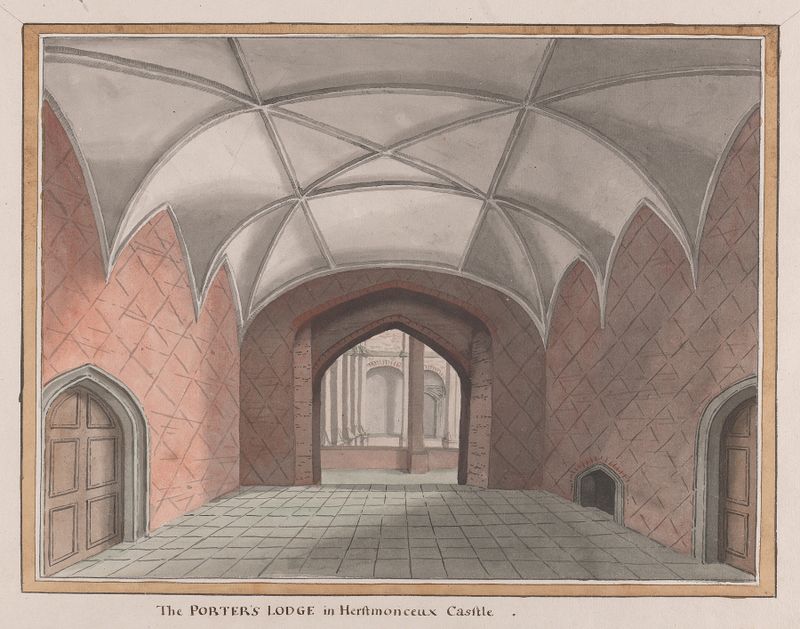
Herstmonceux Castle, East Sussex: The Porter’s Lodge
James Lambert of Lewes
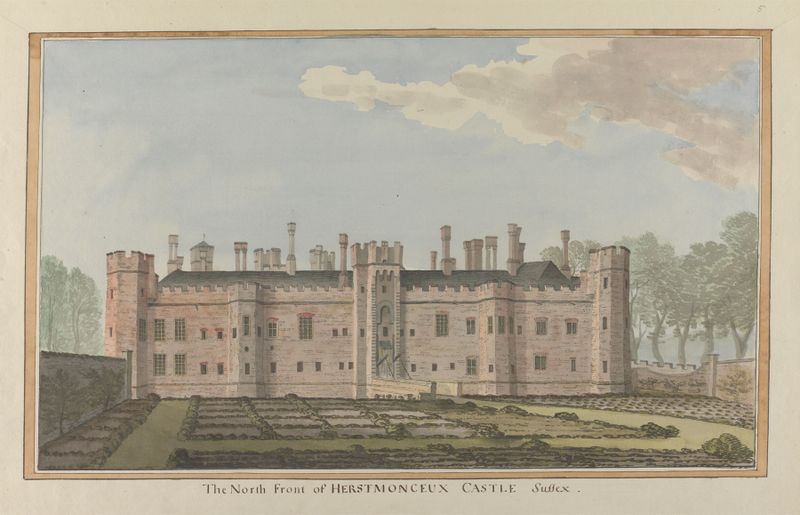
Herstmonceux Castle, East Sussex: The North Front
James Lambert of Lewes
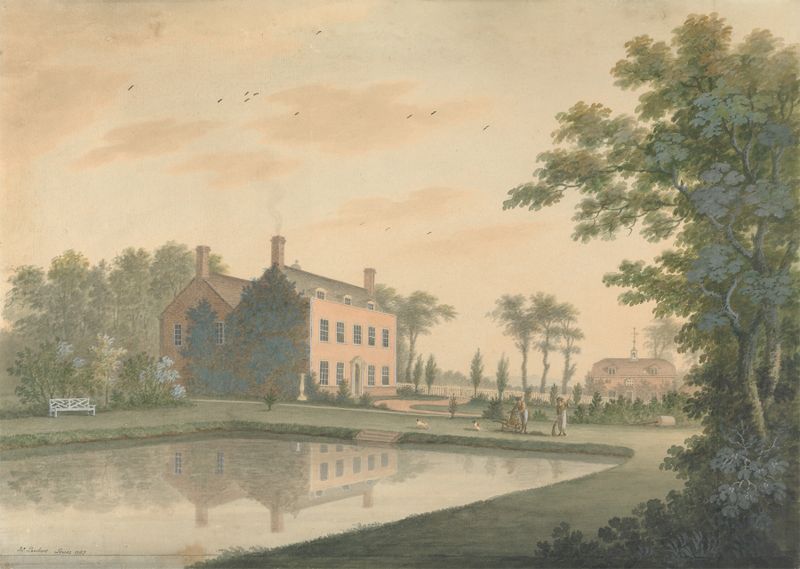
South View of a House at Ringmer with Gardeners at Work
James Lambert of Lewes
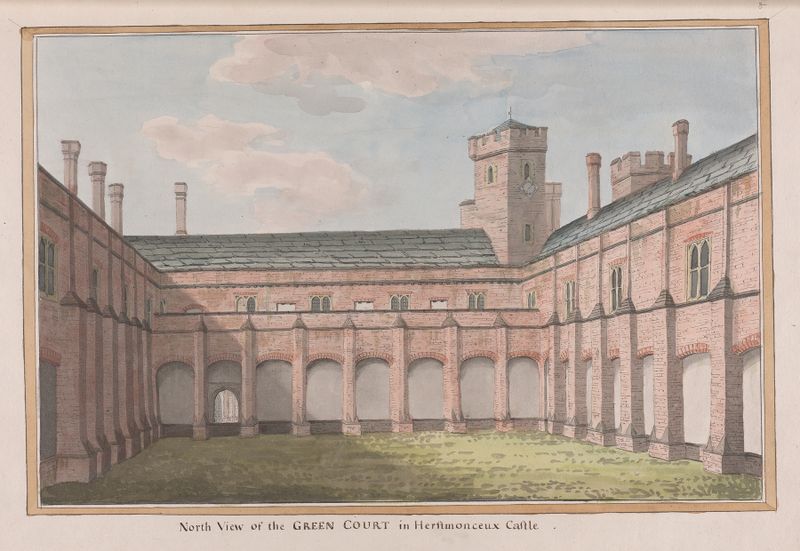
Herstmonceux Castle, East Sussex: North View of the Green Court
James Lambert of Lewes
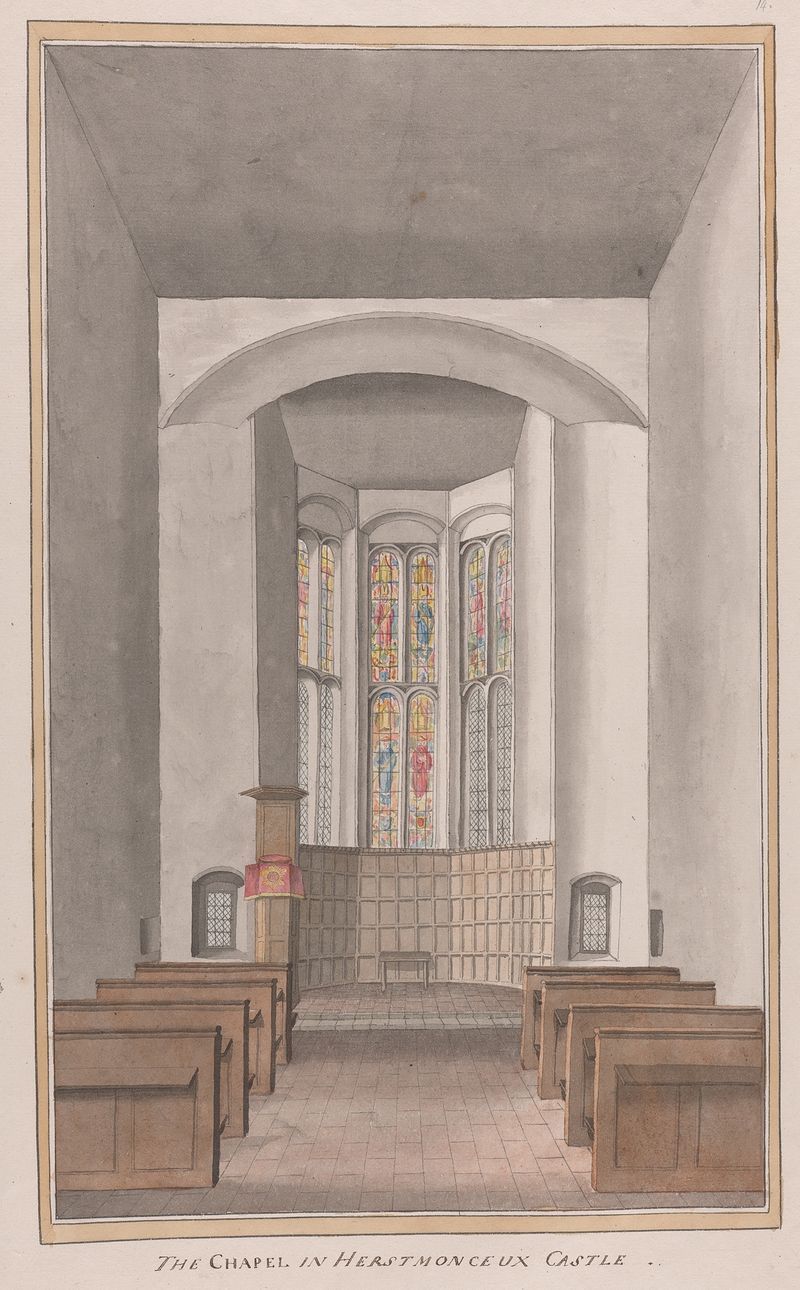
Herstmonceux Castle, East Sussex: The Chapel
James Lambert of Lewes
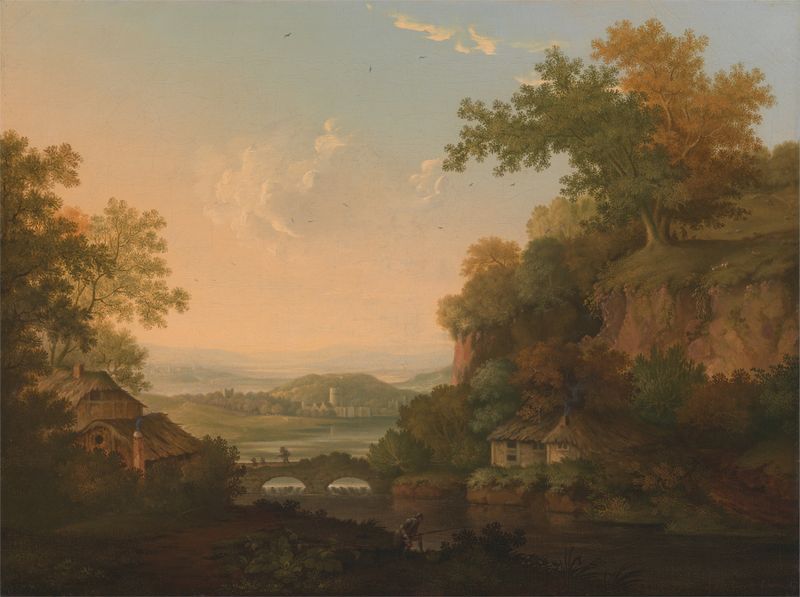
A River Scene with Thatched Huts by a Bridge over a Weir
James Lambert of Lewes
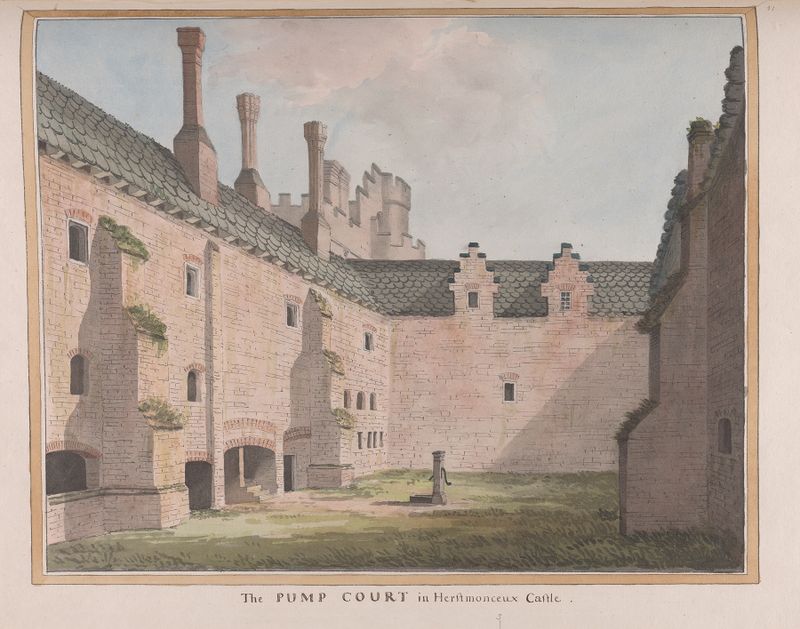
Herstmonceux Castle, East Sussex: The Pump Court
James Lambert of Lewes





