
Herstmonceux Castle, East Sussex: The Pump Court — History & Facts
Could beauty survive in a century of chaos? In a world where tumult often overshadows tranquility, art stands as a testament to resilience and grace. Look to the center of the canvas, where the dignified structure of Herstmonceux Castle rises majestically against a backdrop of lush greenery. The artist employs a muted palette of earth tones, allowing the castle’s aged stones to blend harmoniously with the surrounding landscape. Notice how the light dances gently across the surface, casting soft shadows that evoke a sense of history and enduring strength.
The composition draws the eye inward, emphasizing the towering turrets that reach toward the sky, as if defying time itself. Yet, woven within this serene portrayal is an undertone of tension. The juxtaposition of the robust stone edifice against the soft, ephemeral beauty of nature suggests the fleeting nature of human creations amid the relentless march of time. Look closer and you’ll find subtle signs of decay—a chipped stone, overgrown vines—that hint at the fragility of both beauty and legacy.
The scene invites contemplation on the relationship between mankind's ambitions and the inevitable passage of time, subtly questioning the permanence of even the most cherished edifices. James Lambert, active in the late 18th century, painted this work during a period of significant social upheaval in England. The Industrial Revolution was transforming landscapes and lives, while art movements echoed the evolving sentiments of society. It was a time when traditional values clashed with the promise of change, and Lambert’s depiction of Herstmonceux Castle encapsulates both nostalgia for the past and a quiet defiance in the face of impending modernity.
More Artworks by James Lambert of Lewes
Browse all →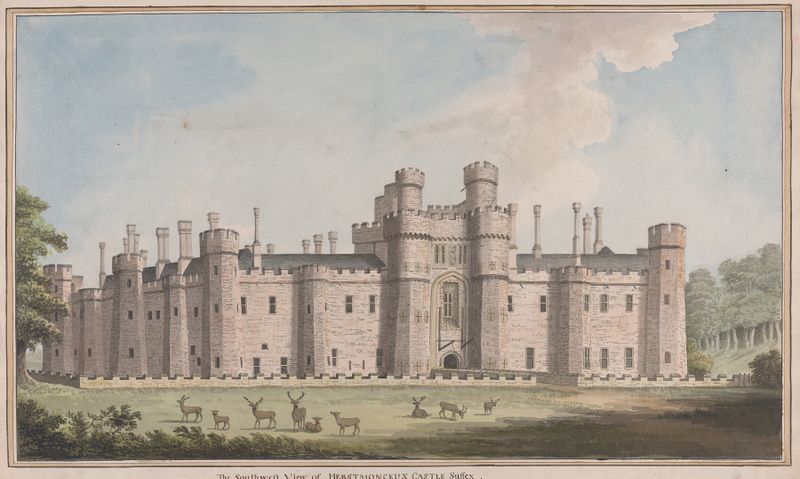
Herstmonceux Castle, East Sussex: South West View
James Lambert of Lewes
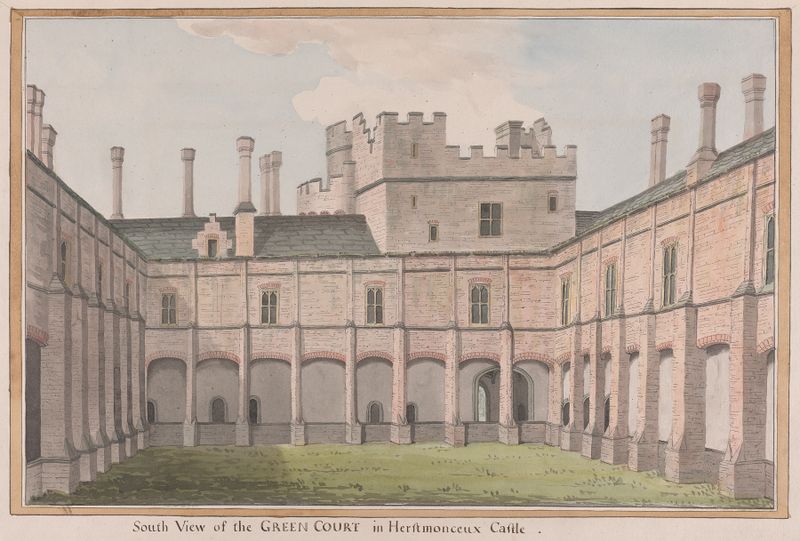
Herstmonceux Castle, East Sussex: South View of the Green Court
James Lambert of Lewes
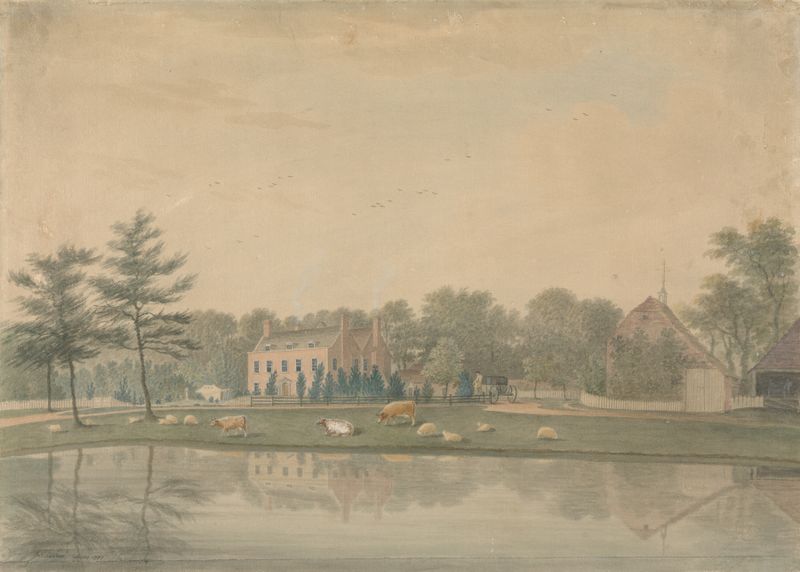
North East View of a House at Ringmer with Cattle and Sheep by a Pond
James Lambert of Lewes
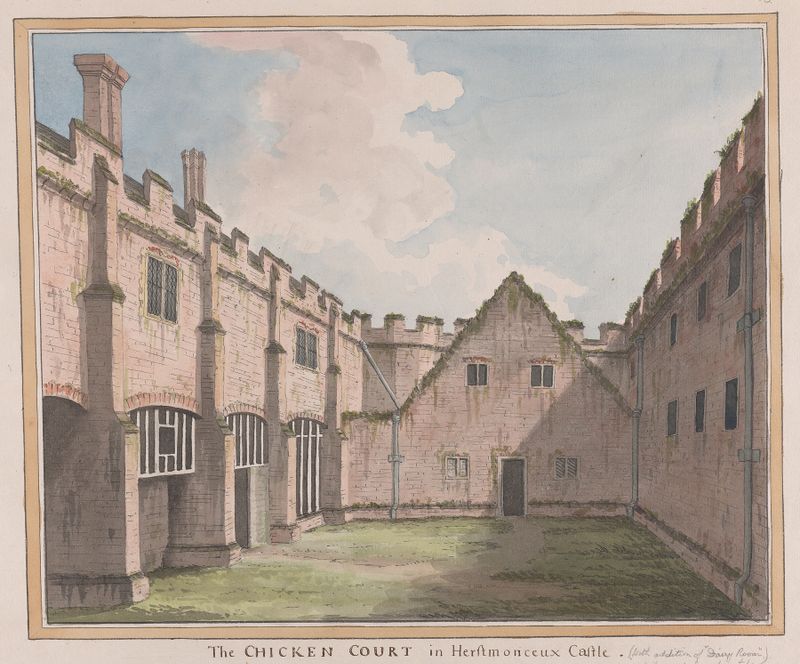
Herstmonceux Castle, East Sussex: The Chicken Court.
James Lambert of Lewes
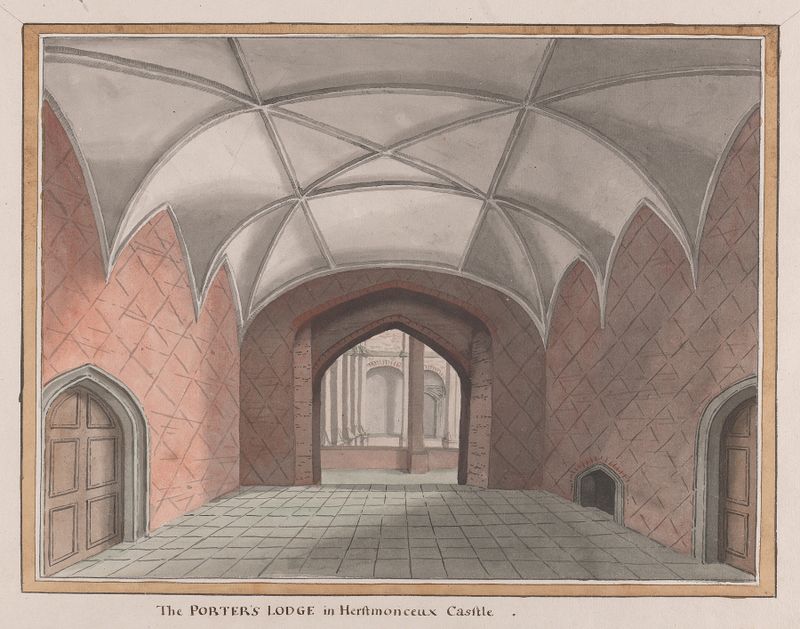
Herstmonceux Castle, East Sussex: The Porter’s Lodge
James Lambert of Lewes
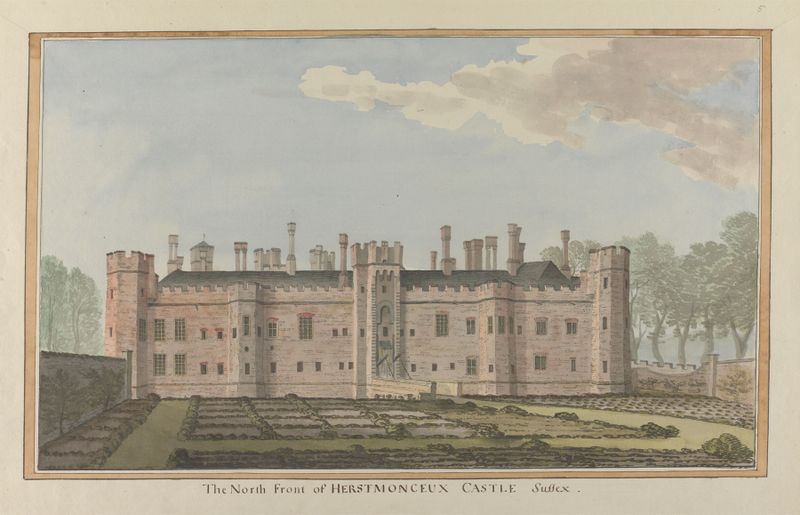
Herstmonceux Castle, East Sussex: The North Front
James Lambert of Lewes
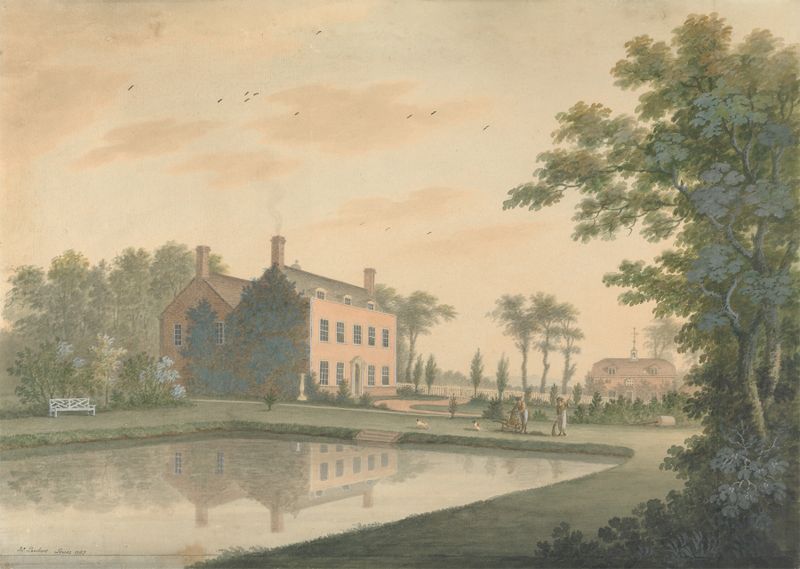
South View of a House at Ringmer with Gardeners at Work
James Lambert of Lewes
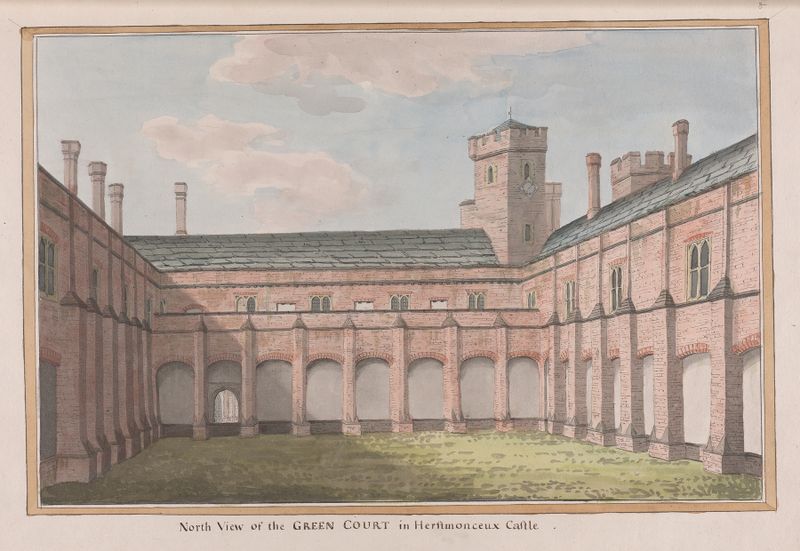
Herstmonceux Castle, East Sussex: North View of the Green Court
James Lambert of Lewes
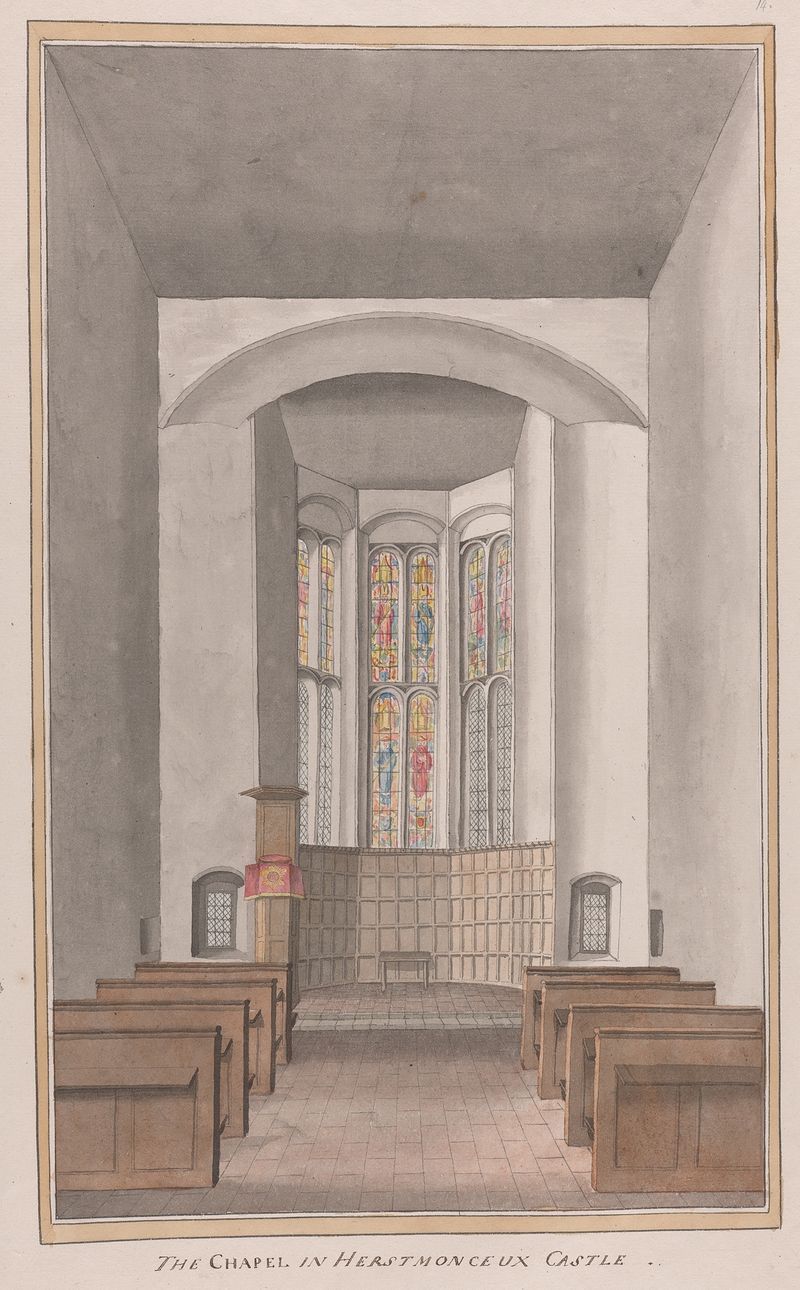
Herstmonceux Castle, East Sussex: The Chapel
James Lambert of Lewes
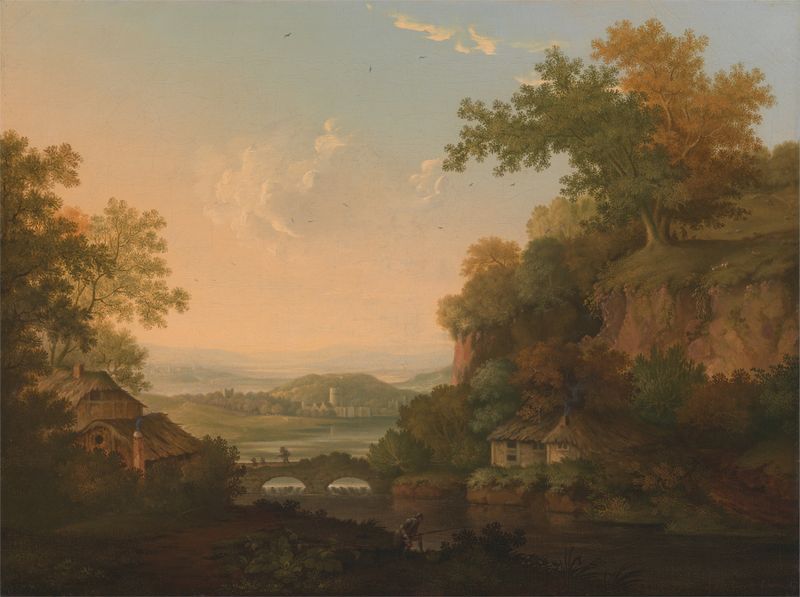
A River Scene with Thatched Huts by a Bridge over a Weir
James Lambert of Lewes





