
Herstmonceux Castle, East Sussex: The Chicken Court. — History & Facts
Where does light end, and longing begin? In the quiet corners of existence, the interplay of shadow and luminosity can reveal the depths of our yearning. Look closely at the foreground, where gentle hues of green and brown converge, hinting at untold stories. The dappled light spills through the branches, illuminating the weathered stones of the castle, creating a sense of intimacy between the viewer and the ancient structure. Notice how the painter captures the delicate interplay of light and shadow, each stroke breathing life into the scene and evoking the passage of time.
Every detail, from the rustling leaves to the distant silhouette of the castle, serves to guide our gaze inward, prompting a reflection on the weight of history and memory. In the serene courtyard, where chickens wander freely, a juxtaposition emerges — the mundane life of the animals against the grand backdrop of the castle. This contrast amplifies a sense of longing, as if the presence of these creatures serves to remind us of simpler times amidst the remnants of a once-grand edifice. The artist draws us into a dialogue about loss: the loss of grandeur, the fleeting nature of life, and the bittersweet beauty of decay. James Lambert, active in the late 18th century, painted this scene during a period when the picturesque movement was gaining momentum in England.
Nestled in East Sussex, the castle served as a source of inspiration and reflection for many artists of his time, as they sought to capture the beauty of nature intertwined with human history. Lambert, who lived in Lewes, was immersed in a rapidly changing world, and through his work, he navigated the delicate balance between nostalgia and the inevitable passage of time.
More Artworks by James Lambert of Lewes
Browse all →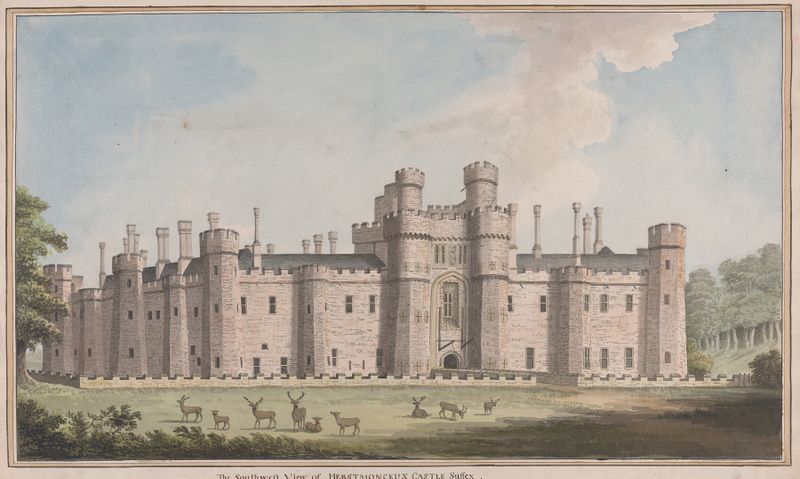
Herstmonceux Castle, East Sussex: South West View
James Lambert of Lewes
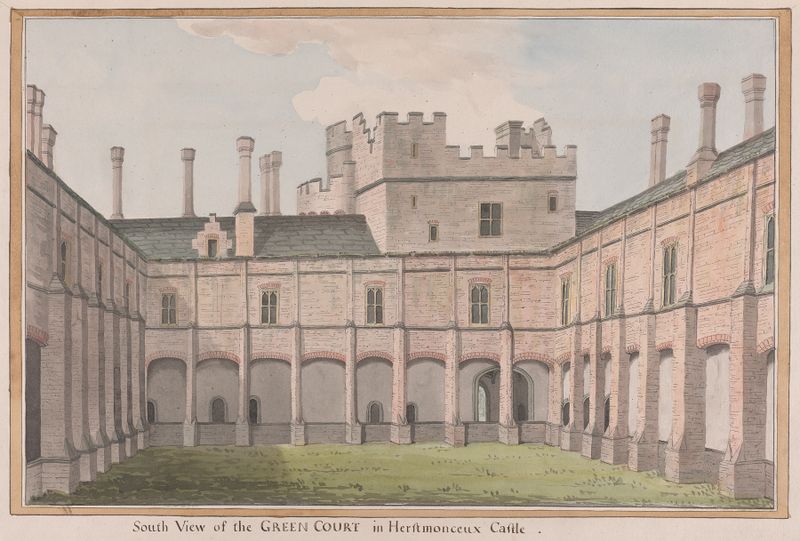
Herstmonceux Castle, East Sussex: South View of the Green Court
James Lambert of Lewes
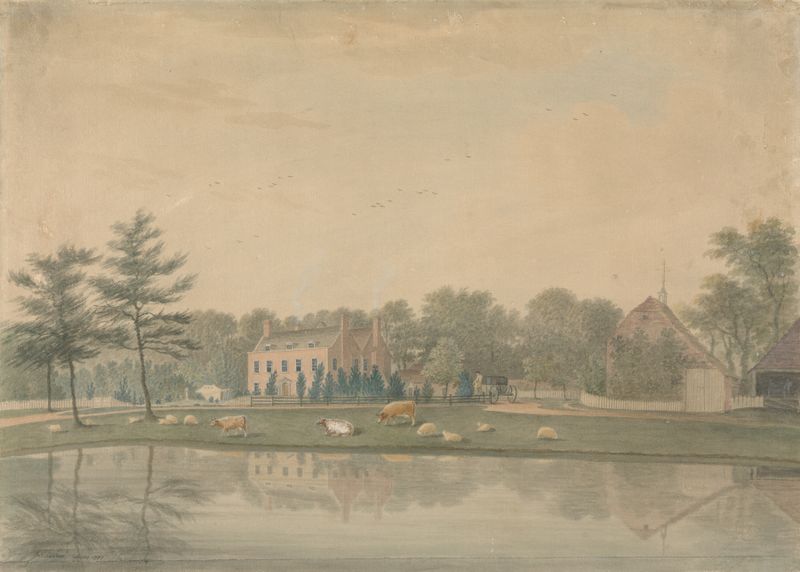
North East View of a House at Ringmer with Cattle and Sheep by a Pond
James Lambert of Lewes
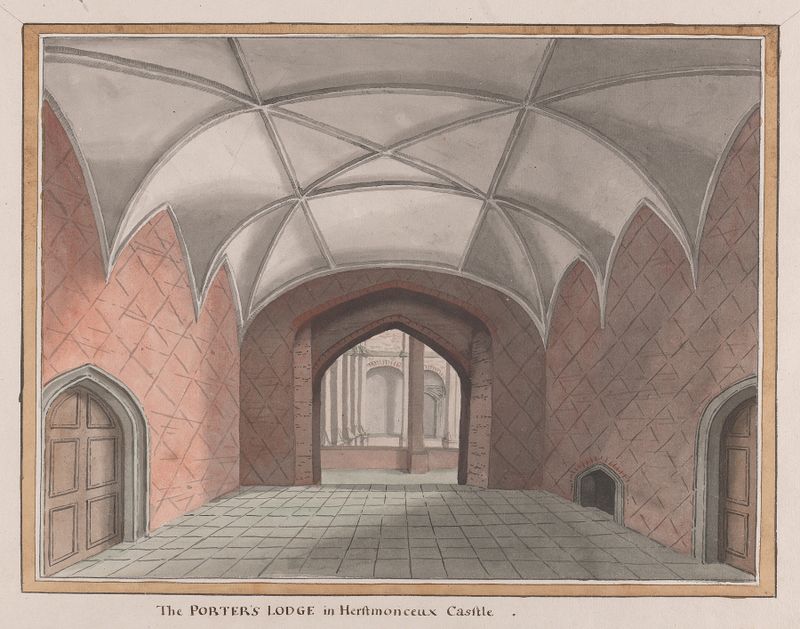
Herstmonceux Castle, East Sussex: The Porter’s Lodge
James Lambert of Lewes
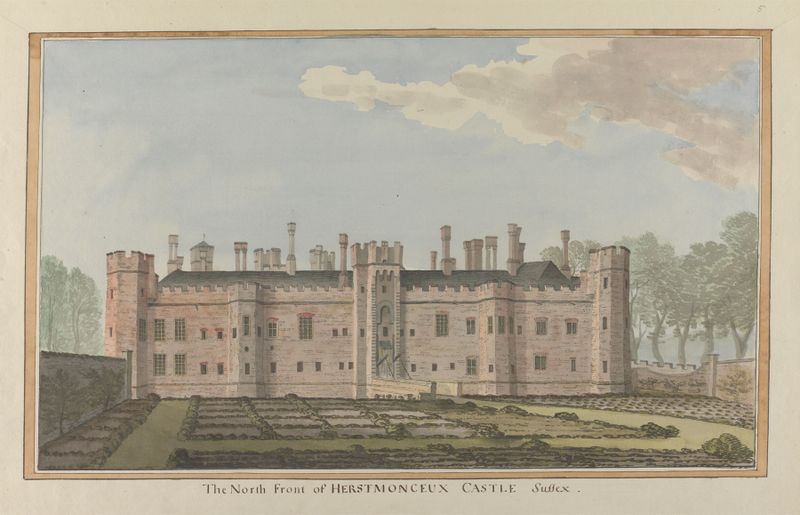
Herstmonceux Castle, East Sussex: The North Front
James Lambert of Lewes
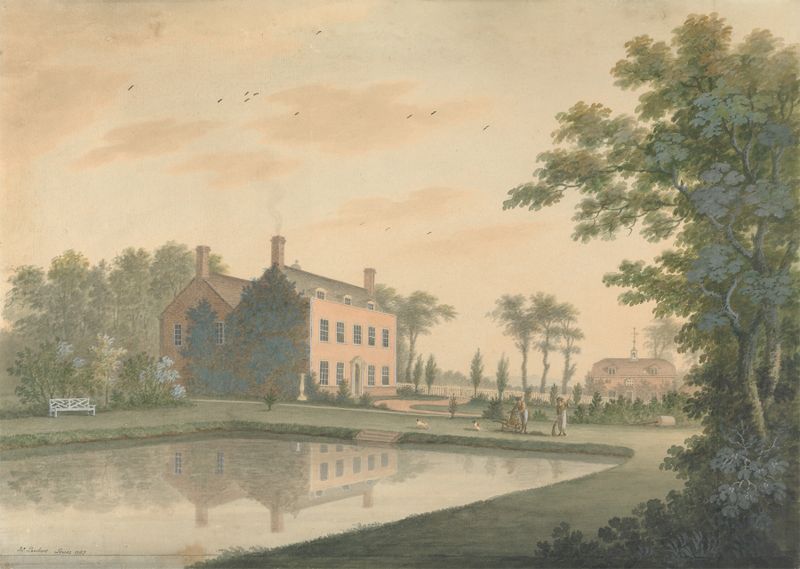
South View of a House at Ringmer with Gardeners at Work
James Lambert of Lewes
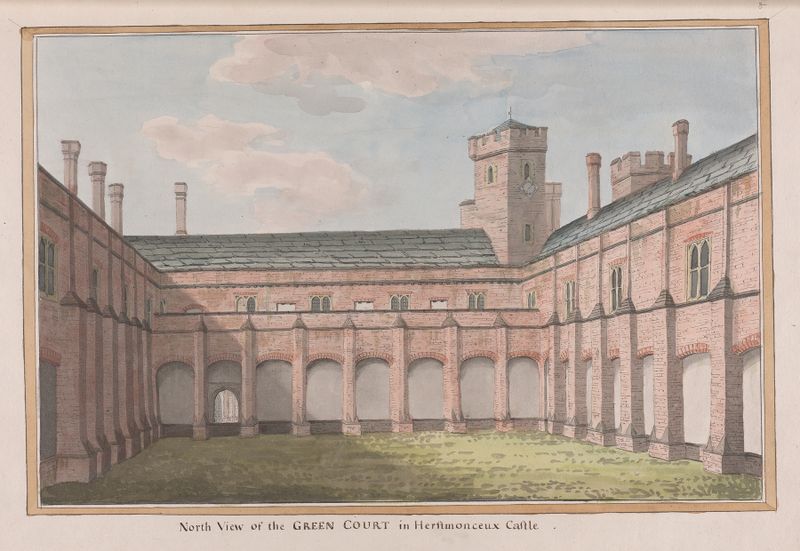
Herstmonceux Castle, East Sussex: North View of the Green Court
James Lambert of Lewes
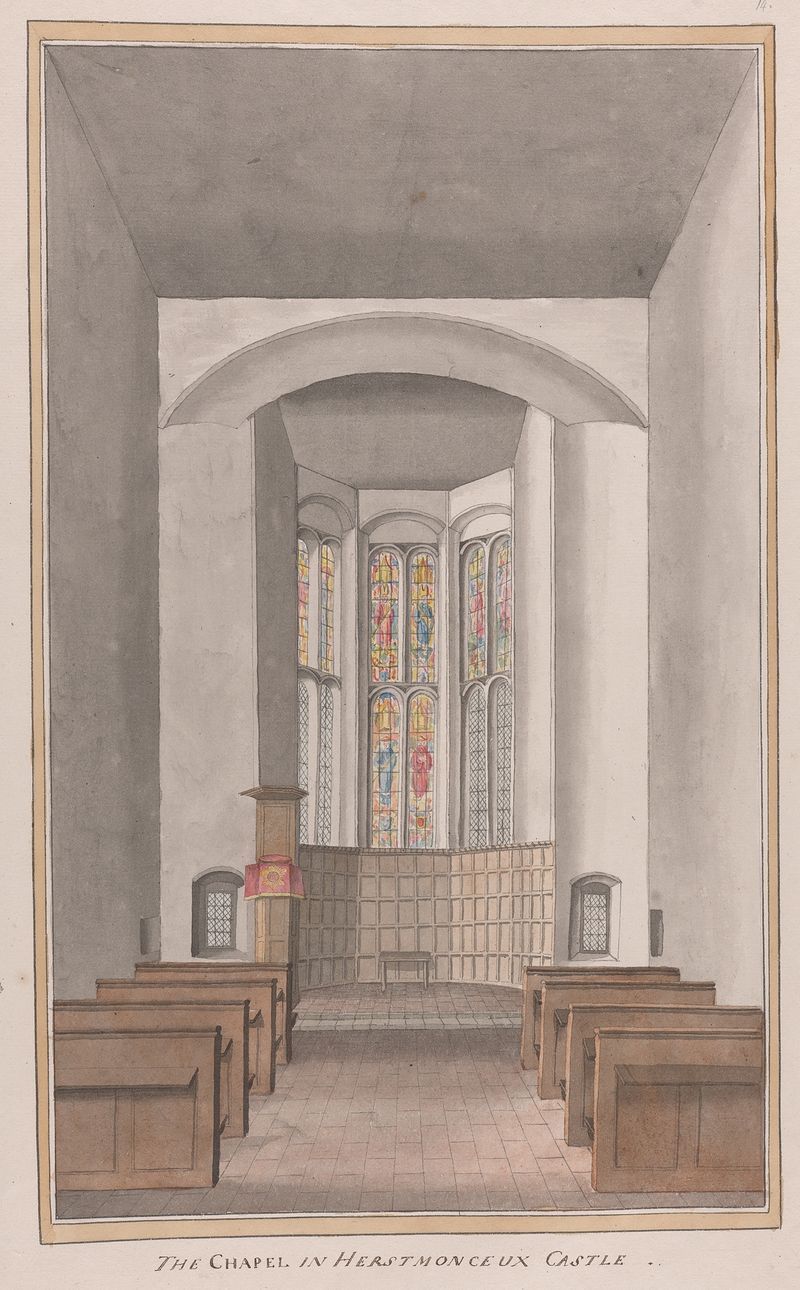
Herstmonceux Castle, East Sussex: The Chapel
James Lambert of Lewes
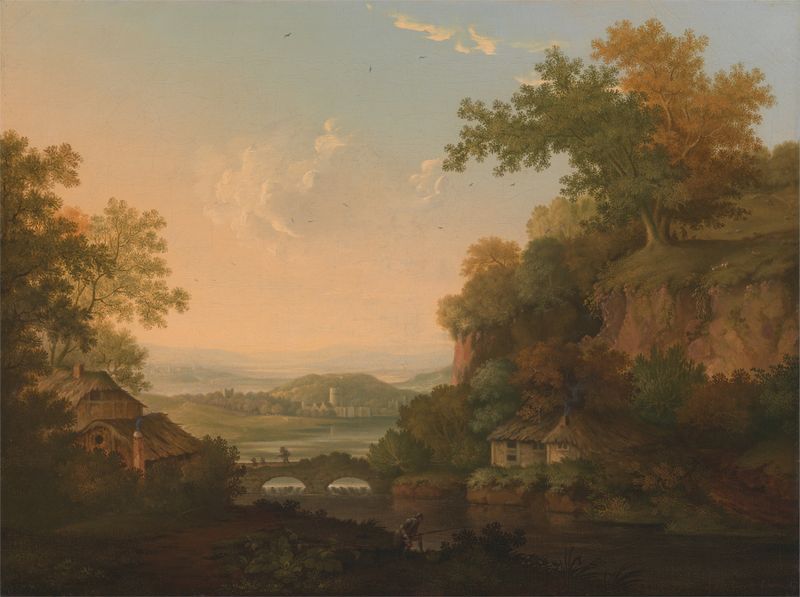
A River Scene with Thatched Huts by a Bridge over a Weir
James Lambert of Lewes
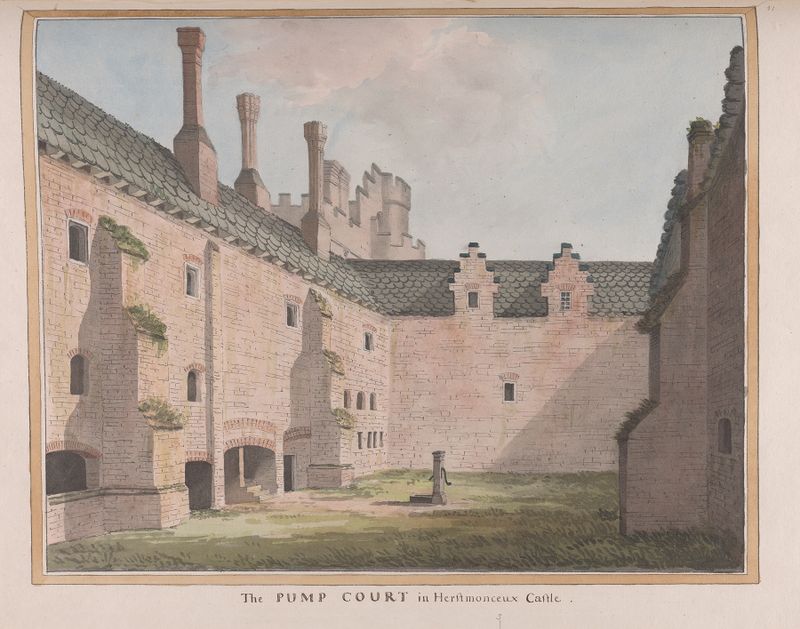
Herstmonceux Castle, East Sussex: The Pump Court
James Lambert of Lewes





