
A Rocky Landscape — History & Facts
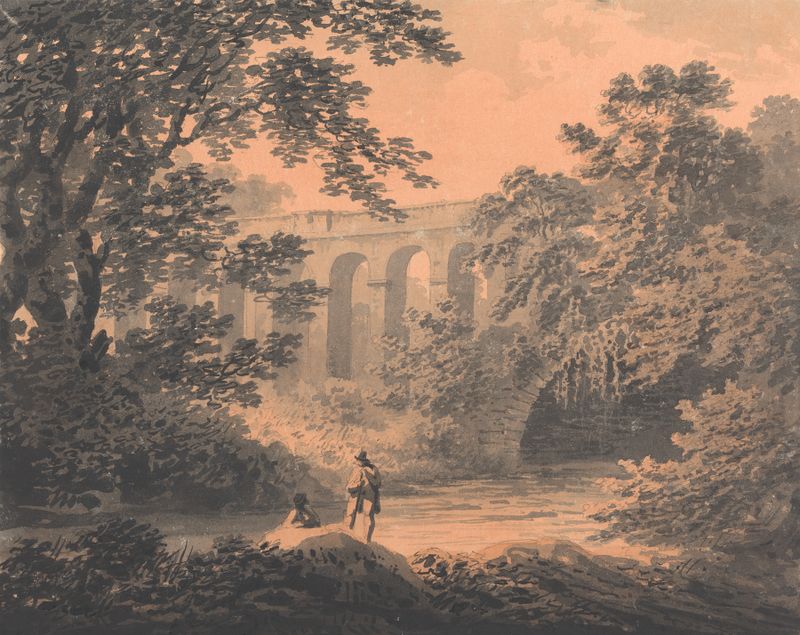
When did color learn to lie? In the stillness of a rocky landscape, silence reigns, yet the hues evoke a depth of emotion that whispers secrets known only to the earth. Look to the left at the formidable rock formations, shades of grey and ochre jutting against the horizon like ancient sentinels. The artist employs a warm palette that breathes life into the scene, while soft brushstrokes blend the colors seamlessly, creating a sense of harmony despite the rugged terrain. Notice how the sunlight dapples across the canvas, illuminating patches of greenery that seem to flourish against the stone's embrace, drawing your eye toward the interplay of light and shadow. Within this tranquil vista lies a tension between permanence and fragility.
The jagged rocks, symbols of endurance, stand stark against the gentle, fleeting elements of nature—a subtle reminder of life's transience. The contrasting colors of the earth and sky evoke a silent dialogue, revealing an emotional landscape where nature's beauty disguises deeper truths about existence, resilience, and the passage of time. Between 1745 and 1748, the artist created this work during a period marked by the burgeoning Romantic movement, which sought to capture the sublime in nature. Living in England, he faced shifts in artistic paradigms favoring sentiment and the portrayal of natural landscapes.
This piece reflects his desire to convey both the majesty and the isolation that such rugged settings inspire, positioning him as a precursor to the Romantic ideals that would later dominate the art world.
More Artworks by William Gilpin
Browse all →
Bridgnorth Bridge, Shropshire
William Gilpin
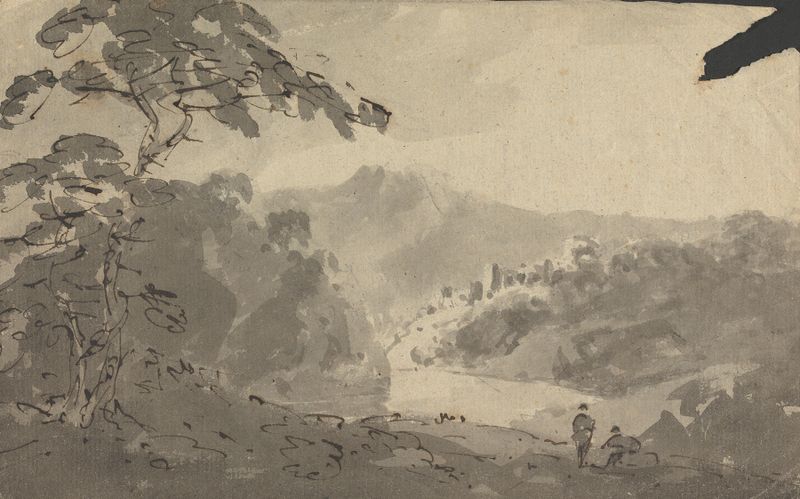
Two Men Looking Into Landscape with Castle, River and Mountain Scene
William Gilpin
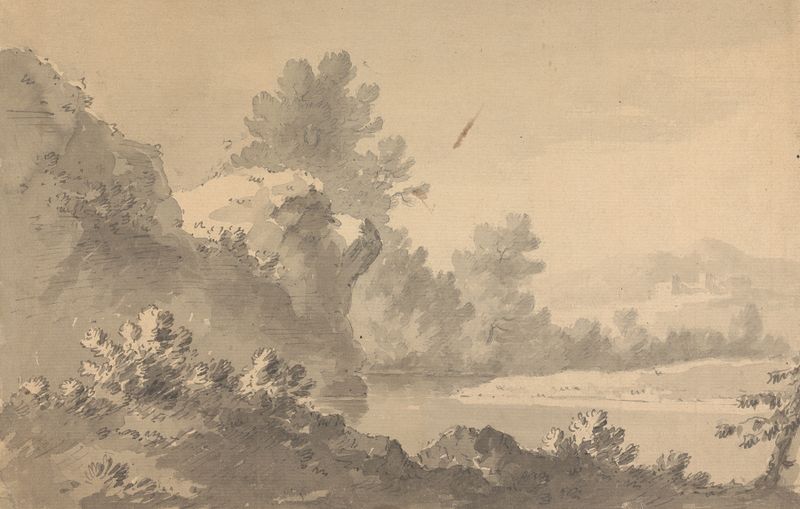
River Landscape with Castle in the Distance
William Gilpin
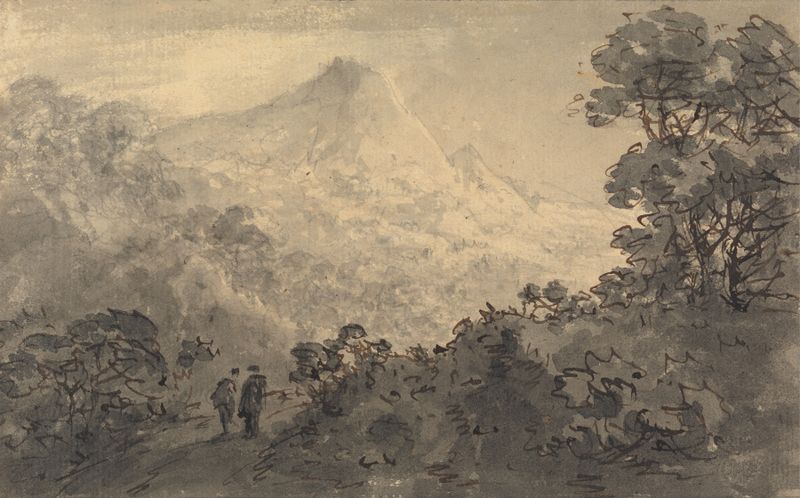
Snowdon
William Gilpin

Hilly Landscape
William Gilpin
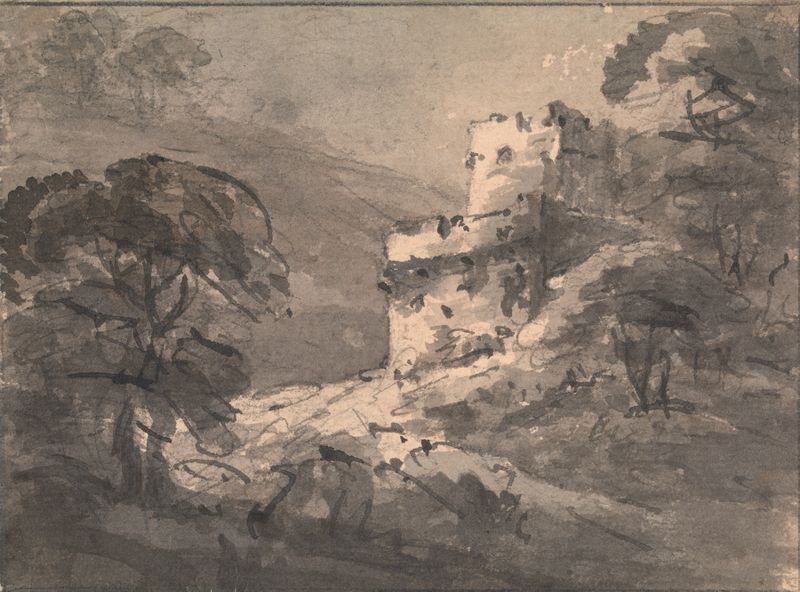
Landscape with a Ruined Castle on the Right
William Gilpin

Mountainous Landscape with Trees – High Crags to the Right
William Gilpin

View of Castle Ruin
William Gilpin
Bridge on the Malton Road from York
William Gilpin

Landscape with Two Trees and Castle
William Gilpin





