
A Ruined Byzantine Church — History & Facts
In the haunting remains of a once-majestic church, we confront the paradox of mortality etched in stone and silence. The remnants of grandeur whisper tales of faith, decay, and the passage of time, inviting viewers to ponder the fragile nature of existence. Look to the center of the composition, where the crumbling arches emerge like skeletal fingers reaching for the heavens. Notice how the soft light filters through the gaps, illuminating the dust motes that dance in the air, casting an ethereal glow on the cracked walls.
The muted palette of earth tones contrasts with the occasional flourish of gold leaf, highlighting the artist's intention to evoke both beauty and sorrow in this melancholic scene. Deeper meanings surface in the interplay of light and shadow, which symbolizes the duality of life and death. The vibrant hints of gold amidst the ruin suggest a fleeting beauty, a reminder of the splendor that once was, now surrendered to time's relentless grip. Each chipped stone and faded fresco tells a story of resilience and fragility, prompting viewers to reflect on their own mortality and the transitory nature of all things. Willey Reveley painted this work in 1785 during a period of exploration and nostalgia for classical forms.
Living in England, he was influenced by the Romantic movement, which sought to capture emotion and nature's sublime beauty. His depiction of the ruined church not only reflects a fascination with the past but also serves as a commentary on the inevitable decay that accompanies human endeavors, capturing the essence of an era grappling with its own fleeting moment in history.
More Artworks by Willey Reveley
Browse all →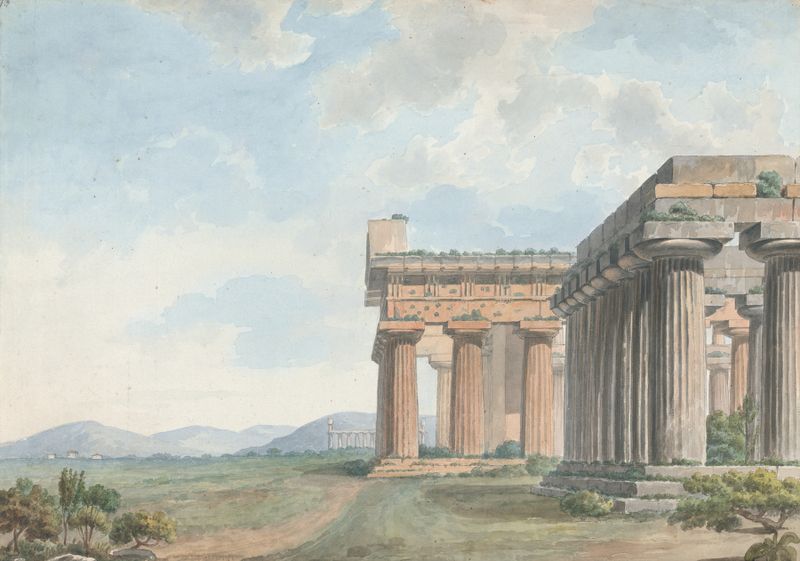
Temple Ruins at Paestum
Willey Reveley
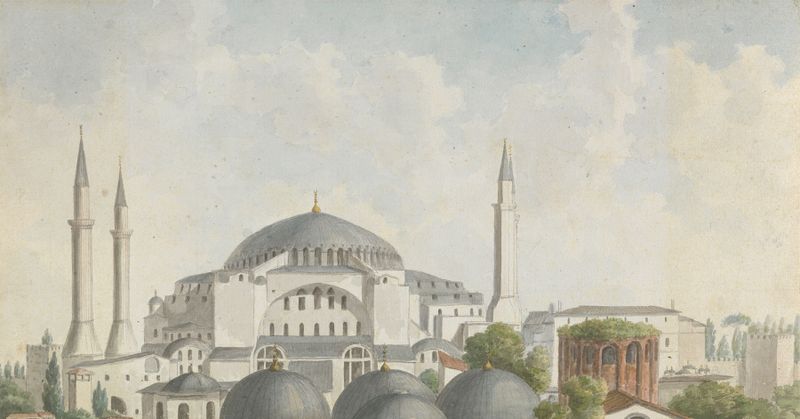
View of the domes and spires of Hagia Sophia, Istanbul
Willey Reveley
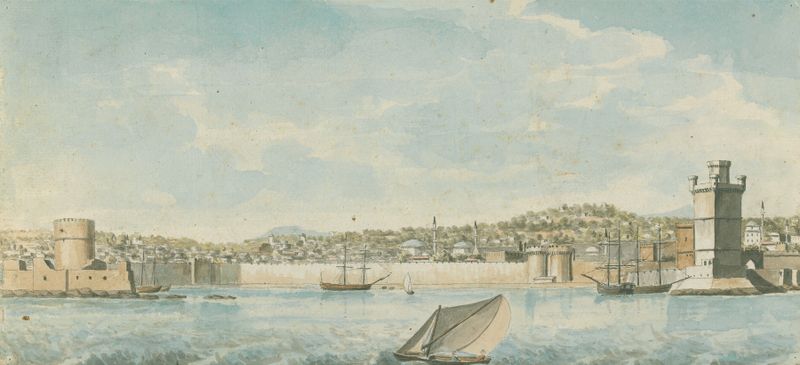
View of a Walled Town and Harbour with Towers Seen From the Sea
Willey Reveley
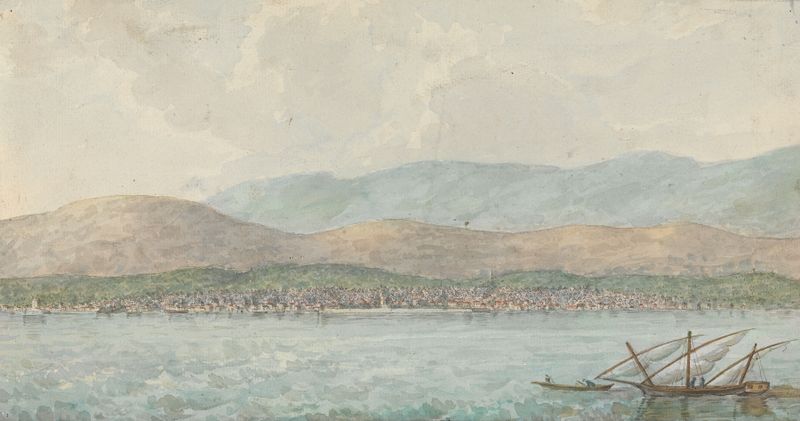
View of a Harbour and Town From the Sea, Turkey
Willey Reveley
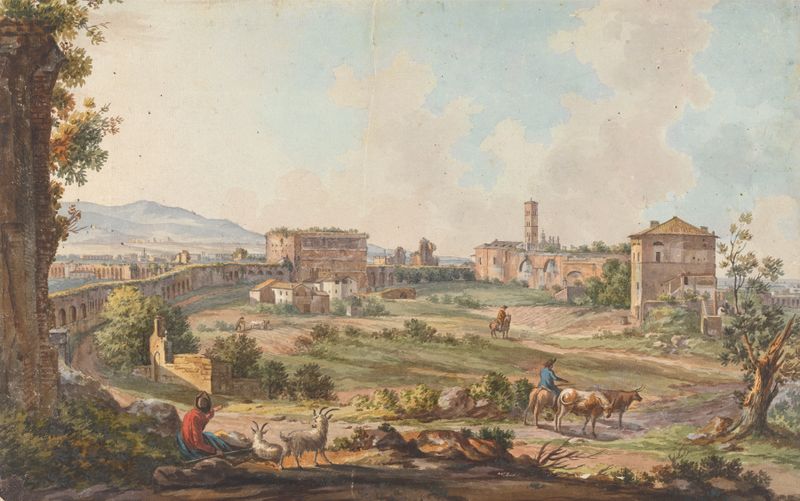
Ruins in Rome with Goats, Cows and Herdsmen
Willey Reveley
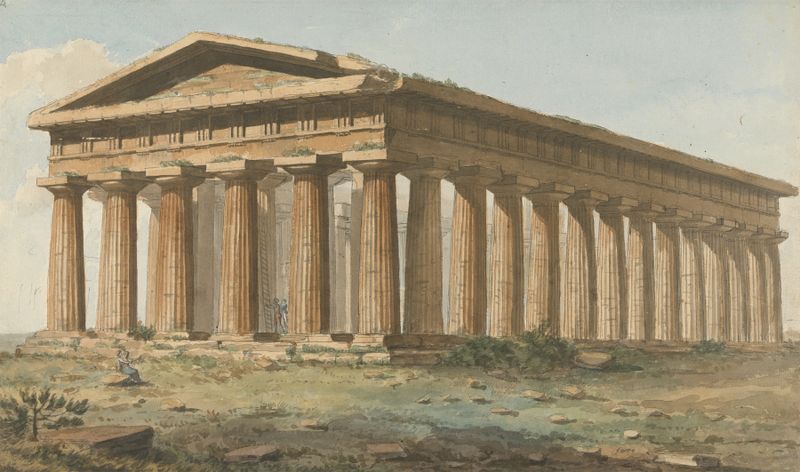
Paestum
Willey Reveley
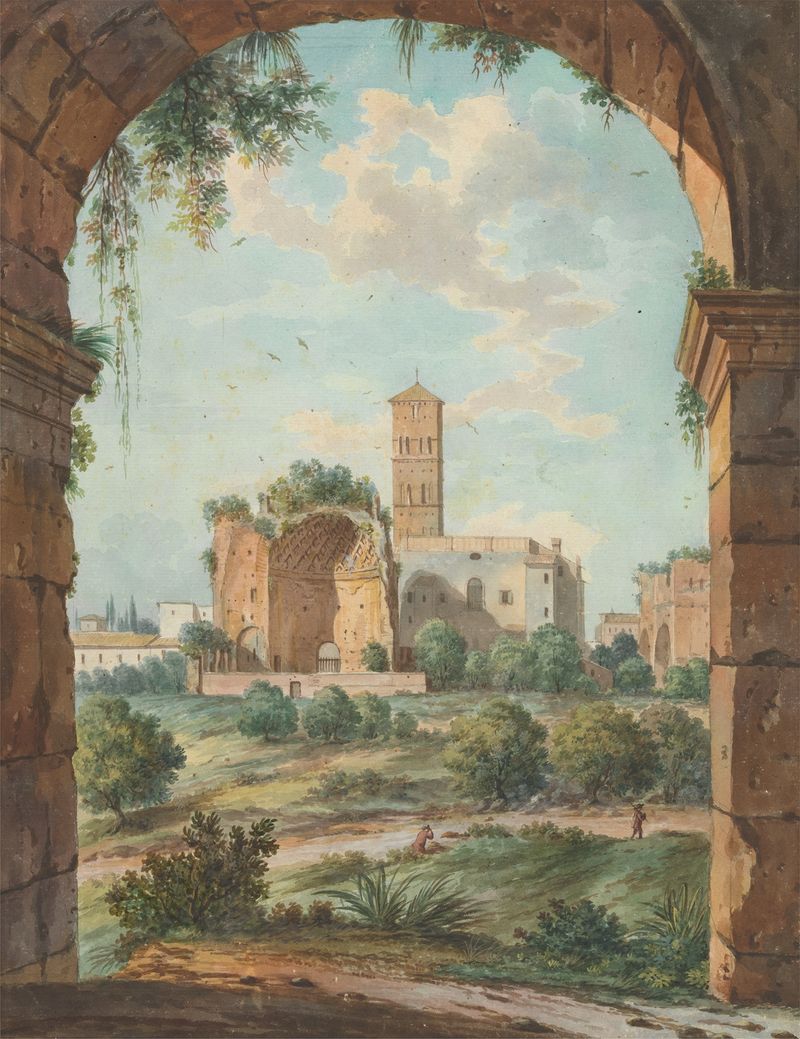
Rome with Ruins seen Through an Archway
Willey Reveley
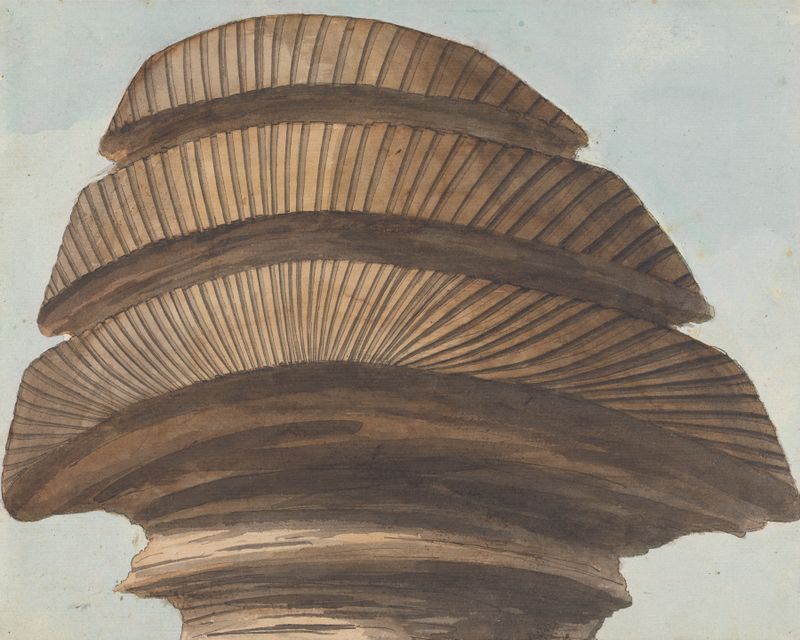
Back View of the Head of the Sphinx
Willey Reveley
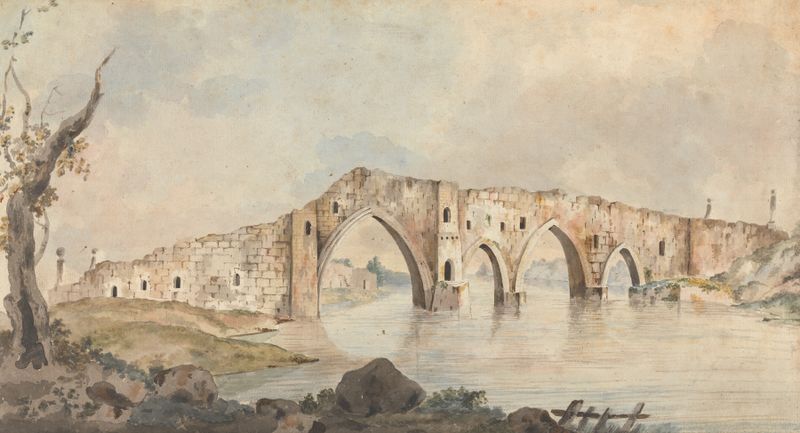
Ruined Bridge with Four Pointed Arches Near Rome
Willey Reveley
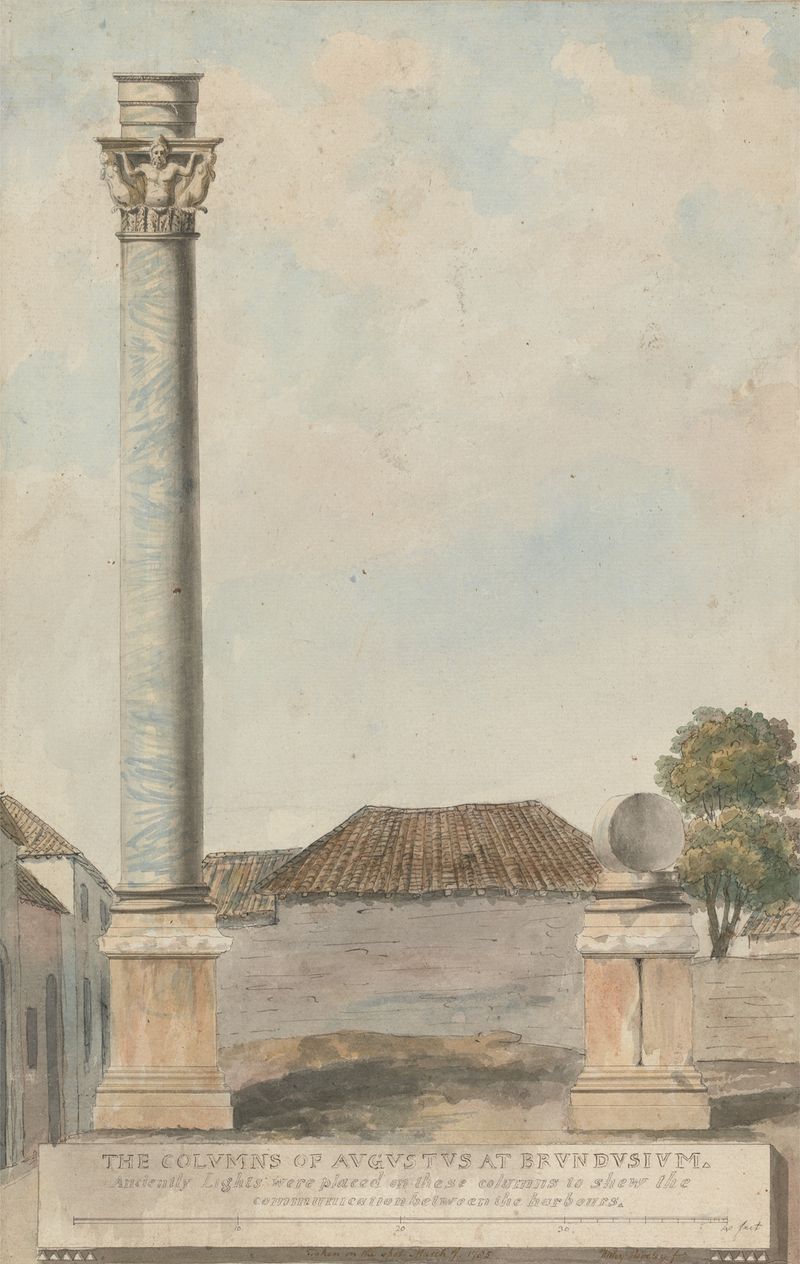
The Columns of Augustus at Brundisium
Willey Reveley
More Architecture Art
Browse all →
The statue of Liberty
Frédéric Auguste Bartholdi

View of Houses in Delft, Known as ‘The Little Street’
Johannes Vermeer

View of Houses in Delft, Known as ‘The Little Street’
Johannes Vermeer

The Cathedral in Rouen. The portal, Grey Weather
Claude Monet

The yellow house
Vincent van Gogh

The Church in Auvers-sur-Oise, View from the Chevet
Vincent van Gogh