
A scene from the 1863 Uprising. — History & Facts
A single moment of violence breaks the uneasy stillness of the autumn landscape: two mounted men in the foreground, rifles ready, gaze down a winding road where a struggle has just ended. The sweep of the road draws the viewer’s eye to the right, where a riderless horse rears and a man lies sprawled on the dirt, his fate sealed before our eyes. The tension in the scene is heightened by the muted palette of browns and greys, the bare trees standing like silent witnesses to the event.
Every detail — the alert posture of the sentries, the scattered stones, the distant wooden shelter — is chosen to heighten the sense of isolation and danger. The sky, heavy with clouds, presses down on the figures, amplifying the gravity of the moment. Painted in 1880 by Antoni Piotrowski, this work belongs to a tradition of late nineteenth-century Polish historical painting, where artists revisited the uprisings and struggles that shaped their nation’s fate. Such pictures were often created not for grand public spaces but for private contemplation or patriotic circles, serving as both memory and warning.
The painting now resides in the National Museum in Warsaw, a reminder of how art could keep alive the memory of resistance even when official histories might prefer silence. In a time when Poland’s very existence was debated, works like this offered viewers both a mirror and a question: what would you do, if history called you to this lonely road?
More Artworks by Antoni Piotrowski

Execution of an insurgent in Warsaw Citadel in 1863 or
Antoni Piotrowski
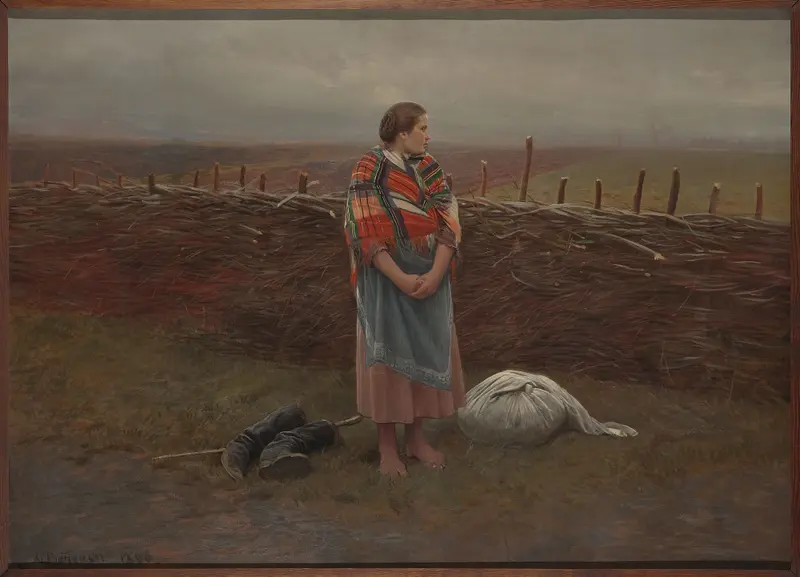
Homeless (Country girl at the fence).
Antoni Piotrowski
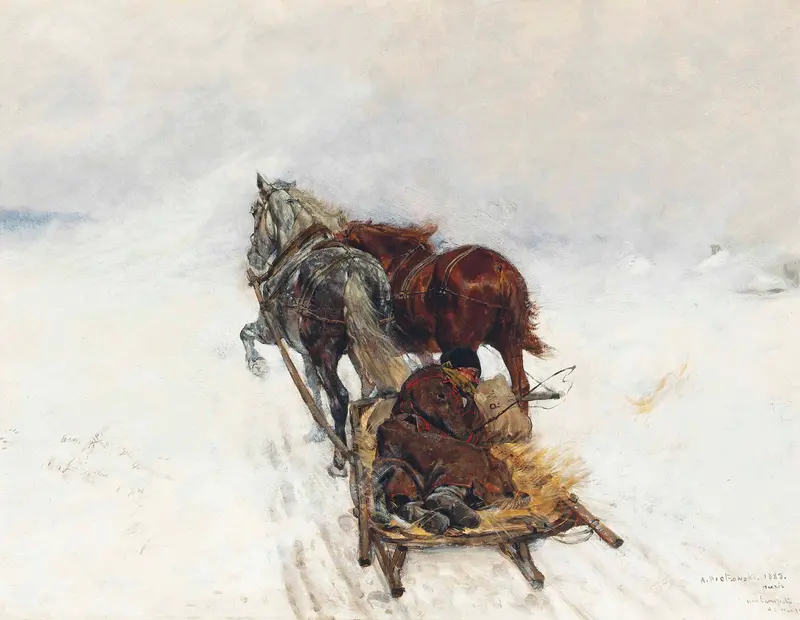
A snow storm
Antoni Piotrowski
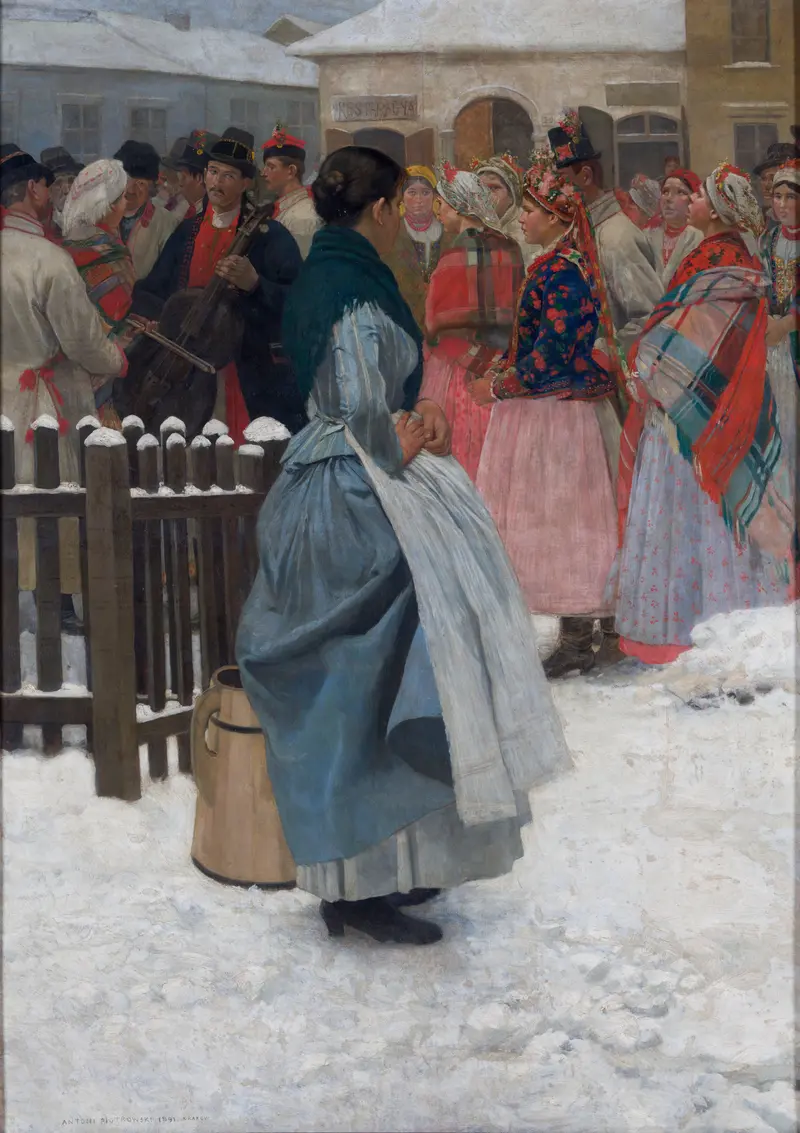
The Weeding Is Coming
Antoni Piotrowski

Wedding in the evening
Antoni Piotrowski
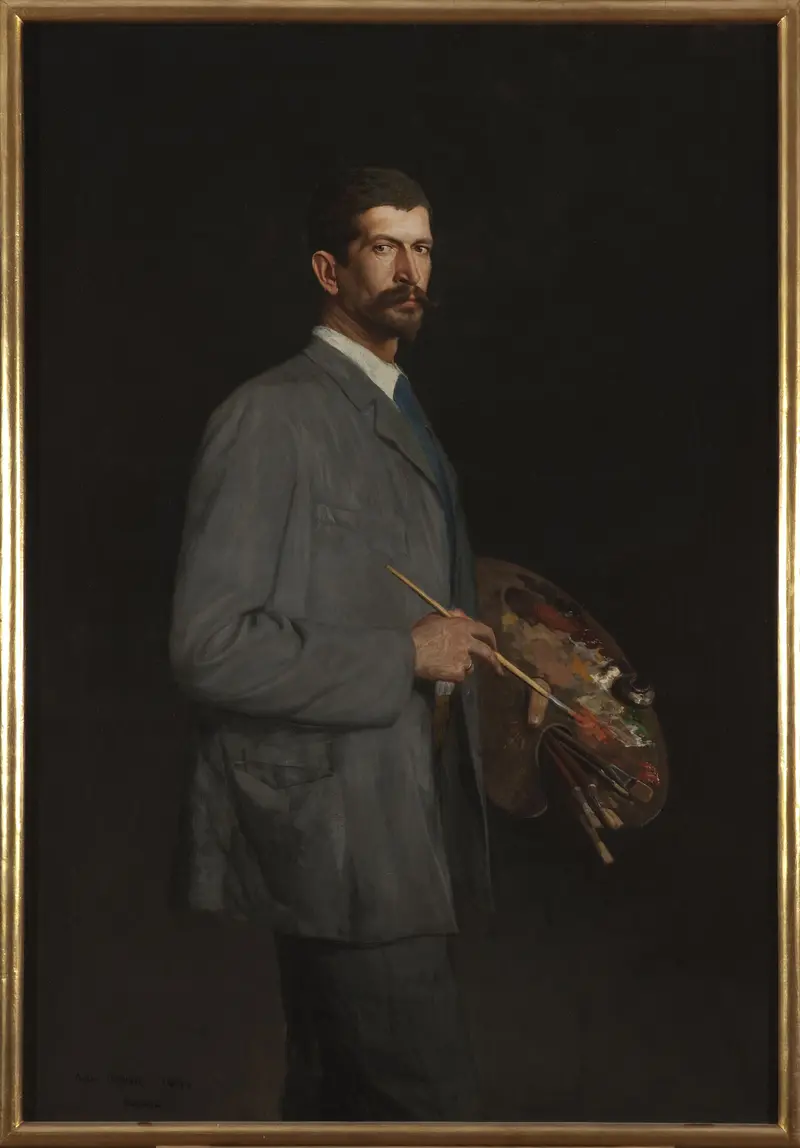
Self-portrait with a palette
Antoni Piotrowski
Intencja
Antoni Piotrowski
Berezina
Antoni Piotrowski
The cracked ice
Antoni Piotrowski
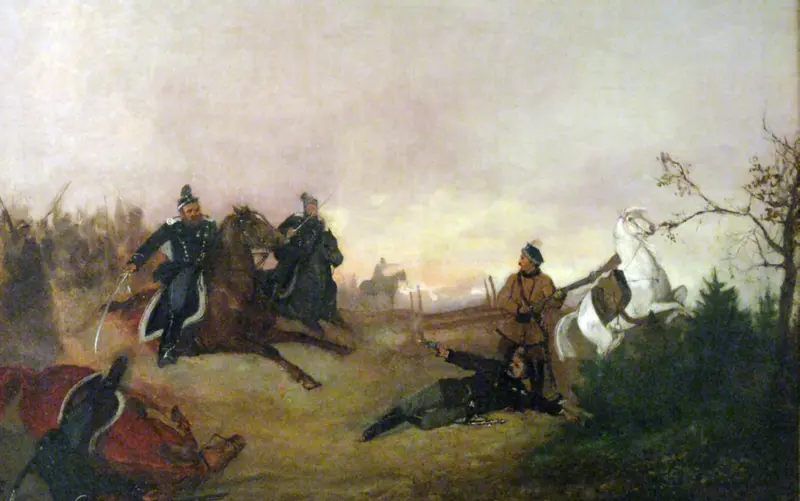
Death of Dionizy Czachowski during battle of Wierzchowiska in
Antoni Piotrowski





