
Wedding in the evening — History & Facts
A hush falls over the muddy road as dusk settles, broken only by the glimmer of lanterns and the restless shifting of horses. The eye is drawn first to the glowing procession: carriages and figures, some cloaked in heavy coats, others gathered in anticipation, all converging on the warmly lit entrance of a village church. The painter’s choice of evening, with its veiled, smoky light and bare trees, turns a wedding into a scene of quiet suspense and communal ritual.
Each torch and window becomes a beacon, guiding the wedding party through the gloom, while the churned earth underfoot hints at the journey just completed and the one about to begin. Painted in 1882 by Antoni Piotrowski, this work belongs to a world where rural ceremonies still marked the turning points of life, and where the church was the heart of both faith and festivity. In late nineteenth-century Poland, scenes like this—intimate, local, yet touched by the grandeur of tradition—were cherished by collectors and viewers hungry for images of national identity and continuity. Today, Wedding in the evening resides in the National Museum in Warsaw, a reminder of how art can preserve not just faces and places, but the charged atmosphere of a particular hour, when the ordinary becomes momentous.
Look again at the flicker of those lanterns: each one a small promise against the darkness.
More Artworks by Antoni Piotrowski

Execution of an insurgent in Warsaw Citadel in 1863 or
Antoni Piotrowski
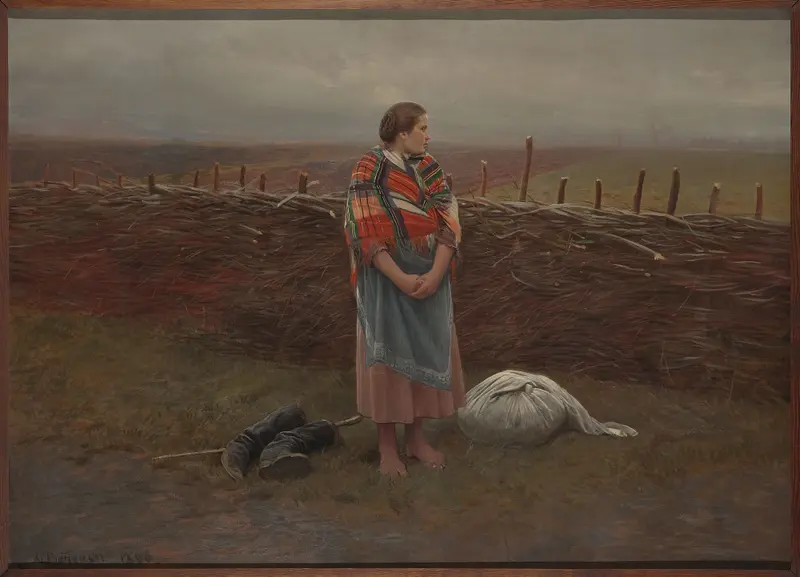
Homeless (Country girl at the fence).
Antoni Piotrowski
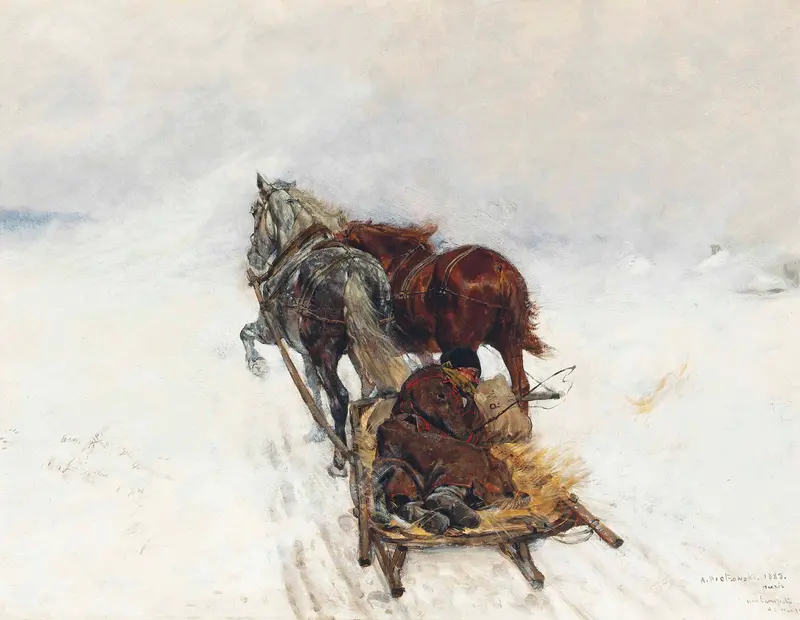
A snow storm
Antoni Piotrowski
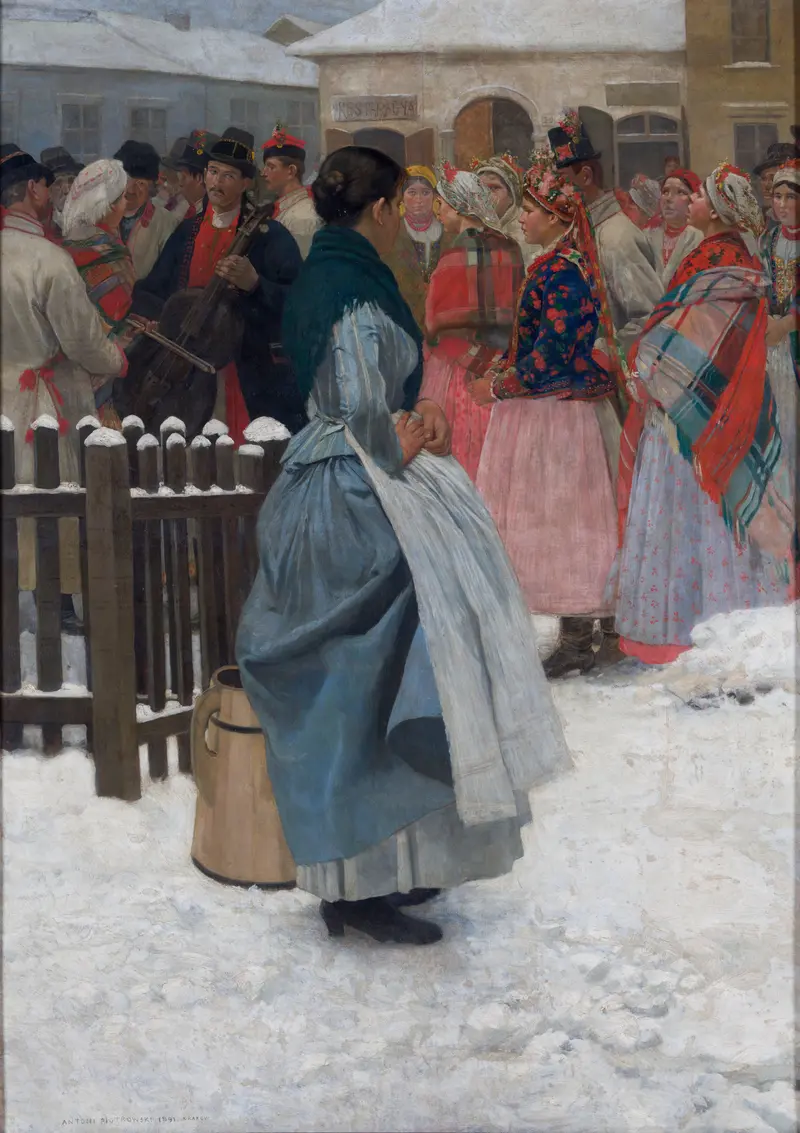
The Weeding Is Coming
Antoni Piotrowski
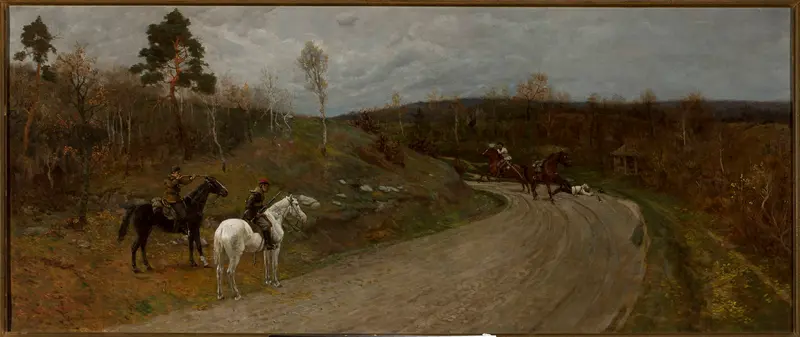
A scene from the 1863 Uprising.
Antoni Piotrowski
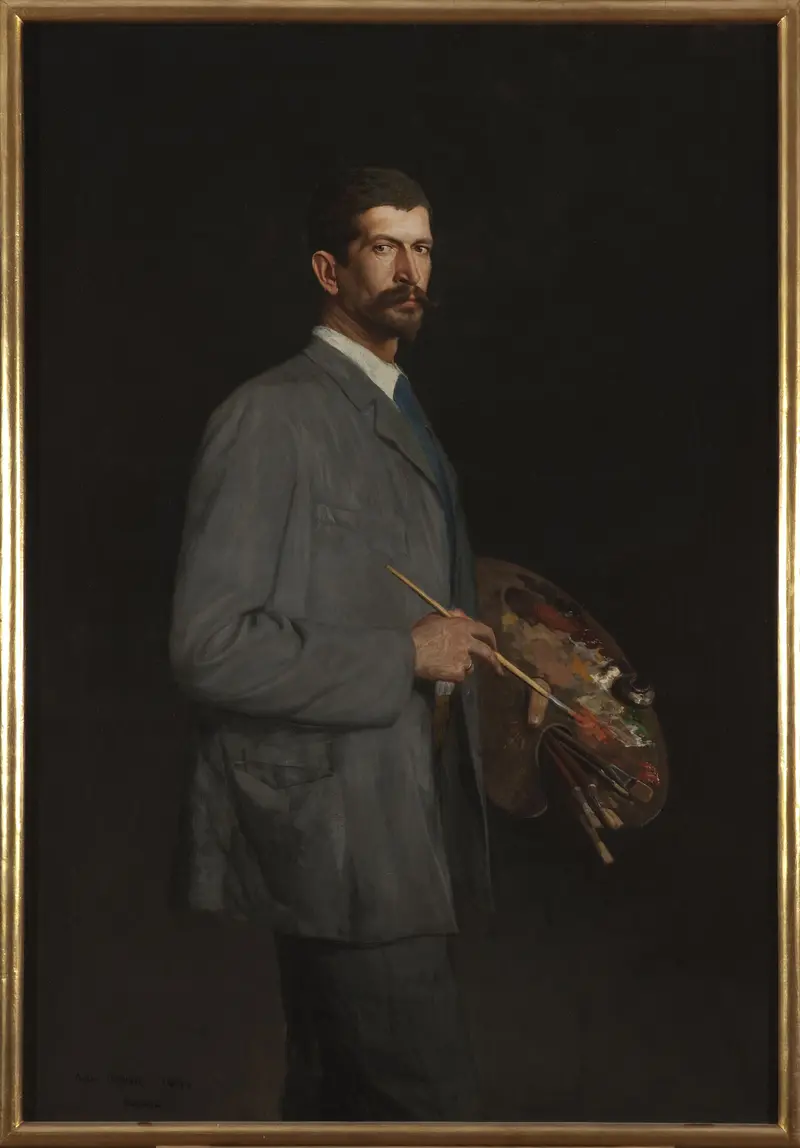
Self-portrait with a palette
Antoni Piotrowski
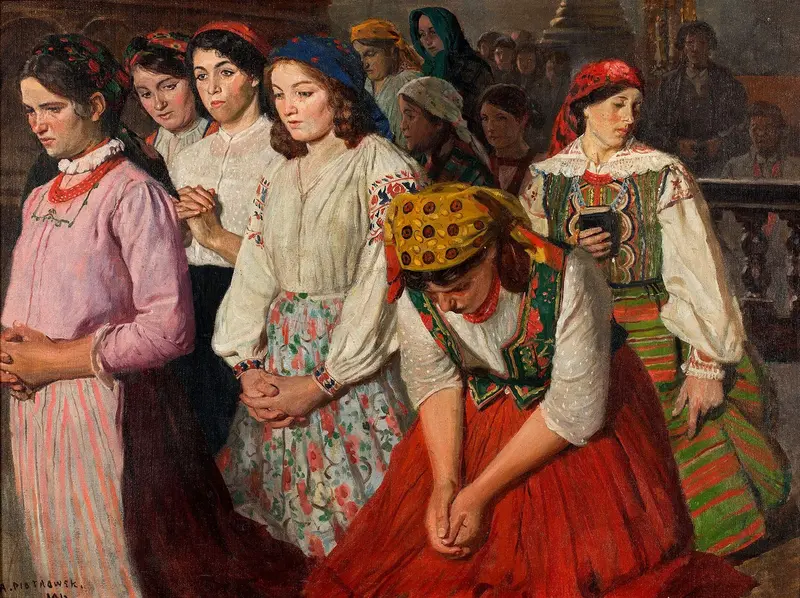
Intencja
Antoni Piotrowski
Berezina
Antoni Piotrowski
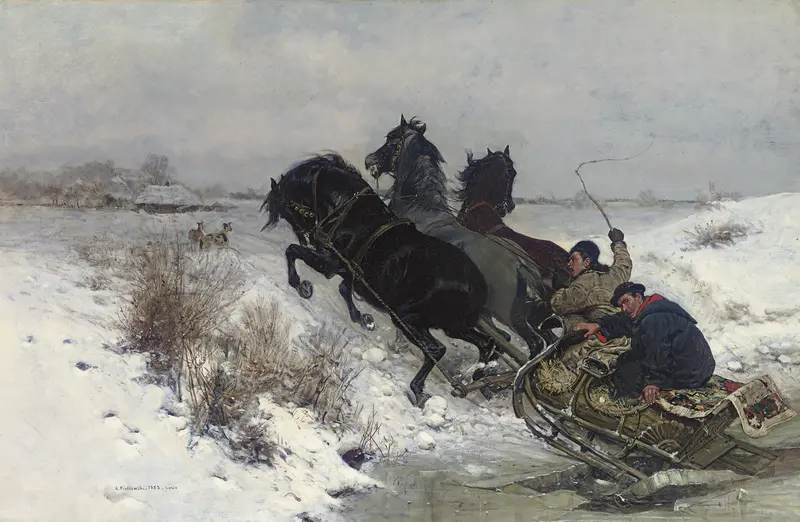
The cracked ice
Antoni Piotrowski
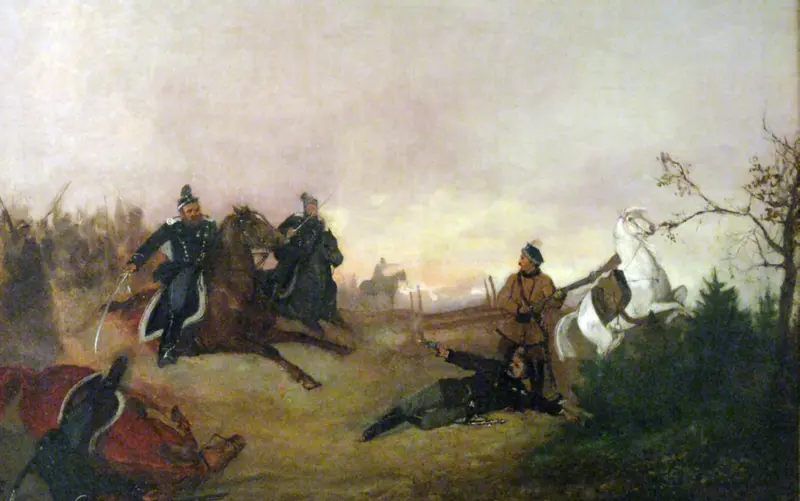
Death of Dionizy Czachowski during battle of Wierzchowiska in
Antoni Piotrowski
More Genre Scene Art

Banquet of the Officers of the St George Civic Guard
Frans Hals

Rembrandt and Saskia in the Scene of the Prodigal Son
Rembrandt van Rijn

Bal du moulin de la Galette
Pierre-Auguste Renoir

Quadrille at the Moulin Rouge
Henri de Toulouse-Lautrec

A Burial at Ornans
Gustave Courbet

When Will You Marry?
Paul Gauguin